The Four Seasons — History & Facts
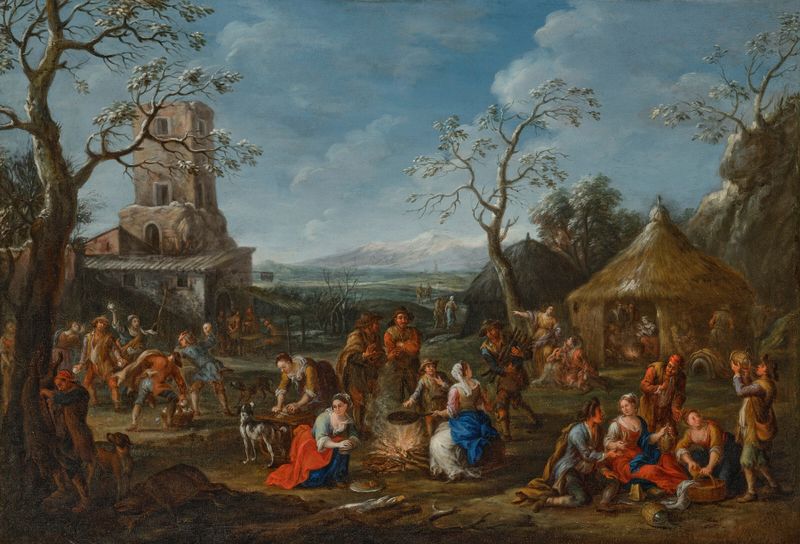
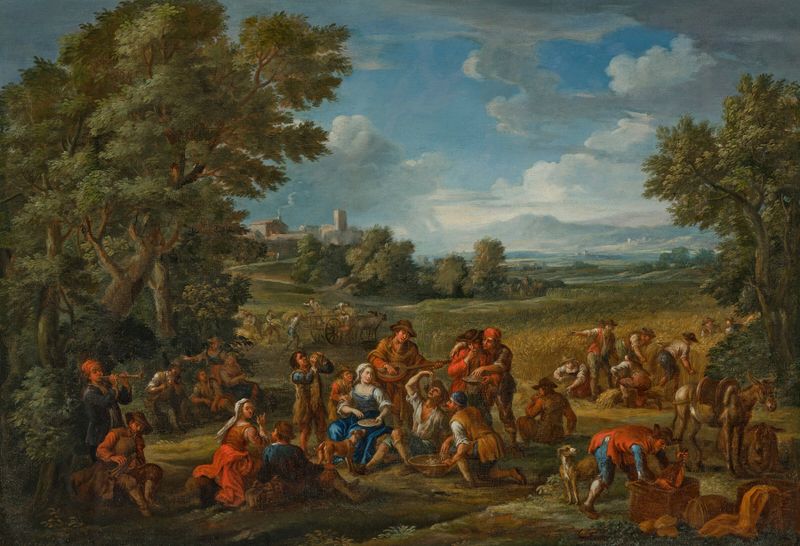
Can paint confess what words never could? In The Four Seasons, the brushstrokes convey a profound sense of hope, capturing the essence of human experience through the cyclical dance of nature. Look to the left, where vibrant greens burst forth from the canvas, signalling the arrival of spring. The gentle yellows and soft blues weave through the composition, guiding your gaze toward the sun-drenched fields. As you move across the painting, observe how the colors shift in intensity, transforming from the bright exuberance of summer to the muted tones of autumn, and finally, to the stark whites and grays that herald winter's arrival.
Each seasonal quadrant harmonizes seamlessly, reflecting both the beauty and inevitability of change. Beneath this surface beauty lies a deeper tension—the interplay between decay and renewal. Each season embodies a distinct emotional landscape: spring teems with possibility, summer exudes vitality, autumn whispers of transformation, while winter brings the silence of introspection. These contrasts serve not only to celebrate the cycles of nature but to evoke a broader reflection on life itself—joy and sorrow coexist, as do beginnings and endings, wrapped in a fragile hope that persists through time. Giovanni Reder painted The Four Seasons in a period marked by exploration and innovation within the art world.
While the exact date remains unknown, it is believed to be during the late 19th to early 20th century, a time when artists sought to break free from traditional constraints. Reder's work exemplifies this shift, embracing a more emotional and subjective approach that resonates with viewers, inviting them to contemplate the rhythms of life and the transformative power of hope.