
The good Samaritan — History & Facts
In the realm of art, serenity emerges not merely from gentle hues but from the profound stillness that resonates within. Look to the left, where the Samaritan cradles the wounded man, his expression a blend of compassion and quiet determination. Notice how the golden light envelops their figures, enhancing the warmth of the scene and drawing your gaze to the stark contrast of the deep shadows that lurk beyond. The subtle brushwork captures the texture of the fabrics, each fold whispering the urgency of the moment, while the rich, earthy palette evokes a sense of humility and grace. Delving deeper reveals the emotional tension pulsing beneath the surface.
The Samaritan's hand, tender yet firm, conveys a delicate balance between strength and vulnerability, inviting viewers to ponder their own capacity for empathy. The absence of a crowd emphasizes the intimate connection shared between the two men, highlighting themes of isolation and salvation. Rembrandt contrasts light and dark not just for aesthetic appeal but as a metaphor for humanity’s perennial struggle between indifference and compassion. In 1633, the artist was deeply involved in the flourishing artistic scene of Amsterdam, a city undergoing rapid transformation and rife with social stratifications.
This painting reflects his engagement with moral themes and biblical narratives, a period when he sought to explore the depths of human emotion and the complexities of faith. The work stands as a testament not just to his skill but to his commitment to portraying the human condition amidst a changing world.
More Artworks by Rembrandt van Rijn
Browse all →
The Night Watch Militia Company of District II under the Command of Captain Frans Banninck Cocq
Rembrandt van Rijn

The Return of the Prodigal Son
Rembrandt van Rijn

The Hundred Guilder Print: the figures leaning on the wall in the centre left
Rembrandt van Rijn

The Hundred Guilder Print: the central piece with Christ preaching, the plate arched
Rembrandt van Rijn

Isaac and Rebecca, Known as ‘The Jewish Bride’
Rembrandt van Rijn
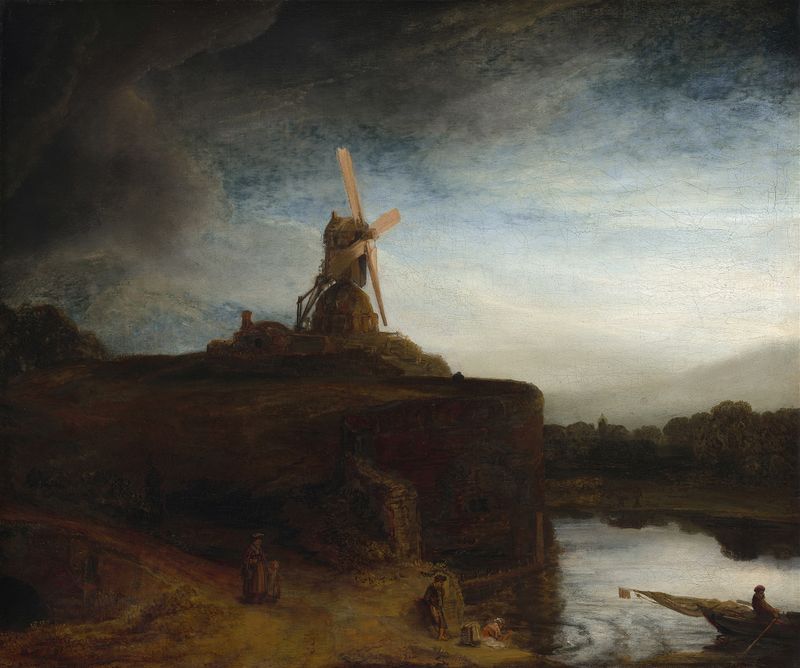
The Mill
Rembrandt van Rijn

The Sampling Officials of the Amsterdam Drapers’ Guild, Known as ‘The Syndics’
Rembrandt van Rijn

The return of the prodigal son
Rembrandt van Rijn
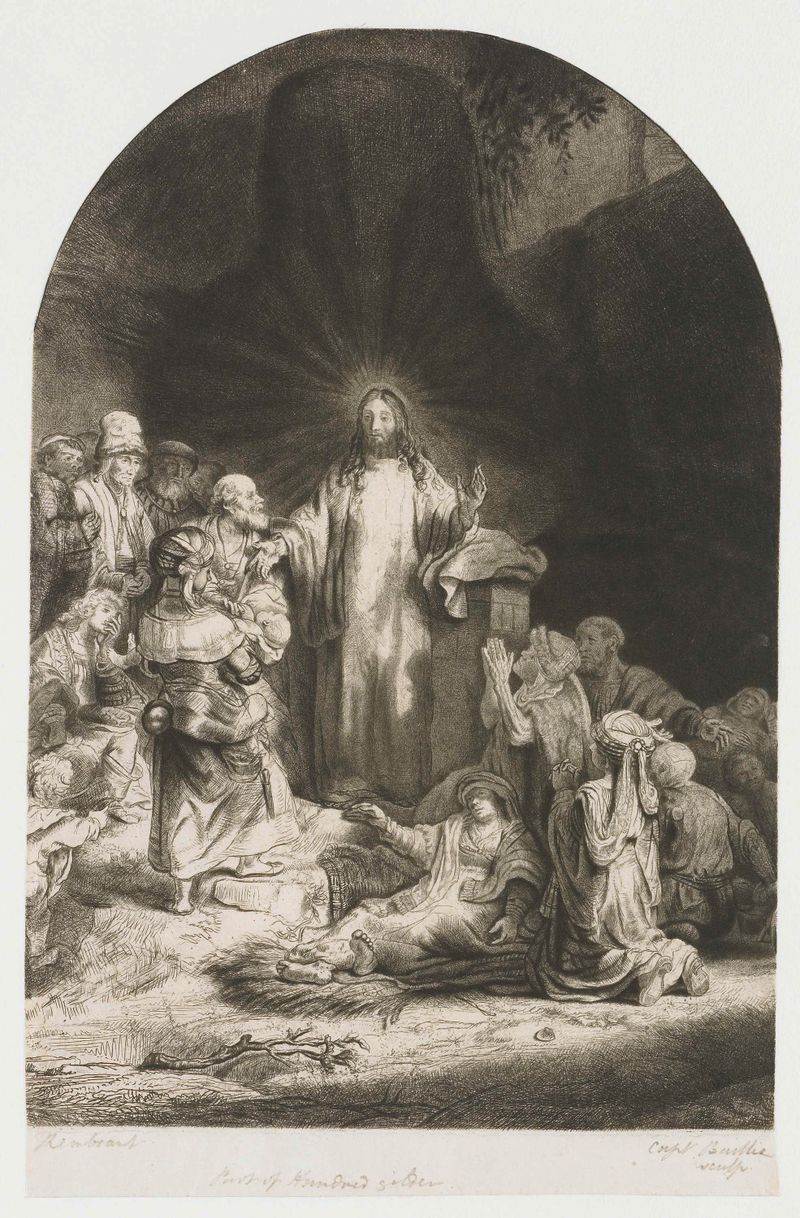
The Hundred Guilder Print: the central piece with Christ preaching, the plate arched
Rembrandt van Rijn

The Hundred Guilder Print: the man seen on the back in the lower left corner
Rembrandt van Rijn
More Religious Art
Browse all →The Return of the Prodigal Son
Rembrandt van Rijn

The Garden of Earthly Delights
El Bosco

Count Orgaz’ funeral
El Greco
The Hundred Guilder Print: the central piece with Christ preaching, the plate arched
Rembrandt van Rijn

The Descent from the Cross
Rogier van der Weyden
The return of the prodigal son
Rembrandt van Rijn