
The good Samaritan — History & Facts
Could a single brushstroke hold eternity? In The Good Samaritan, the beauty of compassion transcends the canvas, immersing the viewer in a profound meditation on faith and humanity. Focus on the figure in the foreground, where the Samaritan bends down tenderly, cradling the wounded traveler. The interplay of light and shadow, a hallmark of the artist's technique, illuminates his gentle expression, contrasting sharply with the desolate surroundings. Notice how deep, warm tones envelop the figures, evoking a sense of protection while the cooler shades in the background hint at the harsh realities of life left behind. In the small details, one can find a multitude of stories.
The Samaritan’s hands, strong yet caring, speak to the duality of strength and vulnerability. The facial expression of the injured man, a mixture of pain and relief, highlights the transformative power of kindness. Each element within the scene reflects a moral narrative, questioning societal norms and urging a deeper consideration of empathy in a world often indifferent. Rembrandt created this artwork during a pivotal period in his life, around 1633, when he was gaining notoriety in Amsterdam and experimenting with his unique approach to light and human emotion.
The world was rife with religious tension, and this piece emerged amidst the broader discussions of compassion inherent in Christian doctrine. It stands as a poignant reminder of the artist's engagement with the themes of faith and morality that would continue to resonate through his body of work.
More Artworks by Rembrandt van Rijn
Browse all →
The Night Watch Militia Company of District II under the Command of Captain Frans Banninck Cocq
Rembrandt van Rijn

The Return of the Prodigal Son
Rembrandt van Rijn

The Hundred Guilder Print: the figures leaning on the wall in the centre left
Rembrandt van Rijn

The Hundred Guilder Print: the central piece with Christ preaching, the plate arched
Rembrandt van Rijn

Isaac and Rebecca, Known as ‘The Jewish Bride’
Rembrandt van Rijn
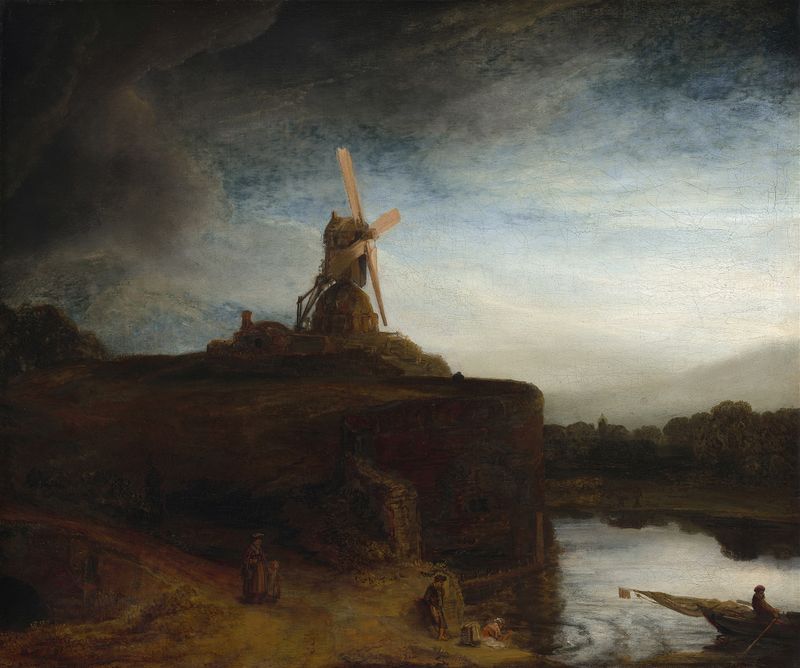
The Mill
Rembrandt van Rijn

The Sampling Officials of the Amsterdam Drapers’ Guild, Known as ‘The Syndics’
Rembrandt van Rijn

The return of the prodigal son
Rembrandt van Rijn
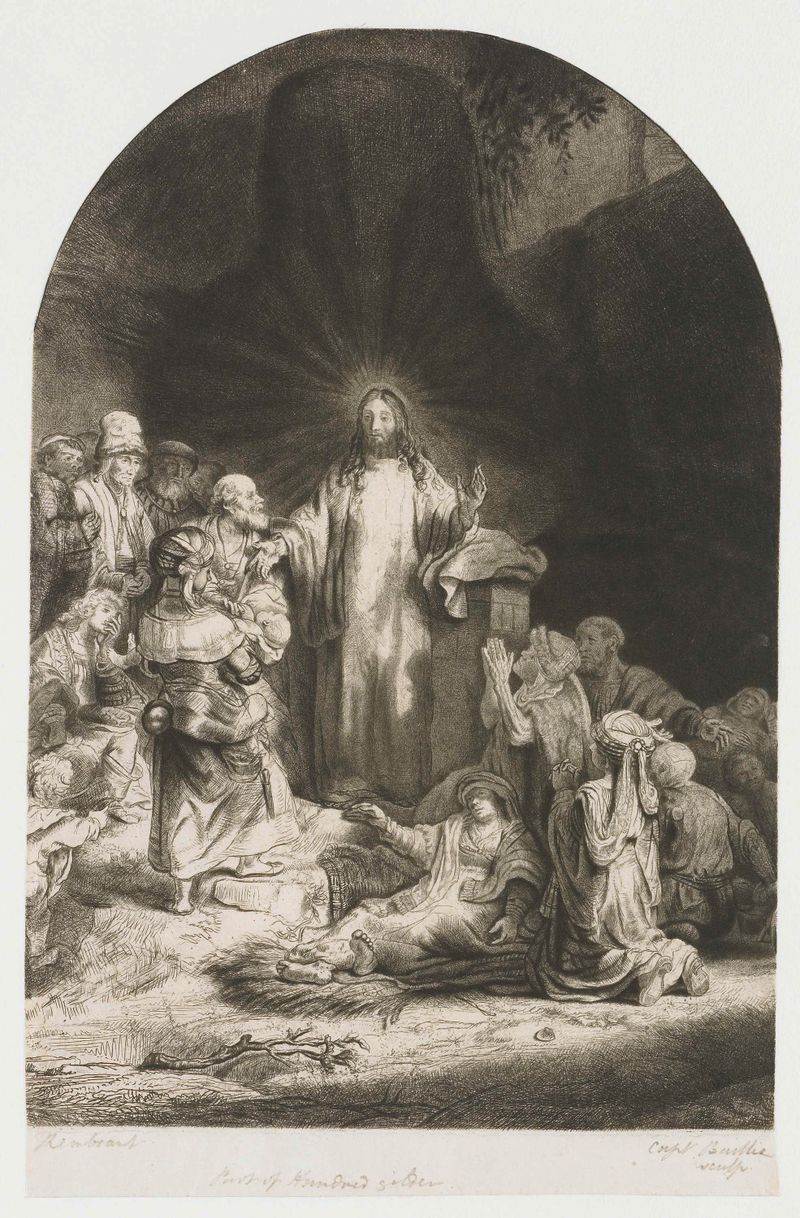
The Hundred Guilder Print: the central piece with Christ preaching, the plate arched
Rembrandt van Rijn

The Hundred Guilder Print: the man seen on the back in the lower left corner
Rembrandt van Rijn
More Religious Art
Browse all →The Return of the Prodigal Son
Rembrandt van Rijn

The Garden of Earthly Delights
El Bosco

Count Orgaz’ funeral
El Greco
The Hundred Guilder Print: the central piece with Christ preaching, the plate arched
Rembrandt van Rijn

The Descent from the Cross
Rogier van der Weyden
The return of the prodigal son
Rembrandt van Rijn