The Grand Canal, Venice — History & Facts
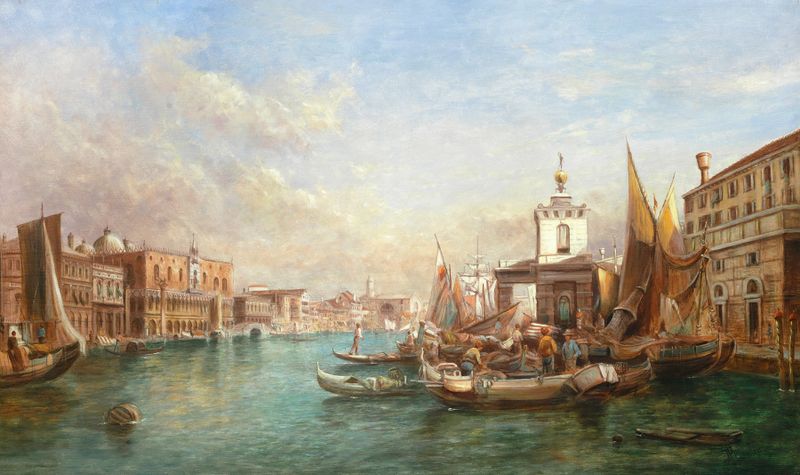
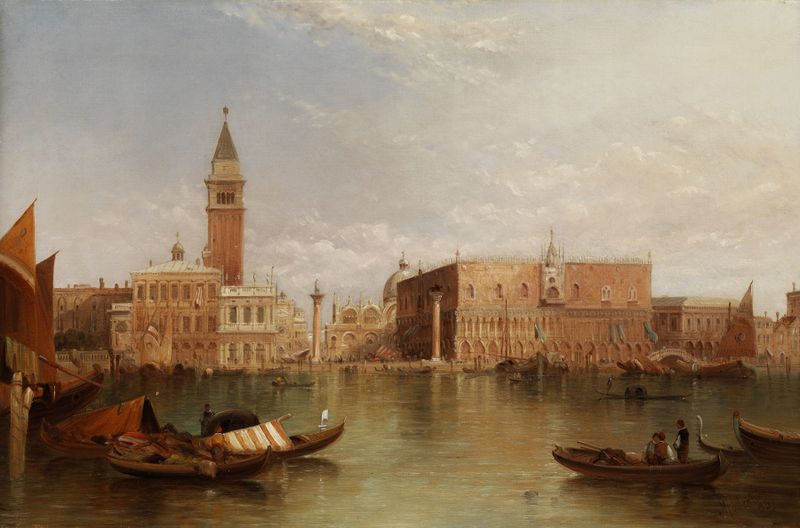
In the silence of a canvased void, we confront the essence of transience and the delicate beauty of ephemeral moments captured before they vanish. Look to the center where the Grand Canal unfurls, woven into the fabric of Venice's timeless architecture. The water glimmers, its surface a mirror reflecting the soft pastels of sunlit buildings that lean close, whispering secrets of a storied past. Notice how the brushwork dances, fluid yet structured, guiding our gaze along the waterways, while the interplay of light and shadow reveals both the vibrancy and melancholy of this iconic scene. Yet beneath the serene facade lies a profound tension.
The contrast between the bustling boats and the stillness of the canal evokes a sense of longing—a void filled by the memories of those who once thrived in its embrace. The distant horizon hints at an unreachable future, while the muted colors evoke nostalgia, a reminder of both connection and separation. Each stroke draws us deeper into a narrative of absence, inviting contemplation on the passage of time. Alfred Pollentine created this depiction of Venice during a period when artists were increasingly drawn to capturing the essence of places through atmospheric effects.
Although the exact date remains unknown, his work reflects the late 19th century's fascination with light and color, as Impressionism began to influence artistic perspectives. As he stood before the canals, he engaged with a city that had been a muse for countless artists, capturing a fleeting moment that echoes through the ages.