The Harbour Of Piraeus — History & Facts
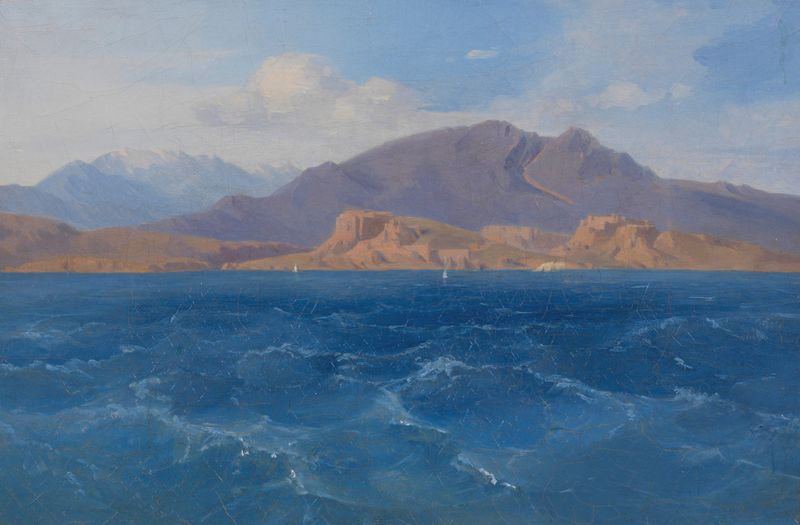
In The Harbour Of Piraeus, transformation vibrates through each layer of paint, capturing the timeless essence of a place that has witnessed countless stories and changes. Look to the center, where the water glistens under a soft reflection of light, creating a shimmering path that guides the viewer's gaze. The boats, rendered with meticulous detail, seem to sway gently, their sails billowing with the whispers of the wind. Notice how Lange uses a subtle palette of blues and earthy tones, blending them to evoke both tranquility and depth, while the hazy outlines of distant hills suggest a world beyond the shore, both inviting and mysterious. Beyond the surface beauty lies a complex interplay of solitude and connection.
The figures depicted along the docks appear engaged in their daily routines yet evoke a sense of yearning, embodying the duality of progress and nostalgia. The juxtaposition of the lively harbor against the serene sky underscores the theme of transformation, speaking to the ever-evolving nature of life and industry. Each detail, from the textures of the boats to the delicate brushwork of the clouds, hints at the passage of time and the stories woven into the very fabric of this bustling port. Ludwig Lange painted this scene during a period when the arts were shifting, embracing a more impressionistic approach.
The exact date remains uncertain, but it’s clear that Lange was inspired by the beauty and dynamic life of the Piraeus harbor, reflecting a world on the cusp of modernity. His movement towards realism and the capturing of ephemeral moments resonated with the growing European fascination with coastal life, marking an important chapter in the evolution of 19th-century art.