
Discover insights about this artwork
The Harvest, allegory of Summer — History & Facts
In The Harvest, allegory of Summer, the viewer is greeted by a lively scene filled with rich colors. Golden fields stretch across the canvas, dotted with figures engaged in the harvest. The warm hues of yellow and green dominate, evoking the essence of summer.
This vibrant setting captures the abundance and joy of the season. The painting is executed in oil on canvas, a common medium for the time. The artist uses a detailed approach to depict the figures and landscape, showcasing his skill in rendering textures and light. The composition is balanced, with a clear focal point on the harvesting activity.
The use of color and light creates a sense of depth and movement within the scene. Sebastian Vrancx was a prominent figure in the Dutch Golden Age, known for his genre scenes and landscapes. This particular work reflects the seasonal themes popular in his time, celebrating the bounty of nature. An interesting fact about this painting is its allegorical nature, linking the harvest to the broader themes of abundance and prosperity in life.
It serves as a reminder of the importance of agriculture in society.
More Artworks by Sebastian Vrancx
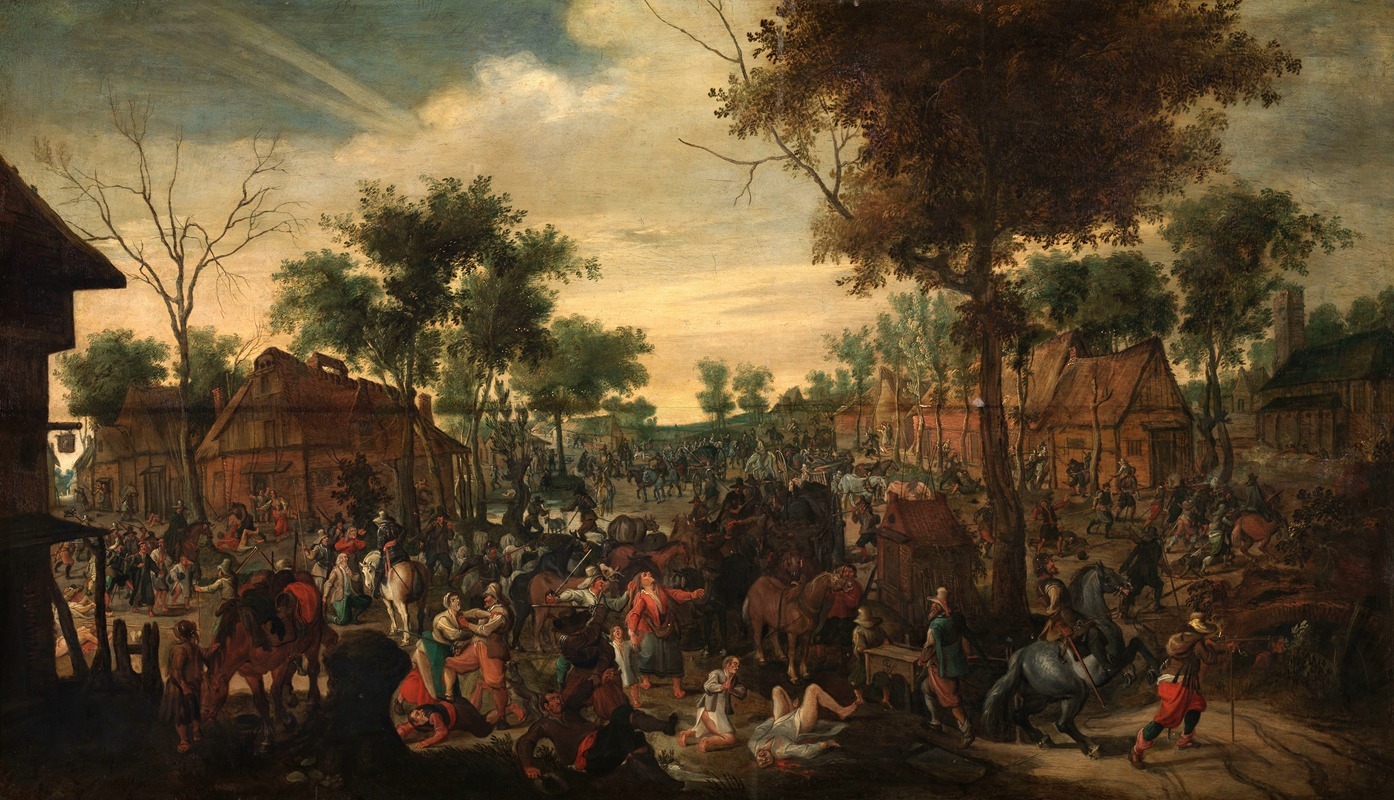
Plundering of a Hamlet
Sebastian Vrancx
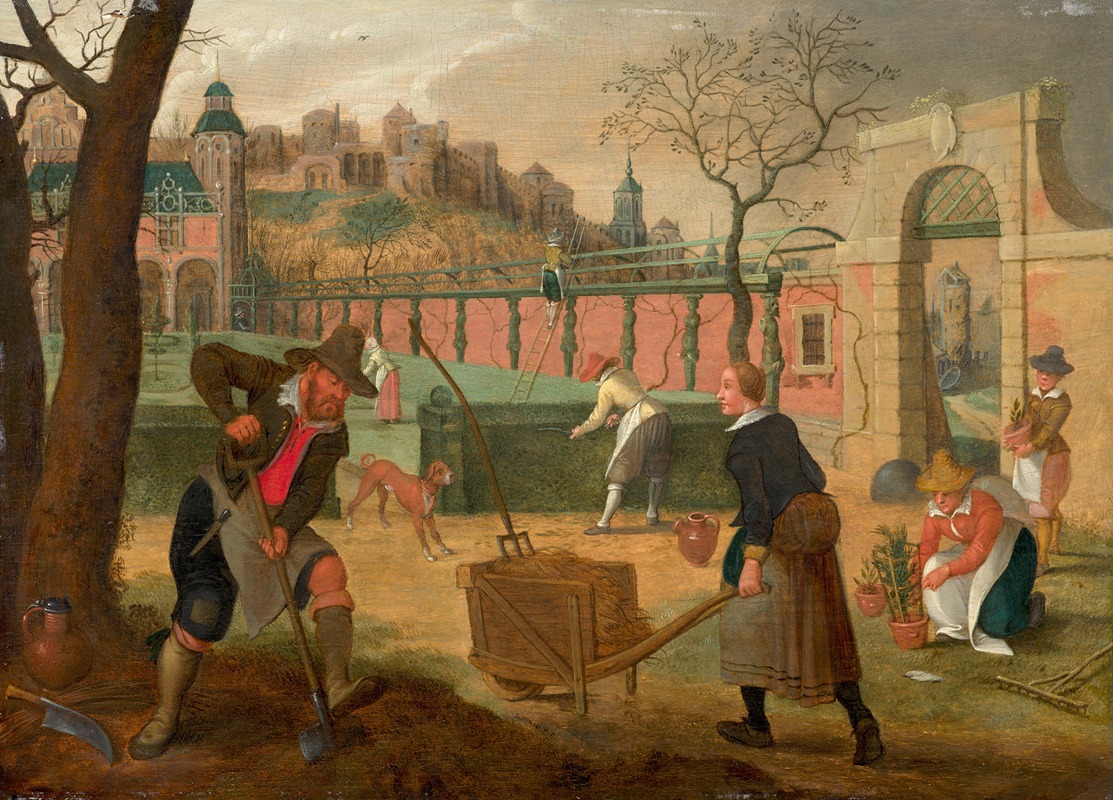
Spring or The month of March
Sebastian Vrancx
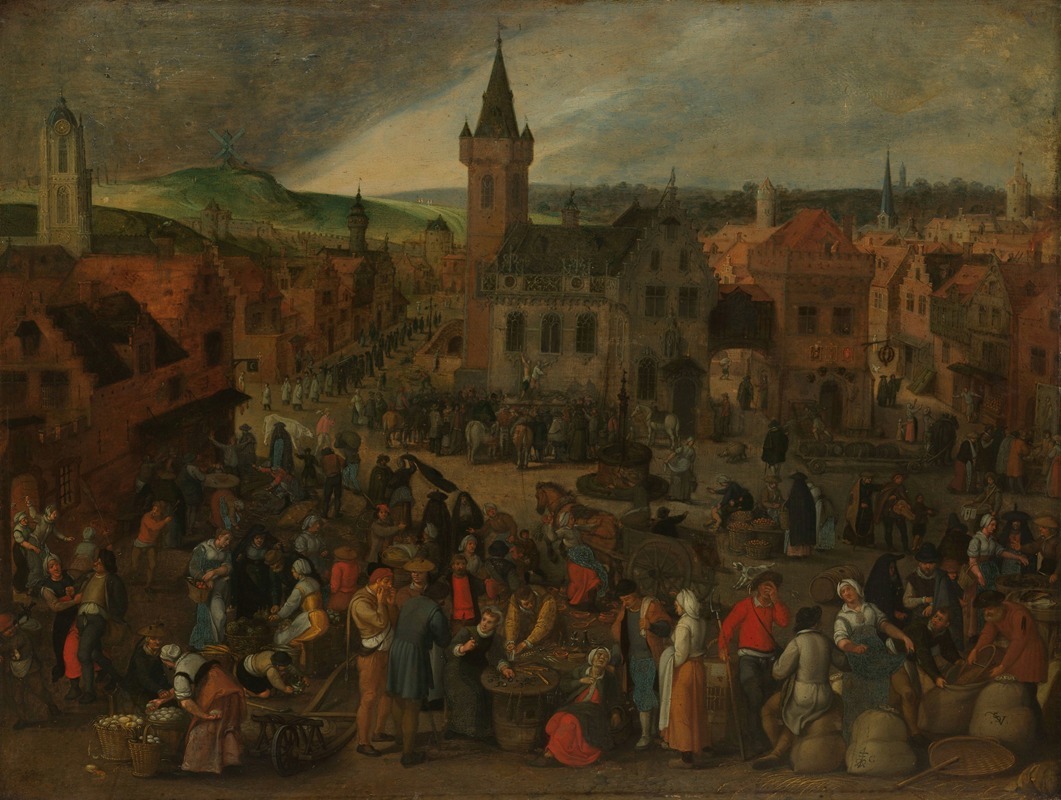
Market Day in a Flemish Town
Sebastian Vrancx
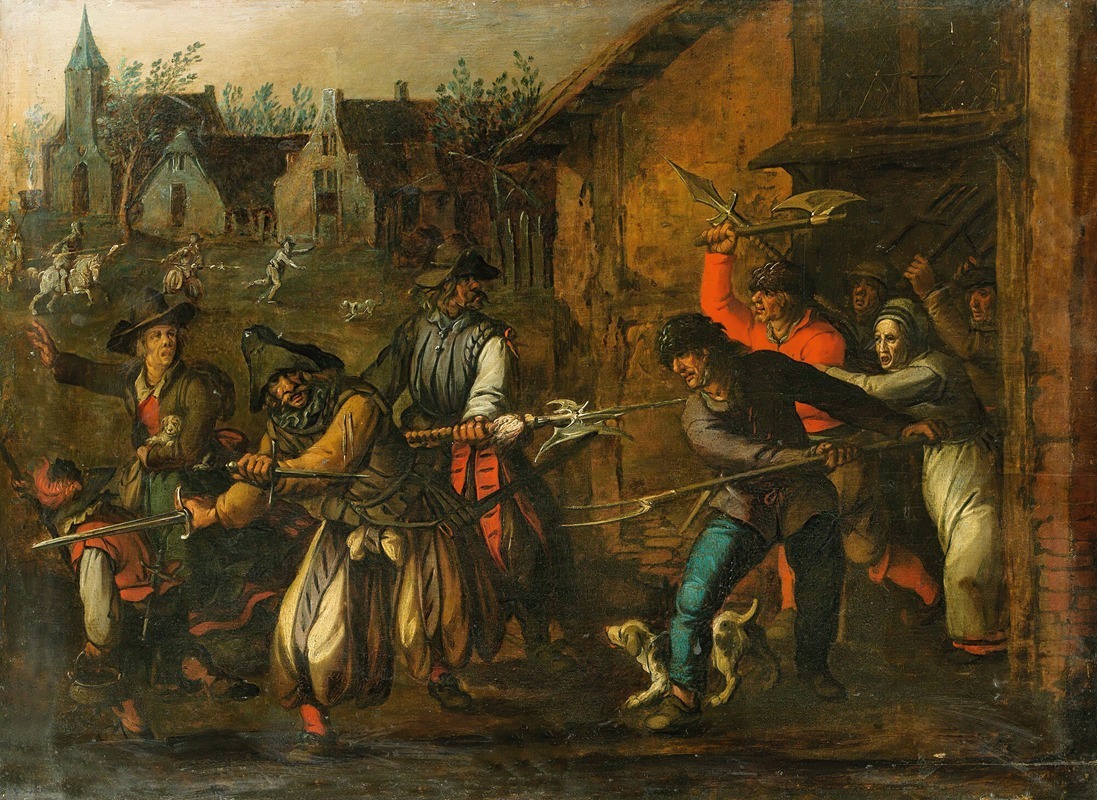
Pillage scene
Sebastian Vrancx
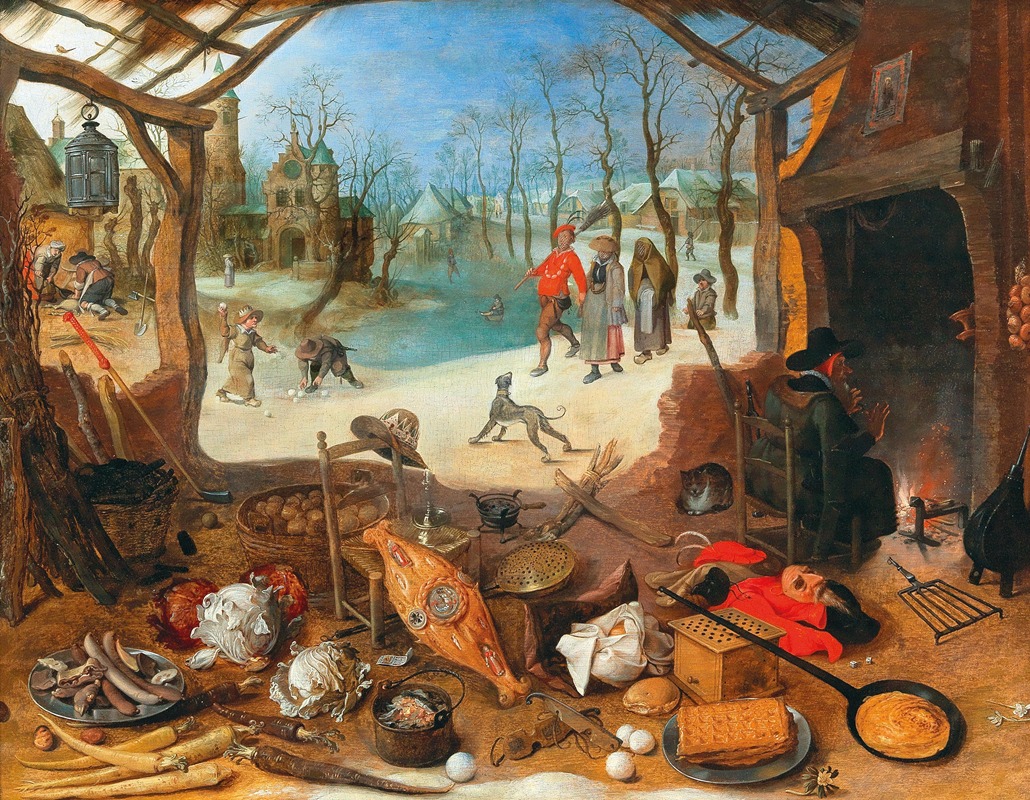
An Allegory of Winter
Sebastian Vrancx
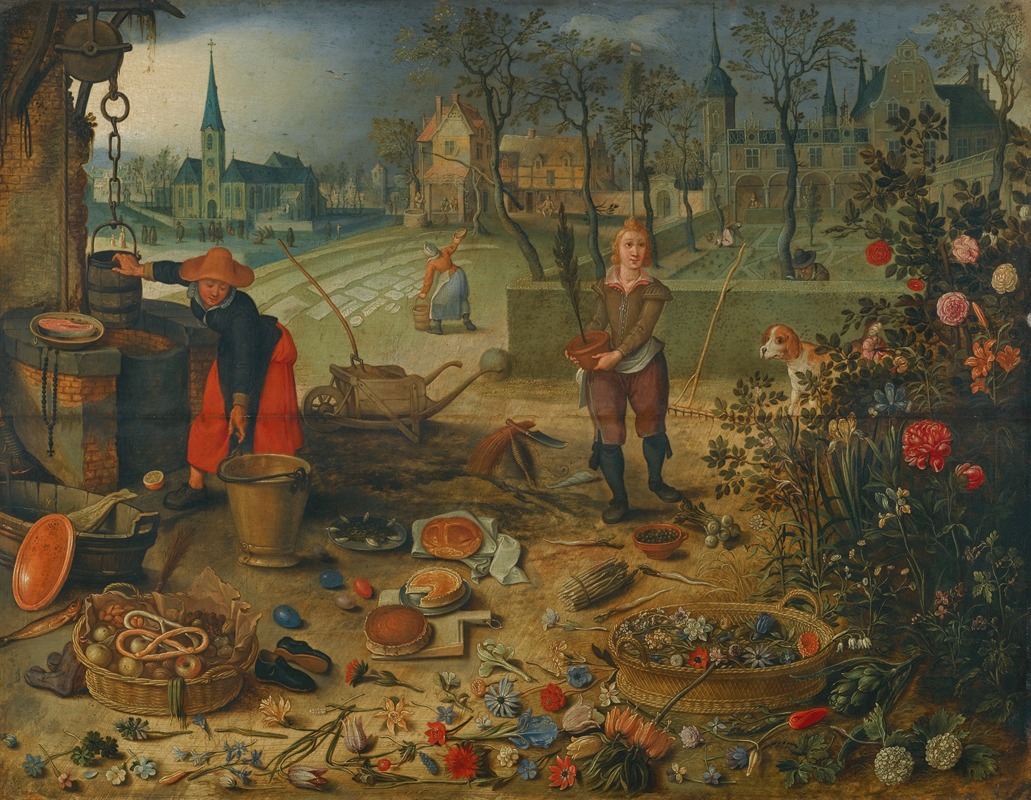
An Allegory Of Spring
Sebastian Vrancx
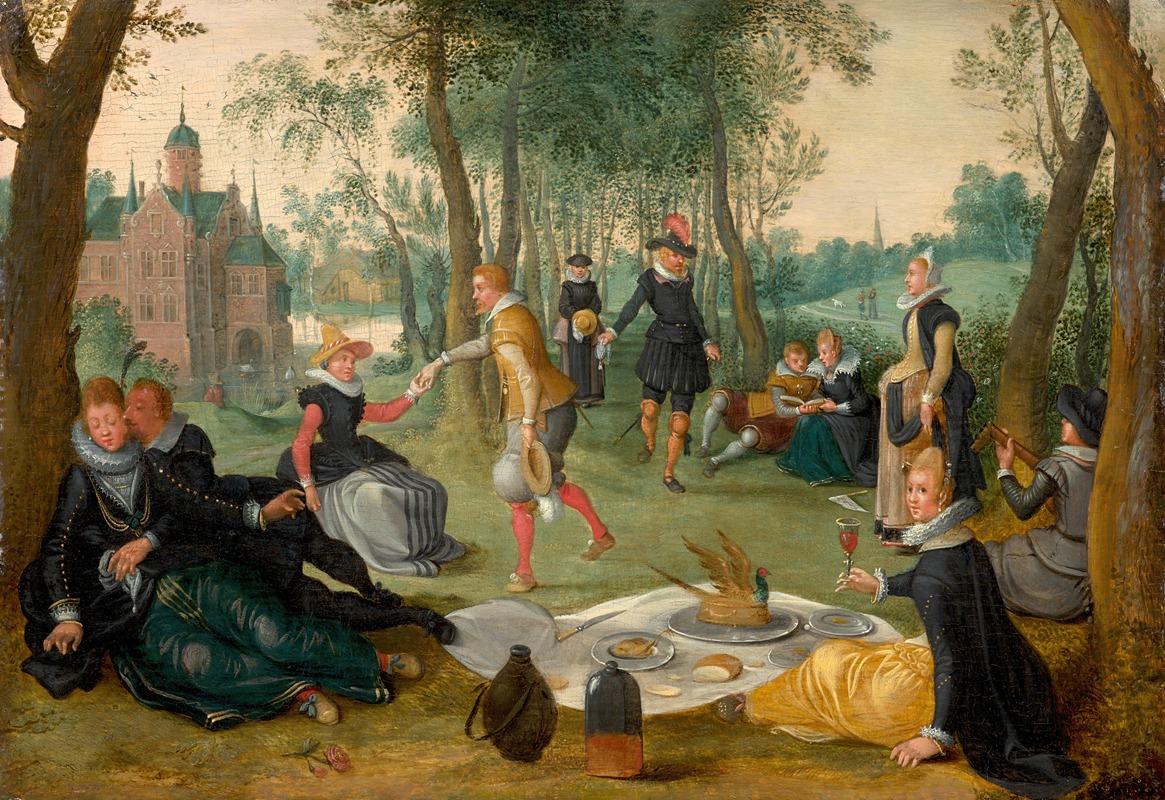
Elegant company having lunch in a landscape
Sebastian Vrancx
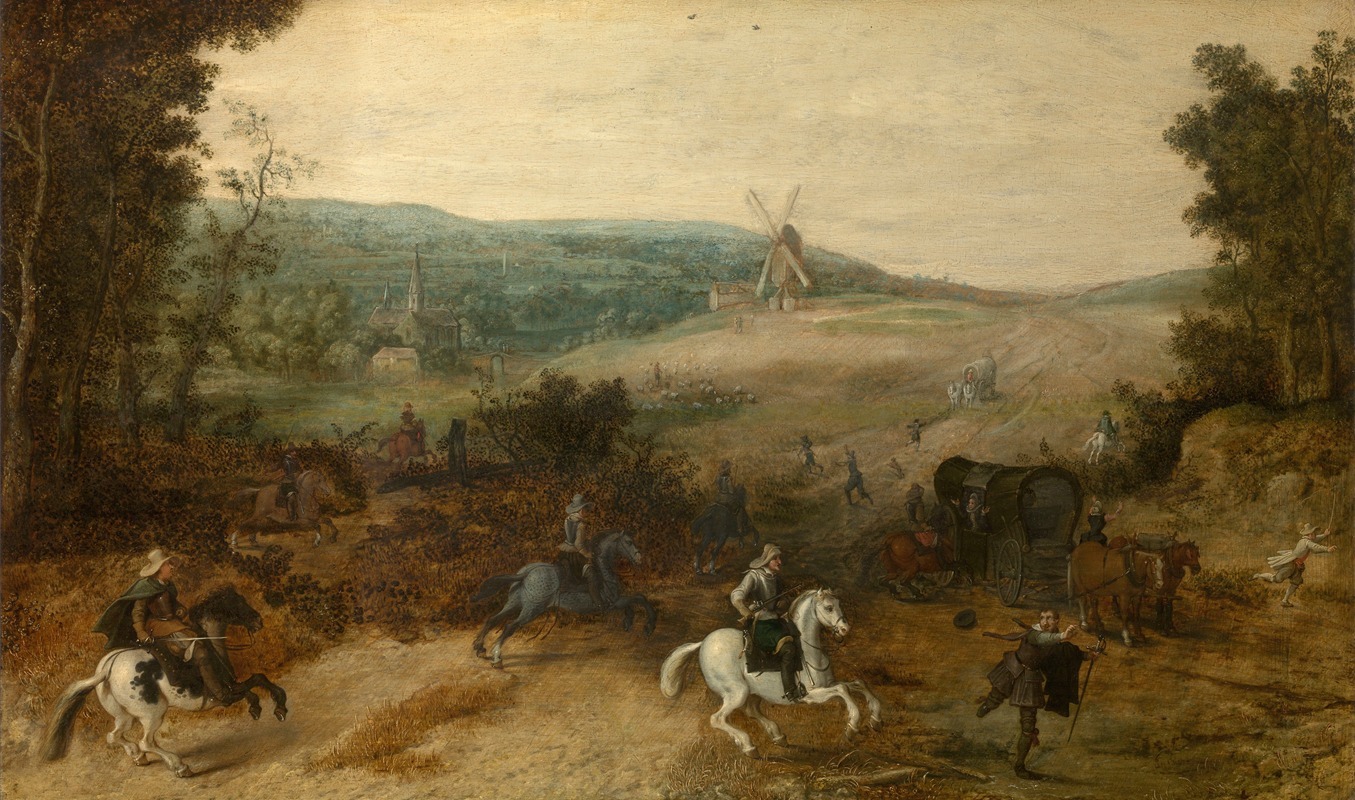
Landscape with Travellers Attacked by Robbers
Sebastian Vrancx
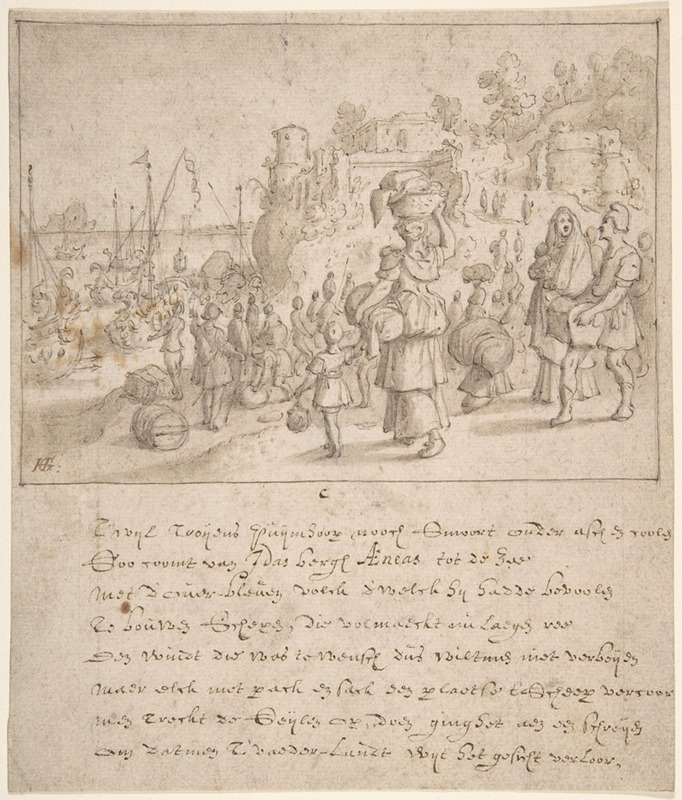
Leaving Troy
Sebastian Vrancx
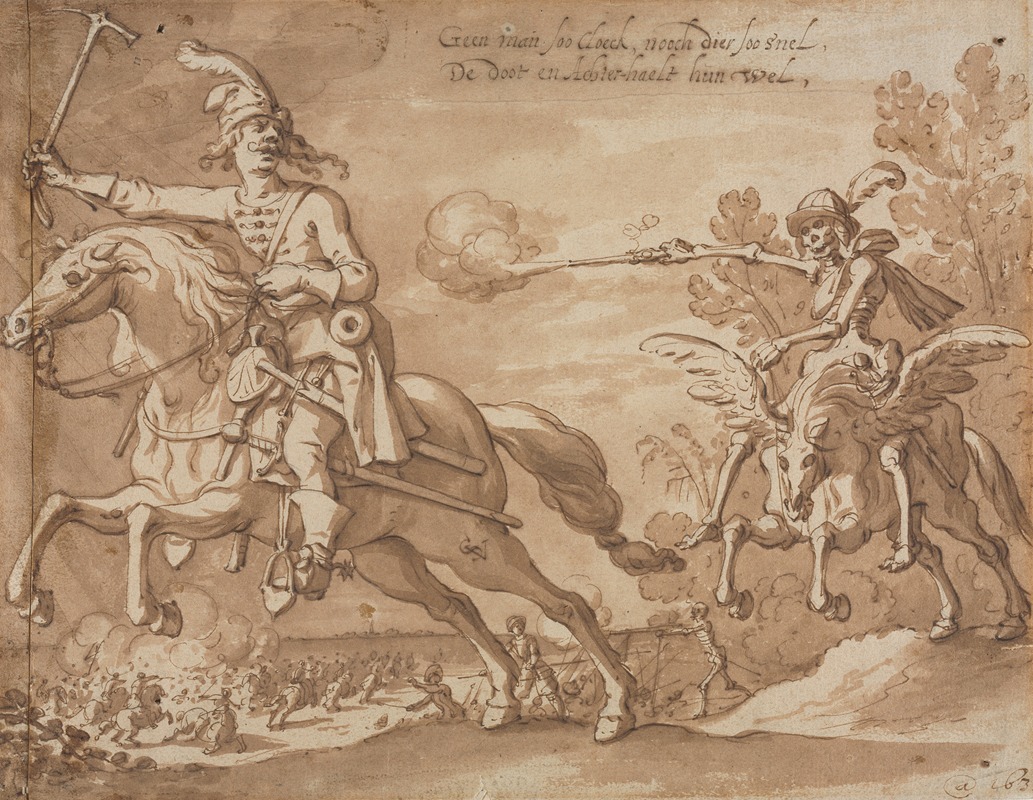
Death on Horseback Chasing a Flying Knight
Sebastian Vrancx
More Allegory Art
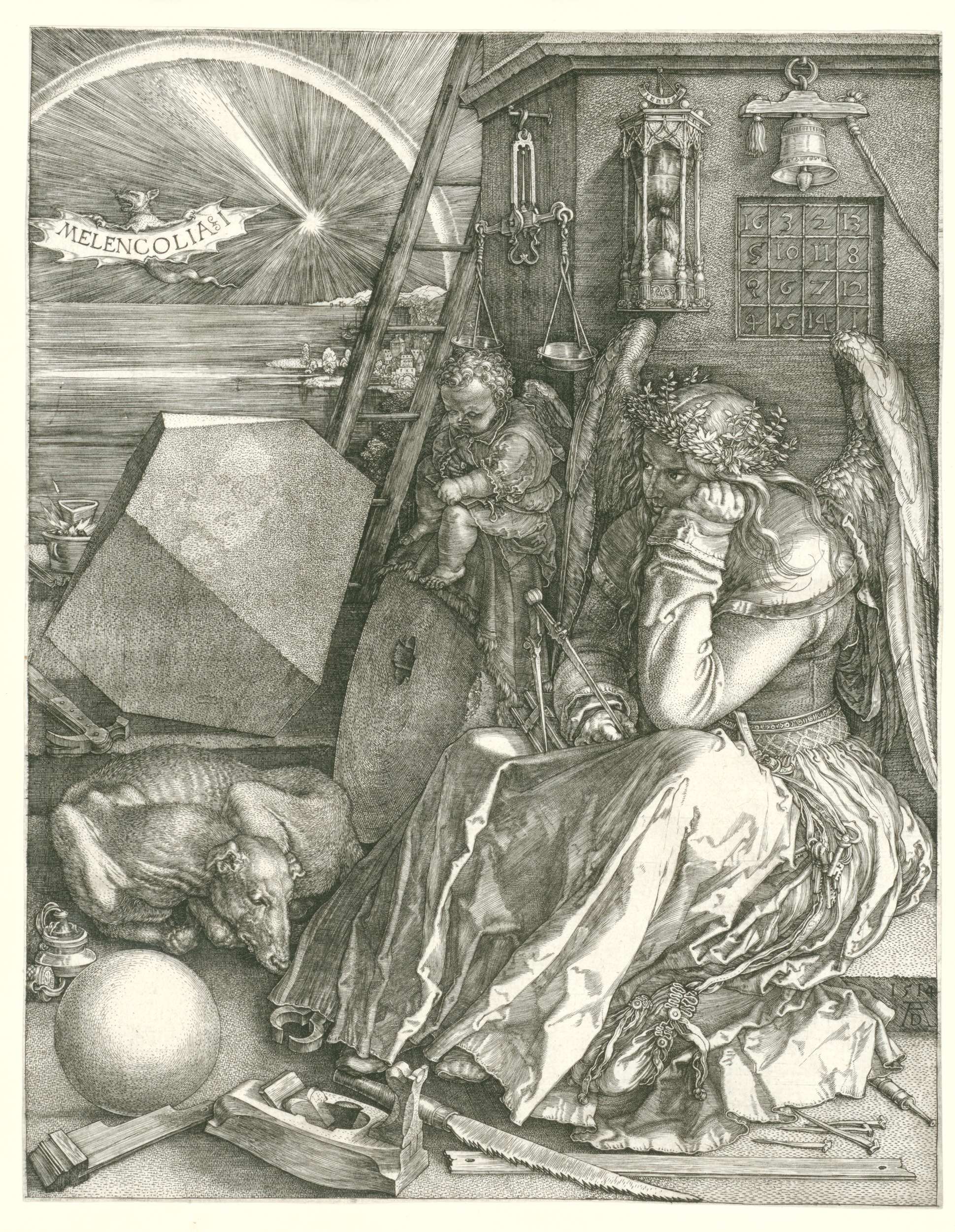
Melancholia
Albrecht Dürer
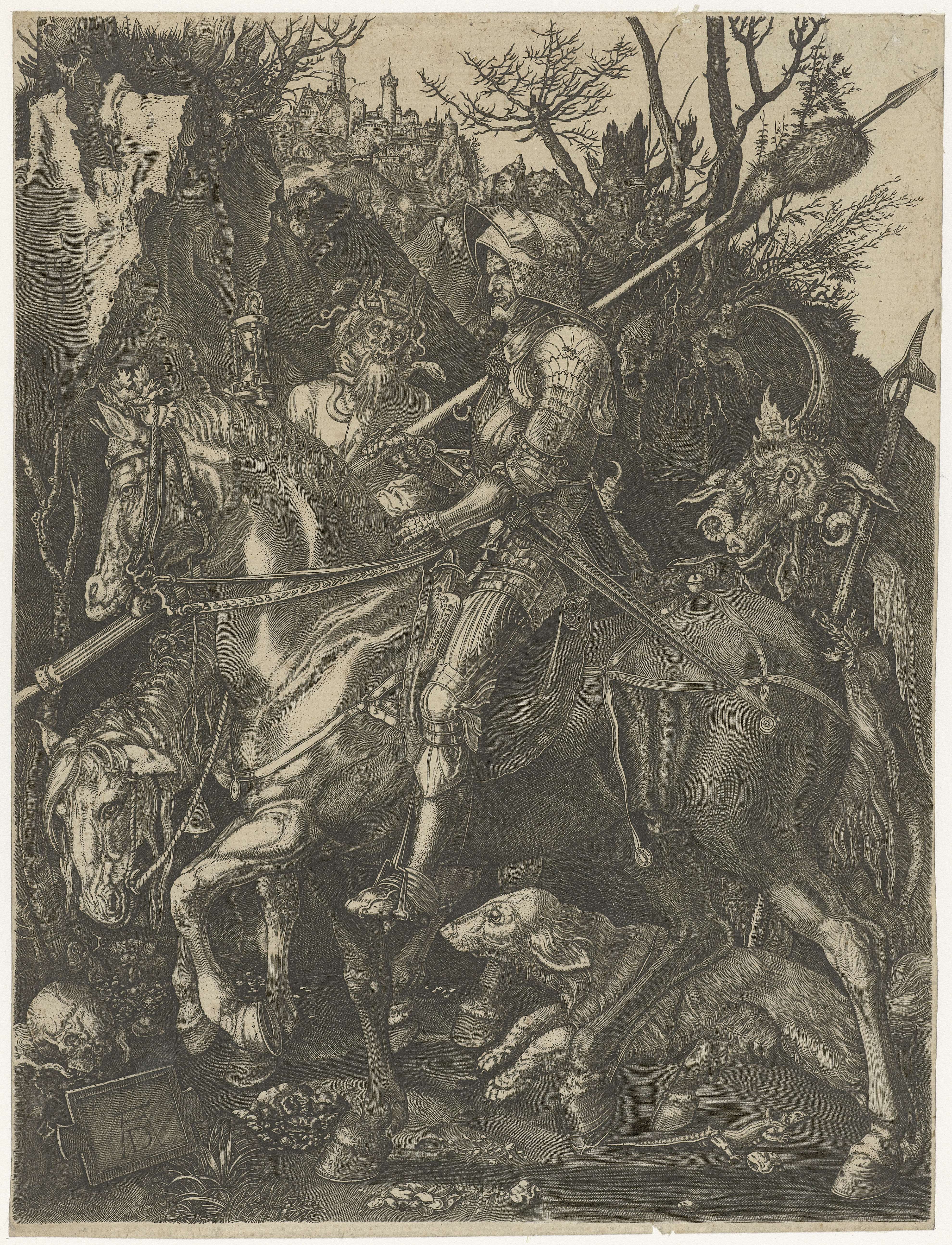
Ridder, Dood en Duivel
Unknown Artist
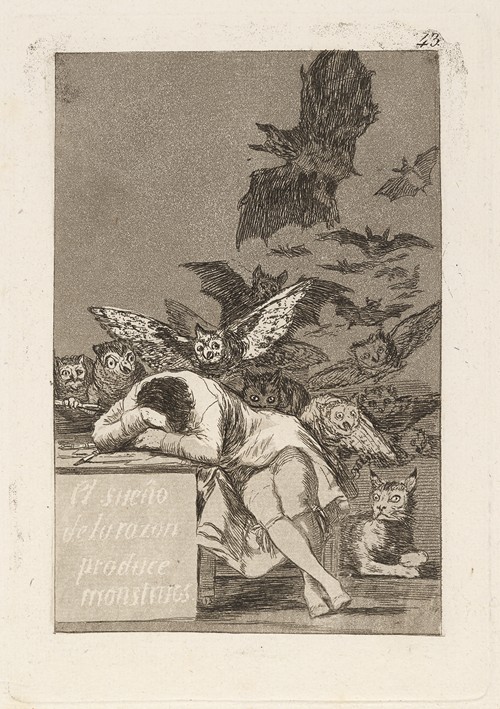
El sueño de la razon produce monstruos. (The sleep of reason produces monsters.)
Francisco de Goya
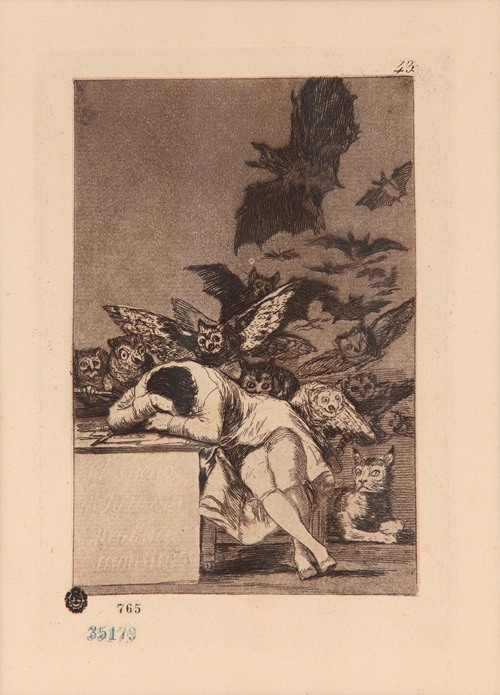
El sueño de la razon produce moustruos (Serie Caprichos)
Francisco de Goya
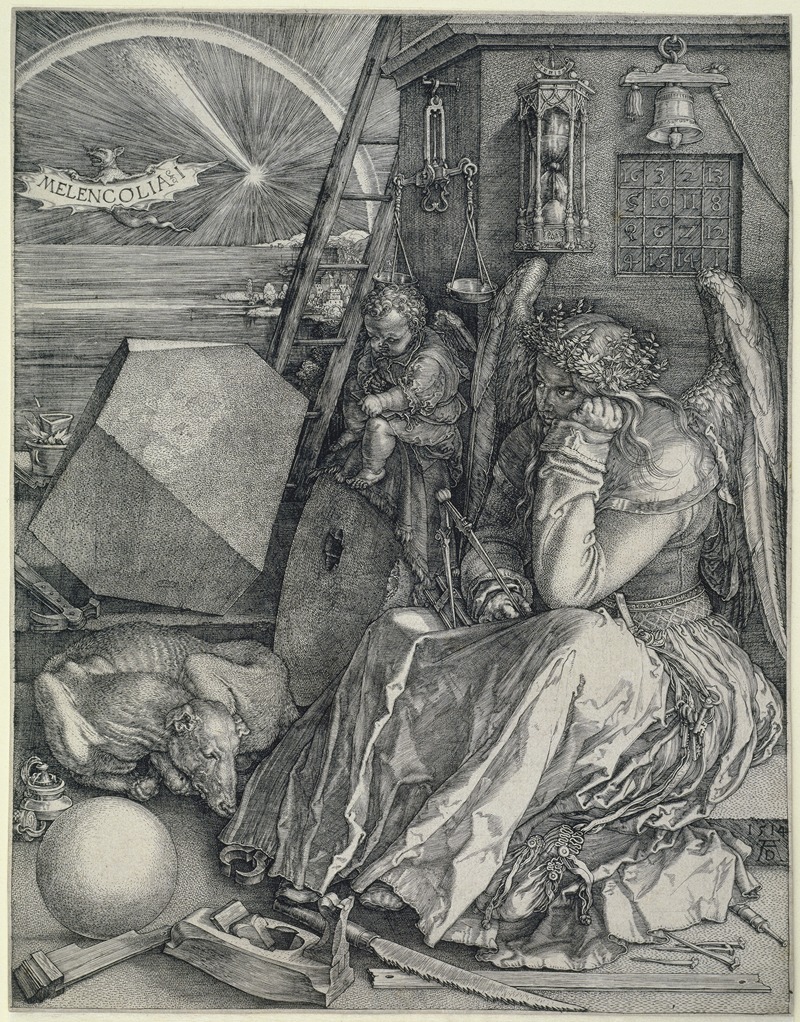
Melencolia I (The Melancholy)
Albrecht Dürer
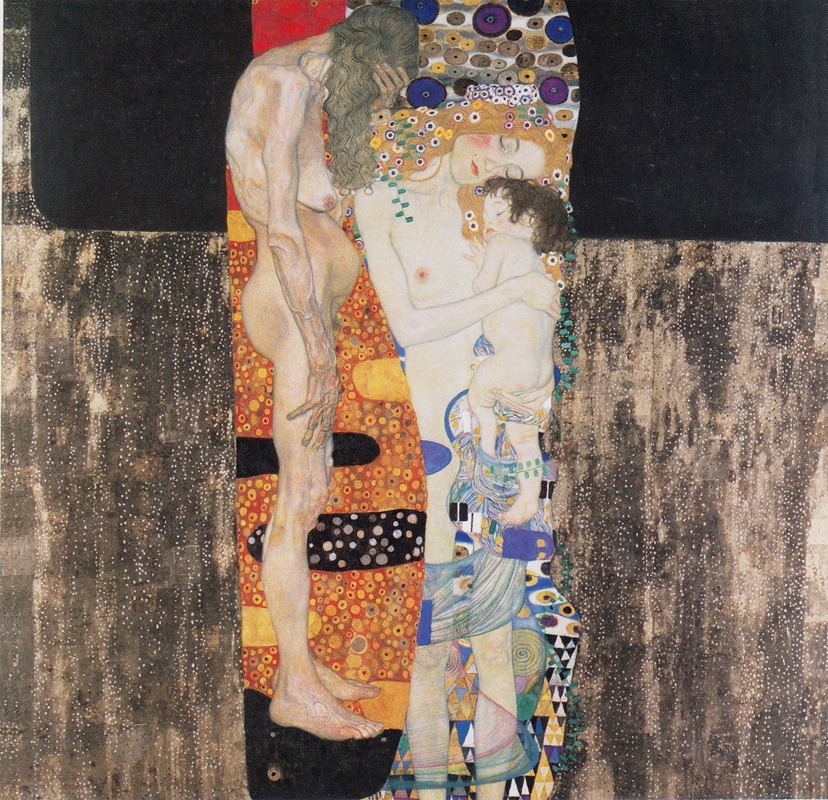
The Three Ages of the Woman
Gustav Klimt