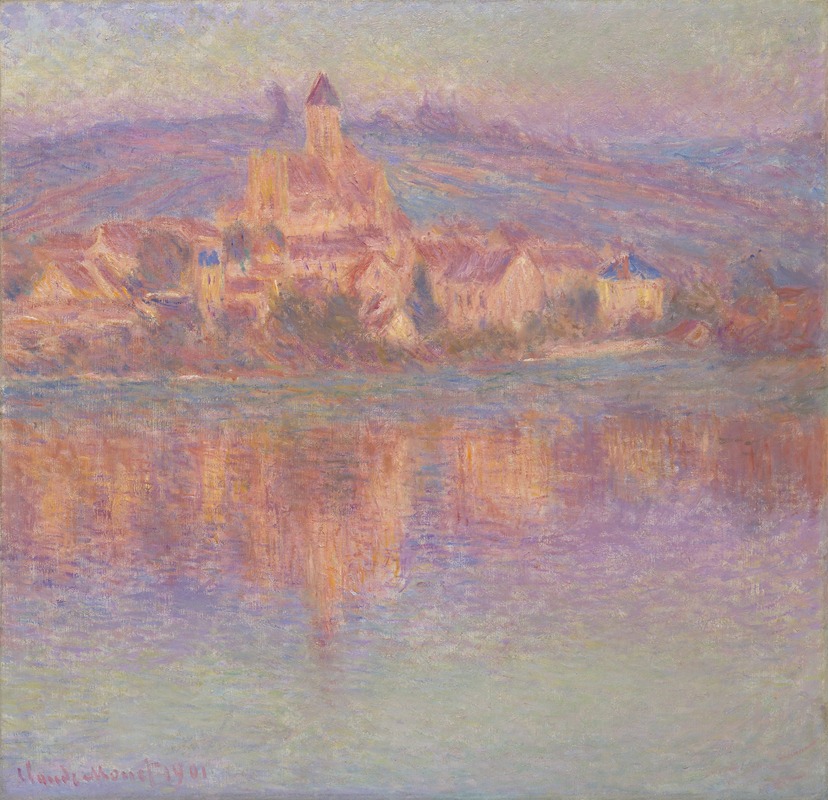
Discover insights about this artwork
The Harvest (for Émile Bernard) — History & Facts
In The Harvest (for Émile Bernard), Vincent van Gogh captures a vibrant rural landscape filled with golden fields of wheat. The painting is dominated by warm yellows and earthy browns, creating a sense of abundance. Figures can be seen working in the fields, emphasizing the theme of labor and harvest.
The sky is a brilliant blue, contrasting beautifully with the golden tones of the wheat below. The painting is executed in oil on canvas, a medium that allows van Gogh to use thick brushstrokes and vibrant colors. The texture is palpable, with visible brushwork that adds depth and movement to the scene. The composition is dynamic, leading the viewer's eye through the fields and towards the horizon.
This technique is characteristic of van Gogh's Post-Impressionist style, focusing on emotional expression. Vincent van Gogh painted this work in 1888 during his time in Arles, France, where he sought to capture the beauty of rural life. It was created as a tribute to his friend, Émile Bernard, reflecting their shared appreciation for the countryside. Interestingly, van Gogh often painted harvest scenes, as they represented both the beauty of nature and the hard work of farmers.
This painting exemplifies his commitment to portraying the vibrancy of life in the fields.
More Artworks by Vincent van Gogh
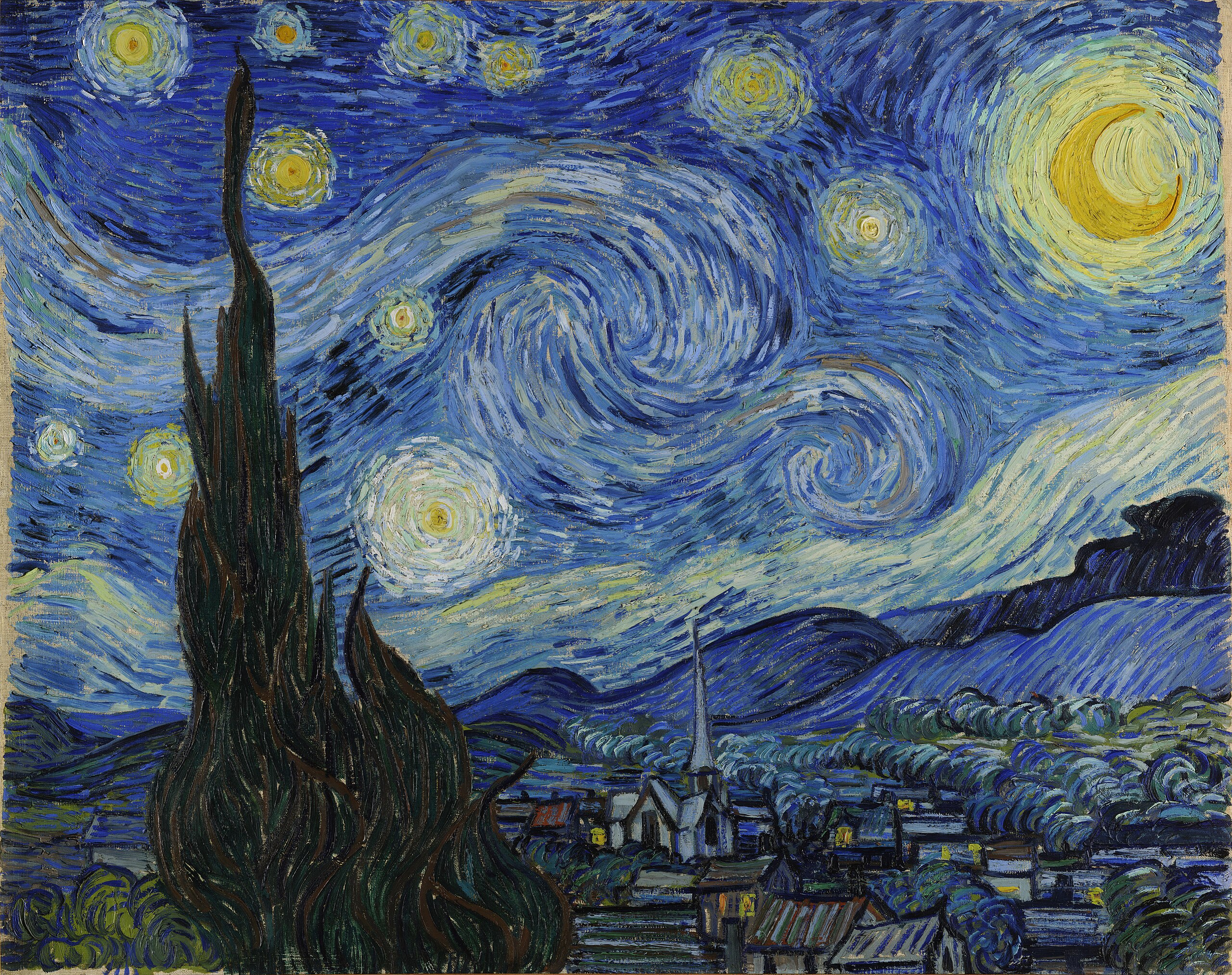
Starry Night
Vincent van Gogh
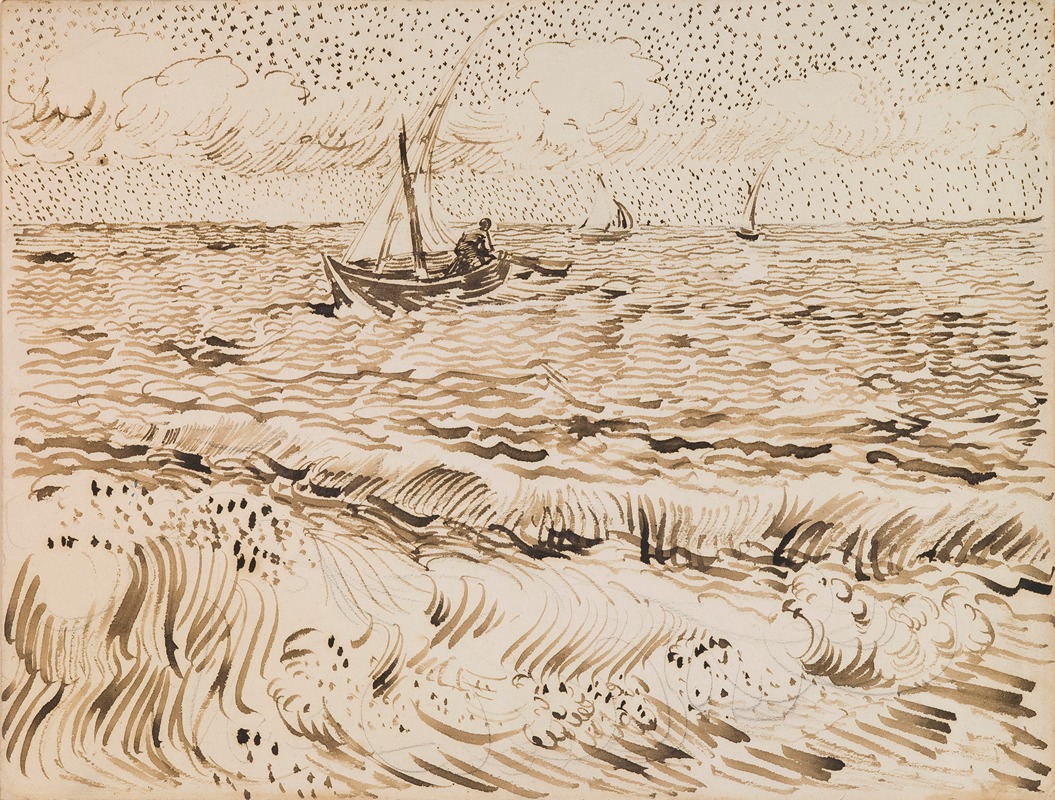
Fishing Boats at Saintes-Maries-de-la-Mer
Vincent van Gogh
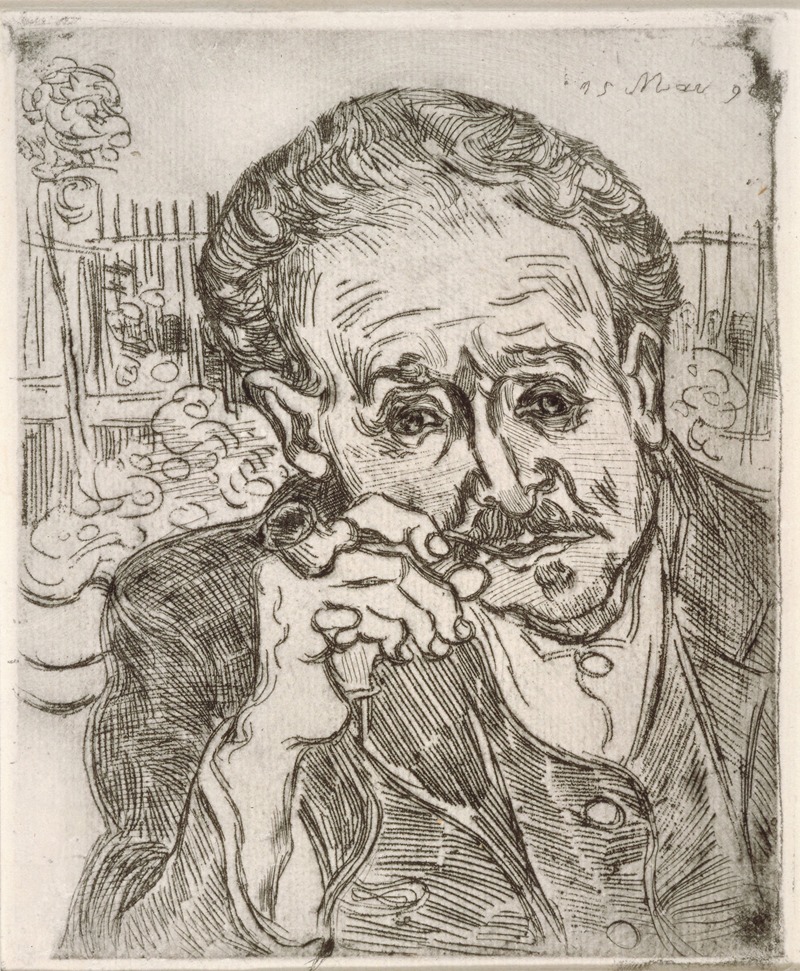
Portrait of Dr. Gachet (Auvers-sur-Oise)
Vincent van Gogh
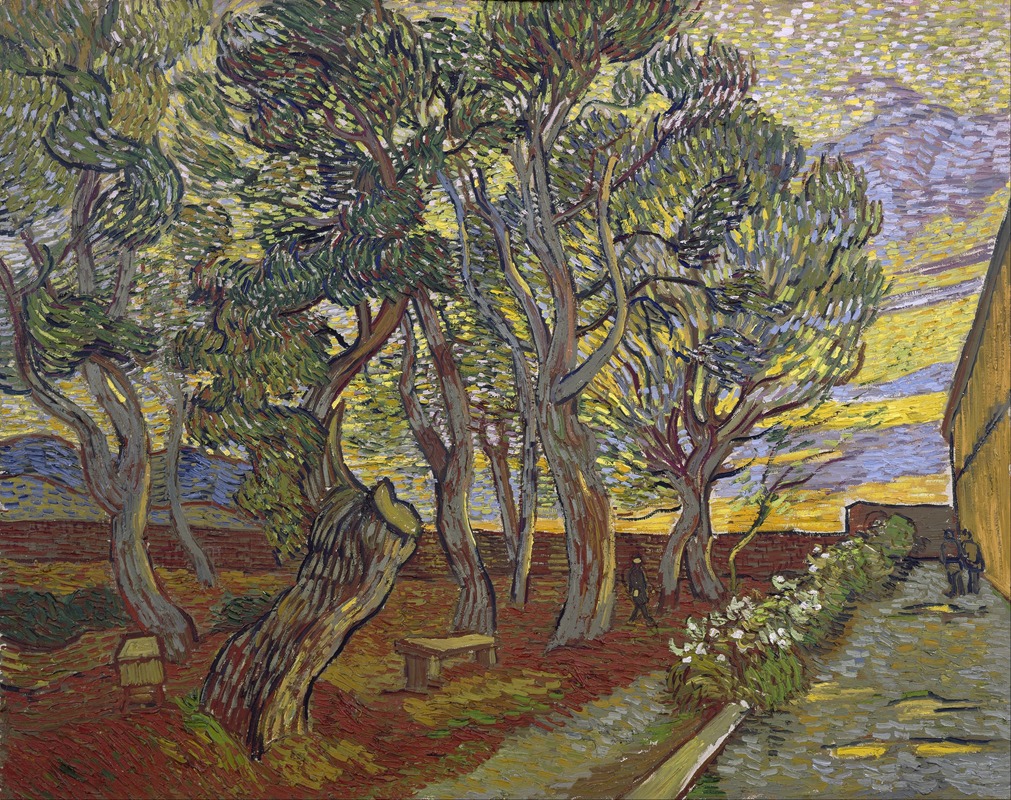
The garden of Saint Paul’s Hospital
Vincent van Gogh
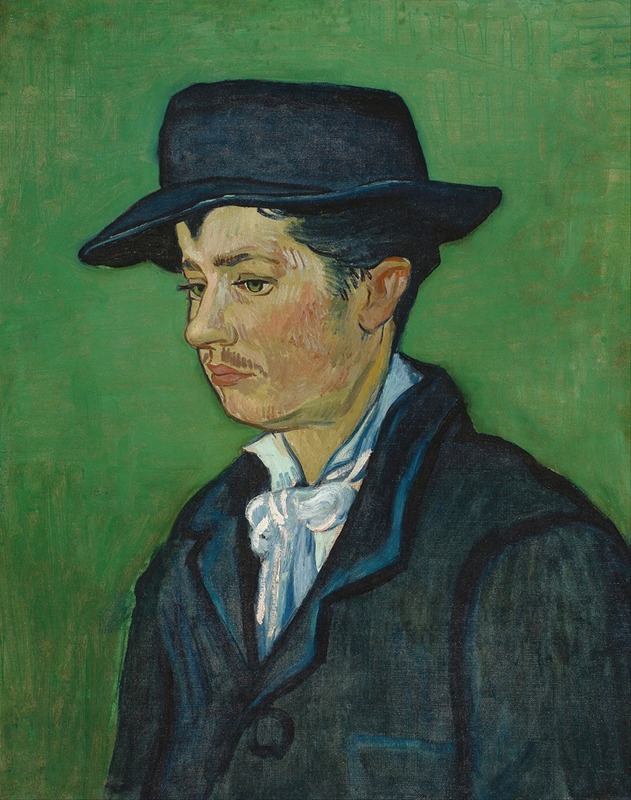
Portrait Of Armand Roulin
Vincent van Gogh
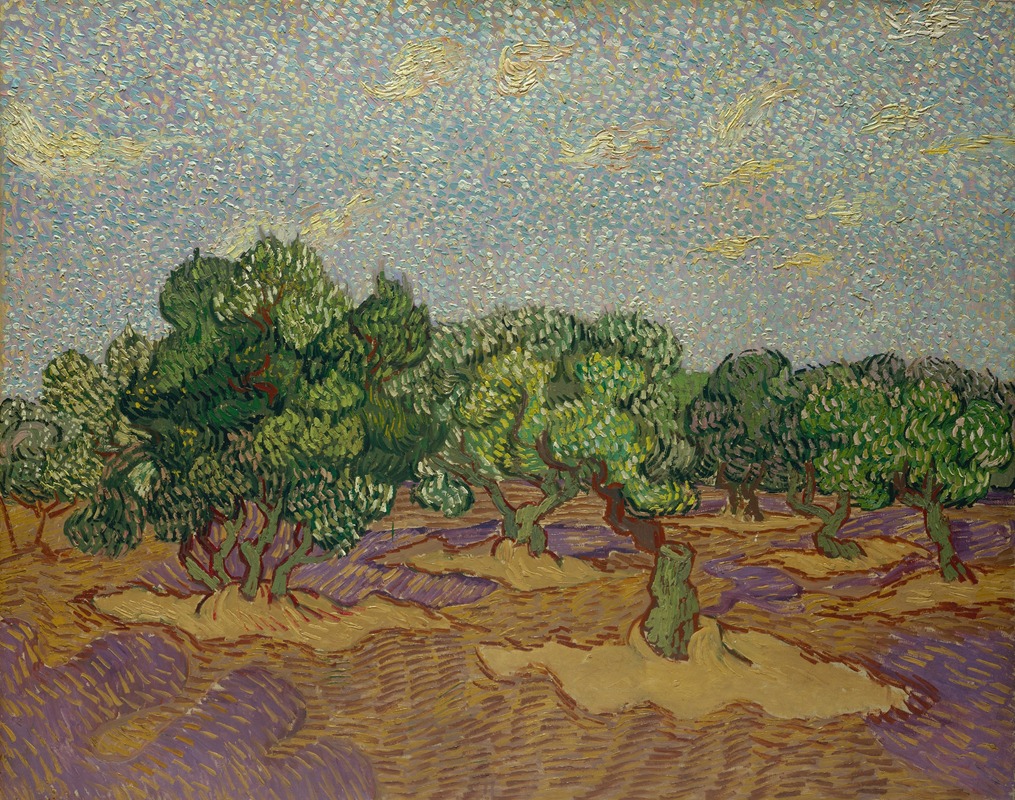
Olive Trees
Vincent van Gogh
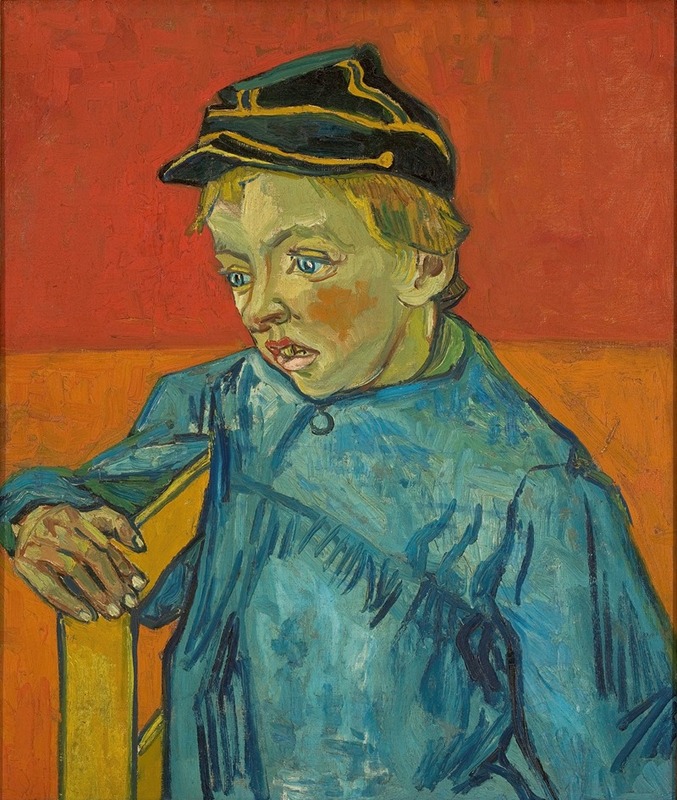
The Schoolboy (Camille Roulin)
Vincent van Gogh
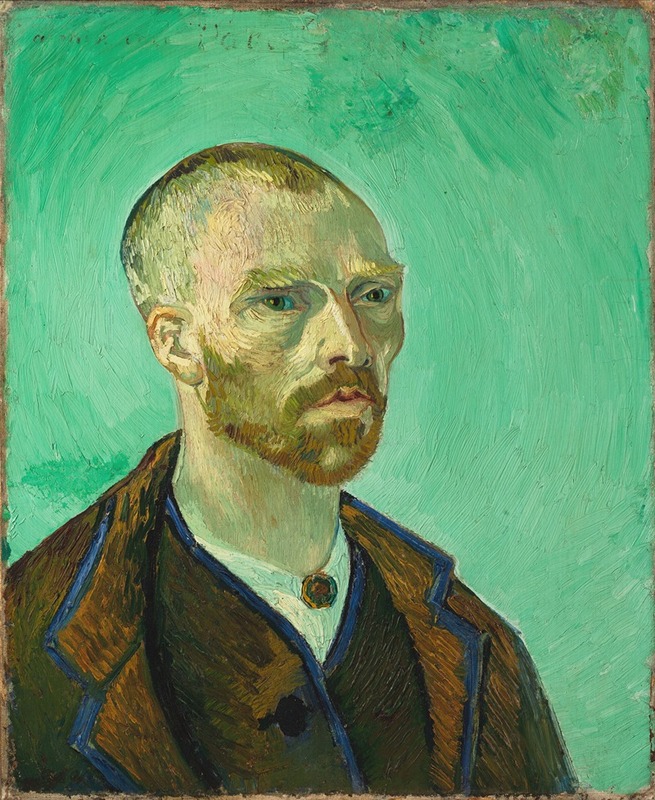
Self Portrait (dedicated to Paul Gauguin)
Vincent van Gogh
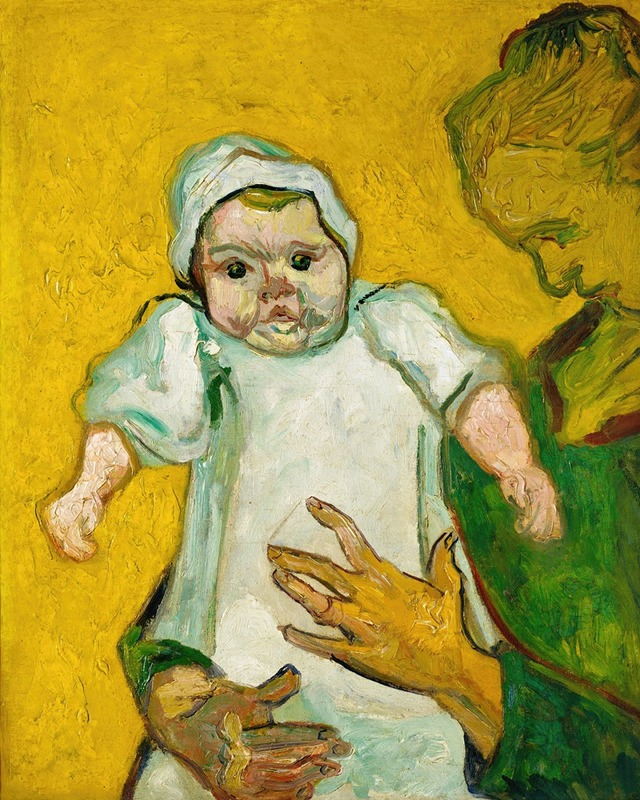
Madame Roulin and Her Baby
Vincent van Gogh
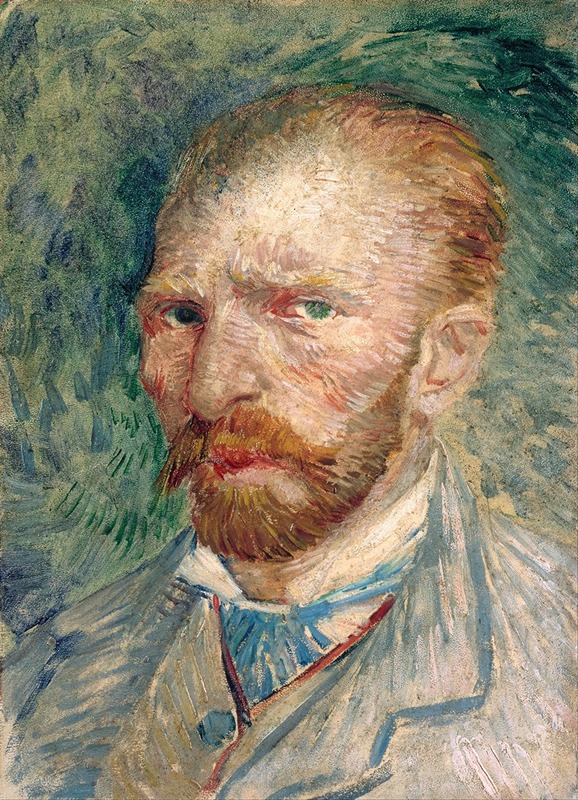
Self-Portrait
Vincent van Gogh