
The image seen by Nebuchadnezzar — History & Facts
In the quietude of exalted presence, the divine and the earthly collide, revealing the fragility of power and belief. Look to the left at the commanding yet sorrowful figure of Nebuchadnezzar, his expression a tumult of confusion and dread. The masterful play of chiaroscuro envelops him, with dark shadows framing his royal garments, while a soft but potent light illuminates his face, capturing the moment of revelation. Notice how the vibrant reds and golds of his attire contrast sharply with the muted palette that surrounds him, signifying the weight of his regal burden clashing with an overwhelming sense of vulnerability. The small details speak volumes: the anguished faces of onlookers, a tapestry of emotions swirling beneath the surface, encapsulating a profound dread of the unknown.
The way Nebuchadnezzar clutches his head, as if grappling with divine revelation, hints at the intersection of personal and cosmic turmoil. Each figure in the background, shrouded yet vigilant, embodies the tension between faith and doubt, a balance that echoes throughout history, inviting contemplation of our own divine encounters. In 1655, Rembrandt was navigating personal and professional turmoil, including financial struggles and the death of his beloved son. This tumultuous period fostered a deep introspection evident in his work, mirroring the existential questions of faith and divinity that occupied the artistic discourse of his time.
The painting resonates as a reflection of the human condition, a reminder that even kings are not immune to the vulnerabilities of existence.
More Artworks by Rembrandt van Rijn
Browse all →
The Night Watch Militia Company of District II under the Command of Captain Frans Banninck Cocq
Rembrandt van Rijn

The Return of the Prodigal Son
Rembrandt van Rijn

The Hundred Guilder Print: the figures leaning on the wall in the centre left
Rembrandt van Rijn

The Hundred Guilder Print: the central piece with Christ preaching, the plate arched
Rembrandt van Rijn

Isaac and Rebecca, Known as ‘The Jewish Bride’
Rembrandt van Rijn
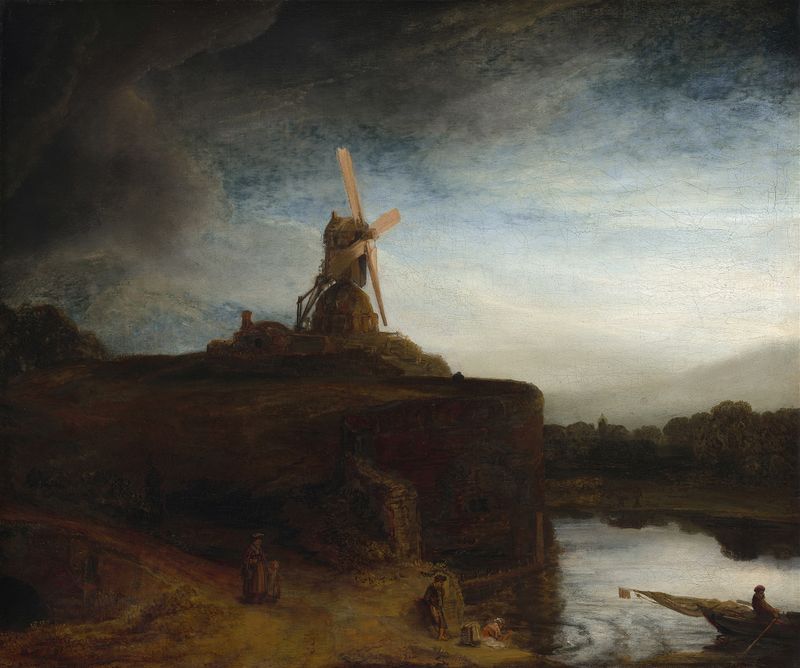
The Mill
Rembrandt van Rijn

The Sampling Officials of the Amsterdam Drapers’ Guild, Known as ‘The Syndics’
Rembrandt van Rijn

The return of the prodigal son
Rembrandt van Rijn
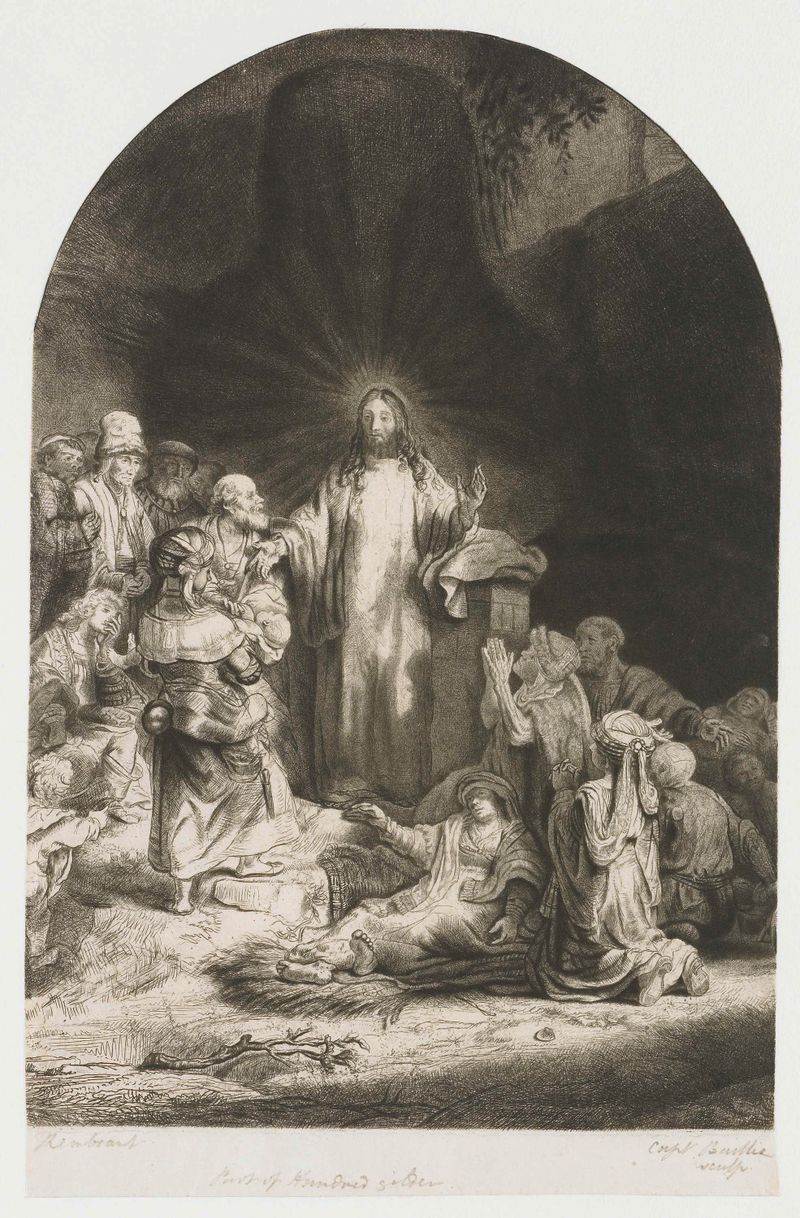
The Hundred Guilder Print: the central piece with Christ preaching, the plate arched
Rembrandt van Rijn

The Hundred Guilder Print: the man seen on the back in the lower left corner
Rembrandt van Rijn
More Religious Art
Browse all →The Return of the Prodigal Son
Rembrandt van Rijn

The Garden of Earthly Delights
El Bosco

Count Orgaz’ funeral
El Greco
The Hundred Guilder Print: the central piece with Christ preaching, the plate arched
Rembrandt van Rijn

The Descent from the Cross
Rogier van der Weyden
The return of the prodigal son
Rembrandt van Rijn