
The image seen by Nebuchadnezzar — History & Facts
Could a single brushstroke hold eternity? In The image seen by Nebuchadnezzar, beauty intertwines with the divine, leading the viewer to ponder the weight of visions and the stories they carry. Look to the left where the figure of Nebuchadnezzar looms large, his expression a mix of awe and horror. The interplay of light and shadow highlights the rich textures of his regal garments, rendered in deep reds and golds that evoke both power and vulnerability. As your eyes travel across the canvas, notice the ethereal glow surrounding the dream imagery, a stark contrast to the earthly realm of the king.
The careful brushwork captures each detail, drawing you into the tumult of the moment. Delve deeper into the fleeting expressions of the bystanders — their faces reflect concern, curiosity, and fear about the implications of the king's dream. The juxtaposition of Nebuchadnezzar's grandeur against the ethereal visions hints at the fragility of power and the burden of prophetic dreams. The swirling, almost chaotic nature of the dream imagery suggests a deeper exploration of fate, intertwining sacred beauty with the anxiety of foreknowledge. In 1655, during a period of personal struggle and decline, the artist created this profound piece in Amsterdam, a city teeming with artistic innovation.
The Baroque movement was flourishing, and Rembrandt continued to innovate, capturing human emotion in a way that few other artists could. This work stands as a testament to his ability to merge the spiritual and the corporeal, reflecting both his own battles and the larger cultural shifts of the time.
More Artworks by Rembrandt van Rijn
Browse all →
The Night Watch Militia Company of District II under the Command of Captain Frans Banninck Cocq
Rembrandt van Rijn

The Return of the Prodigal Son
Rembrandt van Rijn

The Hundred Guilder Print: the figures leaning on the wall in the centre left
Rembrandt van Rijn

The Hundred Guilder Print: the central piece with Christ preaching, the plate arched
Rembrandt van Rijn

Isaac and Rebecca, Known as ‘The Jewish Bride’
Rembrandt van Rijn
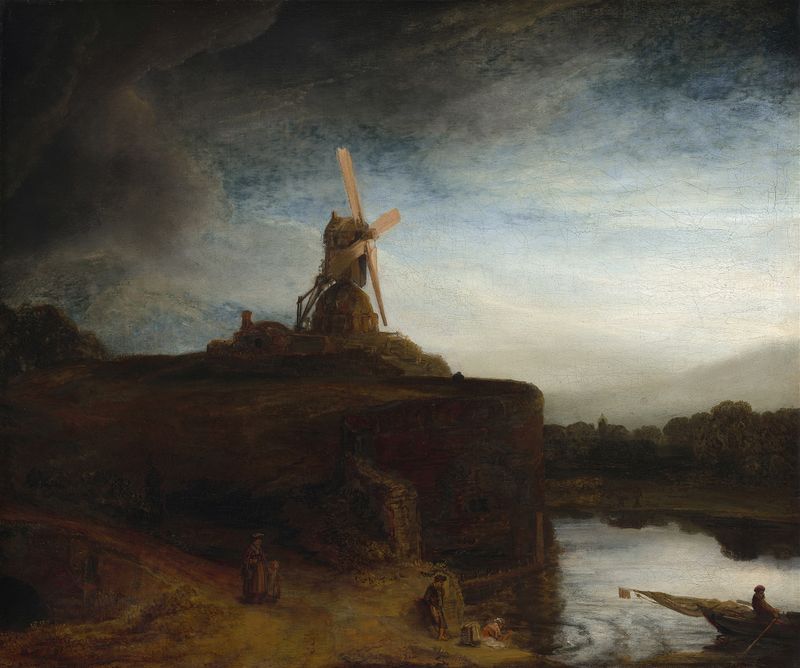
The Mill
Rembrandt van Rijn

The Sampling Officials of the Amsterdam Drapers’ Guild, Known as ‘The Syndics’
Rembrandt van Rijn

The return of the prodigal son
Rembrandt van Rijn
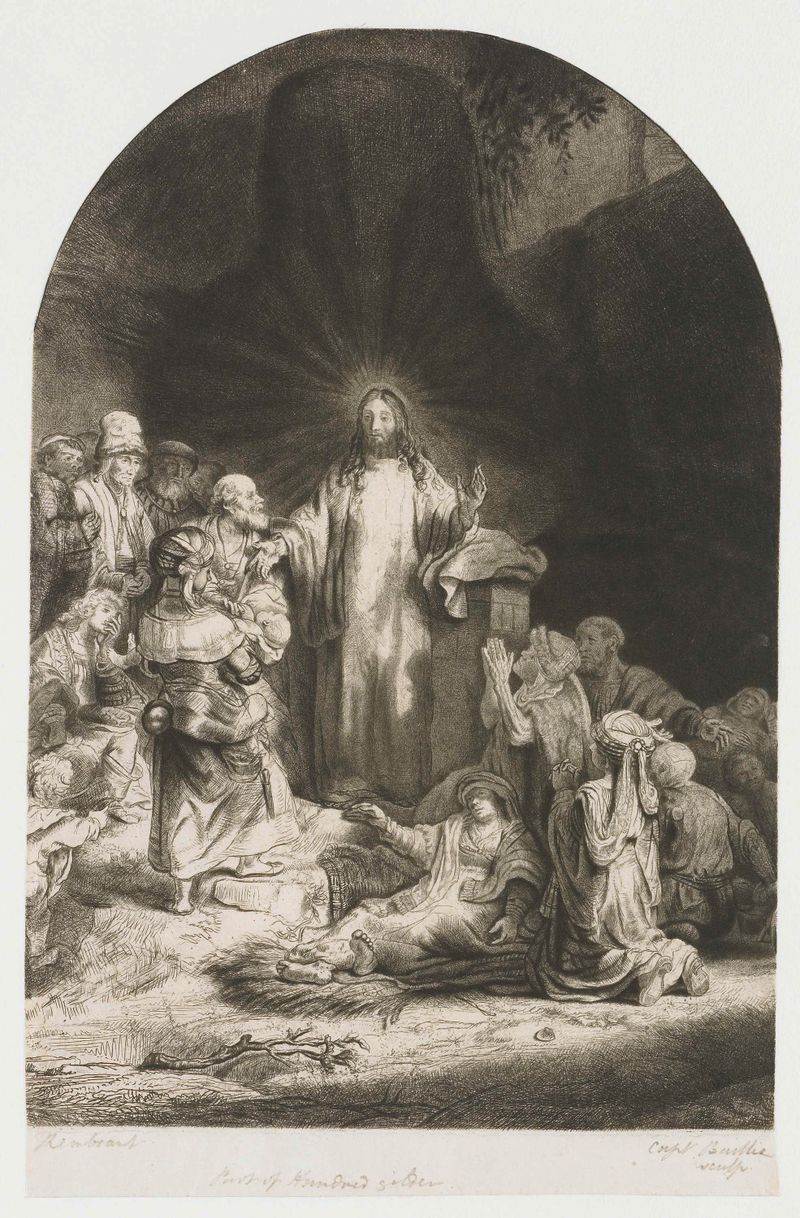
The Hundred Guilder Print: the central piece with Christ preaching, the plate arched
Rembrandt van Rijn

The Hundred Guilder Print: the man seen on the back in the lower left corner
Rembrandt van Rijn
More Religious Art
Browse all →The Return of the Prodigal Son
Rembrandt van Rijn

The Garden of Earthly Delights
El Bosco

Count Orgaz’ funeral
El Greco
The Hundred Guilder Print: the central piece with Christ preaching, the plate arched
Rembrandt van Rijn

The Descent from the Cross
Rogier van der Weyden
The return of the prodigal son
Rembrandt van Rijn