The Inside of the Pantheon at Rome — History & Facts
The stillness of the Pantheon’s interior beckons contemplation, wrapping the viewer in an embrace of both majesty and the madness of existence. One can almost hear whispers of the past echoing against the ancient marble, each reflection hinting at secrets long buried beneath the weight of time. Focus your gaze on the magnificent oculus at the dome's apex, where light spills in like a divine blessing. Notice how it illuminates the rich textures of the stone and the vibrant colors of the frescoes below, casting a warm glow that contrasts sharply with the cool shadows lurking in the corners.
The circular form of the Pantheon draws the eye inward, creating a mesmerizing vortex from the grandeur of the coffered ceiling to the solemnity of the altar space. There lies an emotional tension between chaos and serenity, as the grandeur of the structure seems to invite both reverence and existential unease. The interplay of light and shadow serves as a metaphor for the human condition—moments of clarity interspersed with obscurity. Each detail, from the tiling to the columns, whispers stories of countless souls that have sought solace or madness within these walls. Thomas Bowles III created this captivating view of the Pantheon during a period when neoclassical architecture was experiencing a renaissance, echoing the ideals of Ancient Rome.
Although the exact date is unknown, the artist’s work reflects a deep engagement with the classical world at a time when European artists were grappling with the complexities of modernity and the allure of history. This piece stands as a testament to both the beauty and the haunting echoes of a bygone era.
More Artworks by Thomas Bowles III
Browse all →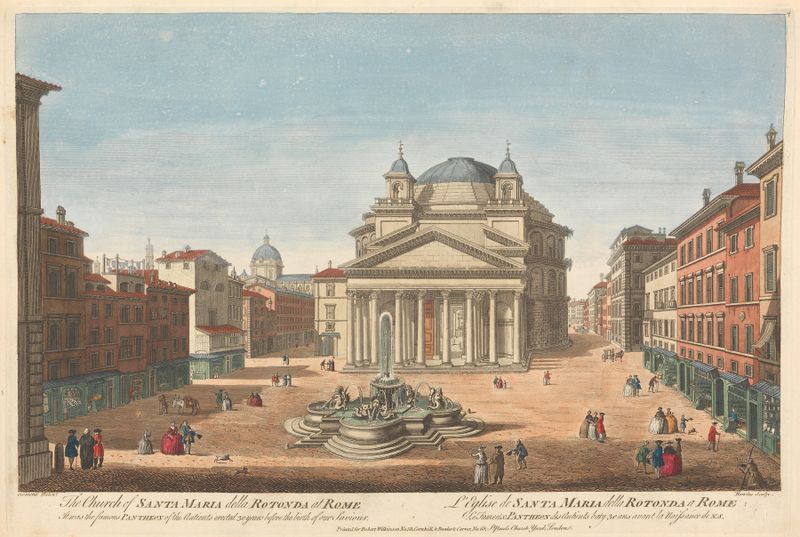
The Church of Santa Maria della Rotonda at Rome; It was the famous Pantheon of the Antients erected 30 years before the birth of our Saviour
Thomas Bowles III

The South West Prospect of London, from Somerset Gardens to the Tower
Thomas Bowles III
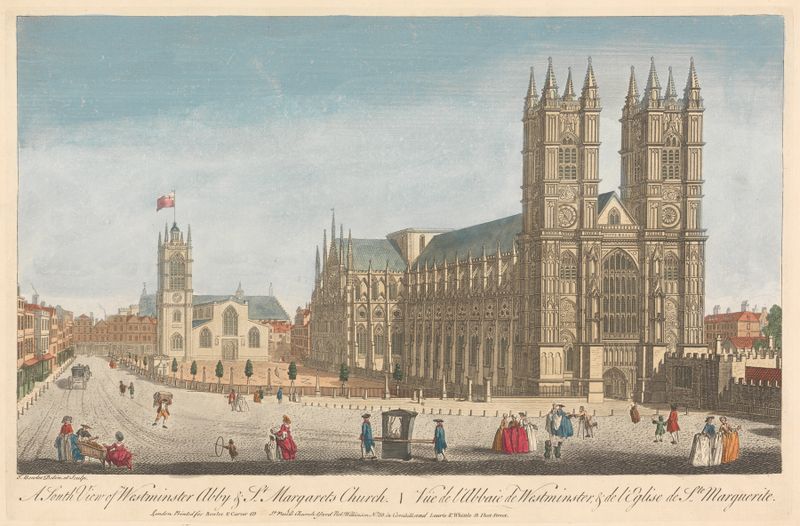
A South View of Westminster Abby & St. Margarets Church
Thomas Bowles III
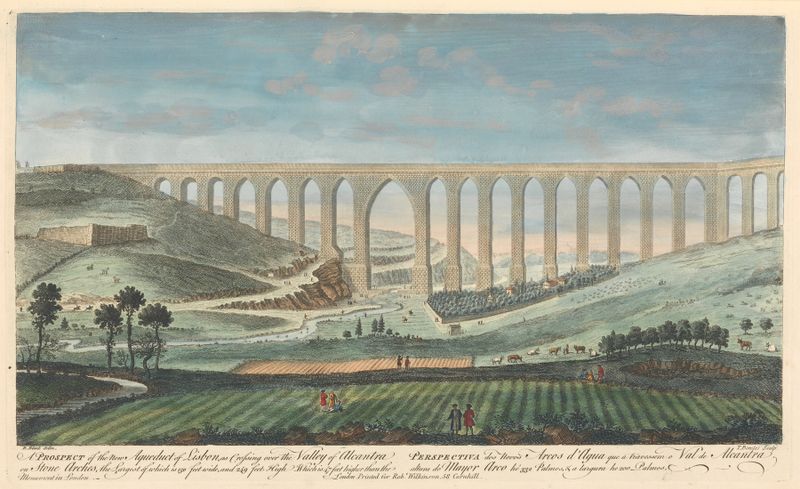
A Prospect of the New Aqueduct of Lisbon
Thomas Bowles III
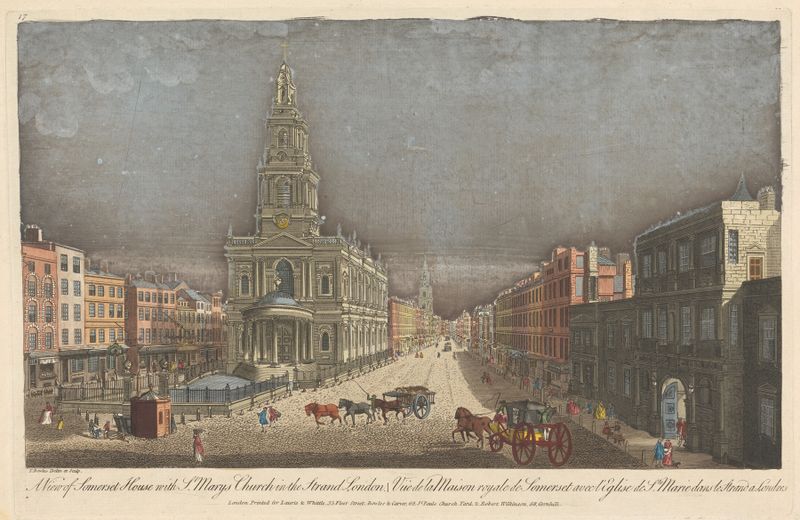
A View of Somerset House with St. Mary’s Church in the Strand London
Thomas Bowles III
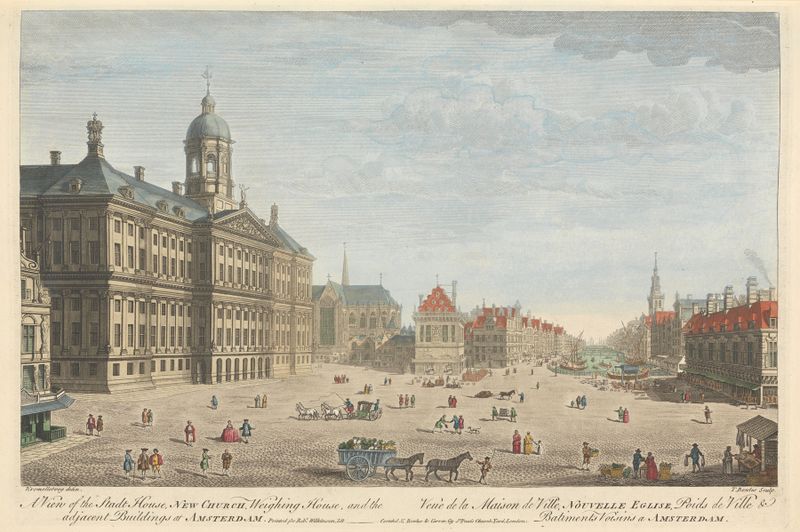
A View of the Stadt House, New Church, Weighing House, and the adjacent Buildings at Amsterdam
Thomas Bowles III
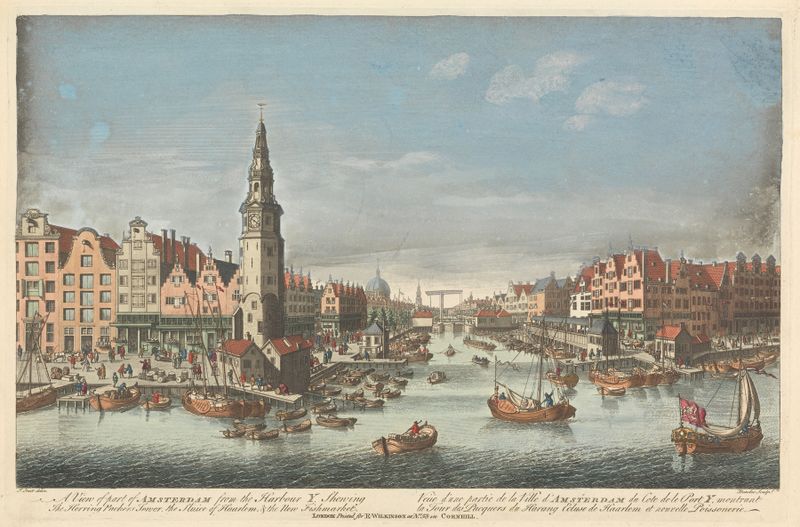
A View of part of Amsterdam from the Harbour Y, Shewing the Herring Packers Tower, the Sluice of Haarlem, & the New Fishmarket
Thomas Bowles III
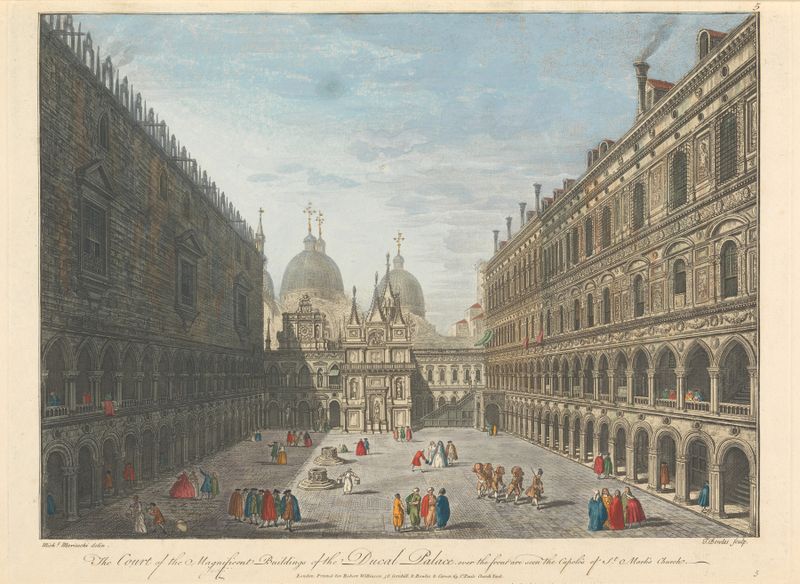
The Court of the Magnificent Building of the Ducal Palace over the front are seen the Cupolo’s of St. Mark’s Church.
Thomas Bowles III
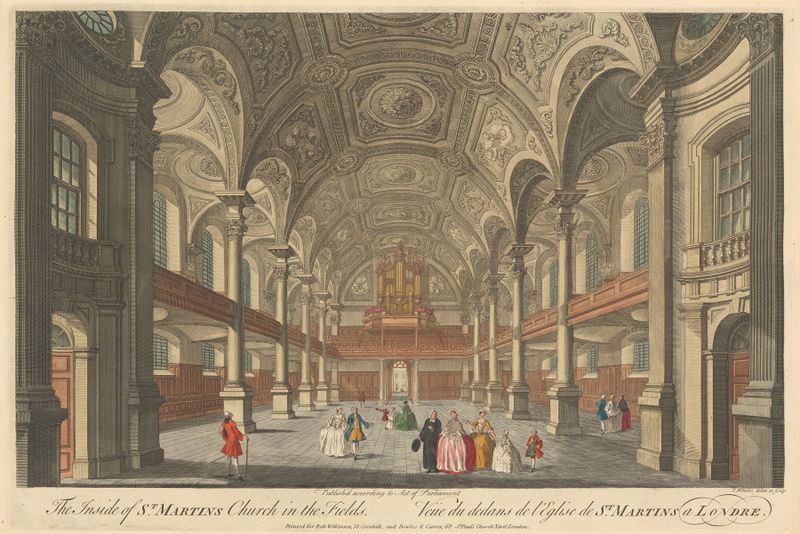
The Inside of St. Martin’s Church in the Fields
Thomas Bowles III
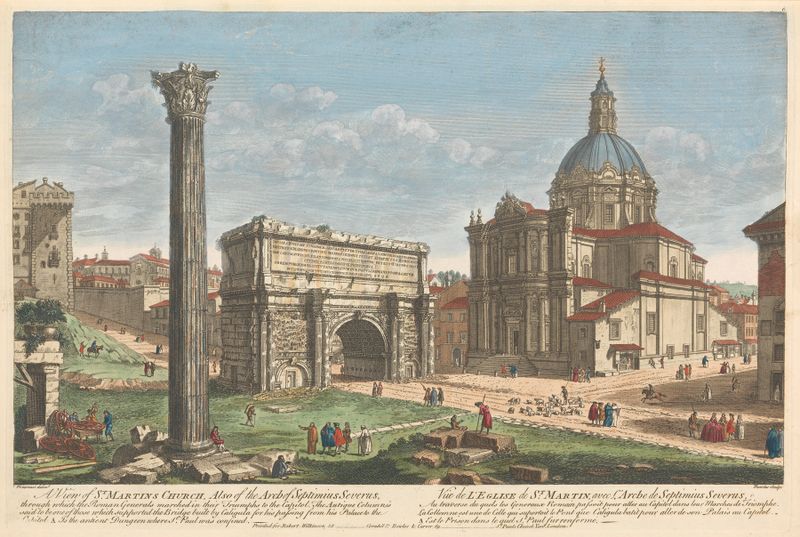
A View of St. Martin’s Church, Also of the Arch of Septimius Severus, through which the Roman Generals marched in their Triumphs to the Capitol.
Thomas Bowles III