
The Lake of Zurich — History & Facts
In the stillness of the scene, visitors find sanctuary in the mirrored surface, where the essence of life and nature intertwines effortlessly. The tranquil waters cradle secrets beneath their calm facade, reflecting more than just the sky but every unspoken thought that lingers in the air. Focus on the soft browns and greens that dominate the canvas, the gentle brushstrokes suggesting a harmonious balance between land and water. Notice how the light dances across the surface, casting a shimmer that leads the eye towards the distant hills.
The composition invites exploration, guiding viewers from the foreground’s lush foliage to the serene backdrop, creating a visual journey that captivates with each glance. Within this seemingly peaceful tableau lies a profound stillness that evokes a sense of introspection. The contrasts between the vibrant flora and the muted tones of the lake mirror the duality of existence—beauty and tranquility are tinged with the weight of solitude. Each ripple and reflection beckons contemplation, as the viewer grapples with the passage of time and the transient nature of beauty itself. In the mid-17th century, Hackaert was creating works that reflected the serene landscapes of the Dutch Golden Age.
It was a time of artistic flourishing and exploration of nature's beauty, as well as a period when the emerging middle class sought to capture the essence of their surroundings. Painted around 1660, The Lake of Zurich embodies this sentiment, merging realism with a poetic touch that speaks to the emotions stirred by nature’s quietude.
More Artworks by Jan Hackaert
Browse all →
Forest Landscape with Stag Hunt
Jan Hackaert
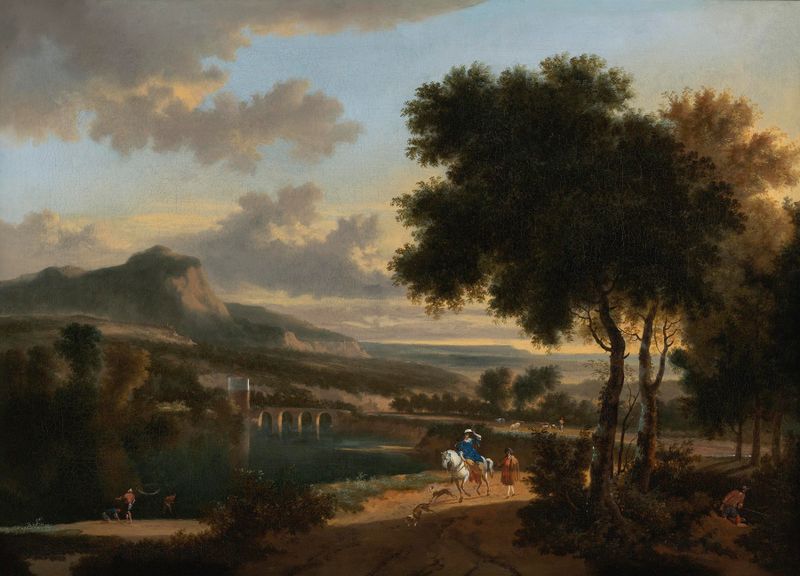
An Extensive Landscape With Travellers, Fishermen And Cattle Drovers On A Path With A Roman Bridge Beyond
Jan Hackaert
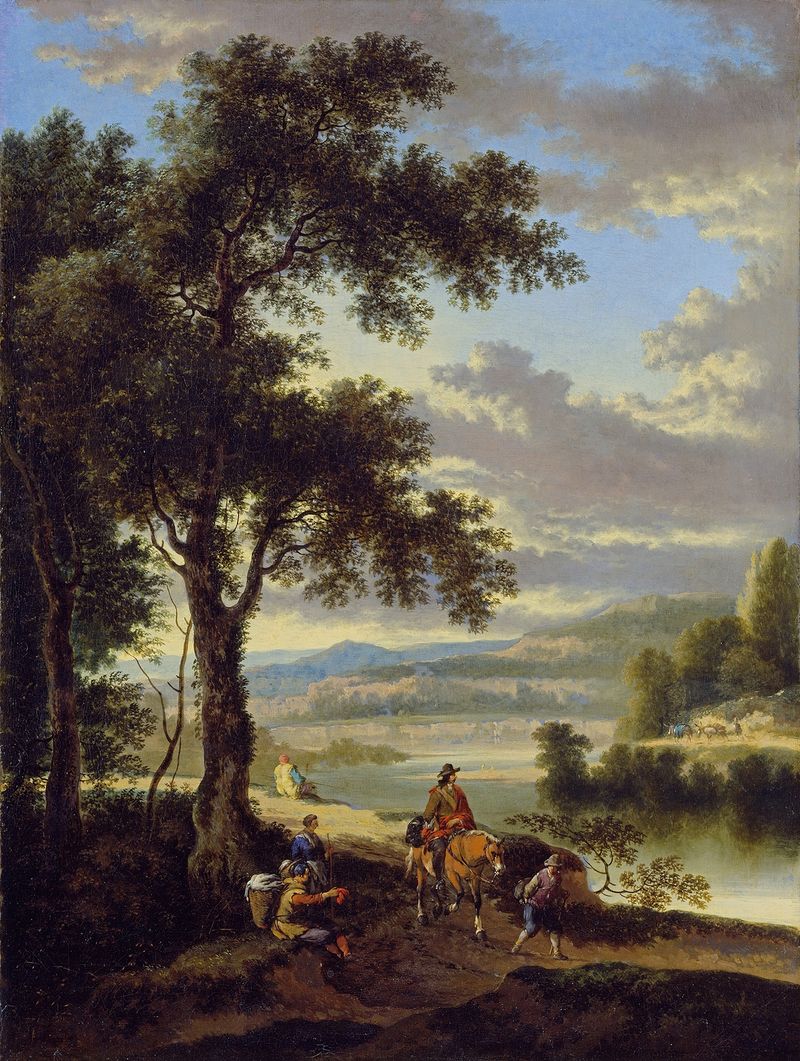
The Wooded Banks of a River
Jan Hackaert
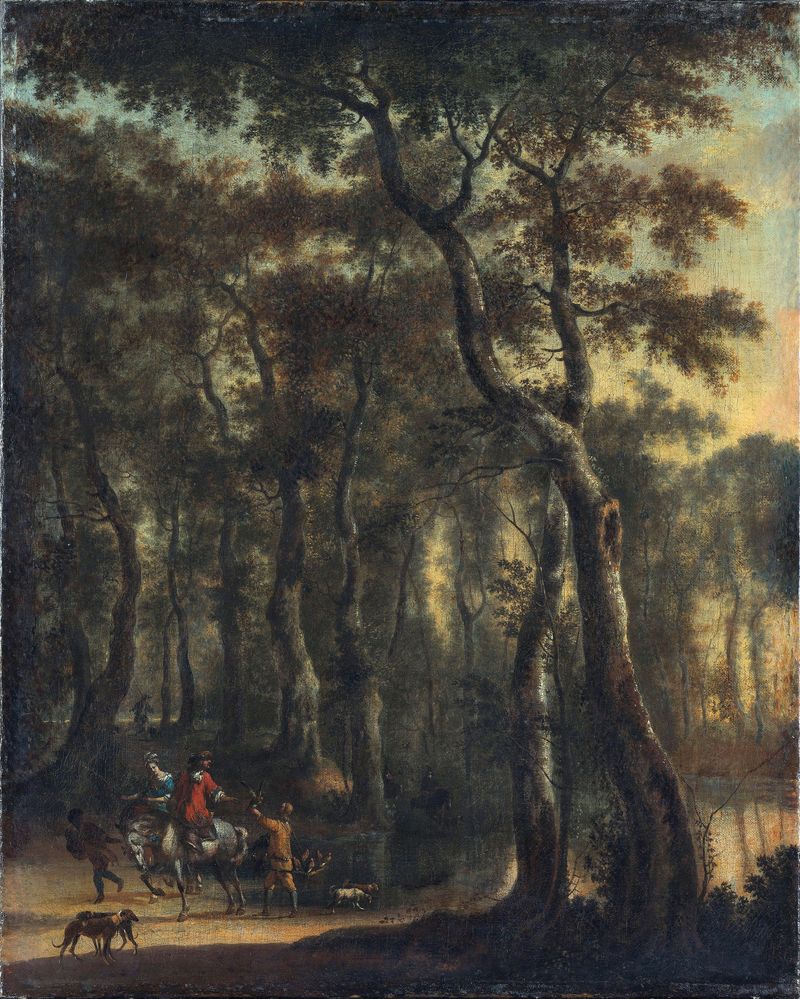
Hunters in the Woods
Jan Hackaert
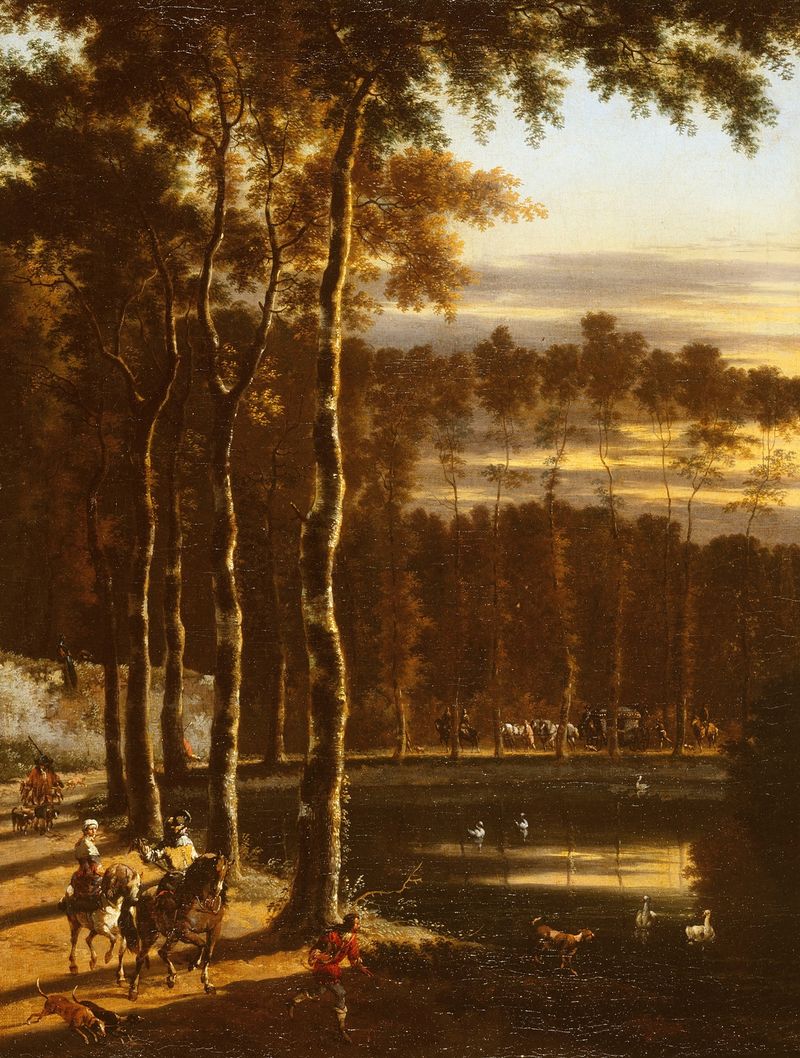
L’Allée aux frênes
Jan Hackaert
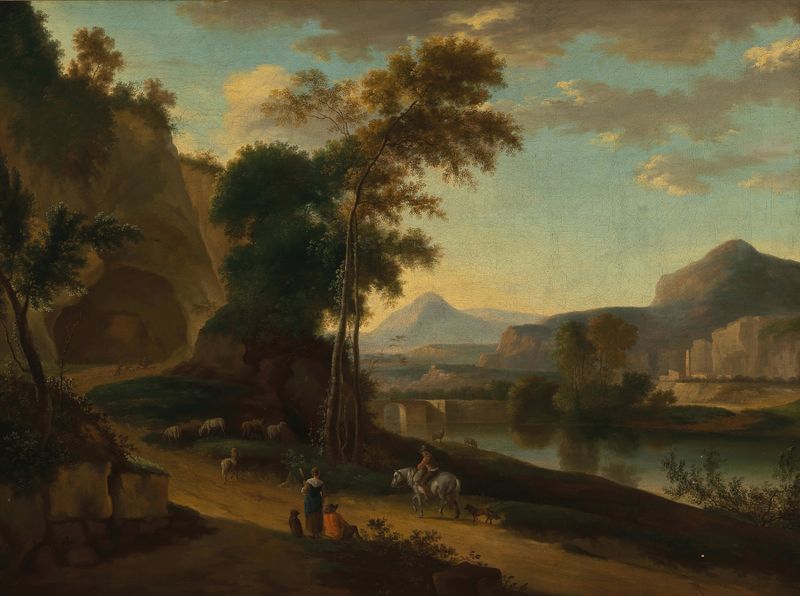
An extensive river landscape with travellers
Jan Hackaert
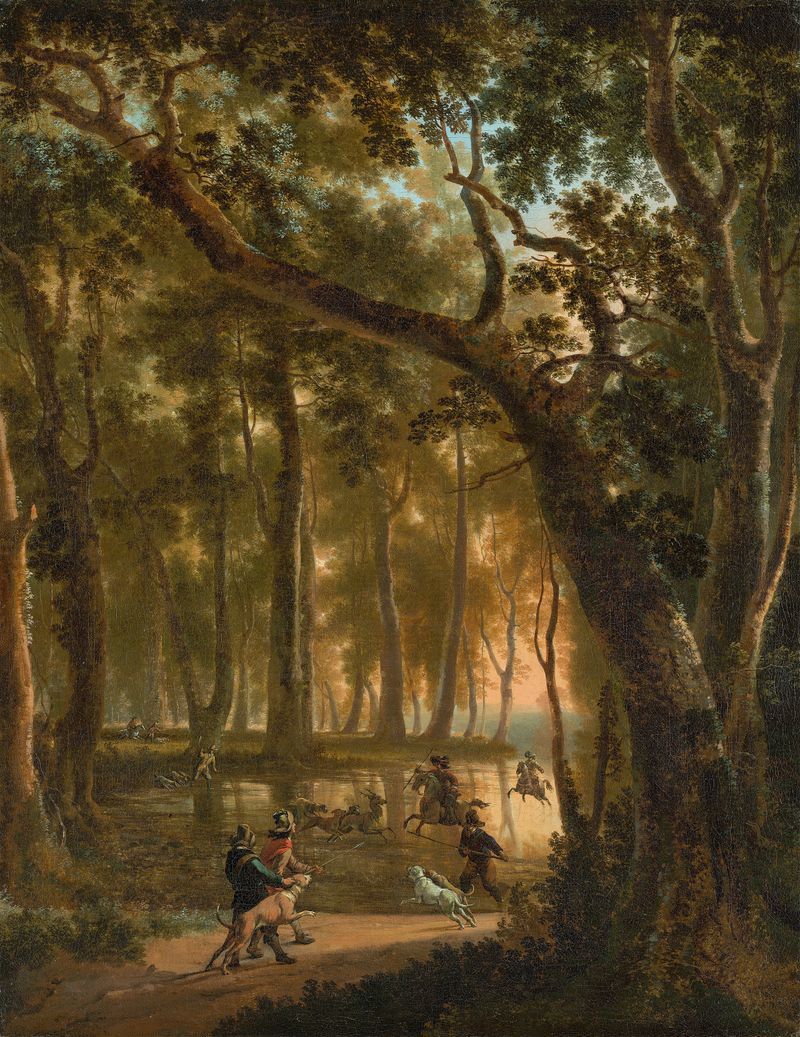
Deer Hunt in a Forest
Jan Hackaert
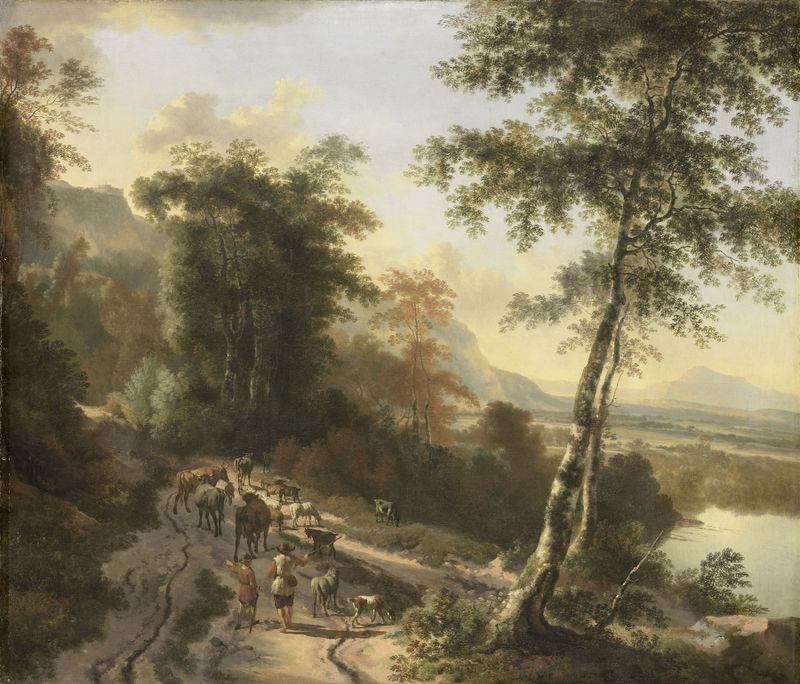
Landscape with Cattle Drivers
Jan Hackaert

Mountainous Landscape
Jan Hackaert
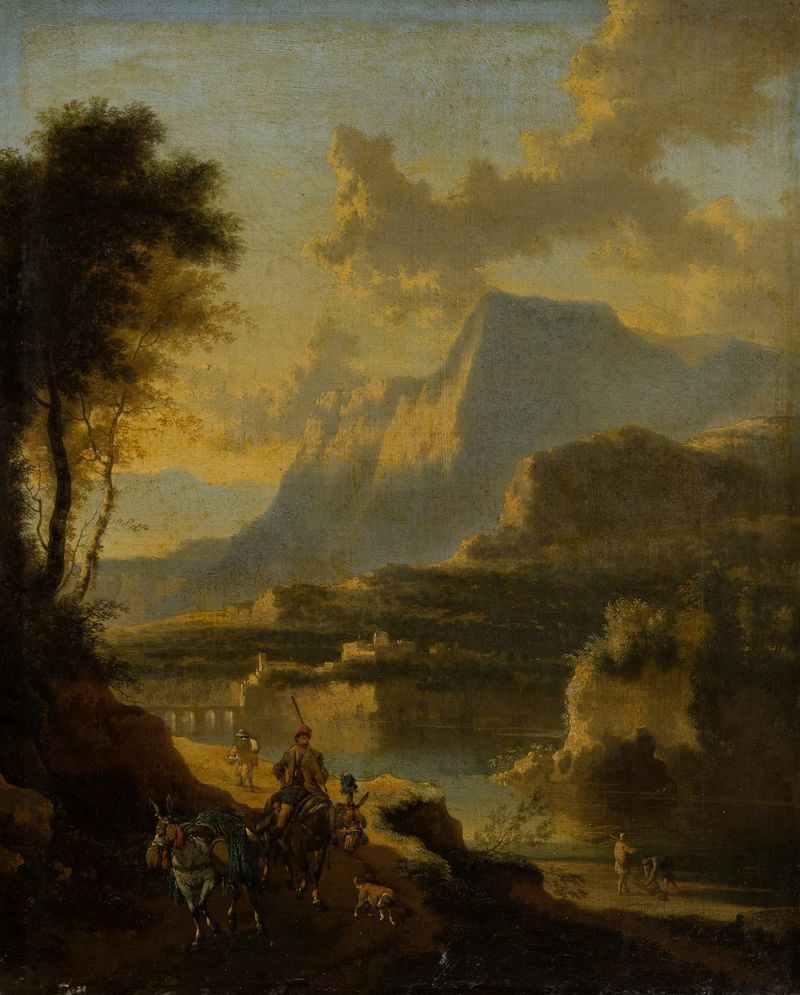
Mountainous Landscape with Rider at Sunset
Jan Hackaert





