
The Lamentation of Abel — History & Facts
In The Lamentation of Abel, Jacob Jordaens uses a rich palette of deep reds, browns, and golds to convey a somber mood. The figures are arranged in a dynamic composition, with Abel's lifeless body at the center, surrounded by mourners. The expressions of grief on their faces are palpable, highlighting the emotional weight of the scene.
The setting appears to be a natural landscape, adding to the tragic atmosphere of the painting. The painting is executed in oil on canvas, a common medium for Baroque artists, allowing for rich color and texture. Jordaens employs dramatic lighting to enhance the emotional intensity, with strong contrasts between light and shadow. The details in the clothing and expressions of the figures showcase Jordaens' skill in capturing human emotion.
The approximate dimensions of the work are 120 x 160 cm, making it a substantial piece. Jacob Jordaens was a prominent Flemish painter of the Baroque period, known for his vibrant colors and dynamic compositions. This work, created in the 1640s, reflects the artist's interest in biblical themes and human emotion. An interesting fact about this painting is that it was likely inspired by the biblical story of Cain and Abel, emphasizing themes of loss and mourning.
Jordaens' ability to convey deep emotional narratives through his art has made him a significant figure in the history of Baroque painting.
More Artworks by Jacob Jordaens

The Temptation of the Magdalene
Jacob Jordaens
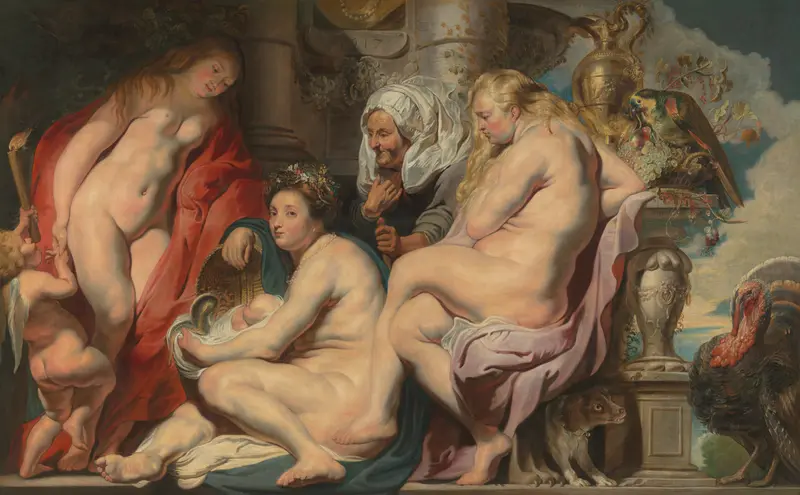
The Daughters of Cecrops Finding the Child Erichthonius
Jacob Jordaens
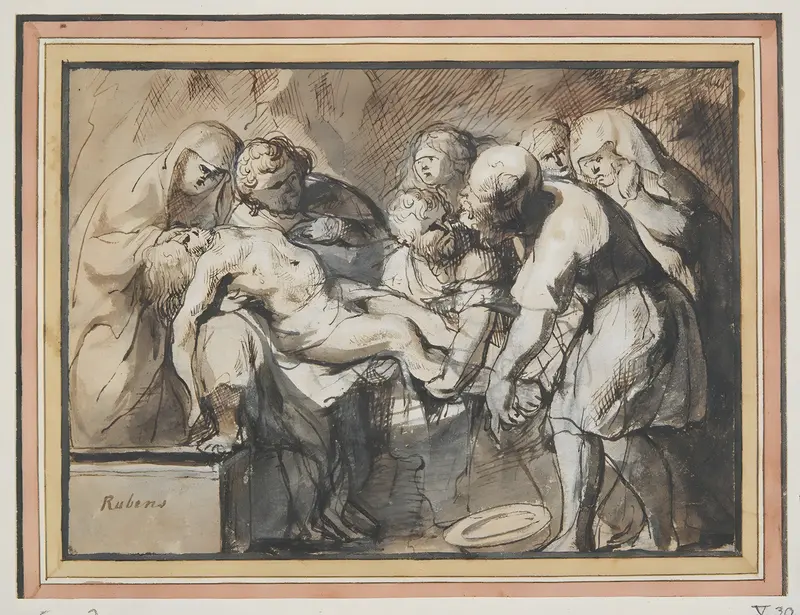
The Entombment
Jacob Jordaens
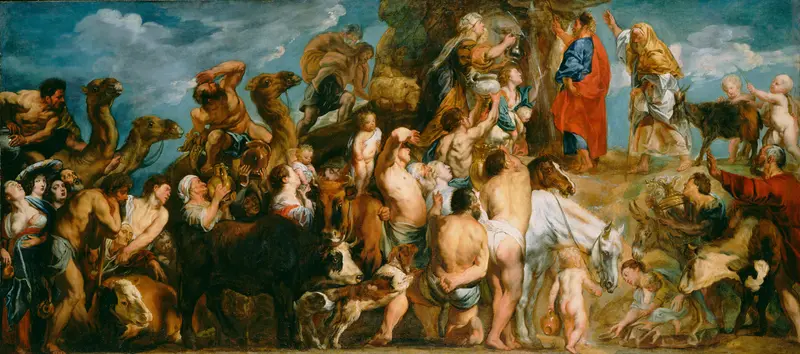
Moses Striking Water from the Rock
Jacob Jordaens
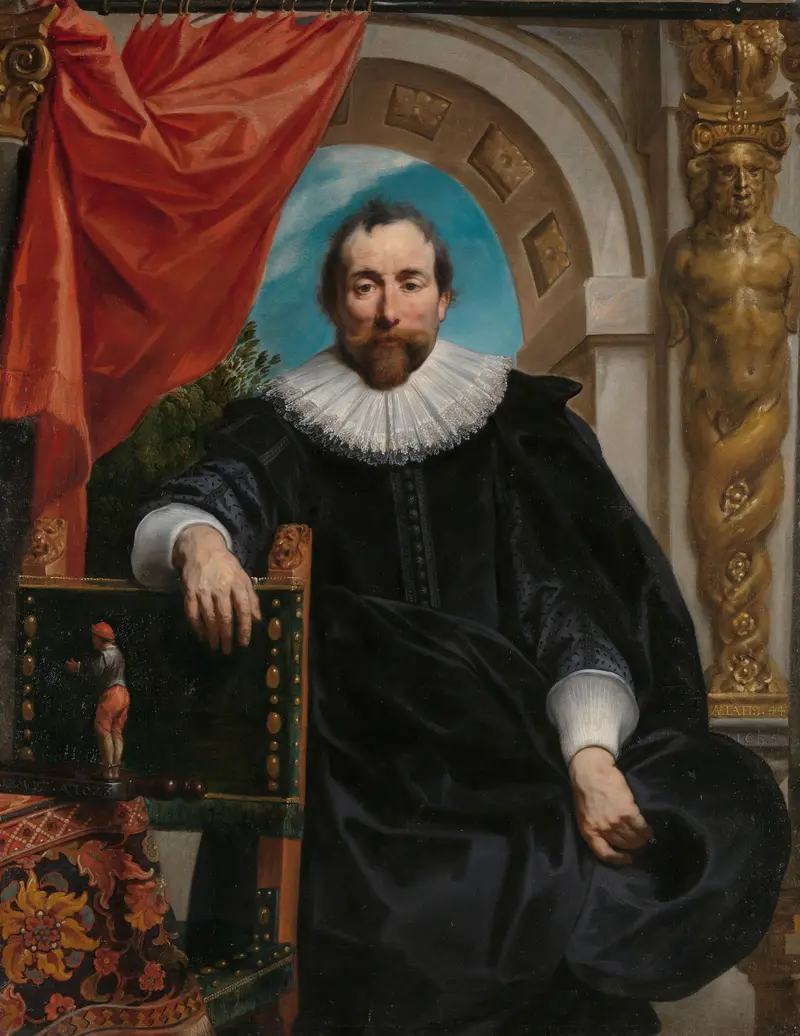
Portrait of Rogier Le Witer
Jacob Jordaens
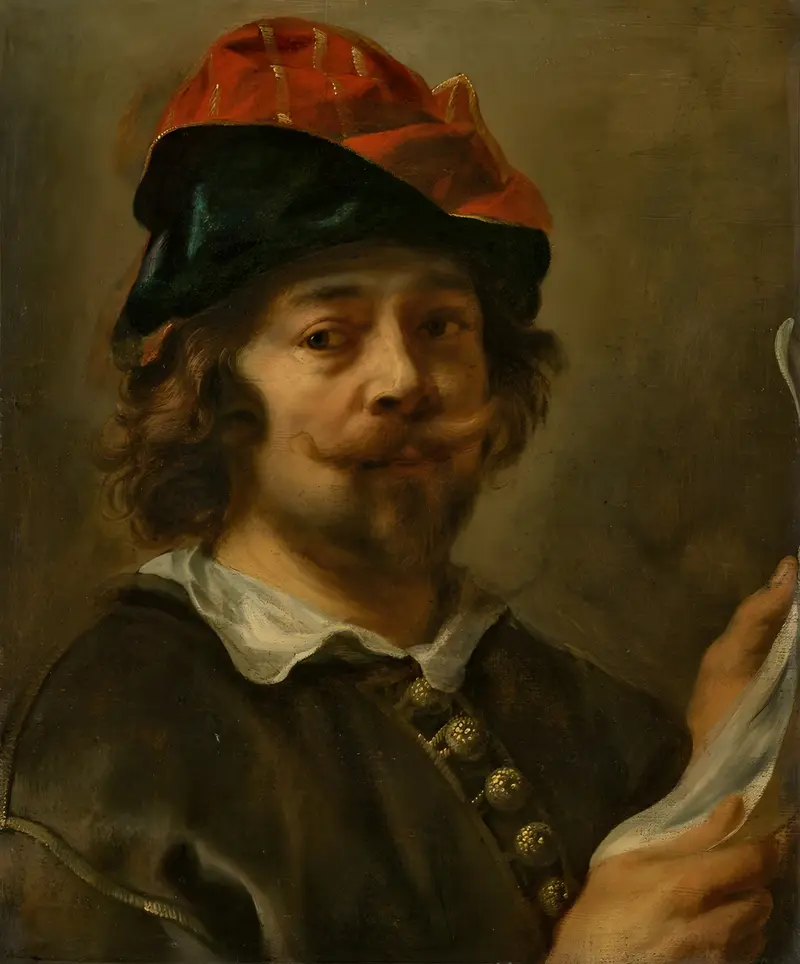
Portrait of the artist
Jacob Jordaens
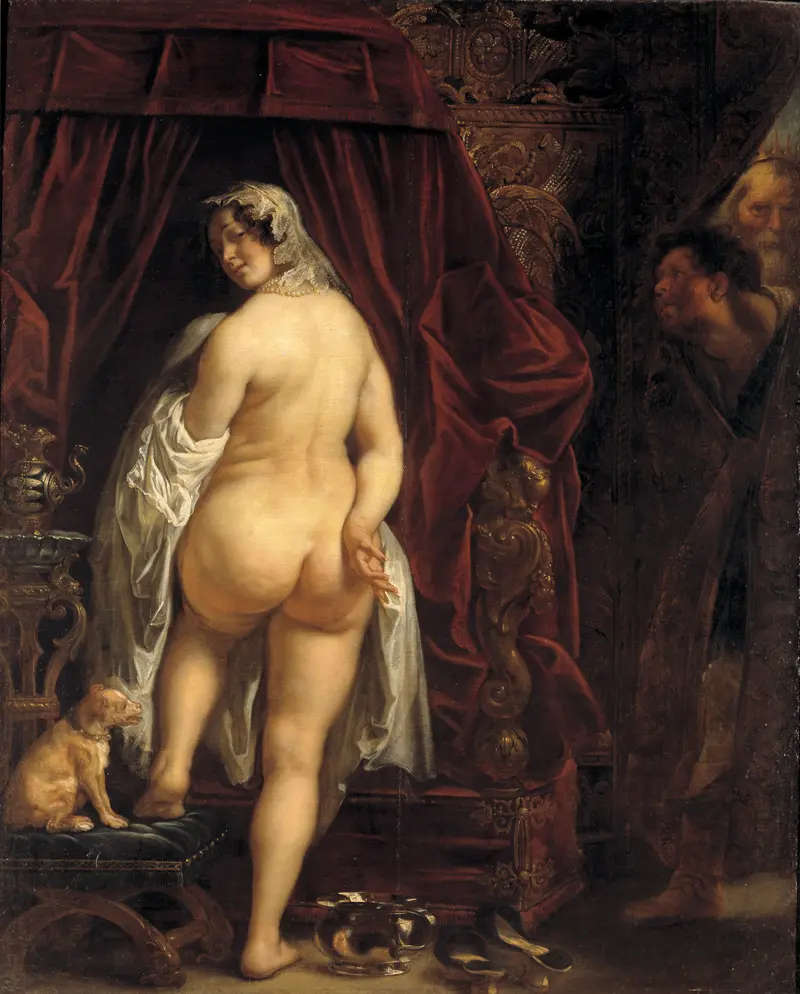
King Candaules of Lydia Showing his Wife to Gyges
Jacob Jordaens
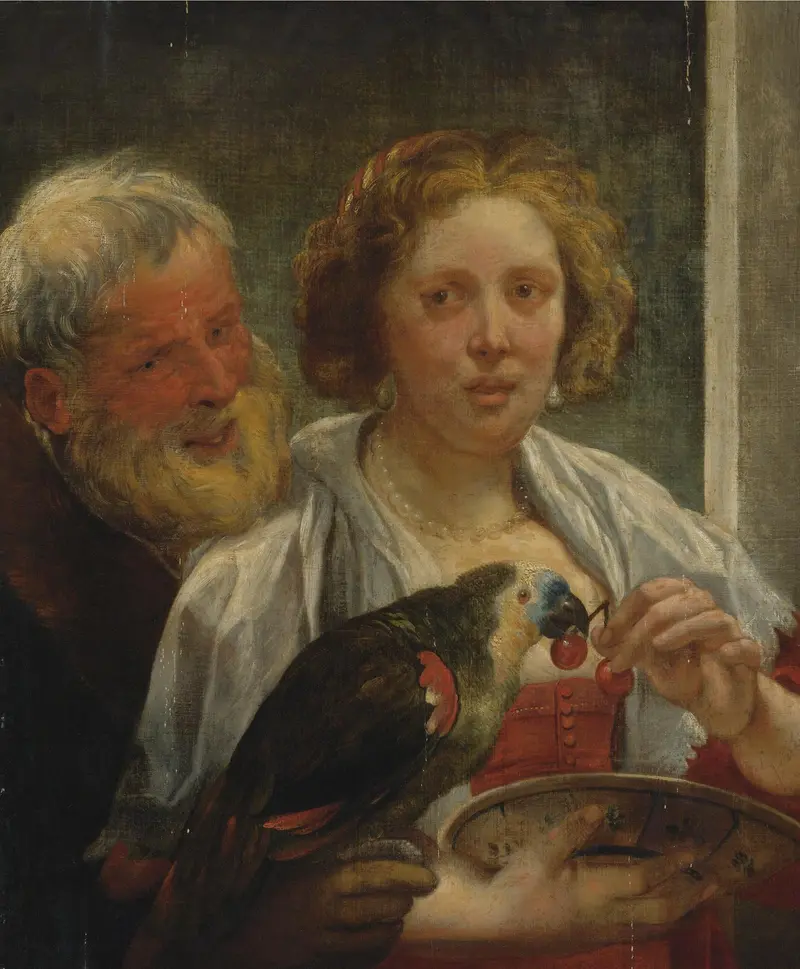
A Bearded Man And a Woman With a Parrot; ‘unrequited Love’
Jacob Jordaens
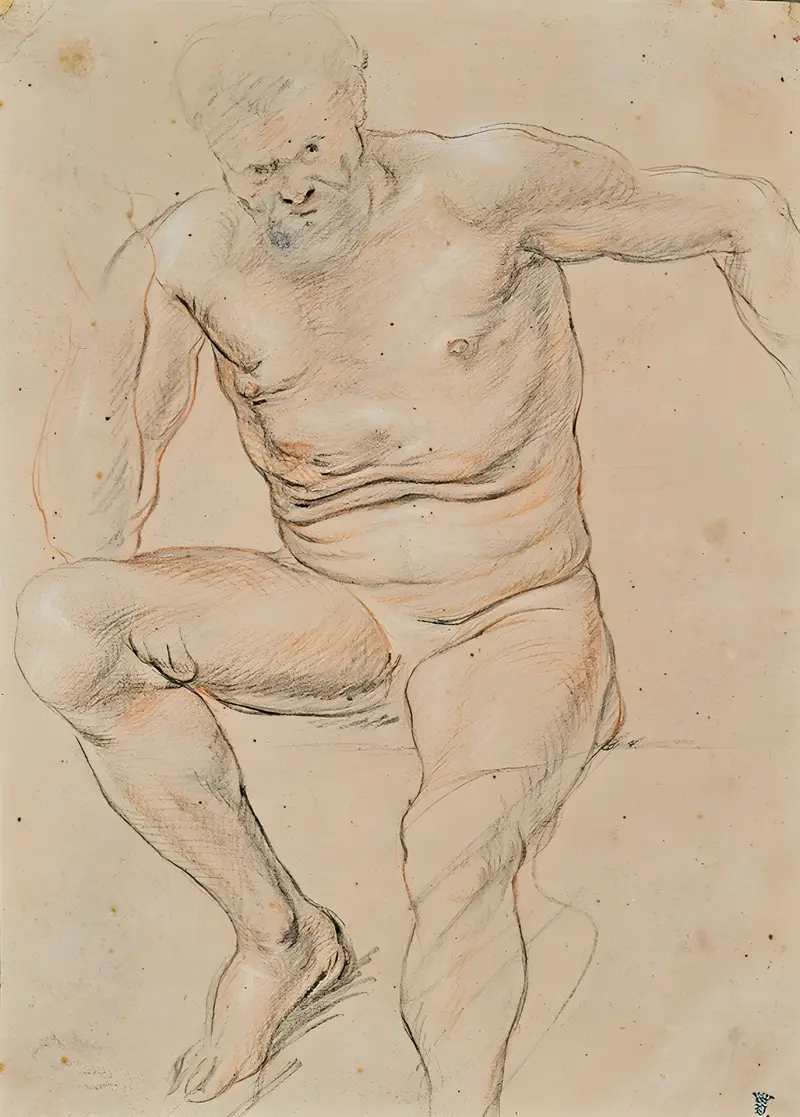
An academy of a male nude seated
Jacob Jordaens
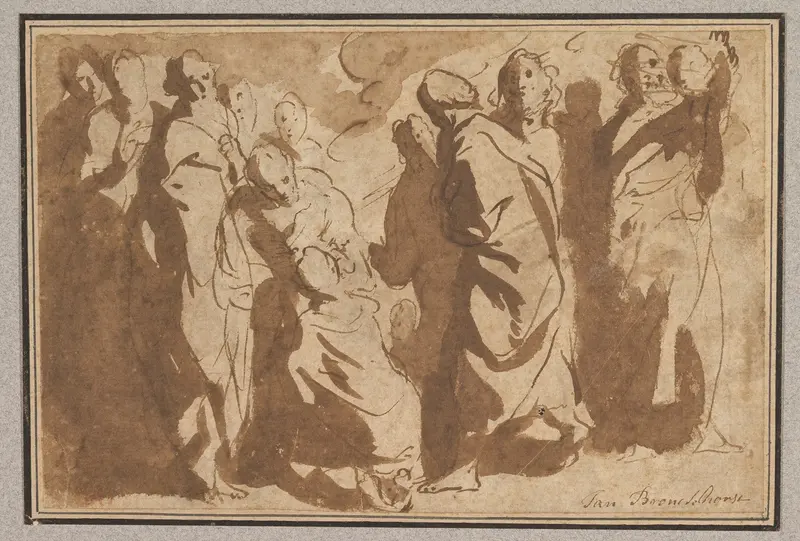
Christ Healing the Paralytic
Jacob Jordaens





