The Landing of the Sailor Prince at Spithead — History & Facts
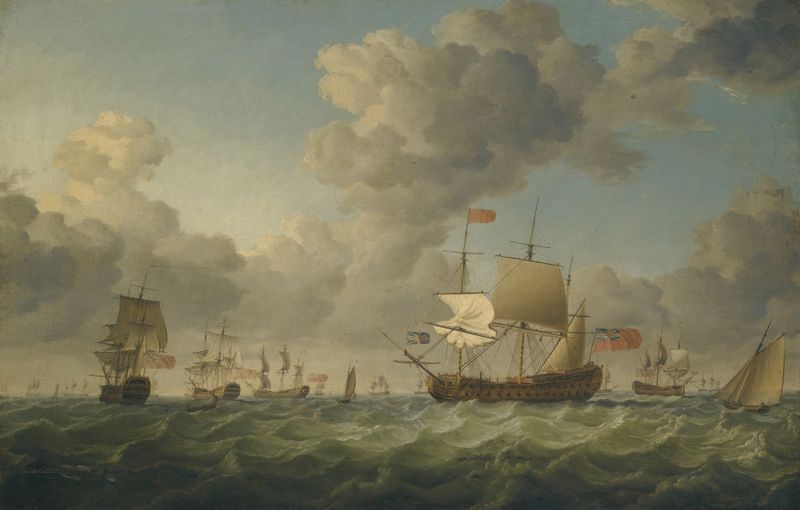
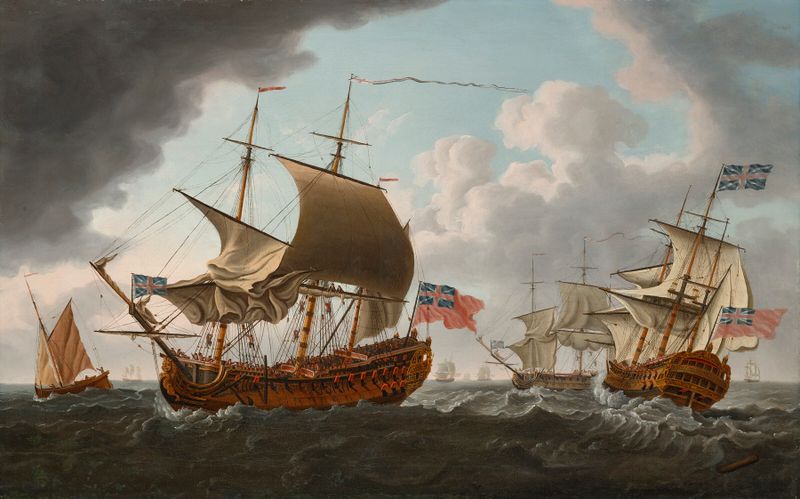
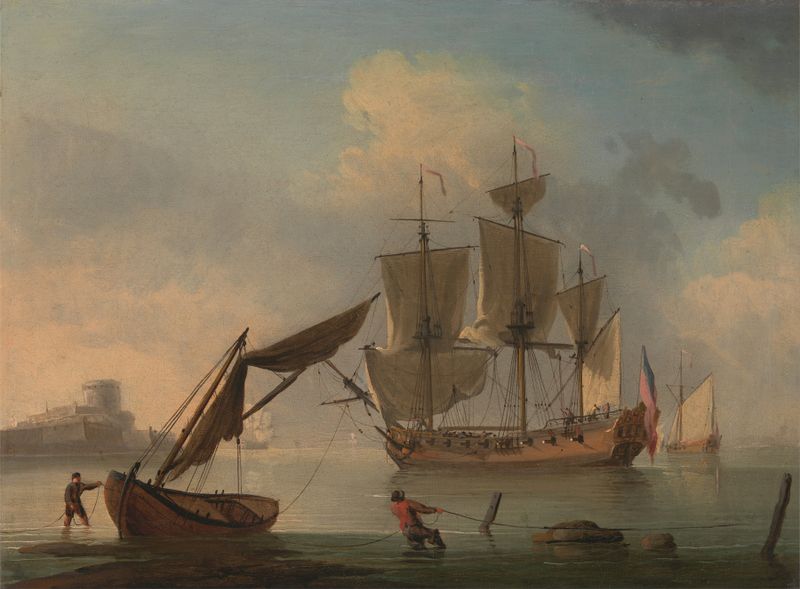
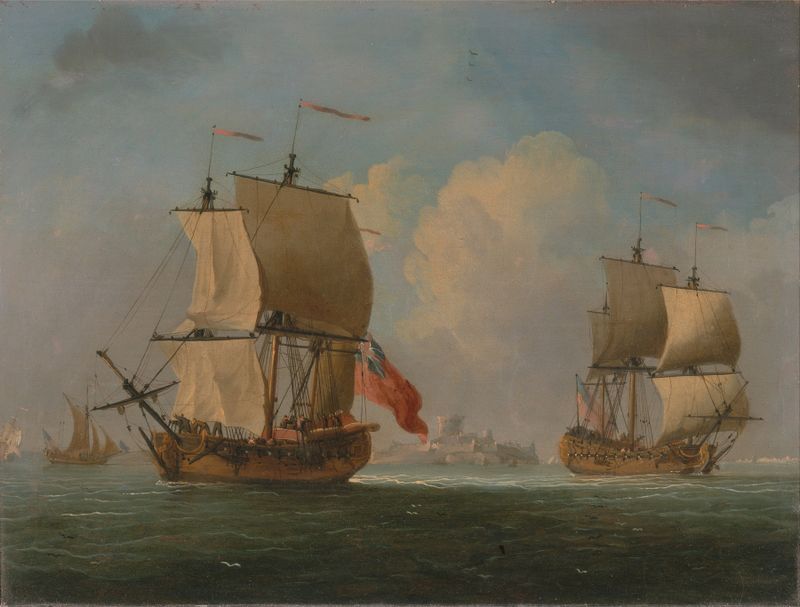
Is this a mirror — or a memory? In The Landing of the Sailor Prince at Spithead, light dances across the canvas, capturing not just a moment but an emotion, an entire narrative. The brilliance of the sun glimmers on the water, igniting a sense of anticipation and nostalgia, inviting viewers to explore the delicate interplay of past and present. Look to the foreground, where the sailor prince emerges, cloaked in regal attire. Just behind him, ships rest peacefully in the harbor, their sails billowing softly in the breeze.
Notice how the golden rays of sunlight filter through wisps of clouds, illuminating the figures and the shimmering surface of the sea. The warm palette of blues and golds enriches the sense of a tranquil day, yet there's an underlying tension that hints at a story unfolding. The contrast between the aristocratic figure and the humble fishermen underscores themes of class and duty, while the open sea symbolizes both adventure and uncertainty. Each brushstroke invites reflection on the balance of power and the fleeting nature of glory.
The distant vessels, positioned like spectators, become part of an unwritten tale, urging us to consider the historical context beneath the canvas's surface. In 1765, Francis Swaine was painting amidst a society enamored with maritime exploration and naval power, a period marked by both triumph and tension in England. His work not only captured the aesthetic beauty of the seafaring world but also engaged with contemporary themes of royal patronage and national identity, echoing the aspirations and anxieties of his time.