
The Lion Hunt — History & Facts
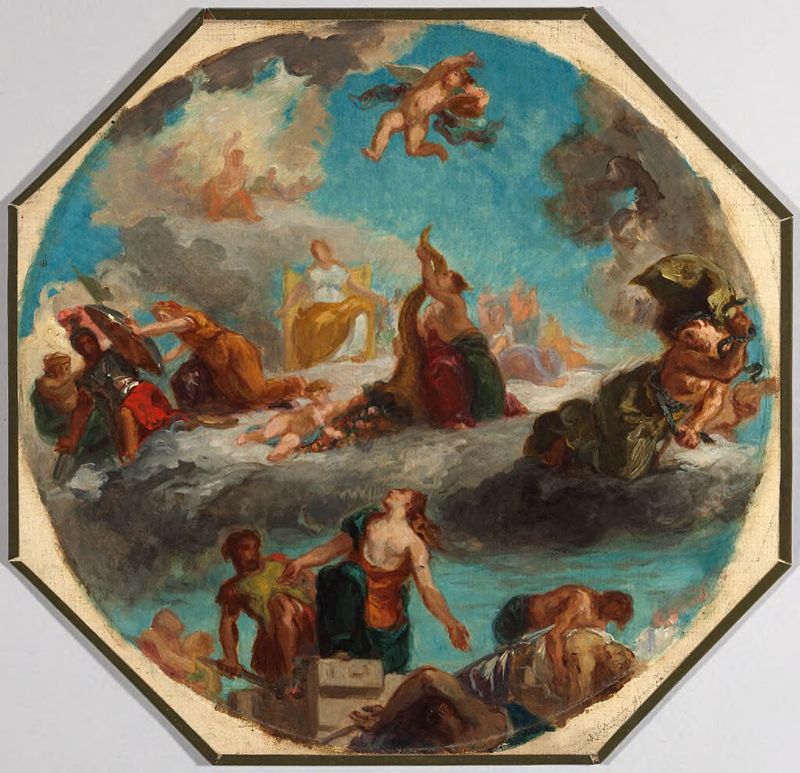
Can paint confess what words never could? In The Lion Hunt, the canvas speaks of bravery and the primal dance between man and beast, whispering the unspeakable truths of memory and confrontation. Look to the center of the piece, where the muscular bodies of hunters collide with the fierce, wild form of the lion. Notice how the vivid reds and browns of the earth and blood coalesce, creating a raw, vibrant landscape. The interplay of shadow and light casts an almost theatrical ambiance, emphasizing the dramatic tension of the moment.
The figures are tightly composed, drawing your gaze into the chaotic fray, while the distant horizon melts into softer tones, creating an unsettling juxtaposition between the immediate violence and the calm beyond. Beneath the surface spectacle lies a commentary on courage and the weight of conquest. The poised but strained expressions of the hunters reveal a complex emotional landscape—fear mingling with thrill and duty. The lion, with its regal demeanor, embodies the fierce spirit of nature, challenging the hunters' resolve.
This poignant standoff is a reflection of the eternal struggle for dominance, echoing the memories of humanity’s primal instincts intertwined with the desire for glory. Created in 1855, The Lion Hunt emerged from Pierre Andrieu's brush during a period marked by dramatic shifts in European art. Living in Paris, he navigated the evolving currents of Romanticism and emerging Realism, as artists began to push against traditional boundaries. Amidst this dynamic environment, Andrieu sought to capture the visceral essence of human experience, translating the fervor of the hunt into a compelling visual narrative that resonates across time.
More Artworks by Pierre Andrieu
Browse all →

More Historical Art
Browse all →
The Night Watch Militia Company of District II under the Command of Captain Frans Banninck Cocq
Rembrandt van Rijn

Lincoln Memorial
Henry Bacon

The Third of May 1808
Francisco de Goya

Isaac and Rebecca, Known as ‘The Jewish Bride’
Rembrandt van Rijn

The Charge of the Mamelukes (1814)
Francisco de Goya

De vier ruiters van de apocalyps
Albrecht Dürer