
The Mill — History & Facts
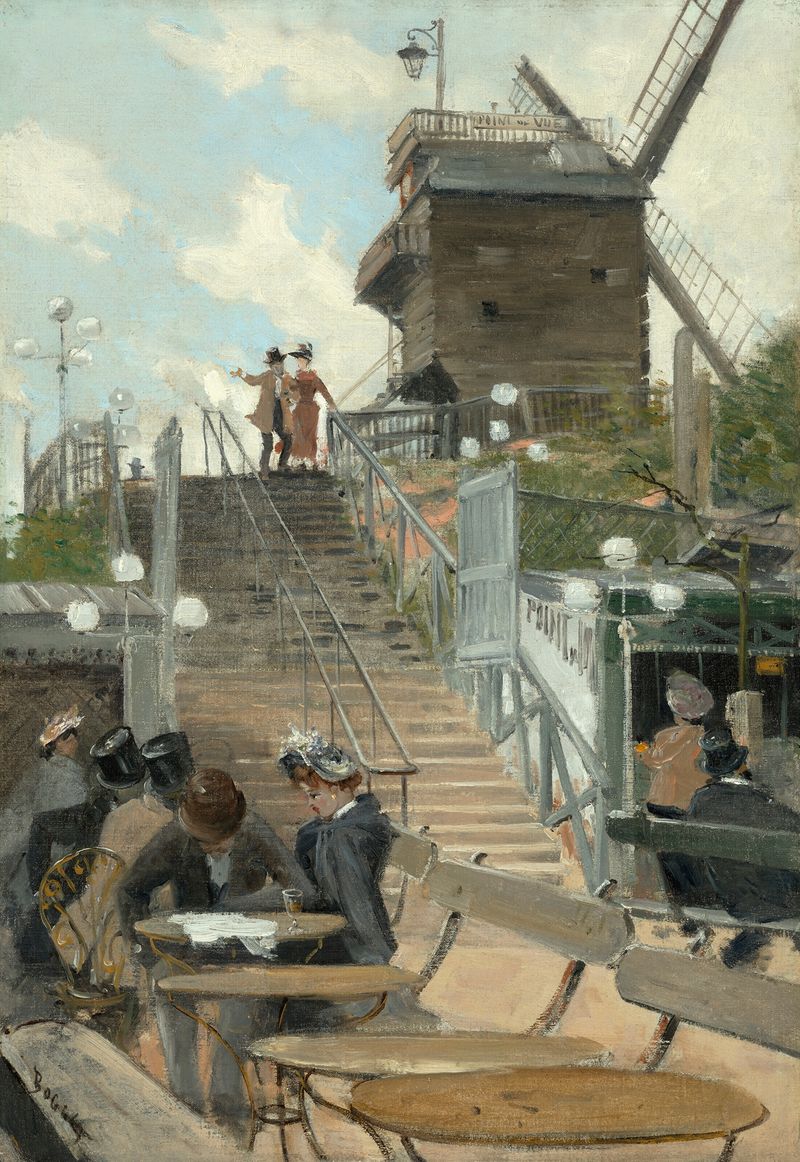
This notion echoes in the vibrant strokes and muted shadows of Frank Myers Boggs' painting. It invites contemplation on creation and the duality of existence, where beauty often emerges from struggle. First, look to the horizon, where the sun sets in a cascade of golden and amber hues. The mill stands strong in the foreground, its weathered wooden structure blending harmoniously with the surrounding landscape.
Notice how the light dances across the water, creating a shimmering reflection that draws the eye to the serene yet industrious scene. The artist's skillful layering of colors enhances the depth, pulling you into a world where nature and industry coexist. As you absorb the intricate details, consider the juxtaposition between the tranquility of the setting and the inherent labor represented by the mill. The gentle flow of the water, contrasted with the sturdy architecture, reflects the tension between nature's serenity and human endeavor.
Each brushstroke seems to whisper the stories of both creation and decay, reminding us that beauty often arises from the complex interplay of joy and sorrow. During the time Boggs painted this artwork, he was deeply influenced by the Impressionist movement, which sought to capture the transient effects of light. Although the exact date of this piece is unknown, his work flourished in the late 19th to early 20th centuries, a period marked by rapid industrialization and shifting social dynamics. This backdrop illuminated the themes of progress and nostalgia that resonate throughout his oeuvre, as he grappled with the changes reshaping the world around him.
More Artworks by Frank Myers Boggs
Browse all →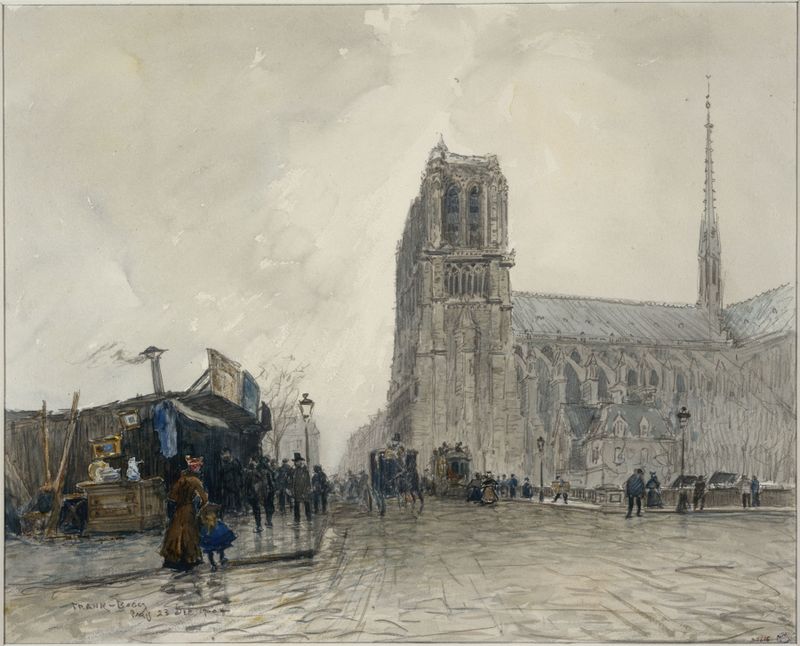
Notre-Dame vue du Pont au Double
Frank Myers Boggs
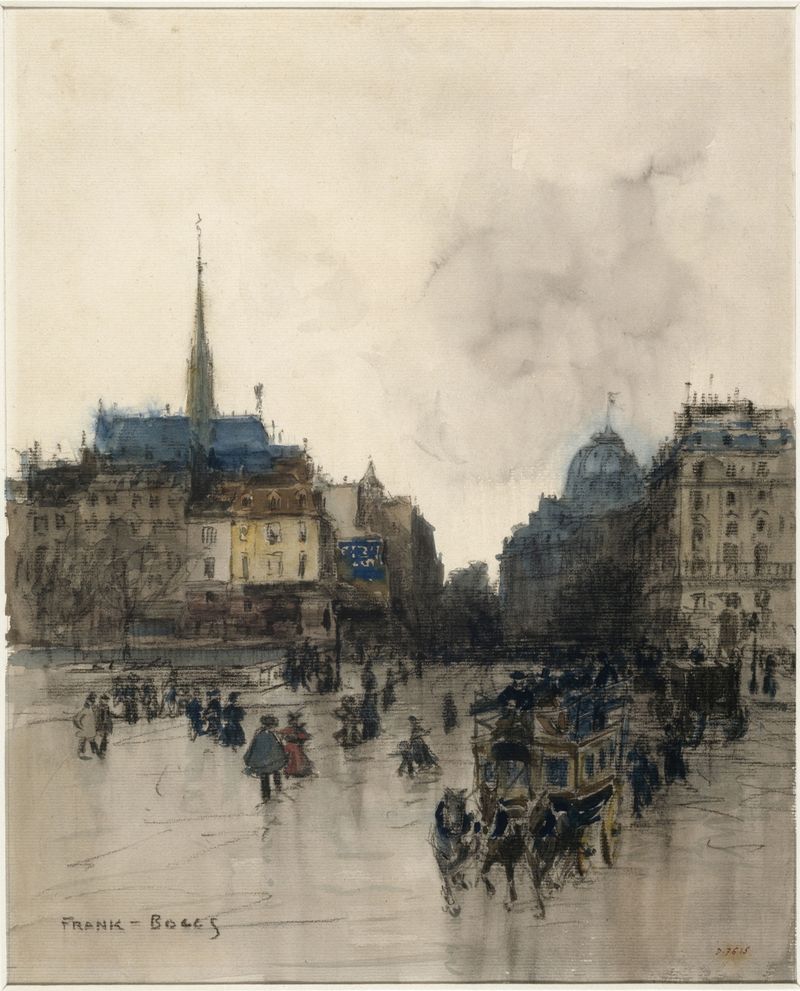
Le pont Saint-Michel
Frank Myers Boggs
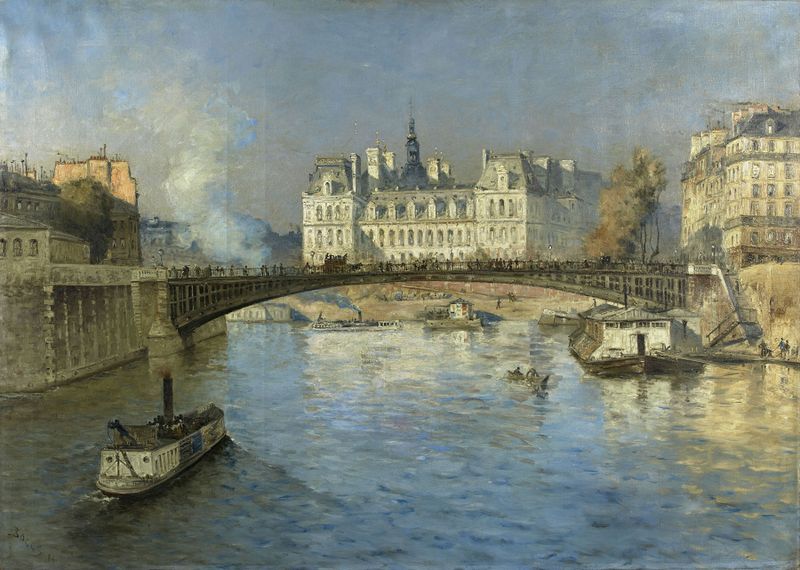
Paris, la Seine et l’Hôtel de Ville
Frank Myers Boggs
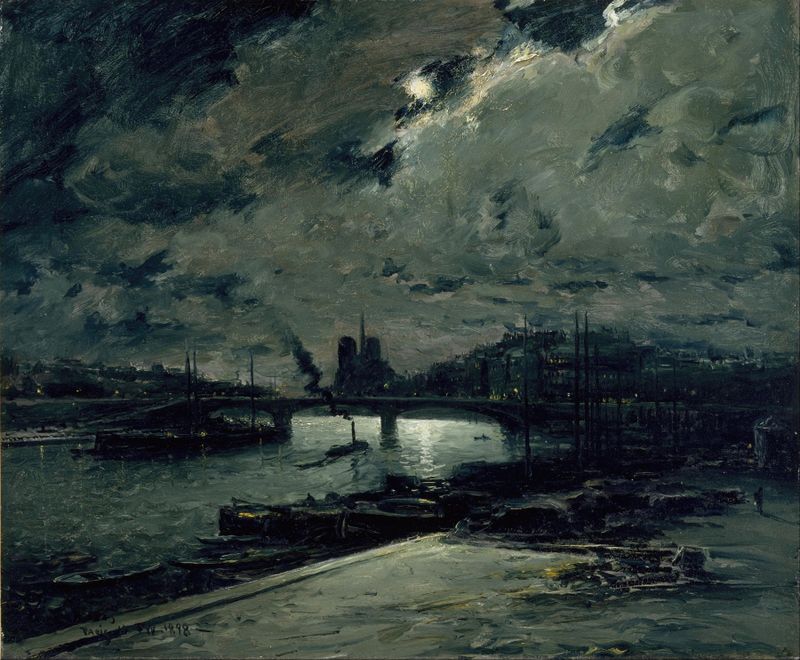
Quai de la Seine, Paris, au Clair de Lune
Frank Myers Boggs
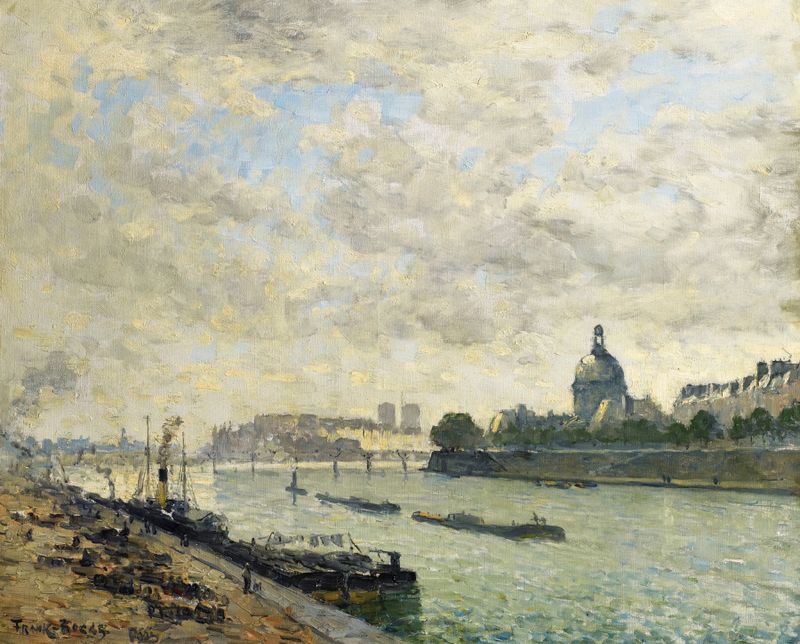
Les quais de Seine à Paris
Frank Myers Boggs
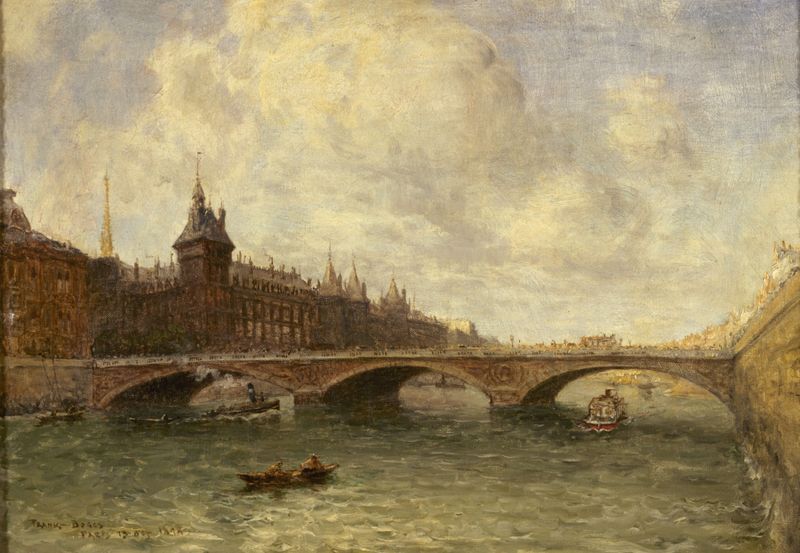
Le pont au change et le quai de l’horloge
Frank Myers Boggs
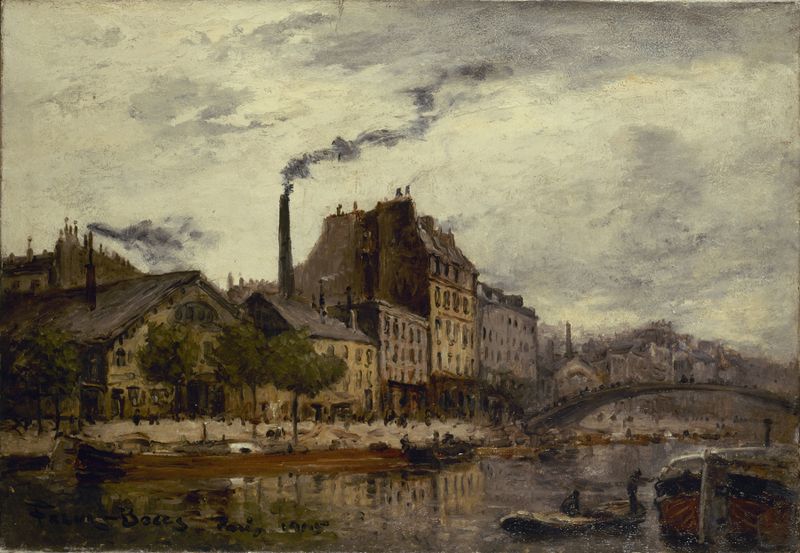
La démolition de l’ancien pont de la Tournelle
Frank Myers Boggs
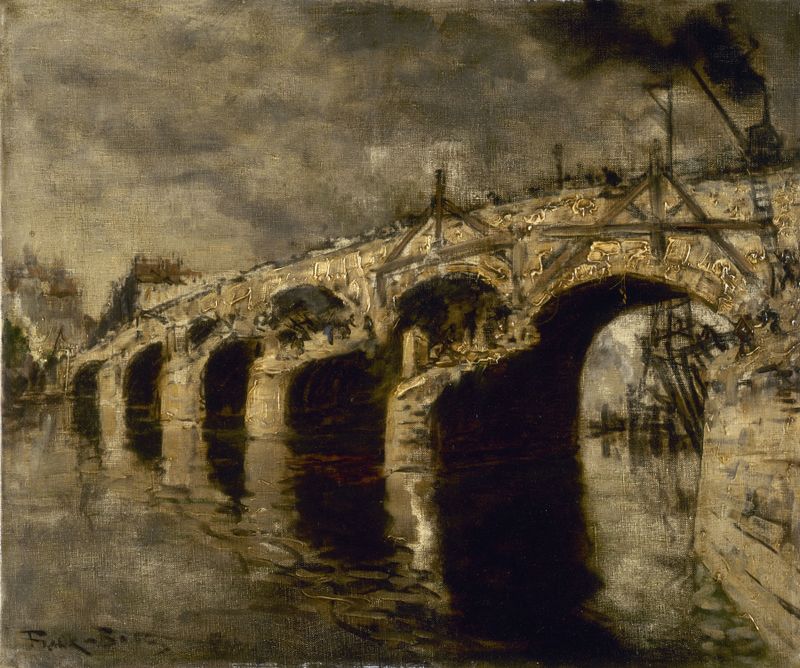
La démolition de l’ancien pont de la Tournelle
Frank Myers Boggs

La tour Saint-Jacques
Frank Myers Boggs
Le Moulin de la Galette
Frank Myers Boggs





