
The Minister — History & Facts
When did color learn to lie? In the depths of our perceptions, shades and hues whisper truths and deceptions, blurring the line between reality and the sublime. Look to the center of the composition, where the figure of the minister stands, draped in solemn hues that evoke a sense of gravity and introspection. The deep blues and muted earth tones create an atmosphere of weighty contemplation, while the subtle interplay of light casts a warm glow upon his features, inviting viewers to explore the depth of his gaze. Notice how the background dissolves into indistinct forms, allowing the figure to emerge as both a focal point and a metaphor for higher ideals—transcendence through faith and duty. Delve deeper into the minister's posture; there’s a stillness that suggests both resolution and vulnerability.
The slight tilt of his head, combined with the delicate rendering of his hands, speaks to an inner conflict between societal expectations and personal convictions. The contrast between the solidity of his figure and the ethereal quality of the surroundings evokes a powerful tension, hinting at the struggle between earthly responsibilities and spiritual aspirations—an eternal dance of the human condition. In 1918, Frederick Landseer Maur Griggs created this poignant work during a turbulent time in history, marked by the aftermath of World War I. Living in England, Griggs was influenced by the changing landscapes of society and the artistic movements that sought to capture the essence of modern life.
The period was defined by a quest for meaning and identity, and this painting reflects the artist's intention to offer a meditative space, inviting contemplation on the nature of existence and the responsibilities that come with it.
More Artworks by Frederick Landseer Maur Griggs
Browse all →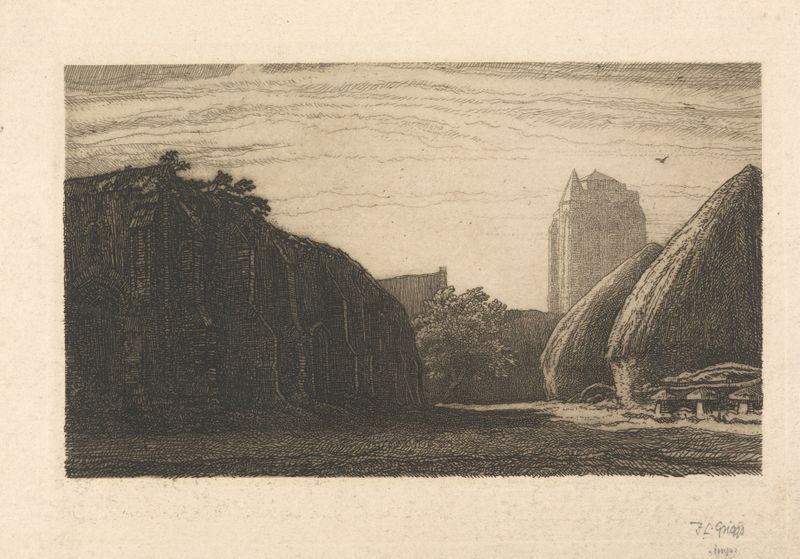
Maur’s Farm
Frederick Landseer Maur Griggs
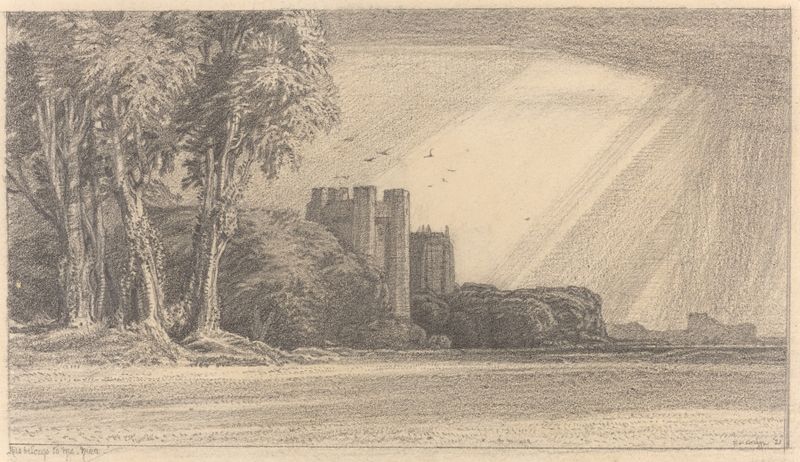
Landscape with Castle
Frederick Landseer Maur Griggs
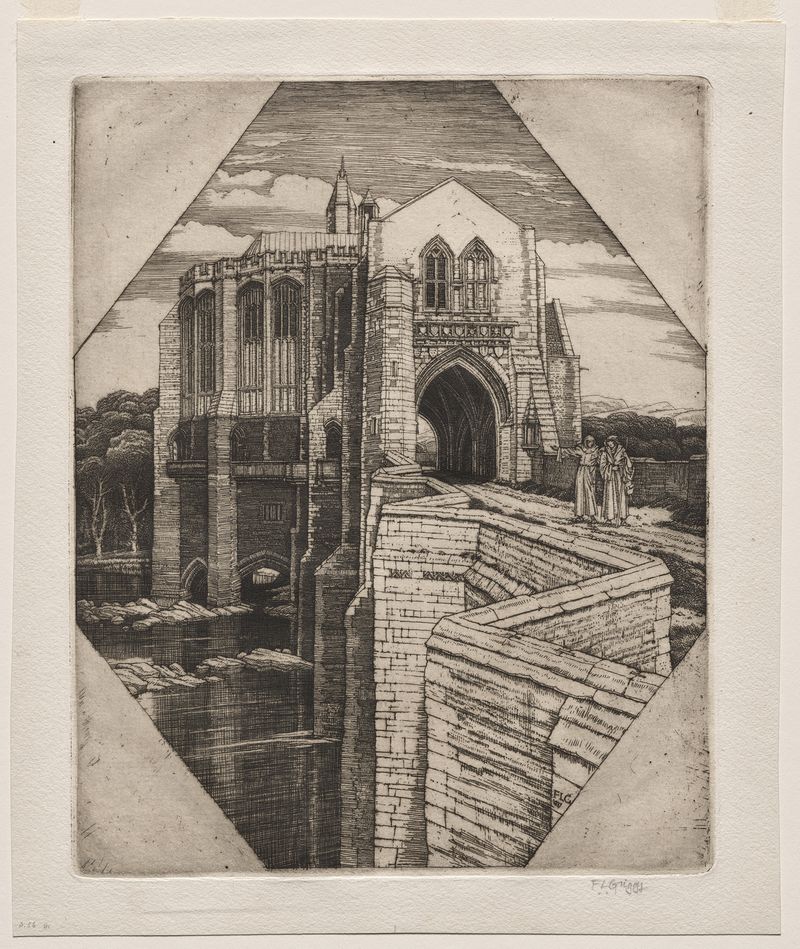
St. Botolph’s Bridge No. 2 1937
Frederick Landseer Maur Griggs
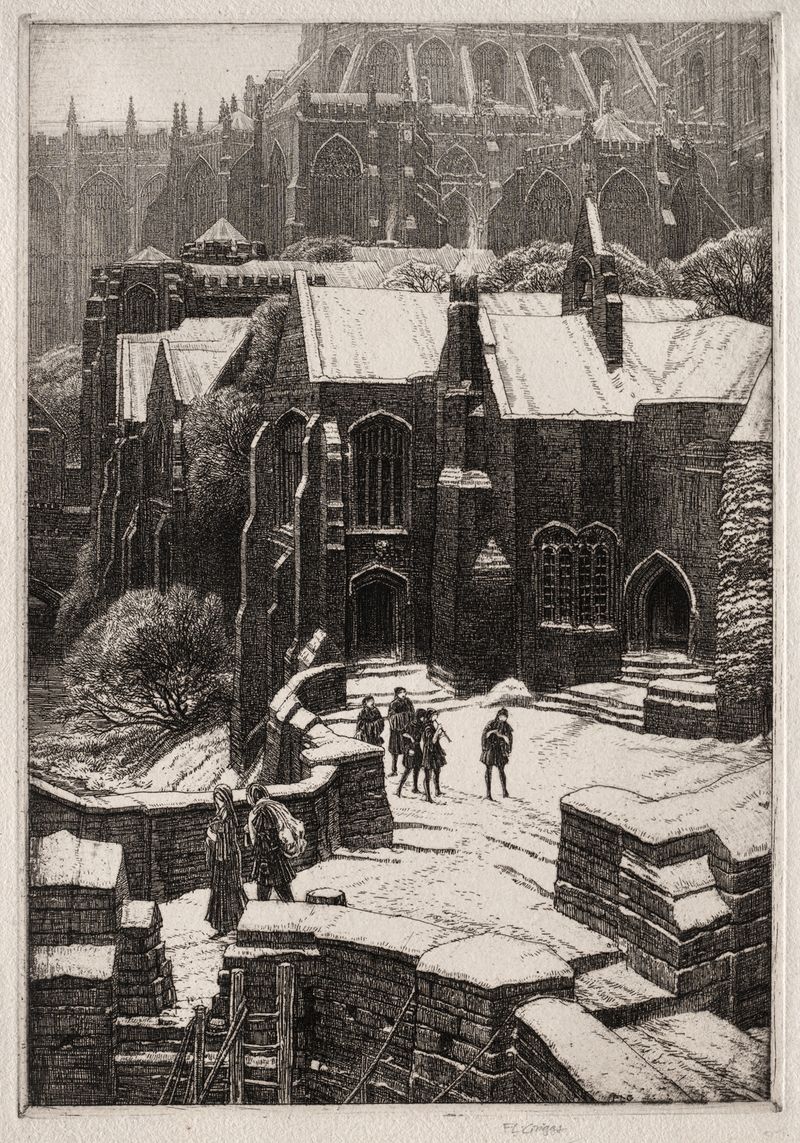
The Almonry
Frederick Landseer Maur Griggs

The Cresset
Frederick Landseer Maur Griggs
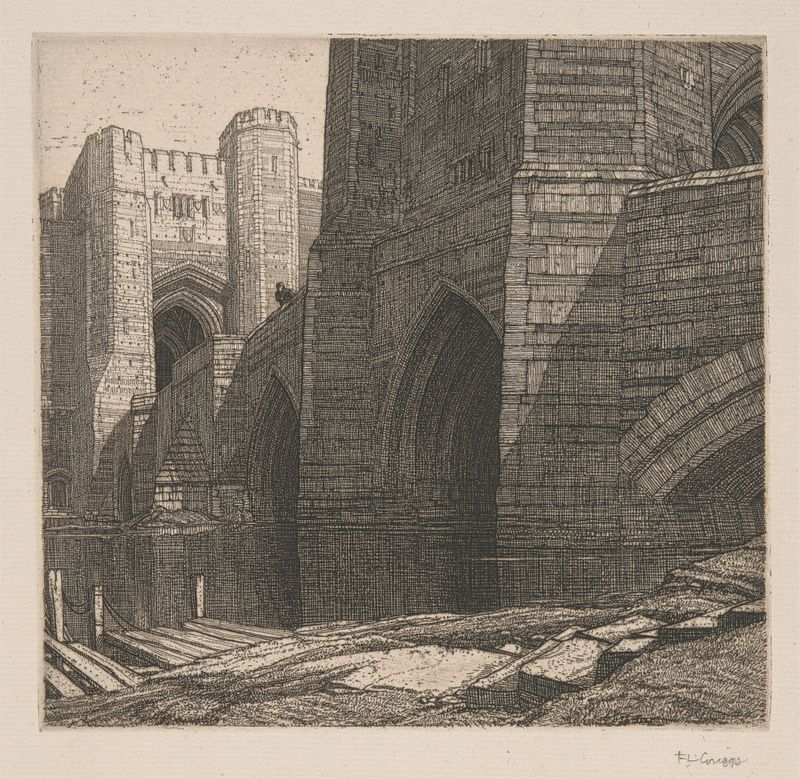
The Barbican
Frederick Landseer Maur Griggs

Maur’s Farm
Frederick Landseer Maur Griggs
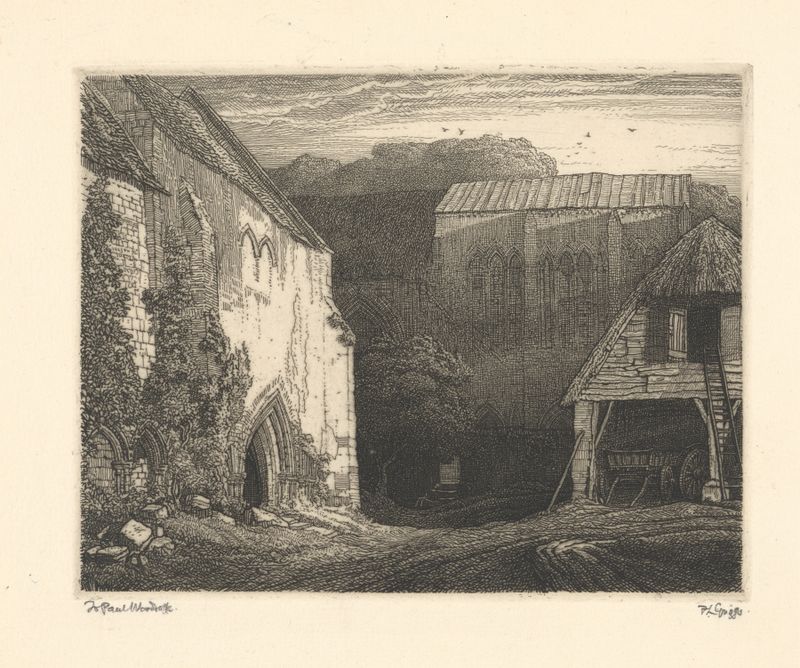
Priory Farm
Frederick Landseer Maur Griggs

St. Wendred’s March
Frederick Landseer Maur Griggs
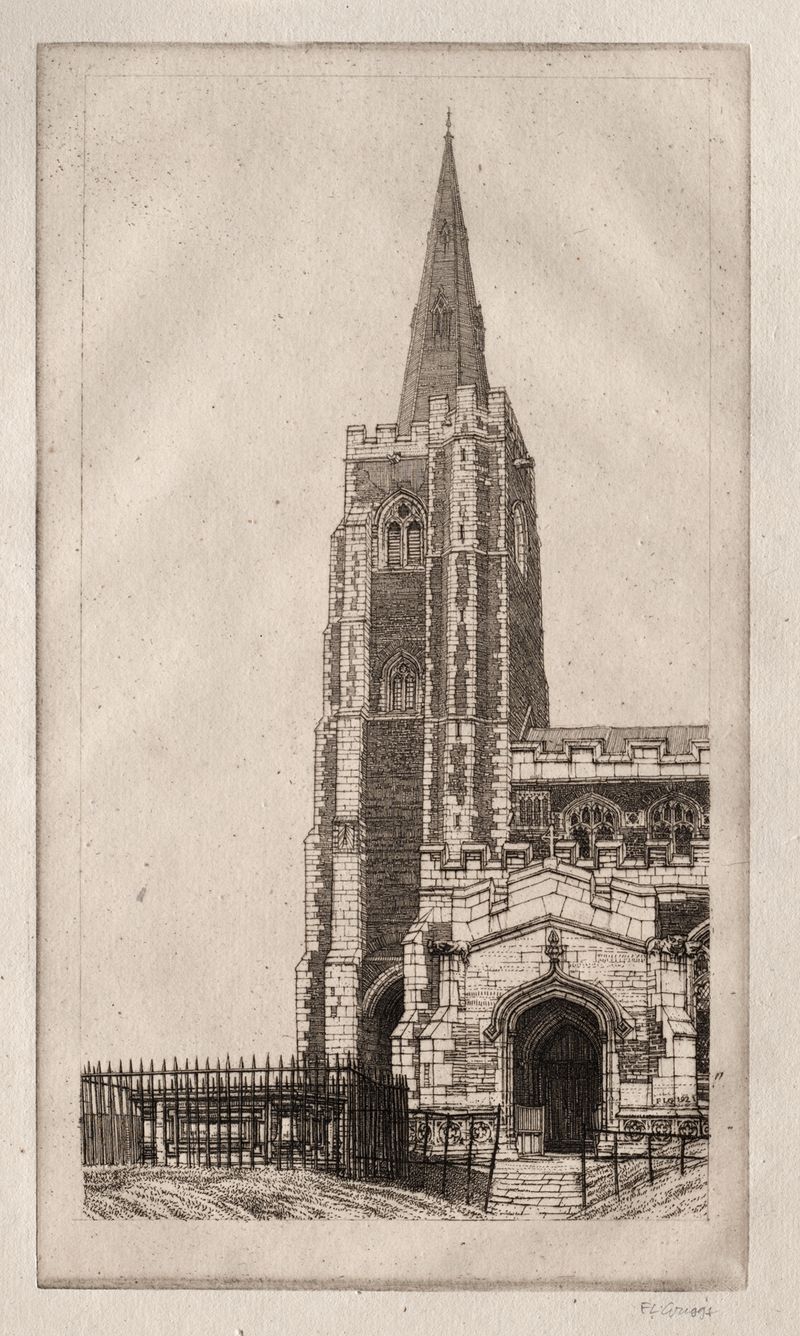
St. Wendred’s, March
Frederick Landseer Maur Griggs
More Portrait Art
Browse all →
Las meninas
Diego Velázquez

Self-portrait with a Bandaged Ear and Pipe
Unidentified artist

Girl with a Pearl Earring
Johannes Vermeer

The Sampling Officials of the Amsterdam Drapers’ Guild, Known as ‘The Syndics’
Rembrandt van Rijn

The Hundred Guilder Print: the man seen on the back in the lower left corner
Rembrandt van Rijn

Portrait of Dr Gachet
Vincent van Gogh