
Maur’s Farm — History & Facts
This sentiment resonates deeply with the serene yet evocative landscape captured in the artwork before us. It invites a poignant exploration of beauty intertwined with the bittersweet realities of rural life, where tranquility often masks an underlying struggle. Look to the center of the canvas, where rolling hills meet a sky painted in soft pastels. The delicate brushwork creates an ethereal atmosphere, inviting you to breathe in the gentle serenity.
Notice how light subtly illuminates the farmhouse, casting long shadows that stretch across the fields. The warm hues of gold and earth connect the viewer to nature, while the meticulous detail in the foliage suggests both abundance and fragility. Yet, this idyllic representation holds deeper layers—elements of longing and nostalgia peek through the beauty. The farmhouse, though charming, feels isolated, hinting at a solitude that comes with rural existence.
The juxtaposition of the lush landscape against the restrained figures of livestock emphasizes a quiet struggle; life thrives, yet there remains an unvoiced tension between nature and human endeavor. Each element speaks to a narrative where grace and hardship coexist as companions. In 1913, the artist painted this work amidst a transformative era in art, marked by a shift towards modernism. Griggs, influenced by the pastoral and the sublime, sought to evoke the tenderness of rural life during a time of industrial upheaval.
As society ventured into mechanization, his work became a sanctuary for longing—an homage to the beauty of a world that, though evolving, held on to the delicate threads of tradition and nostalgia.
More Artworks by Frederick Landseer Maur Griggs
Browse all →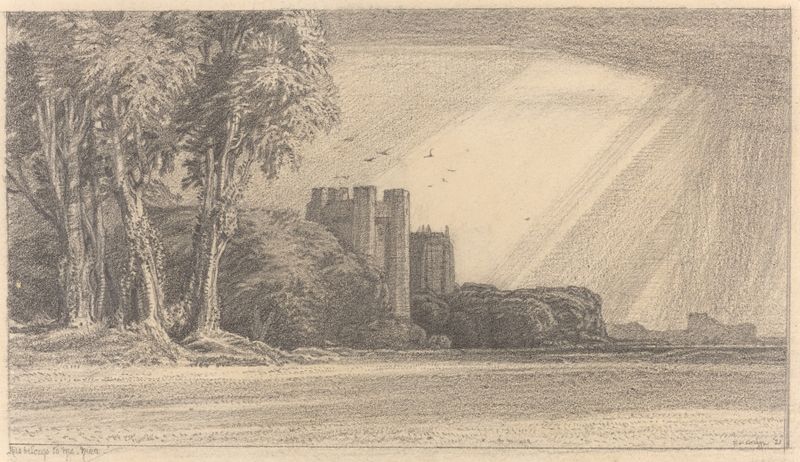
Landscape with Castle
Frederick Landseer Maur Griggs
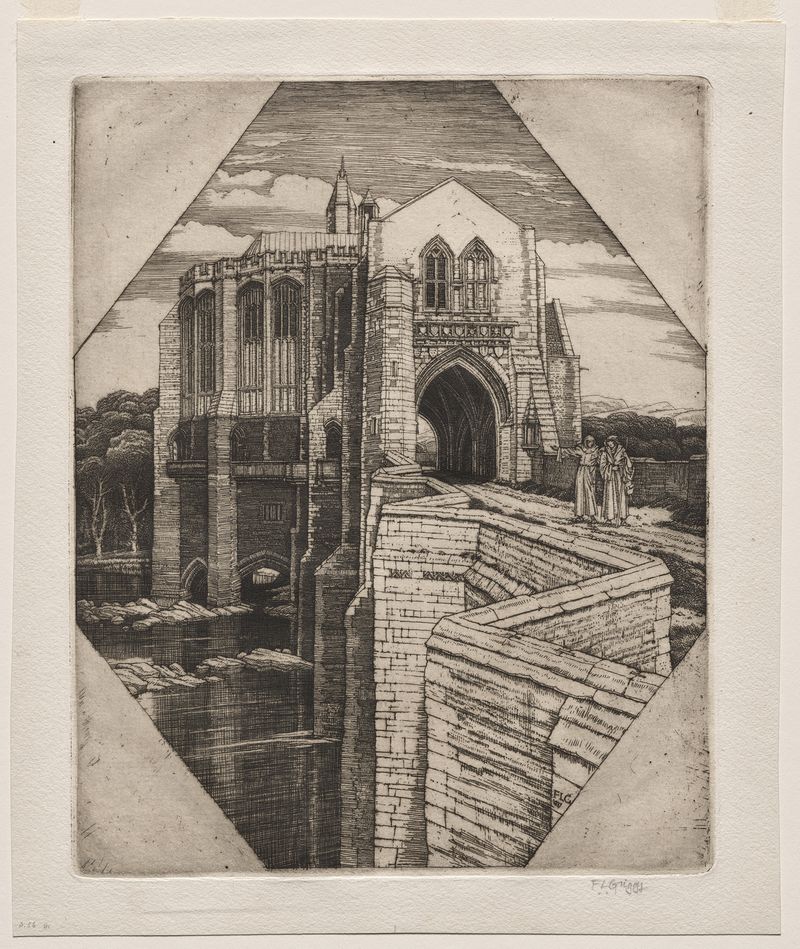
St. Botolph’s Bridge No. 2 1937
Frederick Landseer Maur Griggs
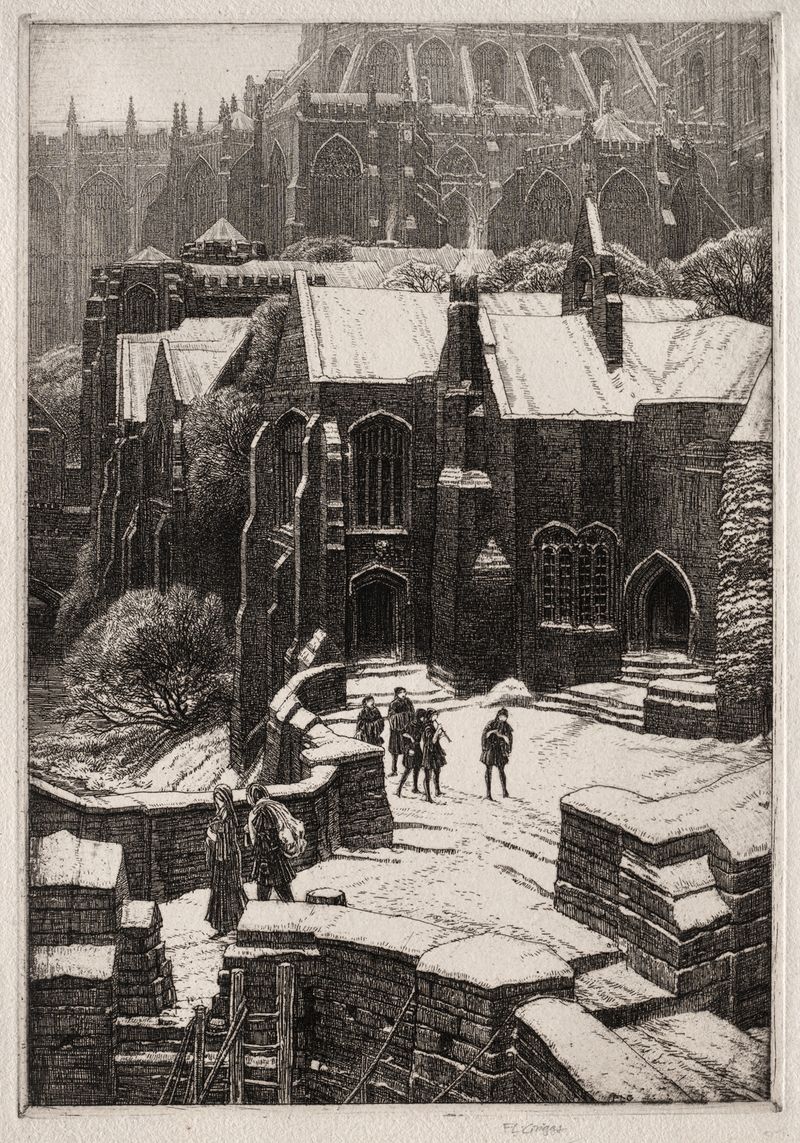
The Almonry
Frederick Landseer Maur Griggs

The Cresset
Frederick Landseer Maur Griggs
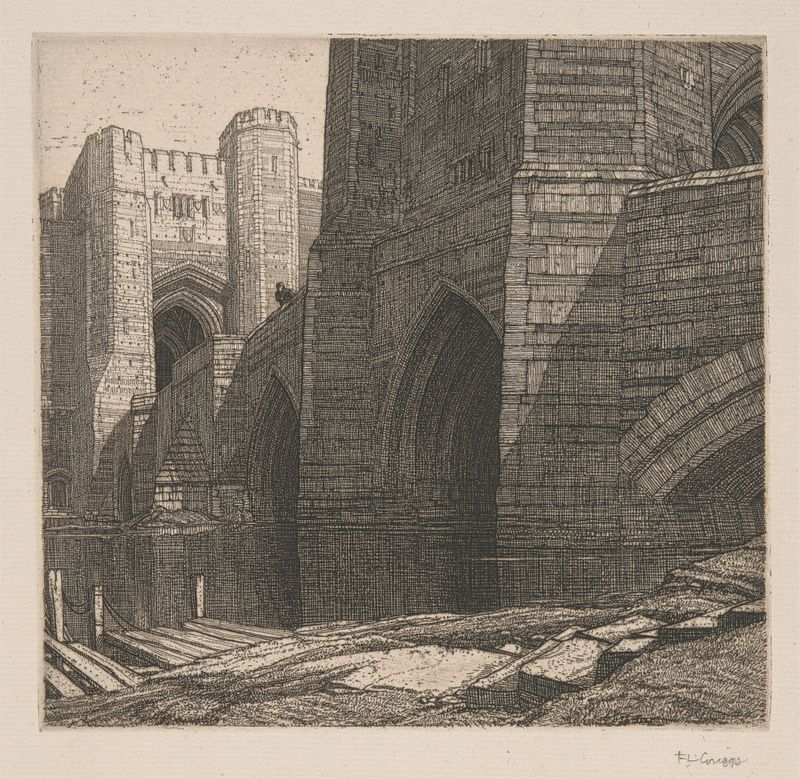
The Barbican
Frederick Landseer Maur Griggs

Maur’s Farm
Frederick Landseer Maur Griggs
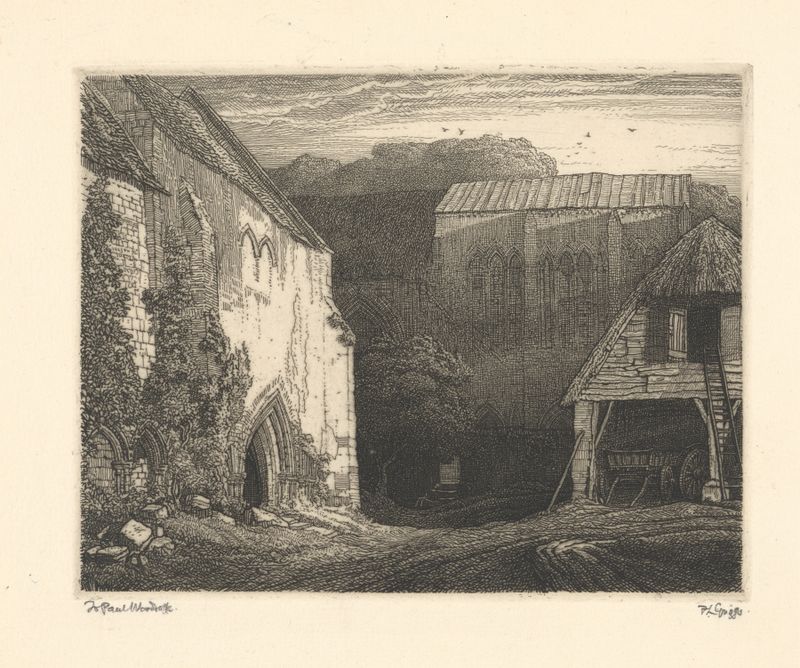
Priory Farm
Frederick Landseer Maur Griggs

St. Wendred’s March
Frederick Landseer Maur Griggs
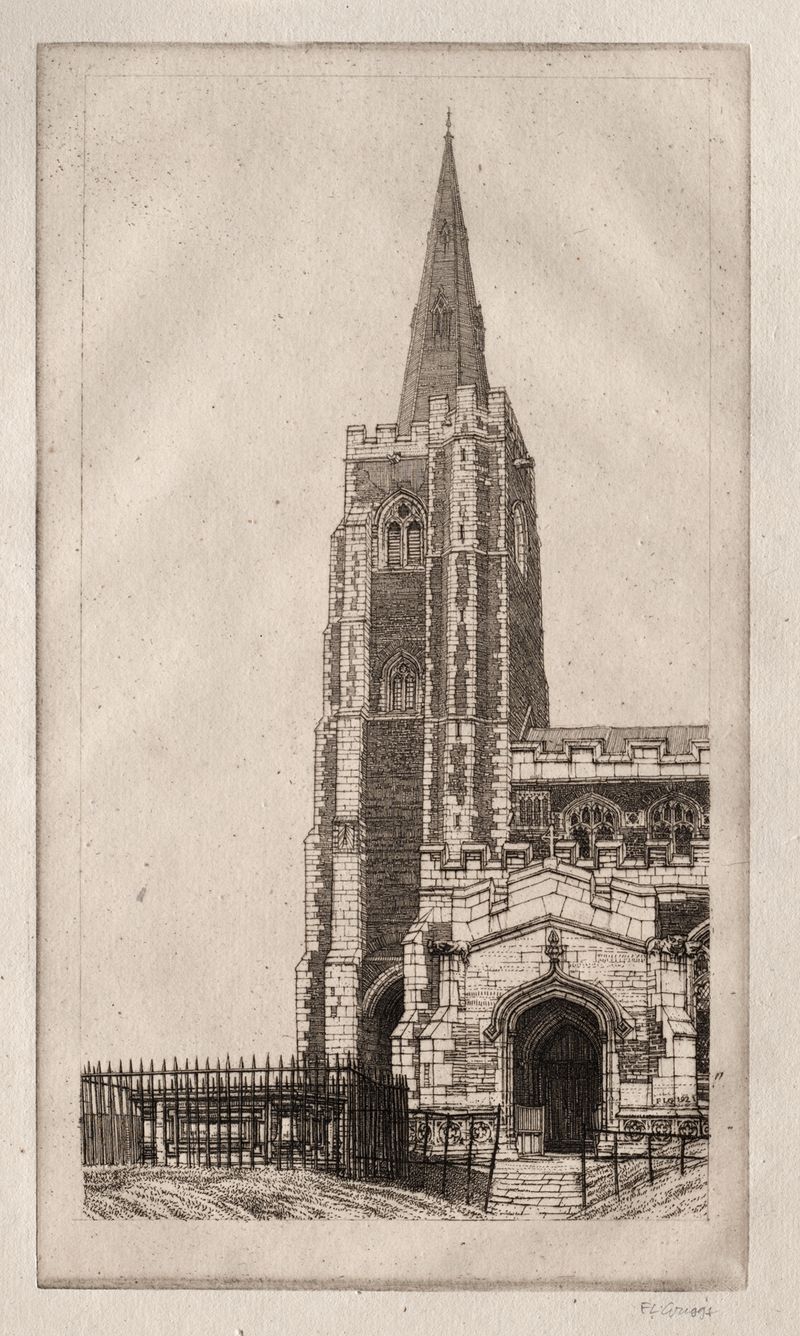
St. Wendred’s, March
Frederick Landseer Maur Griggs
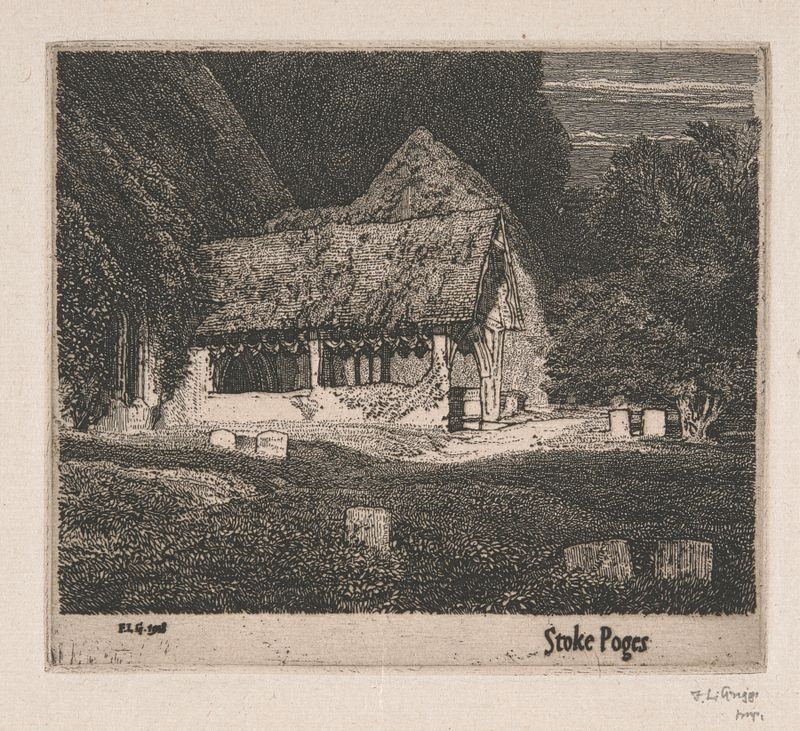
Stoke Poges
Frederick Landseer Maur Griggs





