
Landscape with Castle — History & Facts
In the gentle embrace of a landscape, hope finds its voice among the tumult of nature and architecture. Focus first on the castle, rising majestically against the backdrop of soft, rolling hills. Its stone façade, adorned with delicate lines and muted colors, exudes both strength and vulnerability. Notice how the light dances upon the towers, casting shadows that evoke a sense of mystery.
Around it, the landscape unfolds in layers of greens and browns, inviting the eye to explore the interplay between the natural world and human creation. As you delve deeper, consider the contrast between the solidity of the castle and the fluidity of the surrounding scenery. The gentle swirls of the brushwork suggest a fleeting moment, capturing the essence of a landscape in transition. There’s a tension here, a dialogue between permanence and impermanence, where the castle represents aspirations and the undulating hills symbolize the passage of time and nature’s ever-changing beauty. In 1921, at a time of post-war reflection and new beginnings, the artist was immersed in a Britain grappling with its identity.
Living in London's artistic circles, Maur Griggs was drawn to the Romantic ideals of nature’s power and humanity’s place within it. This piece reflects both his observational skills and a deep-seated yearning for hope amidst a world seeking regeneration.
More Artworks by Frederick Landseer Maur Griggs
Browse all →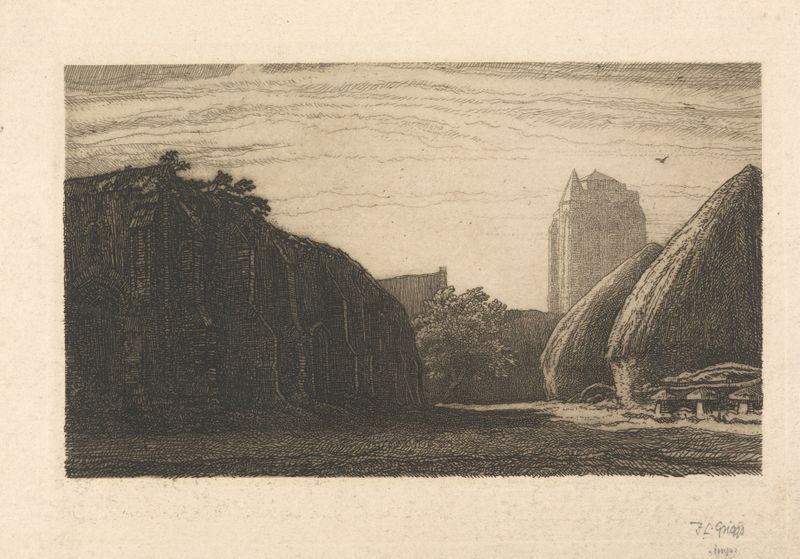
Maur’s Farm
Frederick Landseer Maur Griggs
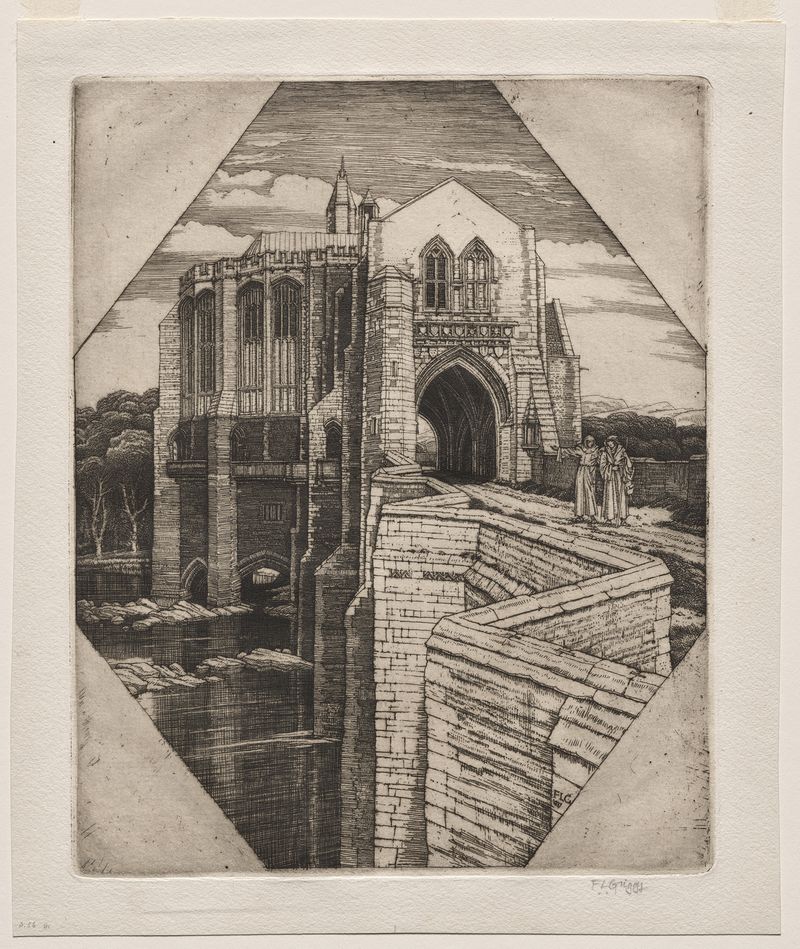
St. Botolph’s Bridge No. 2 1937
Frederick Landseer Maur Griggs
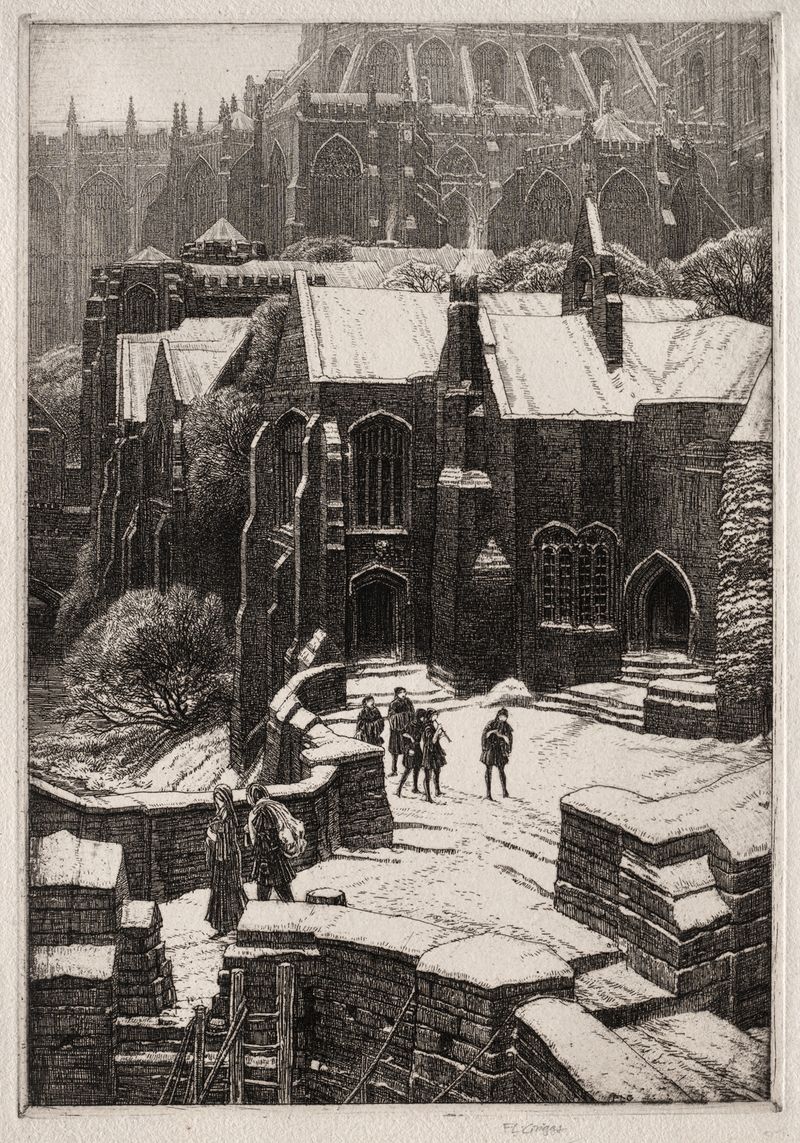
The Almonry
Frederick Landseer Maur Griggs

The Cresset
Frederick Landseer Maur Griggs
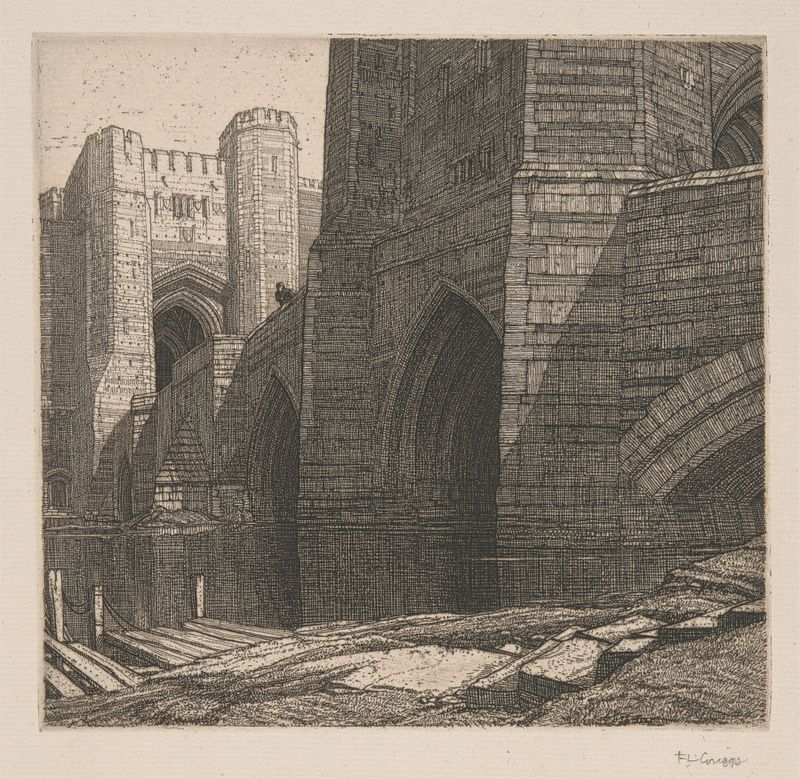
The Barbican
Frederick Landseer Maur Griggs

Maur’s Farm
Frederick Landseer Maur Griggs
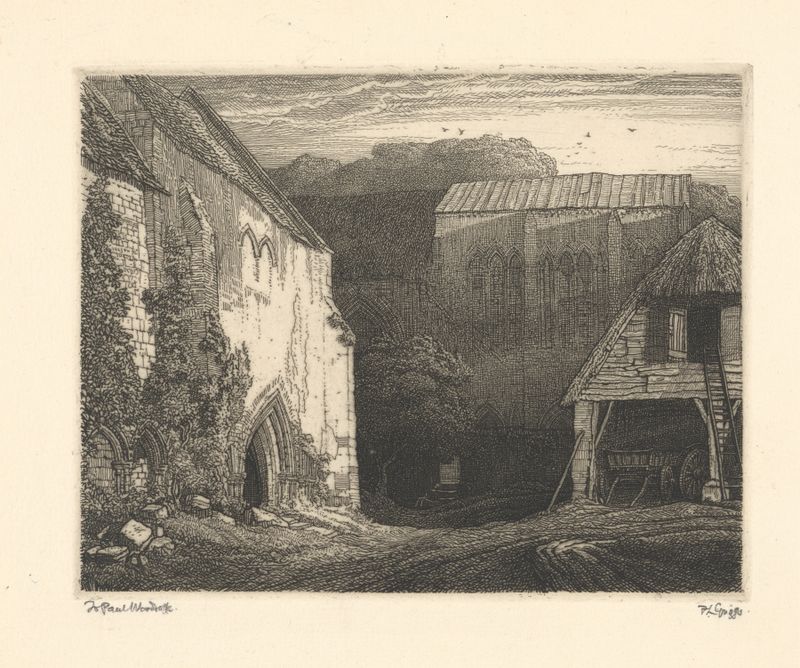
Priory Farm
Frederick Landseer Maur Griggs

St. Wendred’s March
Frederick Landseer Maur Griggs
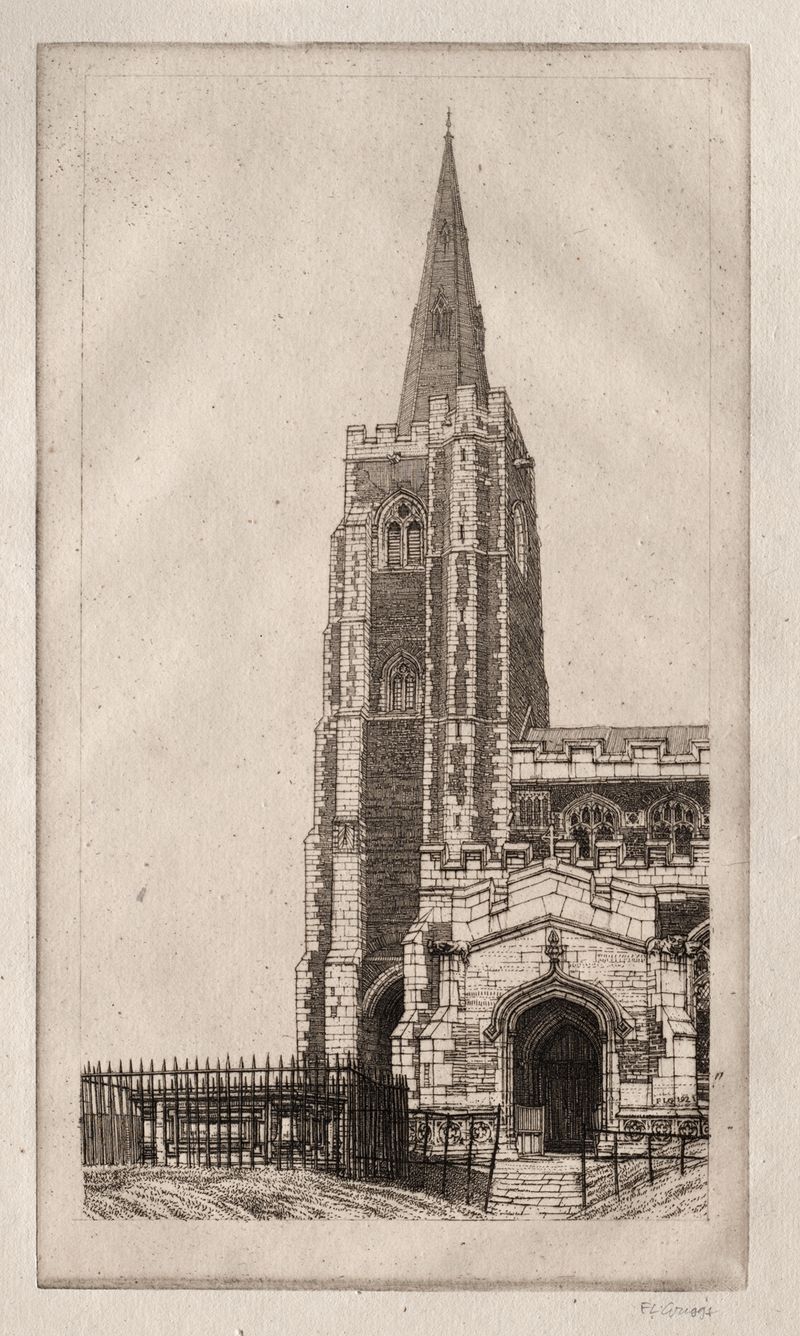
St. Wendred’s, March
Frederick Landseer Maur Griggs
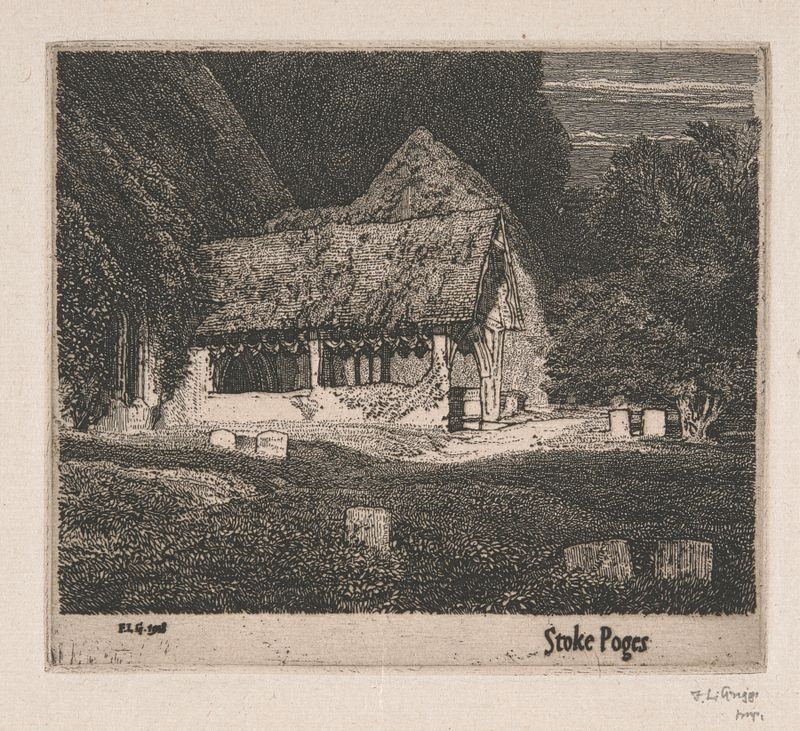
Stoke Poges
Frederick Landseer Maur Griggs





