
The Barbican — History & Facts
In the stillness of The Barbican, one feels the weight of history and the whispers of those who have walked the ancient paths. Each element in the composition invites a reflection on the divine presence that lingers within the architecture and natural surroundings. Look to the left at the ethereal light streaming through the towering arches, illuminating the weathered stone with a gentle warmth. This interplay of shadow and illumination captures the essence of the scene, revealing the intricate textures and muted hues that characterize the artist's palette.
Notice the way the delicate brushstrokes create movement in the foliage above, contrasting with the solid permanence of the structure — a conversation between the natural and the manmade. Beneath the surface, the artwork reveals deeper human emotions intertwined with themes of divinity. The absence of figures evokes a profound solitude, yet the subtle warmth of the light suggests an unseen presence, perhaps divine. The juxtaposition of the robust architecture against the delicate natural elements hints at the coexistence of the earthly and the spiritual, encouraging viewers to ponder their own connections to the sacred. Frederick Landseer Maur Griggs painted The Barbican in 1920 while living in England, a period marked by a growing interest in the English landscape and architectural heritage.
At this time, the artist was exploring themes of nostalgia and memory, influenced by both post-war sentiments and a renewed appreciation for historical sites. This work reflects his commitment to capturing the essence of a place, bridging the past with contemporary introspection.
More Artworks by Frederick Landseer Maur Griggs
Browse all →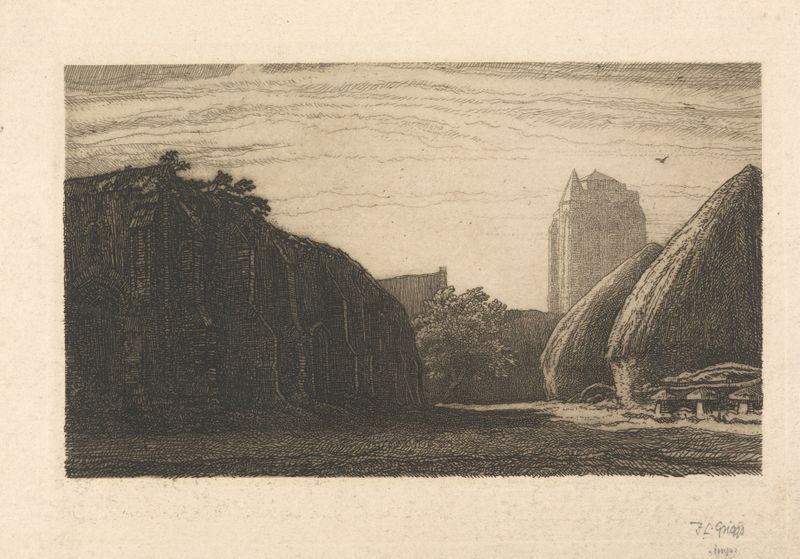
Maur’s Farm
Frederick Landseer Maur Griggs
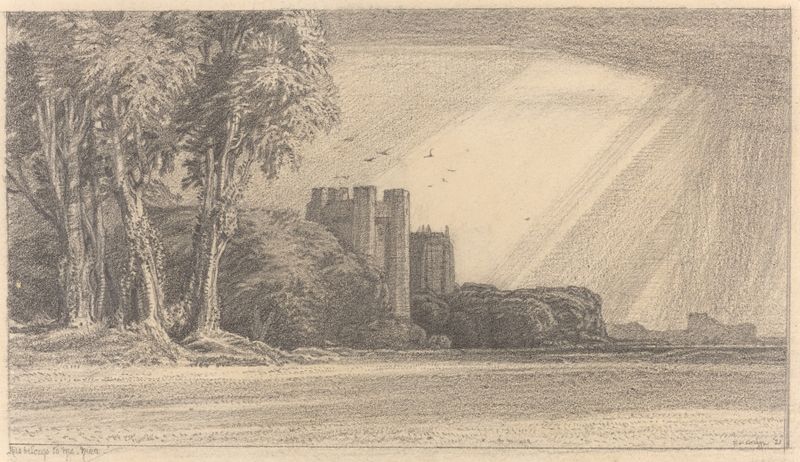
Landscape with Castle
Frederick Landseer Maur Griggs
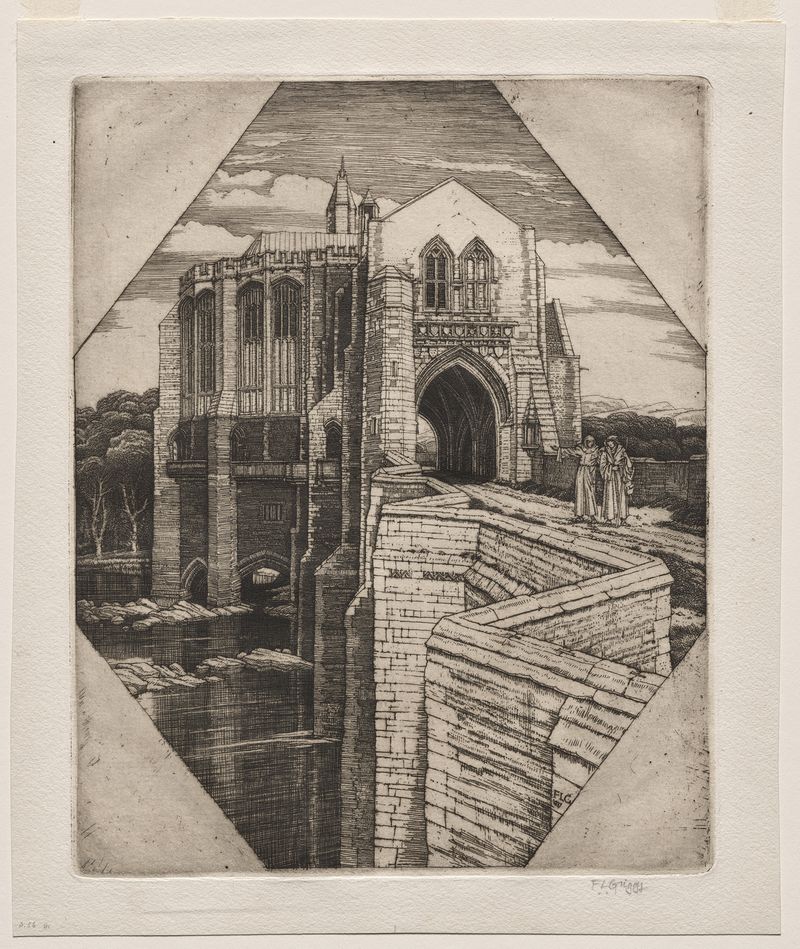
St. Botolph’s Bridge No. 2 1937
Frederick Landseer Maur Griggs
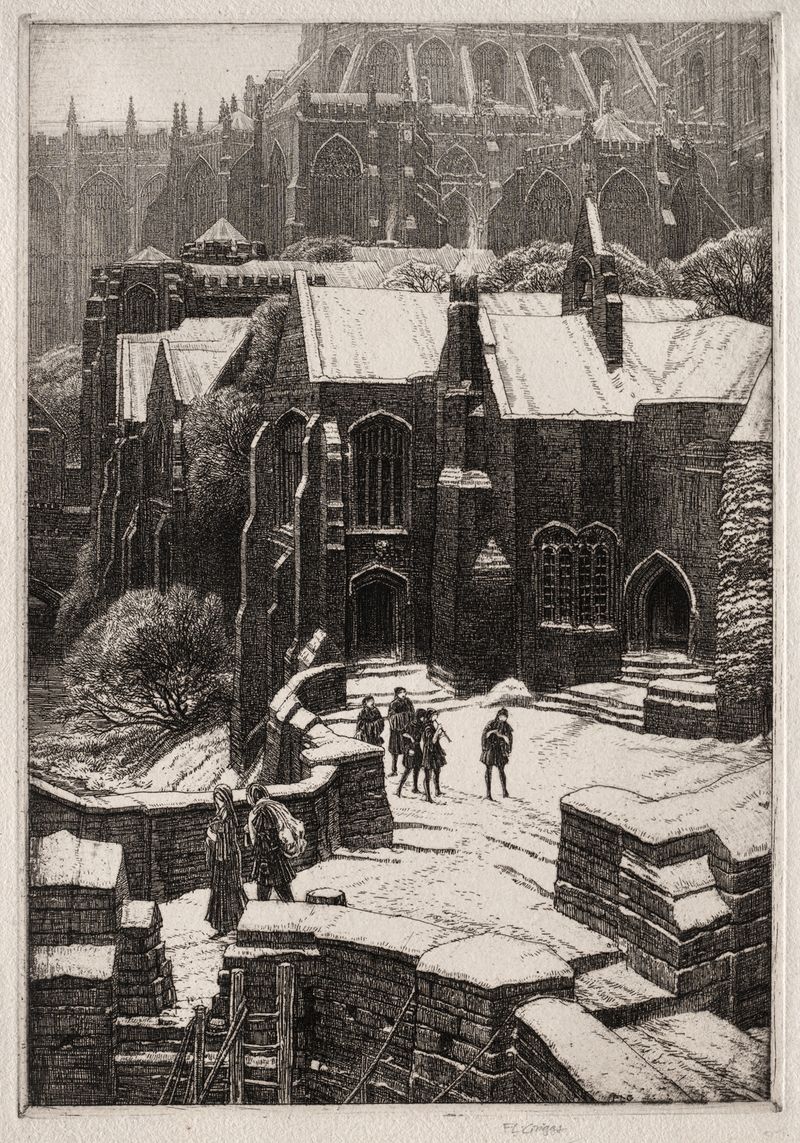
The Almonry
Frederick Landseer Maur Griggs

The Cresset
Frederick Landseer Maur Griggs

Maur’s Farm
Frederick Landseer Maur Griggs
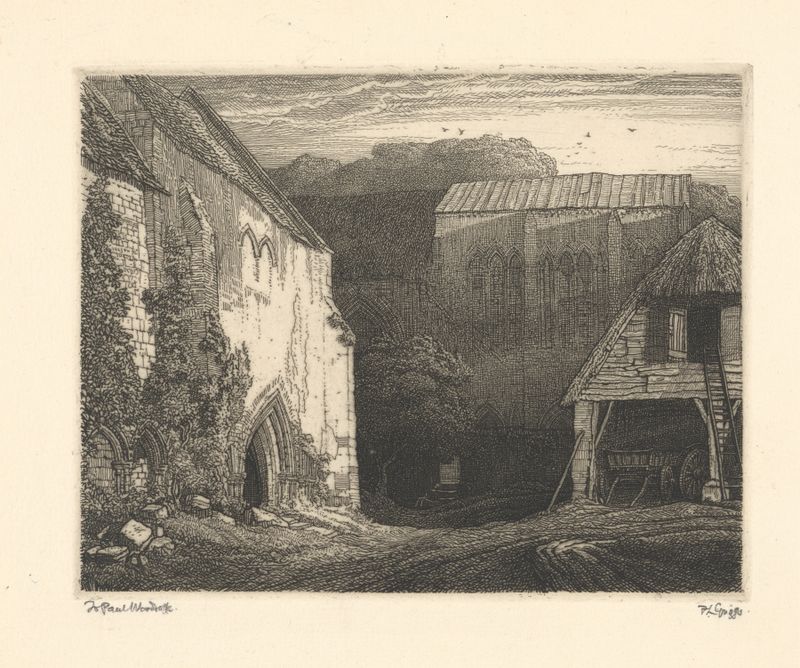
Priory Farm
Frederick Landseer Maur Griggs

St. Wendred’s March
Frederick Landseer Maur Griggs
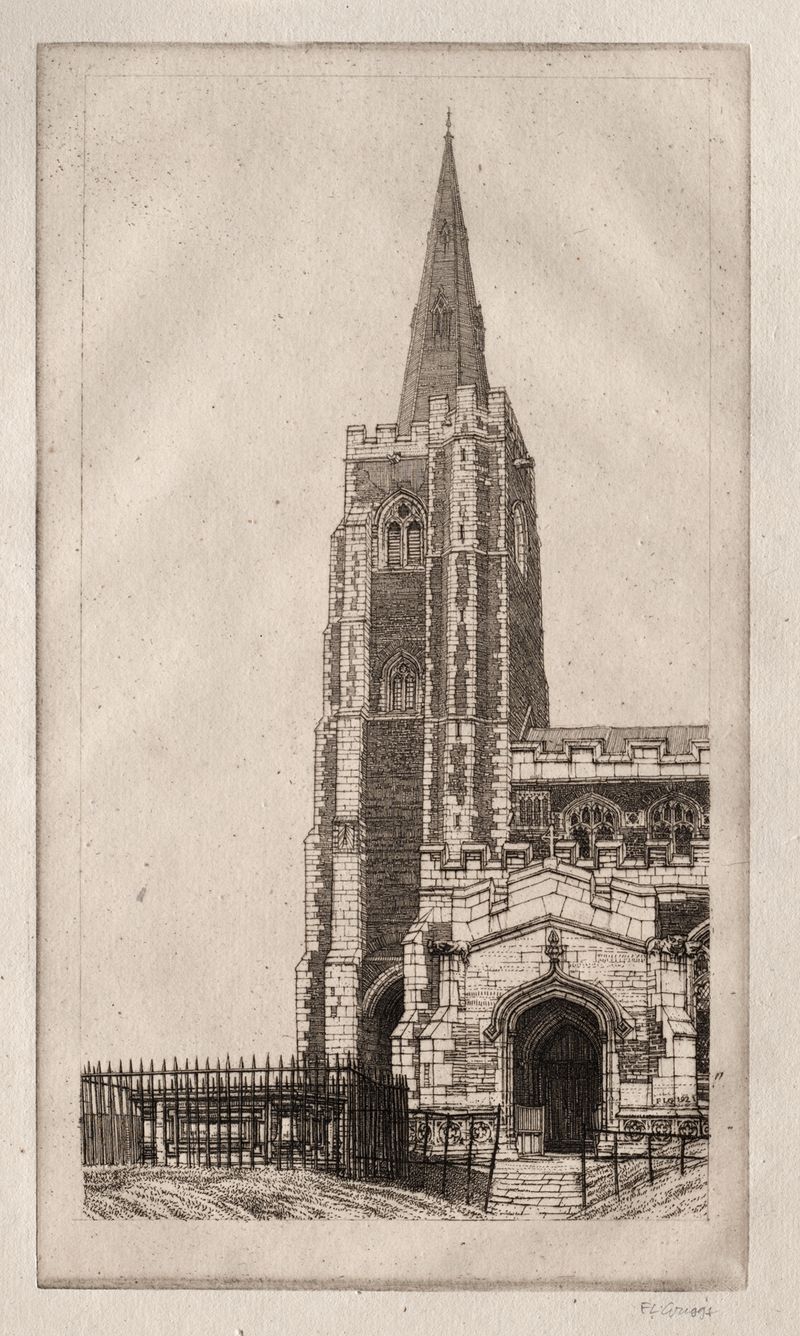
St. Wendred’s, March
Frederick Landseer Maur Griggs
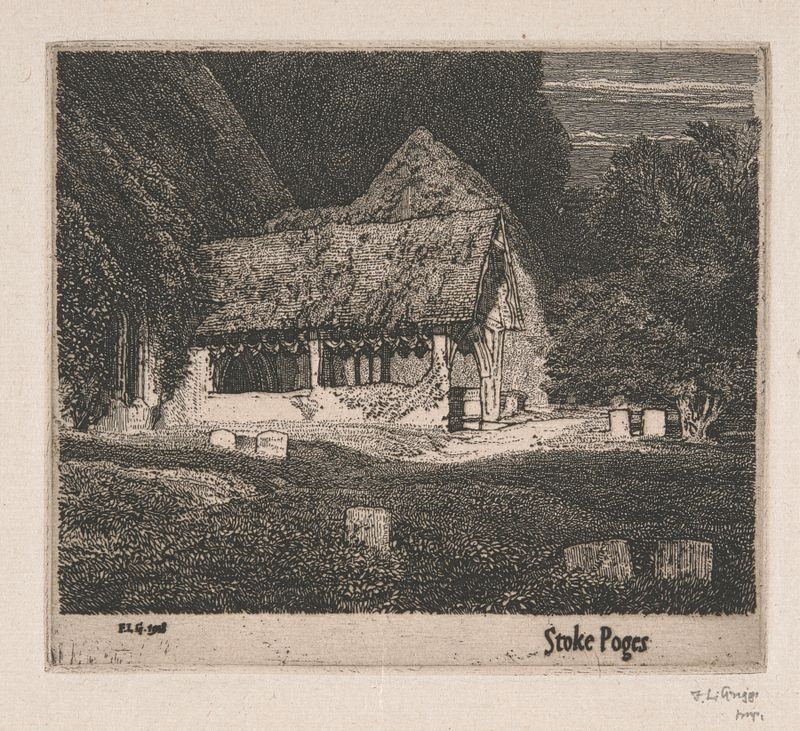
Stoke Poges
Frederick Landseer Maur Griggs
More Architecture Art
Browse all →
The statue of Liberty
Frédéric Auguste Bartholdi

View of Houses in Delft, Known as ‘The Little Street’
Johannes Vermeer

View of Houses in Delft, Known as ‘The Little Street’
Johannes Vermeer

The Cathedral in Rouen. The portal, Grey Weather
Claude Monet

The yellow house
Vincent van Gogh

The Church in Auvers-sur-Oise, View from the Chevet
Vincent van Gogh