
The Miracle of the Sacred Fire, Church of the Holy Sepulchre — History & Facts
A crowd gathers in hushed reverence, their faces illuminated by the flickering flames of the sacred fire. Tension fills the air, the weight of anticipation palpable as the faithful await a miraculous sign. Light dances upon their expressions, a mix of hope, fear, and unwavering devotion, while shadows stretch and flicker against the ancient stone walls around them. Look to the center of the scene, where a priest stands poised over the altar, a vessel in hand ready to catch the divine flames.
The rich colors of crimson and gold contrast sharply with the earthy tones of the stone, creating a visual vibrancy that draws your eyes in. Notice how the light falls upon the congregation, illuminating their faces, which are painted with both awe and trepidation as they gaze toward the holy ritual. Hunt’s meticulous attention to detail reveals the ornate carvings of the church, enriching the narrative embedded in this moment. Beneath the vibrancy lies a quagmire of fear and faith interwoven in the expressions of those present.
The light symbolizes hope and divine intervention, yet the tension in the air speaks to the uncertainty and anxiety felt by the faithful awaiting the miracle. The intricate details of the figures evoke not only religious fervor but also the human condition — the ever-present fear that faith may not be enough to witness the divine. Created between 1892 and 1899, this work emerged during a tumultuous time in Hunt’s life, marked by personal loss and a fervent desire to explore spirituality. The artist was reflecting on the intersection of faith and doubt in a rapidly changing world.
As a leading figure of the Pre-Raphaelite Brotherhood, Hunt sought to challenge conventional religious depictions, capturing the raw, emotional essence of belief amidst the profound complexities of the human experience.
More Artworks by William Holman Hunt
Browse all →
The Shadow of Death
William Holman Hunt

The Triumph of the Innocents
William Holman Hunt

View from a Terrace of a River Landscape at Night
William Holman Hunt

The Lizard, Cornwall
William Holman Hunt
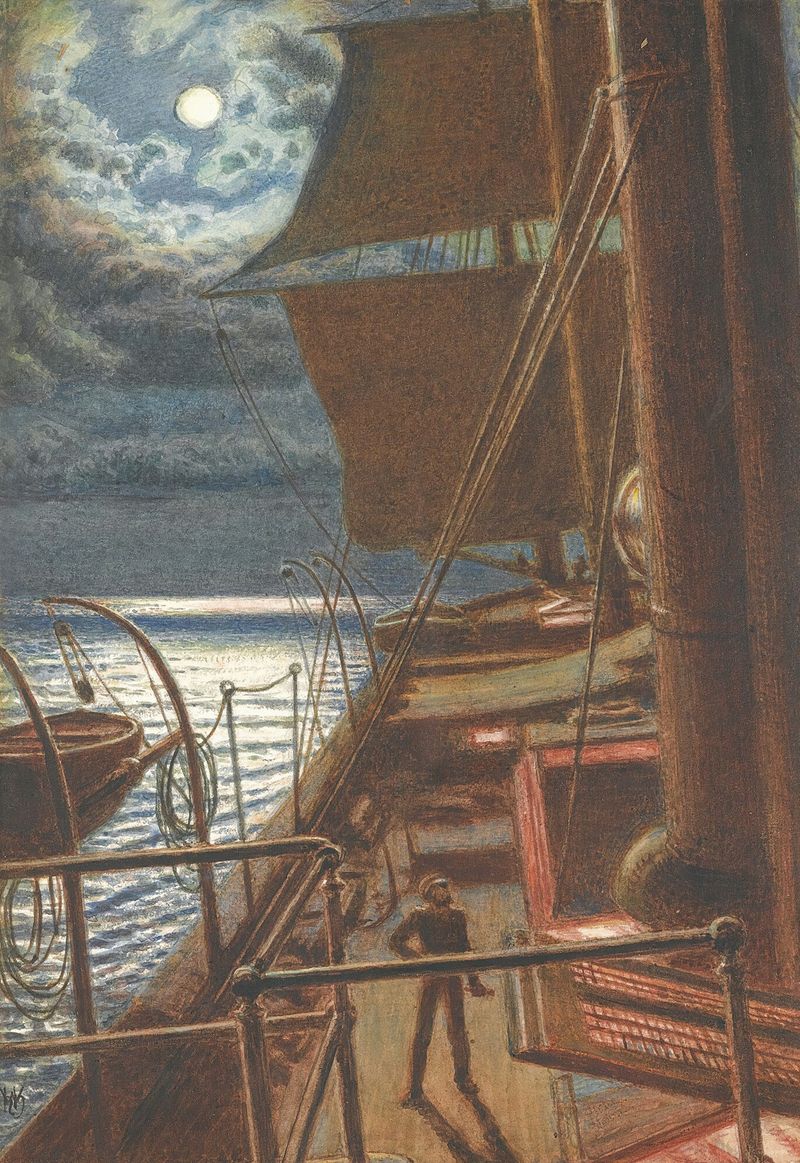
Homeward Bound
William Holman Hunt
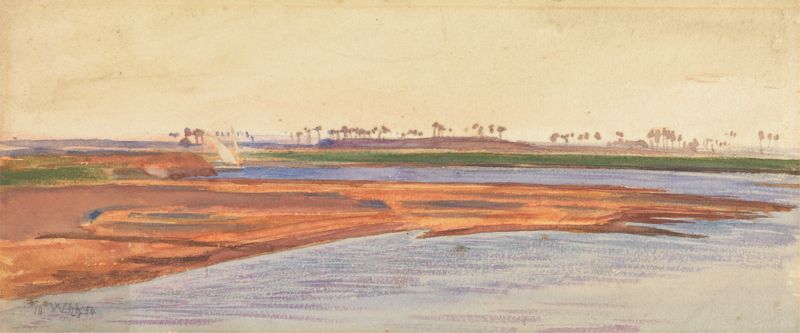
The Nile
William Holman Hunt
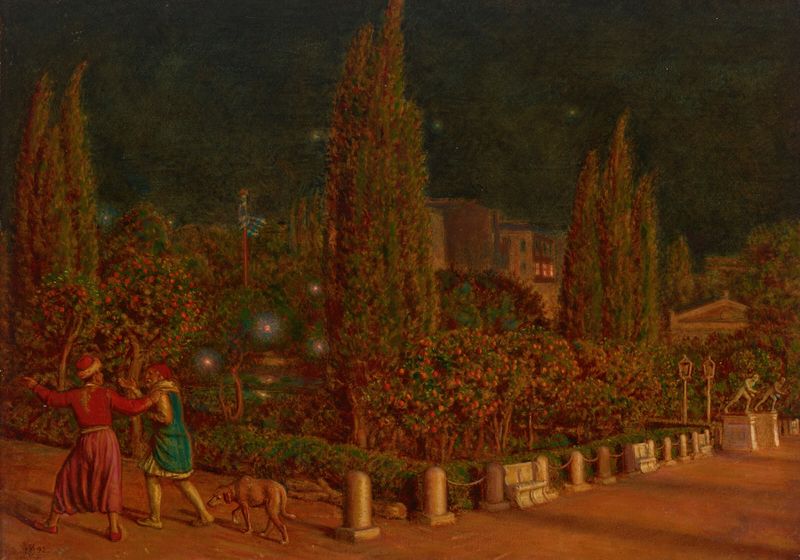
Piazza della Constituzione, Athens, by Night
William Holman Hunt
More Religious Art
Browse all →
The Return of the Prodigal Son
Rembrandt van Rijn

The Garden of Earthly Delights
El Bosco

Count Orgaz’ funeral
El Greco

The Hundred Guilder Print: the central piece with Christ preaching, the plate arched
Rembrandt van Rijn

The Descent from the Cross
Rogier van der Weyden

The return of the prodigal son
Rembrandt van Rijn