
The Molo, Venice, looking west with the reception of the Papal Nuncio Carlo Gaetano Stampa (1667–1742), later Cardinal-Archbishop of Milan, at the Doge’s Palace on 15 July 1721 — History & Facts
What if silence could speak through light? In the stillness of a historical moment, shadows stretch and mingle, whispering secrets of a world caught between grandeur and melancholy. Look to the left, where the soft, golden hues of the setting sun kiss the intricate architecture of the Doge's Palace. The delicate interplay of light and deep blue shadows creates a poignant contrast that draws your gaze toward the elegant figures gathered in anticipation. Notice how the artist employs a muted palette, allowing the rich textures of the scene to emerge—weathered stone, flowing silk, and the shimmering waters of the canal, all reflecting a day steeped in ceremony and reverence. Yet, beneath this opulent facade lies an undercurrent of tension; the gathering exudes a sense of formality and expectation that hints at deeper political maneuvering.
Each figure, adorned in their elaborate regalia, appears both regal and isolated, lost in their thoughts as they await the arrival of the Papal Nuncio. The subtle gestures—folded hands, averted gazes—speak to a somber reality, where ambition and duty overshadow personal desire, illustrating the bittersweet nature of power. Antonio Stom painted this work during a time of shifting allegiances and political intrigue in early 18th-century Venice. The artist’s career flourished amid the Baroque wave, characterized by its rich detail and vibrant emotion.
Residing in a city that thrived on diplomacy and artistic innovation, Stom captured a fleeting moment in history, encapsulating the complex interplay of faith, authority, and the human experience in a single frame.
More Historical Art
Browse all →
The Night Watch Militia Company of District II under the Command of Captain Frans Banninck Cocq
Rembrandt van Rijn
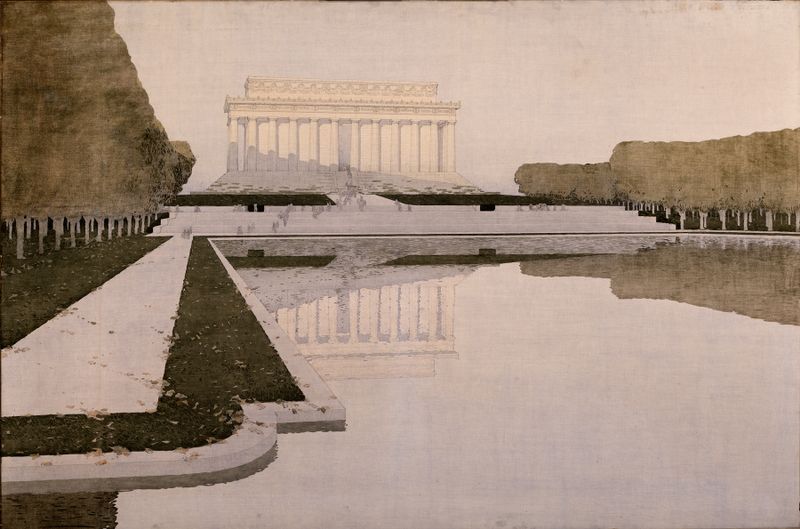
Lincoln Memorial
Henry Bacon
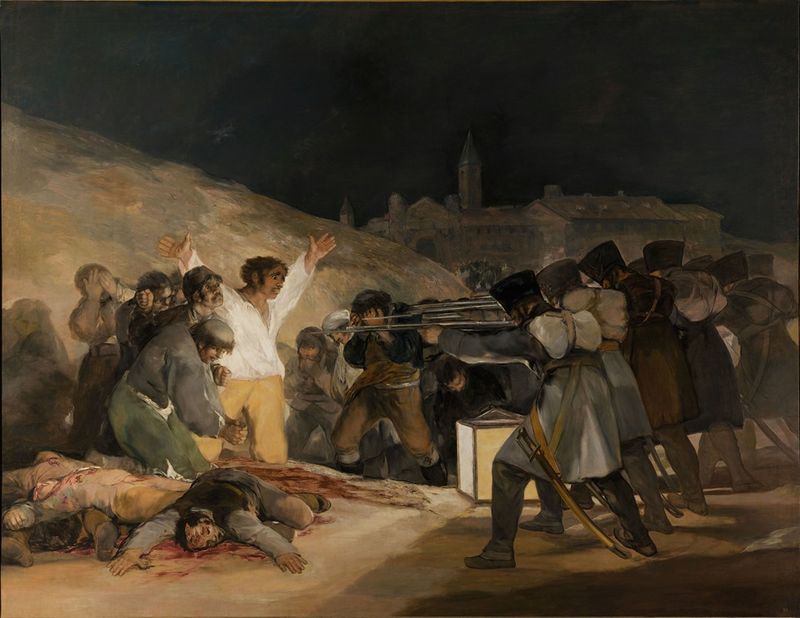
The Third of May 1808
Francisco de Goya

Isaac and Rebecca, Known as ‘The Jewish Bride’
Rembrandt van Rijn
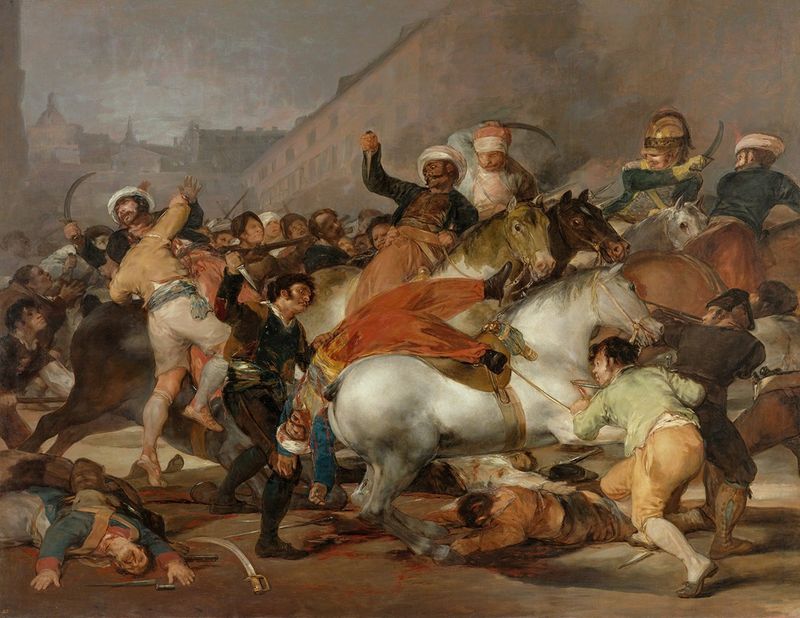
The Charge of the Mamelukes (1814)
Francisco de Goya

De vier ruiters van de apocalyps
Albrecht Dürer