
The North — History & Facts
The first thing that catches the eye in The North is the sheer scale of sky that dominates the canvas, dwarfing the landscape below and inviting the viewer into a space that feels both infinite and hushed. The horizon is a thin, pale line, almost lost in the expanse, while a winding river quietly threads its way through the dense green plain. The placement of weathered rocks and a few solitary trees in the foreground draws you to the edge of this overlook, as if you too have climbed to this vantage point to witness the vastness beyond.
Kuindzhi’s brushwork softens the transition between land and sky, blurring boundaries and suggesting the cool, lingering light of the north. The subdued palette—muted greens, grays, and violets—creates a mood of quiet distance, as if the world is holding its breath. Painted in 1879, this work is a product of the late nineteenth-century Russian fascination with landscape as a vehicle for national identity and emotion. Artists like Arkhip Ivanovich Kuindzhi were celebrated for their ability to capture the distinctive atmosphere of the Russian countryside, often seeking out remote or wild vistas that spoke to a sense of vastness and solitude.
Landscapes of this kind were rarely mere records of place; they were invitations to contemplation, commissioned or collected by those who valued the poetic and spiritual qualities of nature. While history has kept few traces of this particular painting’s journey, its presence in a documented collection today allows us to stand, for a moment, at the edge of Kuindzhi’s imagined north—where the land stretches endlessly and the sky is always just out of reach.
More Artworks by Arkhip Ivanovich Kuindzhi

Red Sunset on the Dnieper
Arkhip Ivanovich Kuindzhi
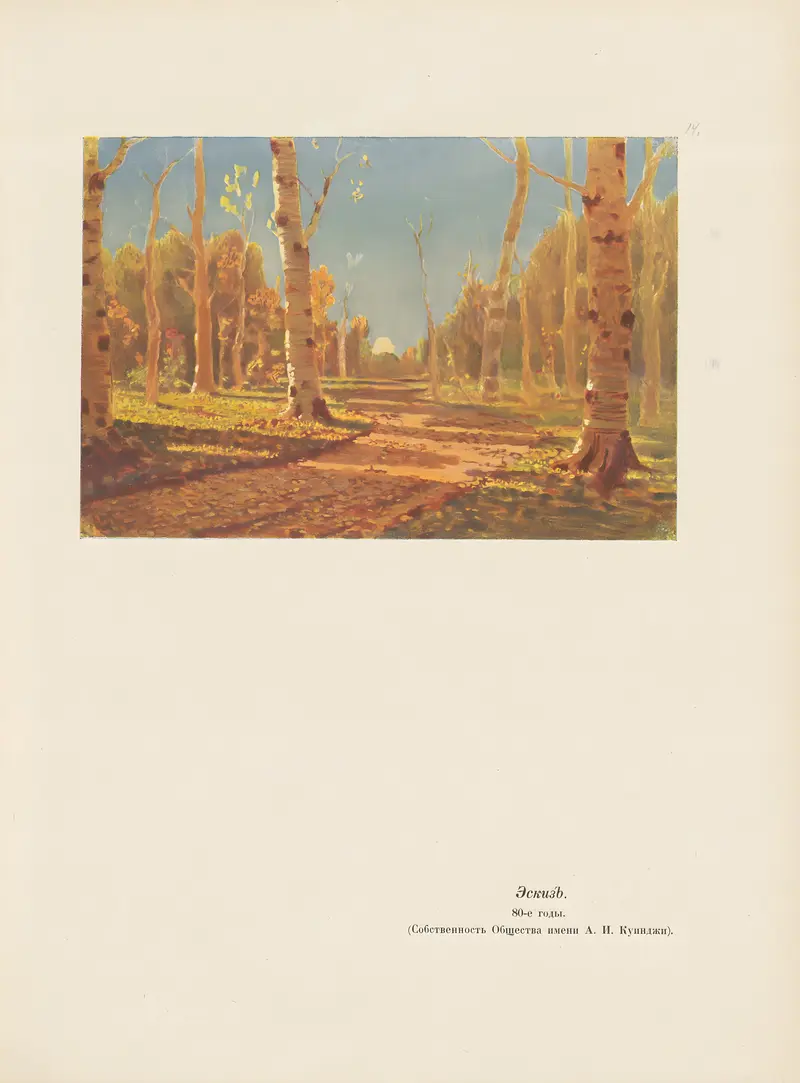
A. I. Kuindž Pl.09
Arkhip Ivanovich Kuindzhi
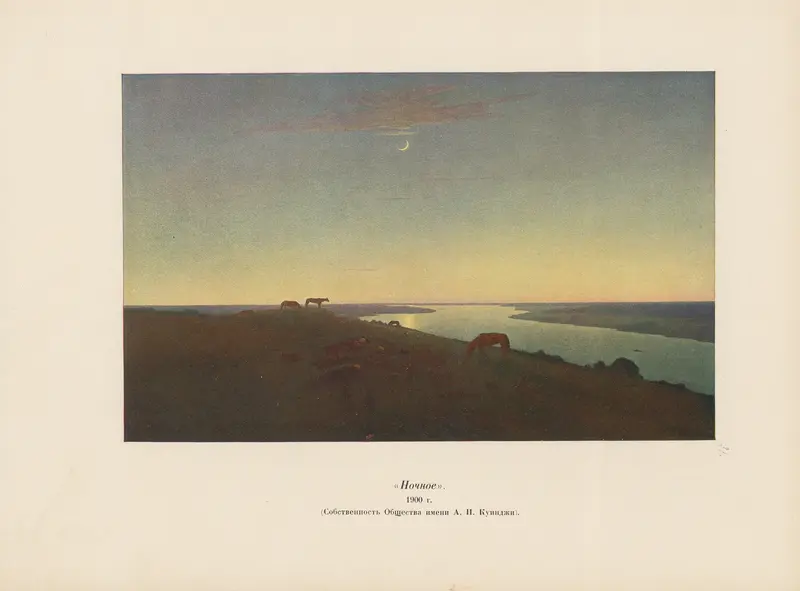
A. I. Kuindž Pl.26
Arkhip Ivanovich Kuindzhi
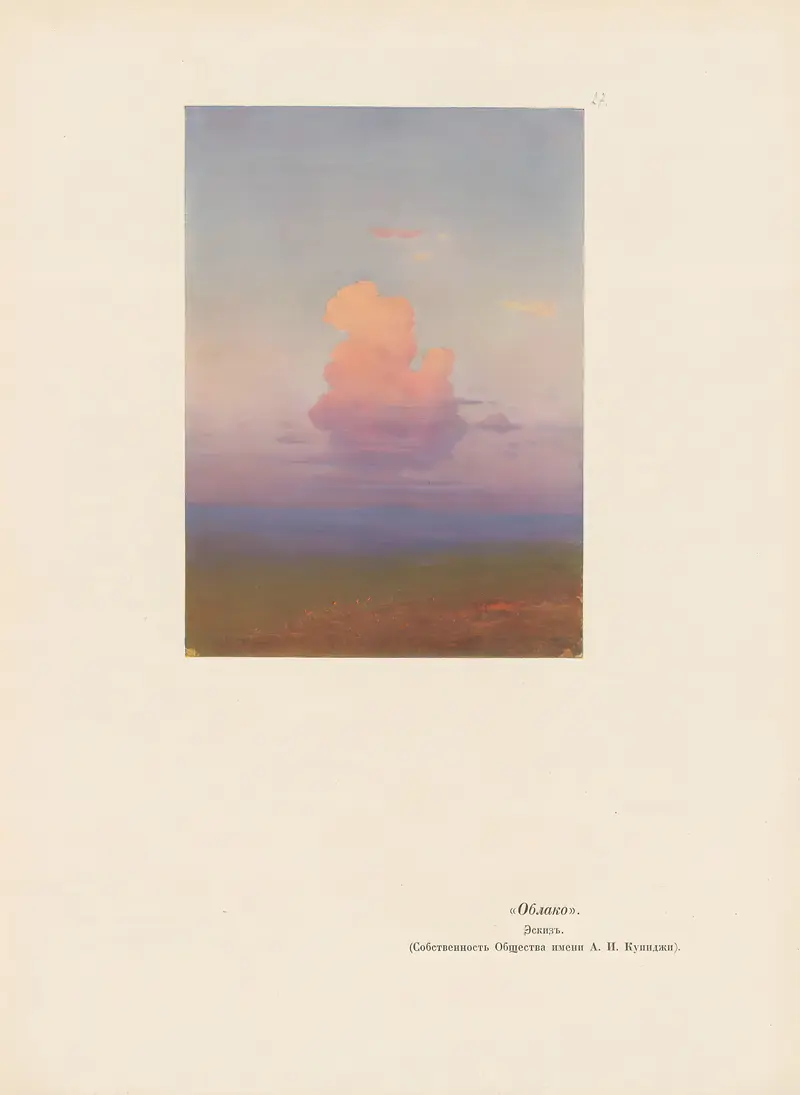
A. I. Kuindž Pl.22
Arkhip Ivanovich Kuindzhi
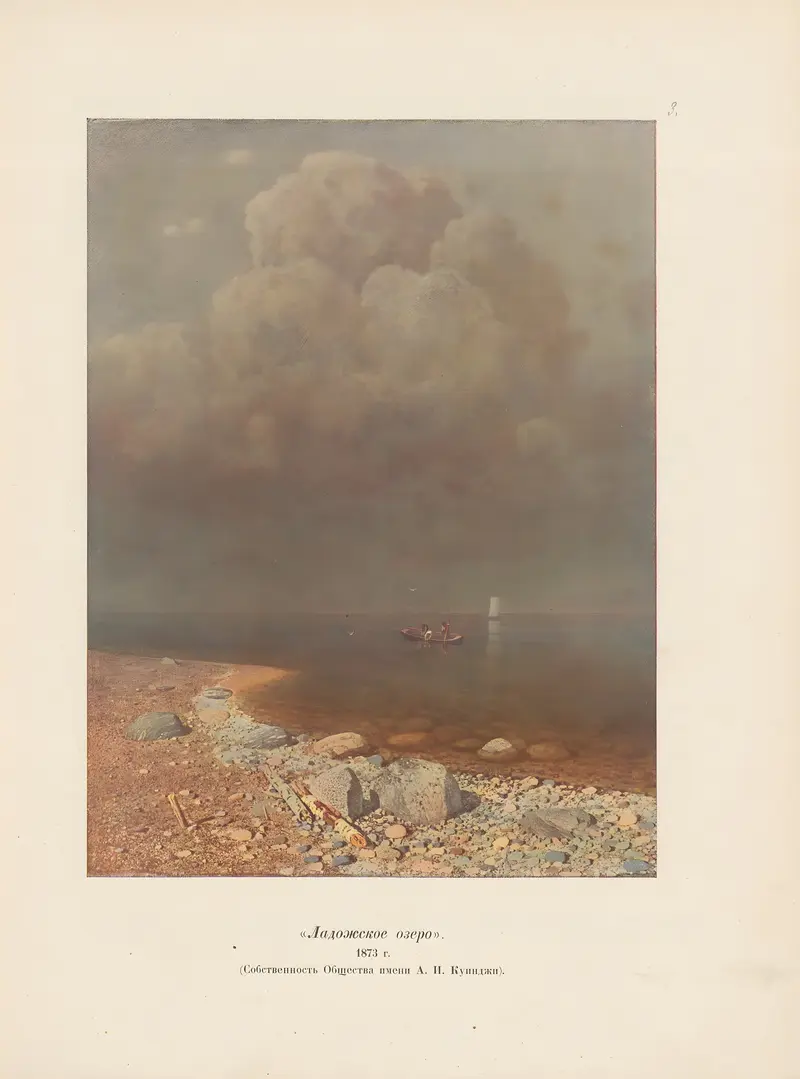
A. I. Kuindž Pl.01
Arkhip Ivanovich Kuindzhi
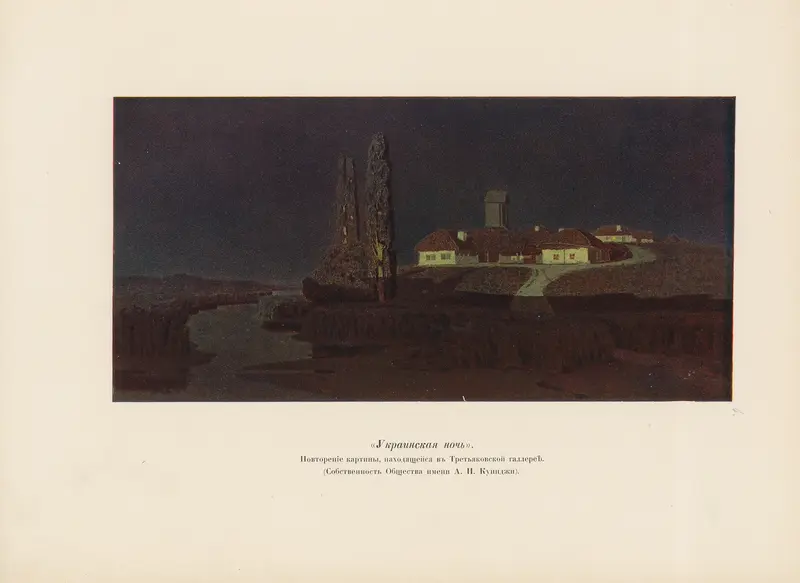
A. I. Kuindž Pl.03
Arkhip Ivanovich Kuindzhi
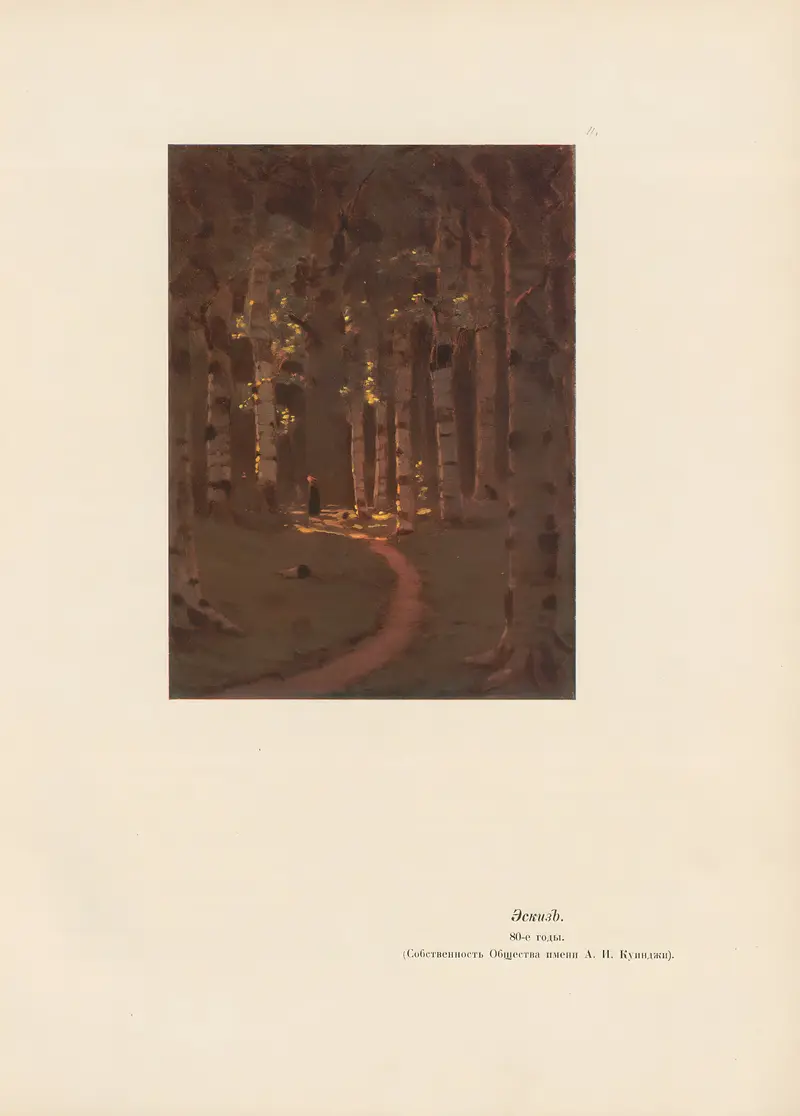
A. I. Kuindž Pl.06
Arkhip Ivanovich Kuindzhi
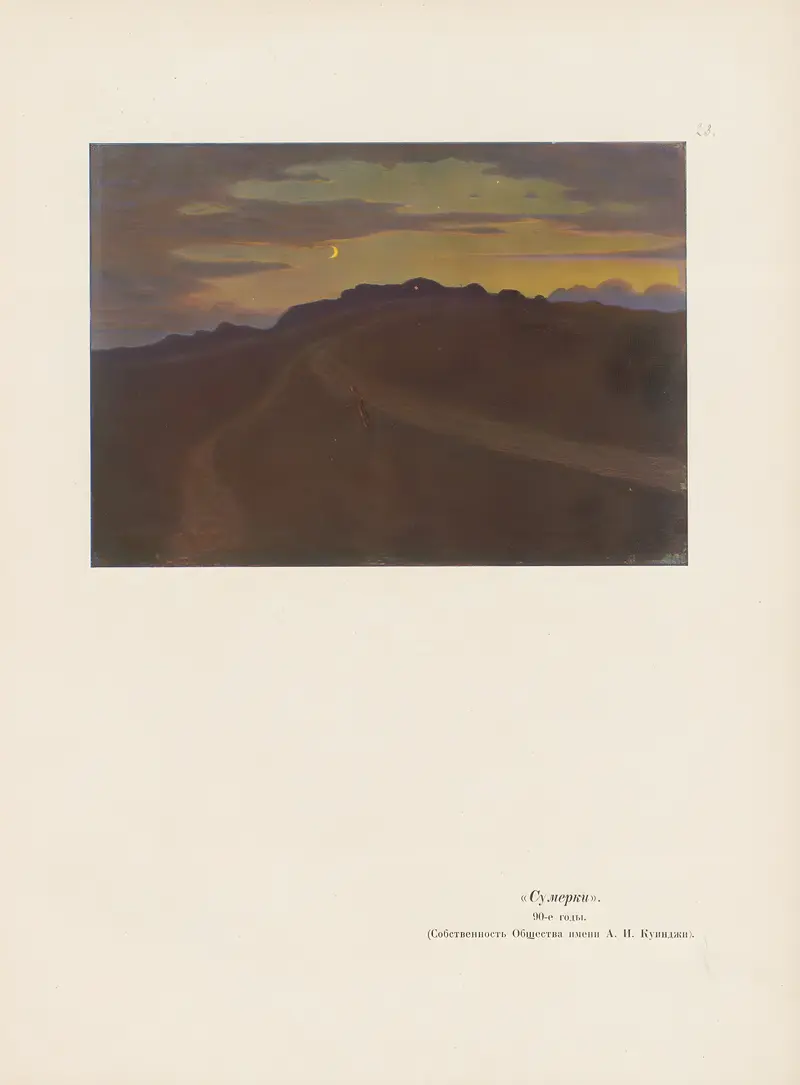
A. I. Kuindž Pl.18
Arkhip Ivanovich Kuindzhi
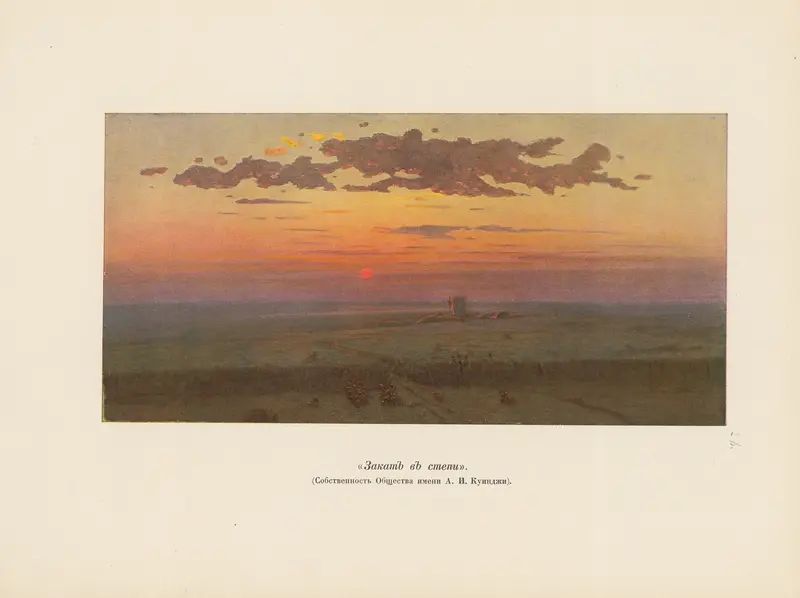
A. I. Kuindž Pl.21
Arkhip Ivanovich Kuindzhi

A. I. Kuindž Pl.12
Arkhip Ivanovich Kuindzhi
More Landscape Art

Starry Night
Vincent van Gogh

View of Delft
Johannes Vermeer

Water Lilies
Claude Monet

The Grand Canal, Venice, looking north-west from the Ca' Corner to the Ca' Contarini degli Scrigni, with the campanile of Santa Maria della Carità
Canaletto

Windsor Castle
Canaletto

The Grand Canal looking North-East from the Palazzo Dolfin-Manin to the Rialto Bridge
Canaletto