
The North Front of St. Paul’s — History & Facts
What if silence could speak through light? In the delicate interplay of shadows and illumination, a sense of profound loneliness emerges from the architecture and atmosphere captured in this striking work. Look to the luminous structure of St. Paul’s Cathedral, prominently centered in the composition. Notice how the warm, golden light bathes the dome, while cooler tones subtly envelop the surrounding buildings.
The meticulous attention to detail reveals a symphony of line and form, as intricate shadows dance along the façades, inviting the viewer deeper into this urban solitude. The stark contrast between the cathedral's grandeur and the modest surrounding structures accentuates a palpable sense of isolation. Beneath the surface, the painting hints at themes of resilience and abandonment. The towering cathedral stands as a sentinel of faith and hope amidst the seemingly desolate landscape, eliciting questions about the passage of time and the fleeting nature of human connection.
The empty streets below amplify the loneliness, as the distant figures appear almost ghostly, mere echoes in the vastness of the scene. This juxtaposition speaks volumes about the emotional landscape of the city and the human experience within it. In 1785, Thomas Malton the Younger created this piece during a time when London was undergoing significant transformation. The burgeoning influence of neoclassical architecture was reshaping the city, and the artist, known for his precision and perspective, sought to capture its evolving identity.
Malton's meticulous rendering of St. Paul’s reflects not only his technical skill but also his engagement with the broader artistic trends of his time, as he explored the tension between permanence and change in urban life.
More Artworks by Thomas Malton the Younger
Browse all →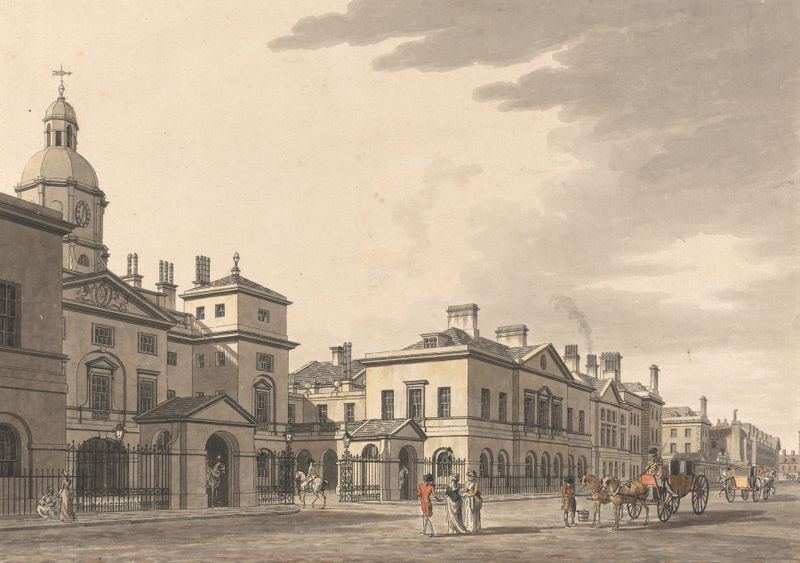
Horse Guards, Whitehall
Thomas Malton the Younger

Interior of St. Paul’s Cathedral
Thomas Malton the Younger
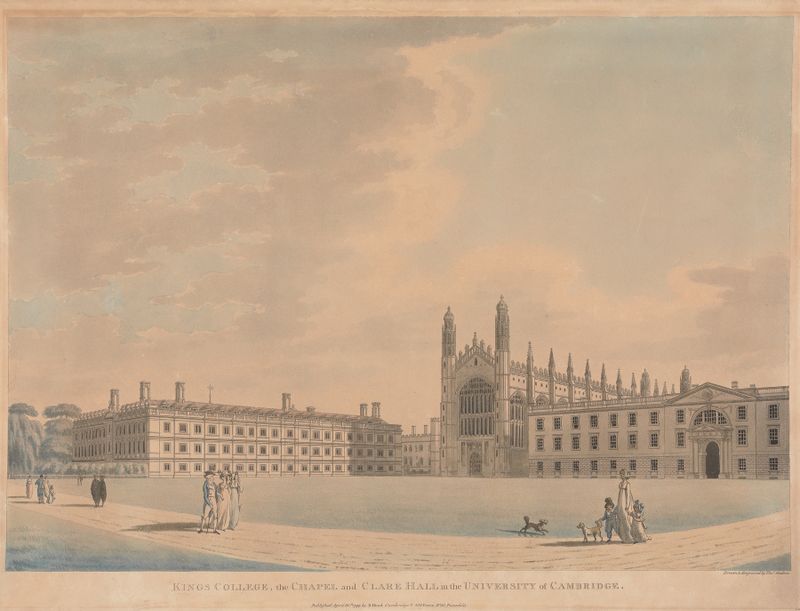
Kings College, the Chapel and Clare Hall in the University of Cambridge
Thomas Malton the Younger

Cambridge University; Jesus College
Thomas Malton the Younger
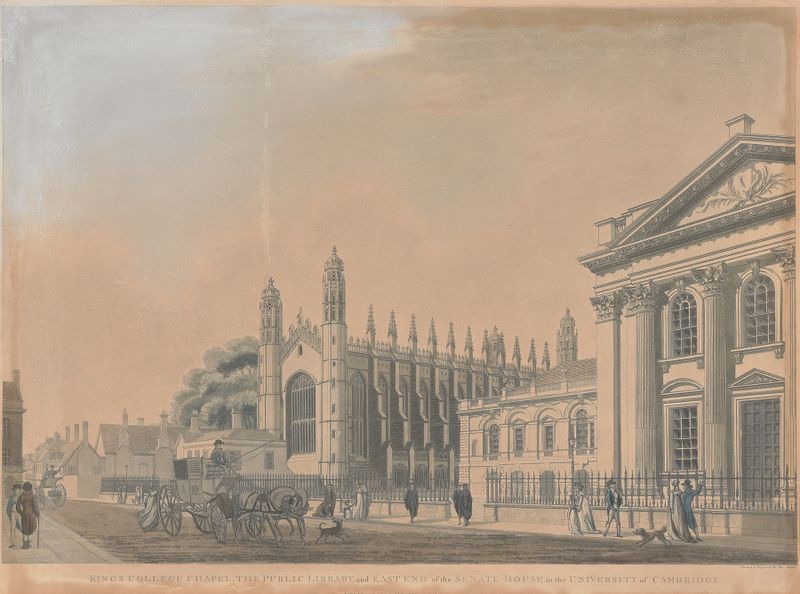
Cambridge University; Kings College Chapel
Thomas Malton the Younger
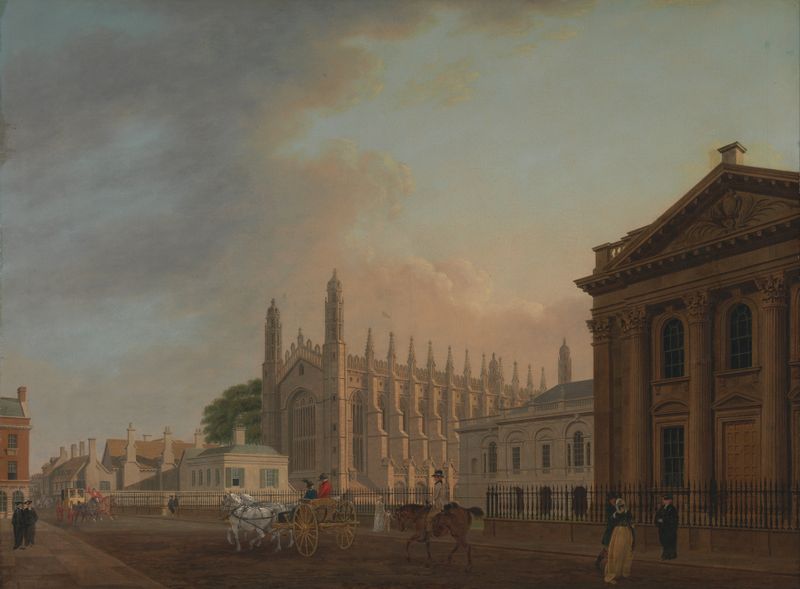
King’s Parade, Cambridge
Thomas Malton the Younger

Cambridge University; Queens College
Thomas Malton the Younger
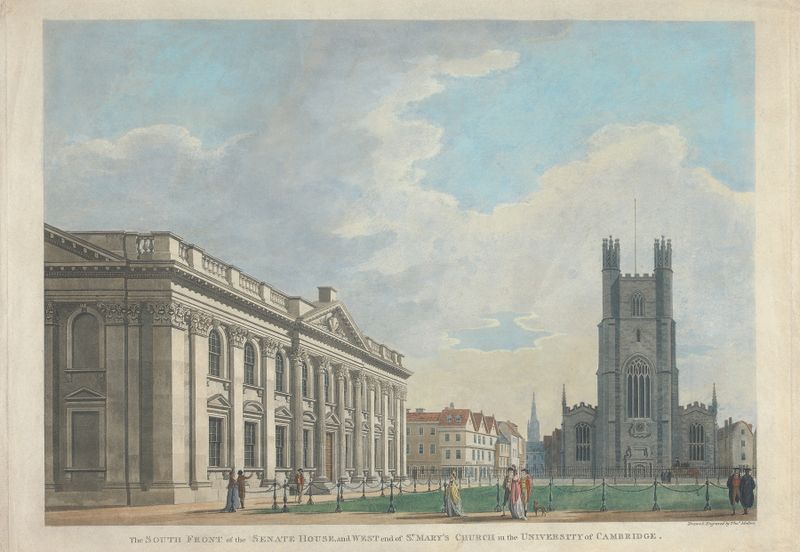
The South Front of the Senate House, and West End of St Mary’s Church in the University of Cambridge
Thomas Malton the Younger
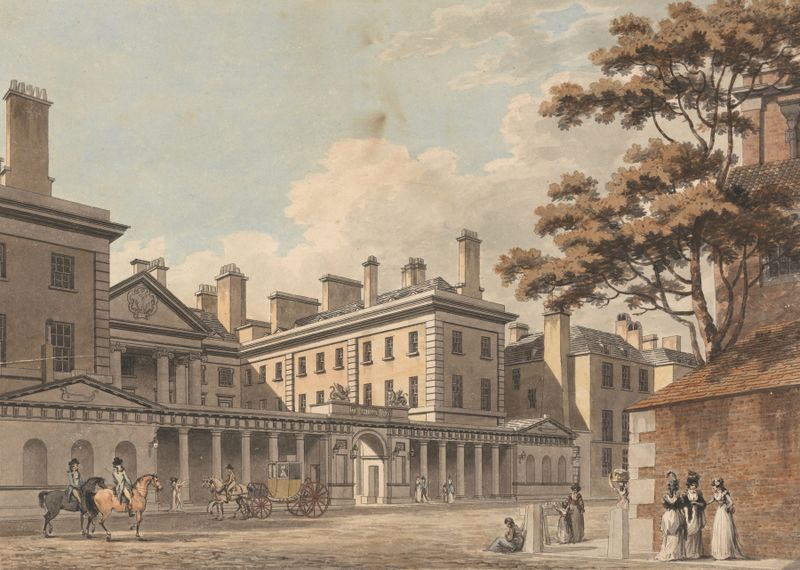
The Admiralty
Thomas Malton the Younger

Banqueting House, Whitehall
Thomas Malton the Younger
More Architecture Art
Browse all →
The statue of Liberty
Frédéric Auguste Bartholdi

View of Houses in Delft, Known as ‘The Little Street’
Johannes Vermeer

View of Houses in Delft, Known as ‘The Little Street’
Johannes Vermeer

The Cathedral in Rouen. The portal, Grey Weather
Claude Monet

The yellow house
Vincent van Gogh

The Church in Auvers-sur-Oise, View from the Chevet
Vincent van Gogh