
The Admiralty — History & Facts
In the realm of art, few pieces encapsulate the weight of legacy quite like this one. Through the intricate architecture and sweeping vistas, a story of ambition and transience unfolds—a reminder that grandeur often conceals the fragility of existence. Look to the left where a grand ship emerges, its sails billowing against a backdrop of twilight hues. The delicate strokes evoke a sense of movement, guiding the eye toward the horizon where the sky kisses the sea.
Notice how the warm ochres and deep blues play against each other, imbuing the scene with a dynamic melancholy, while the meticulous detailing of the ships and buildings speaks to the artist's reverence for craftsmanship and precision. Each element is thoughtfully placed, creating a harmonious balance between nature and human endeavor. Beneath the surface, contrasts run deep. The juxtaposition of the vibrant, bustling harbor against the looming stillness of the distant city suggests the inevitable passage of time—a fleeting moment captured amidst the relentless march of history.
Shadows linger around the edges, hinting at stories left untold, while the glow of the sunset infuses the scene with a transient beauty that reflects both hope and nostalgia. Here, legacy is not merely an inheritance, but a weighty burden of dreams unfulfilled. Created during an era of enlightenment, The Admiralty finds its roots in a time when Thomas Malton the Younger was honing his skills as a topographical artist in London. The late 18th century saw burgeoning interest in documentation and representation of urban landscapes, influenced by a growing sense of national pride and an expanding maritime empire.
In this context, Malton's work not only captures the physical beauty of the harbor but also serves as a commentary on the aspirations and struggles of a society in flux.
More Artworks by Thomas Malton the Younger
Browse all →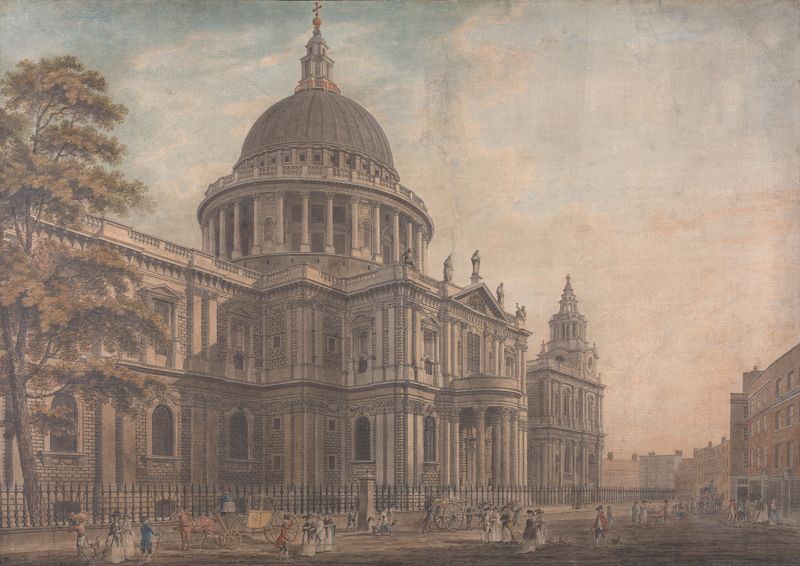
The North Front of St. Paul’s
Thomas Malton the Younger
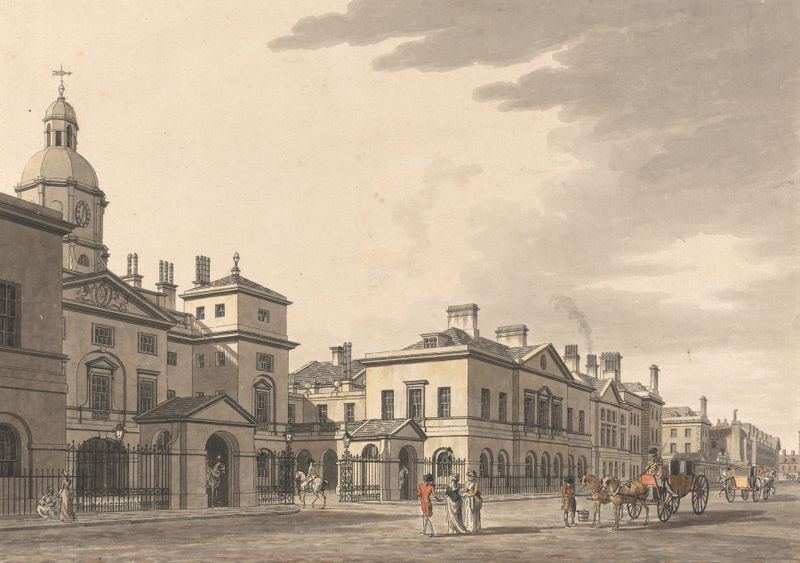
Horse Guards, Whitehall
Thomas Malton the Younger

Interior of St. Paul’s Cathedral
Thomas Malton the Younger
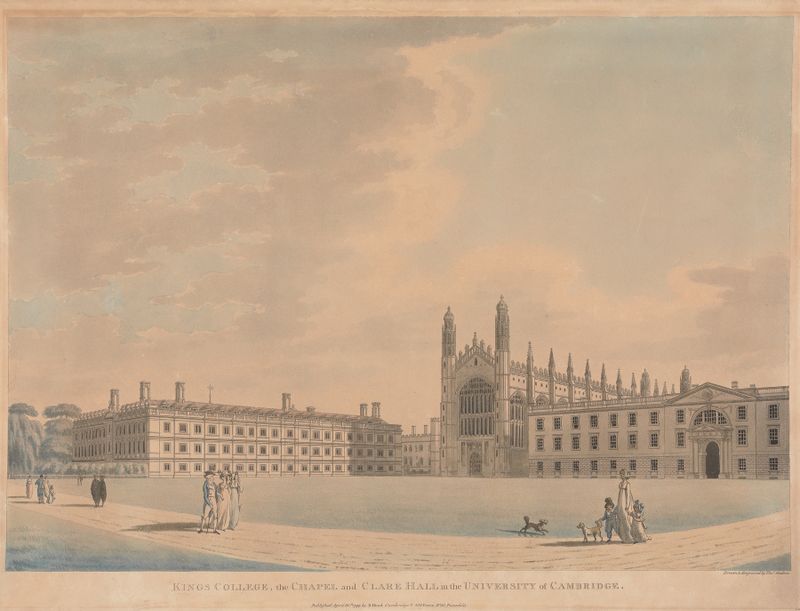
Kings College, the Chapel and Clare Hall in the University of Cambridge
Thomas Malton the Younger

Cambridge University; Jesus College
Thomas Malton the Younger
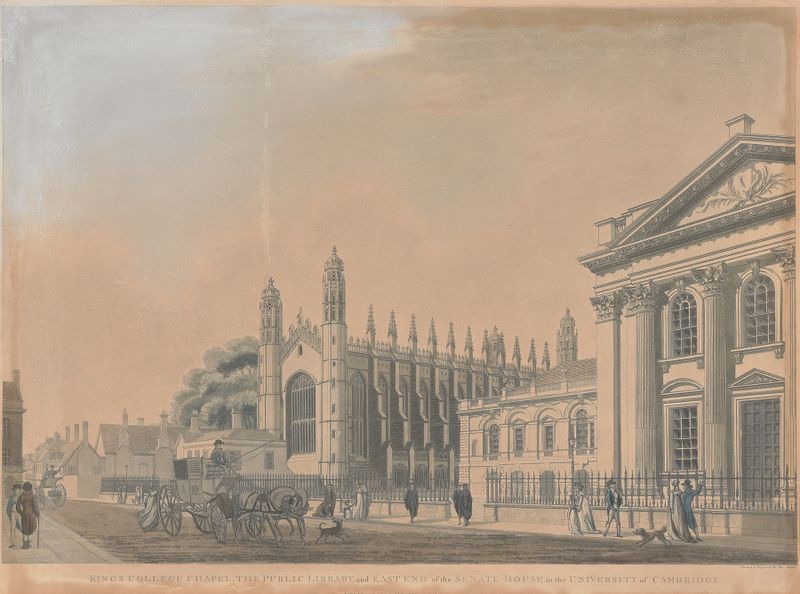
Cambridge University; Kings College Chapel
Thomas Malton the Younger
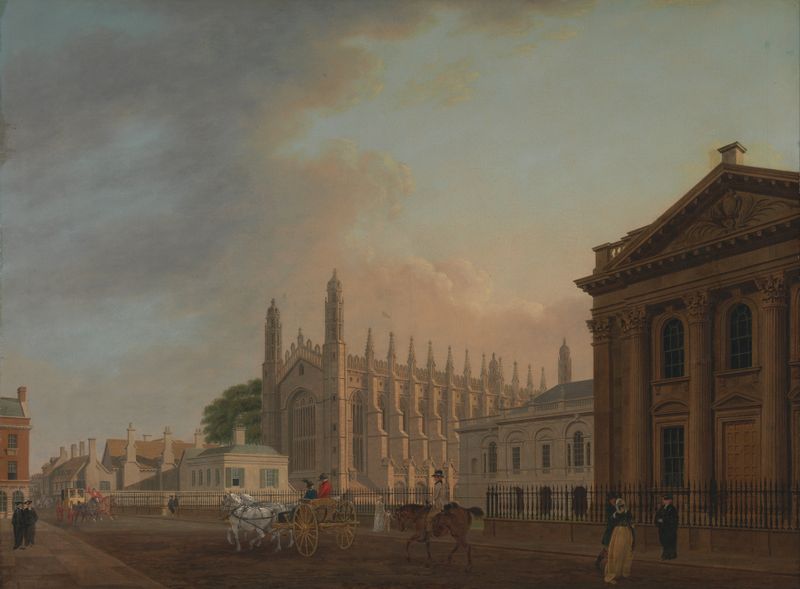
King’s Parade, Cambridge
Thomas Malton the Younger

Cambridge University; Queens College
Thomas Malton the Younger
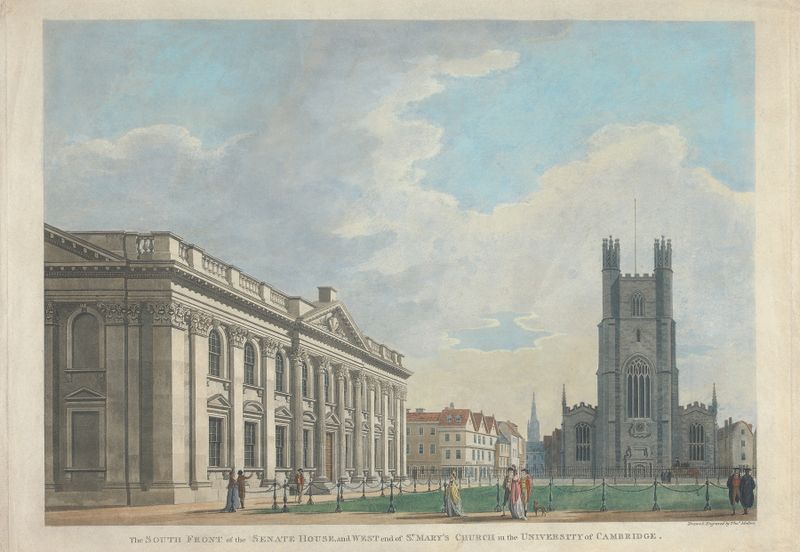
The South Front of the Senate House, and West End of St Mary’s Church in the University of Cambridge
Thomas Malton the Younger

Banqueting House, Whitehall
Thomas Malton the Younger





