
The Old Bridge — History & Facts
Did the painter know this moment would outlive them? In The Old Bridge, a fleeting tranquility rests on the canvas, capturing both the passage of time and the quiet permanence of nature’s embrace. Focus on the gentle curve of the bridge as it sweeps across the canvas, drawing the eye toward the distant horizon. The interplay of light and shadow dances over the weathered stones, creating a tapestry of textures that evoke a sense of history. Notice how the soft greens and browns of the surrounding landscape harmonize with the muted colors of the bridge, suggesting a serene coexistence between human endeavor and the natural world. Each brushstroke reveals emotional undercurrents — a longing for connection, the inevitability of decay, and a deep reverence for the past.
The overhanging trees serve as guardians of the bridge, their roots intertwining with the stones, hinting at the life that flourishes around this man-made structure. Water flows quietly beneath, symbolizing the relentless march of time, a reminder that while bridges may weather, nature endures. Hermann Ottomar Herzog painted this work in the late 19th century, a time when landscapes were a prominent focus in the art world. Living in America after emigrating from Germany, Herzog was influenced by both Romanticism and the burgeoning realism of the period.
His works often reflected a deep appreciation for the sublime beauty of nature, showcasing his skill in capturing light and atmosphere, which resonated with a changing society eager to connect with the natural world.
More Artworks by Hermann Ottomar Herzog
Browse all →
Snow-Capped Peaks
Hermann Ottomar Herzog
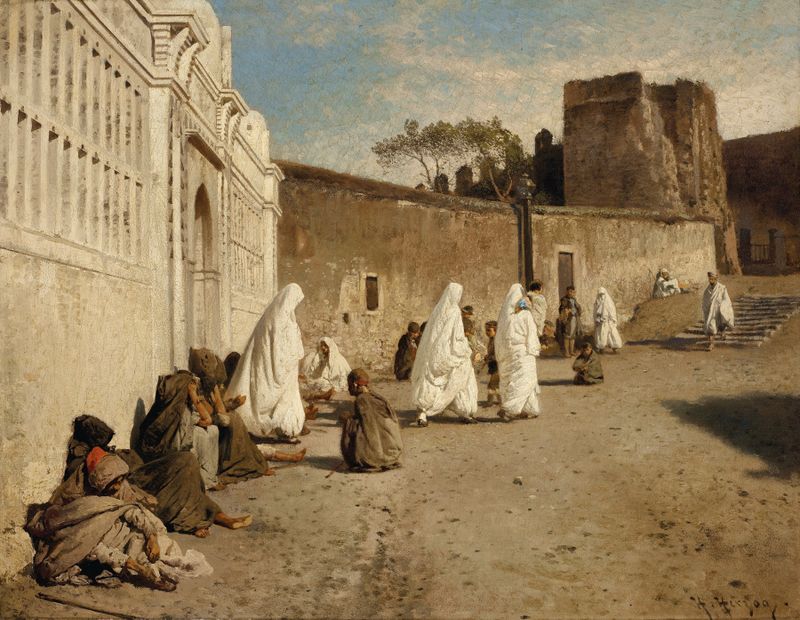
Entrance into the Alhambra, Spain
Hermann Ottomar Herzog

Hafen in Ostende
Hermann Ottomar Herzog
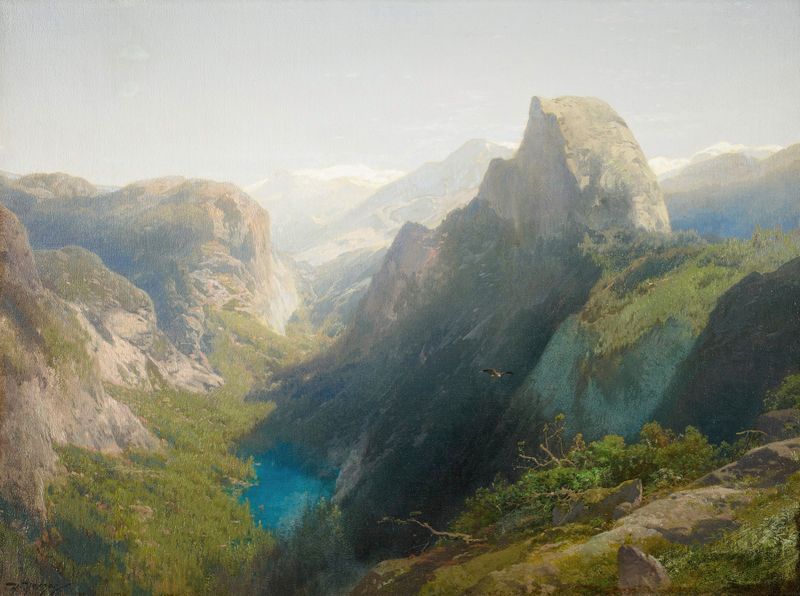
Mirror Lake, Yosemite
Hermann Ottomar Herzog
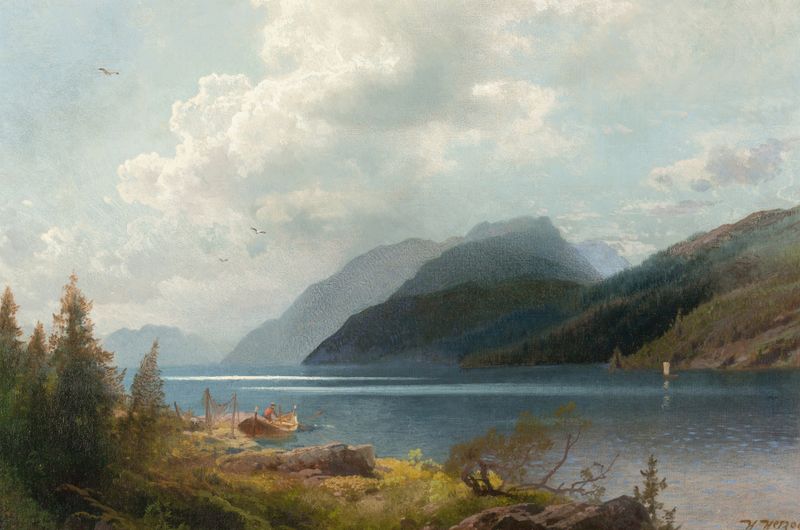
Mountain Lake, Sagne Fjord, Norway
Hermann Ottomar Herzog
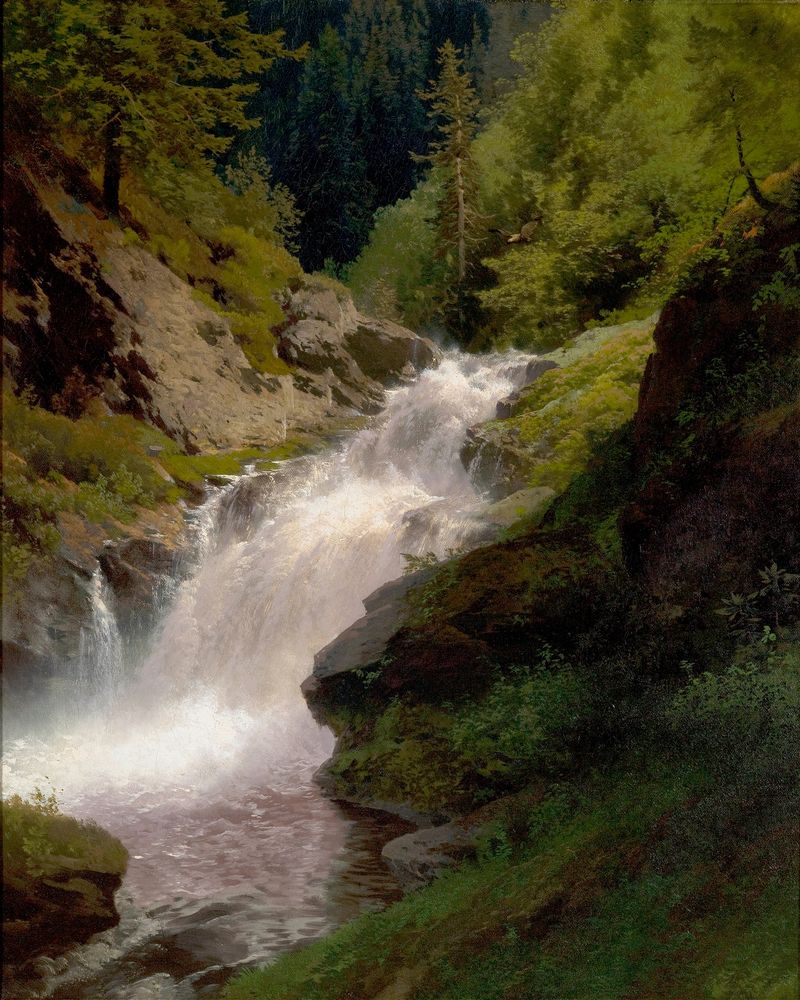
Winona Falls
Hermann Ottomar Herzog
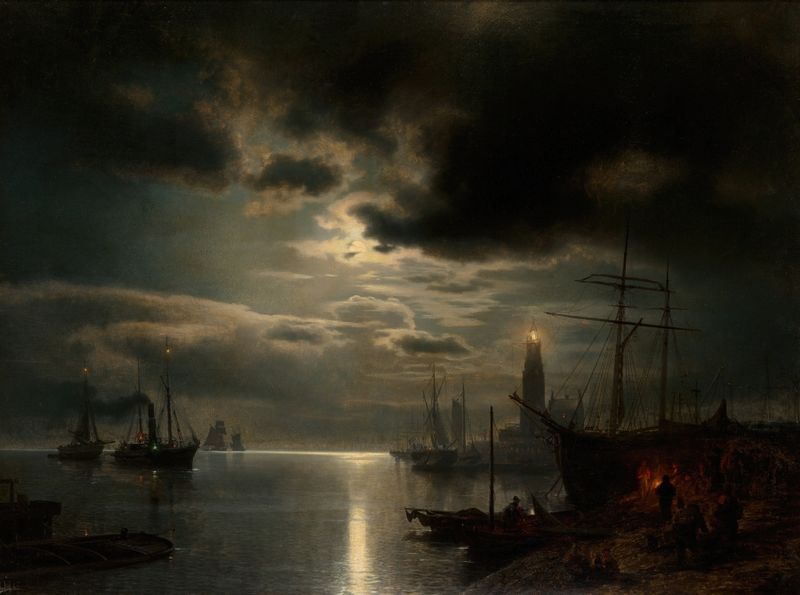
A Moonlit Harbor
Hermann Ottomar Herzog
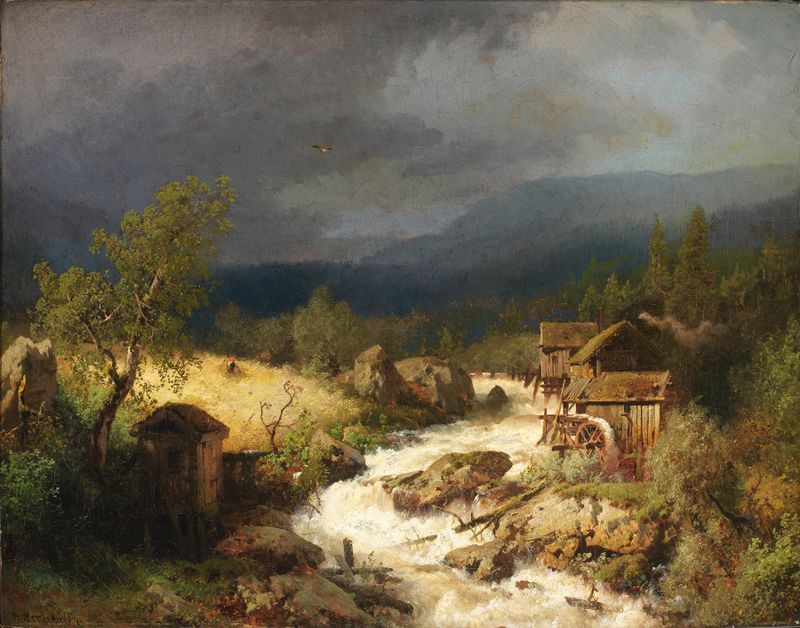
Mill on a Torrent
Hermann Ottomar Herzog

The Rippling River
Hermann Ottomar Herzog

Alpine Landscape Mountain Hut
Hermann Ottomar Herzog





