
The Rippling River — History & Facts
Who listens when art speaks of silence? In The Rippling River, an echo of awakening resonates quietly against the shimmering water's surface, inviting contemplation and introspection. Look to the left at the soft, undulating banks, where the rich greens of foliage meld seamlessly into the tranquil blues of the river. The delicate brushwork captures the caress of sunlight gliding over the water, creating a dance of reflections that flicker with life. Tentative strokes suggest movement, as if the viewer is poised on the brink of stepping into this serene landscape, becoming part of the scene.
The gentle gradients of color from deep azure to lighter cerulean evoke a sense of depth, urging the eye to navigate the canvas. Beneath the surface, the work embodies themes of stillness and transience. The rippling river symbolizes the passage of time, each wave a reminder of moments slipping away, while the surrounding nature stands steadfast and eternal. The interplay of light and shadow introduces a tension between the ephemeral and the enduring, urging the observer to reflect on their own experiences of loss and renewal.
The tranquil setting invites a moment of pause, where thoughts of personal change awaken in the mind's quiet corners. Herzog painted this piece during a time when he was exploring American landscapes, encapsulating the serene beauty of nature. Living in the late 19th century, he was influenced by Romantic ideals and a growing appreciation for the American wilderness, which fueled his artistic endeavors. His works often reflect a deep connection to the environment, showcasing a moment of stillness amid the chaos of the world around him.
More Artworks by Hermann Ottomar Herzog
Browse all →
Snow-Capped Peaks
Hermann Ottomar Herzog
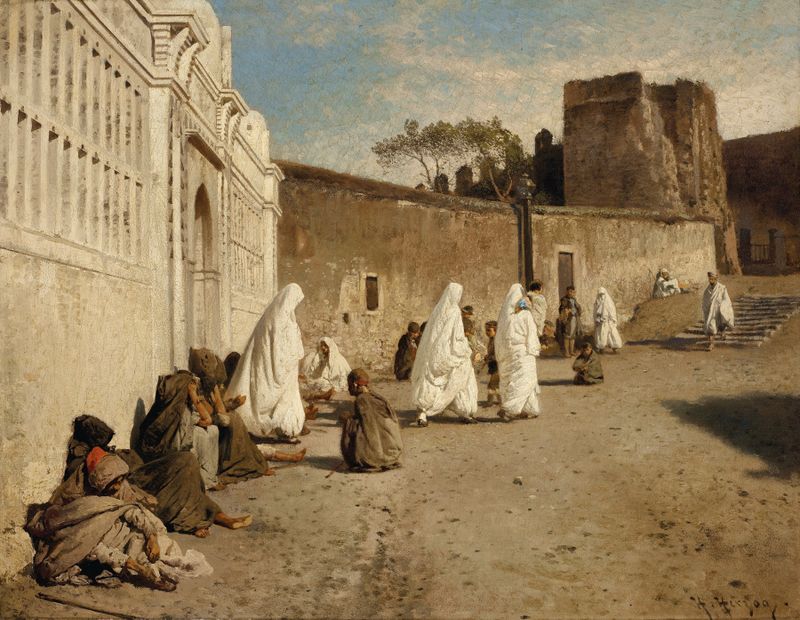
Entrance into the Alhambra, Spain
Hermann Ottomar Herzog

Hafen in Ostende
Hermann Ottomar Herzog
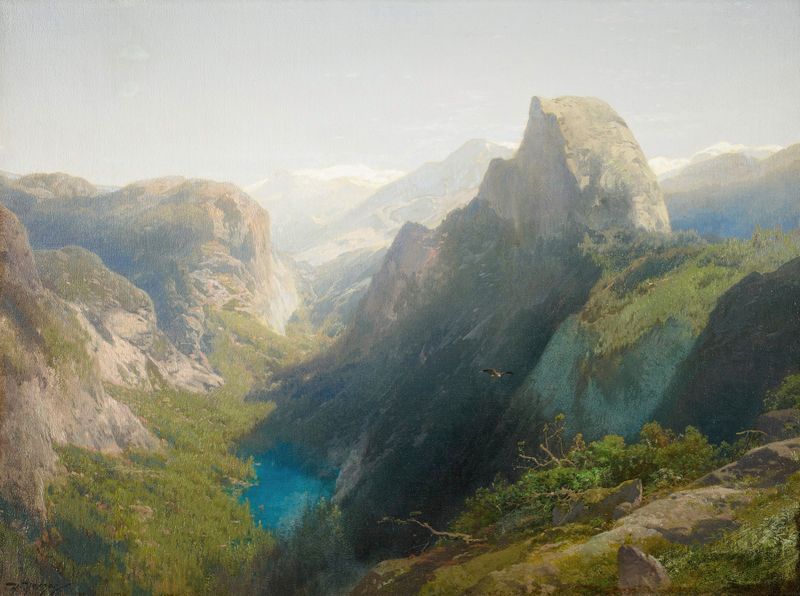
Mirror Lake, Yosemite
Hermann Ottomar Herzog
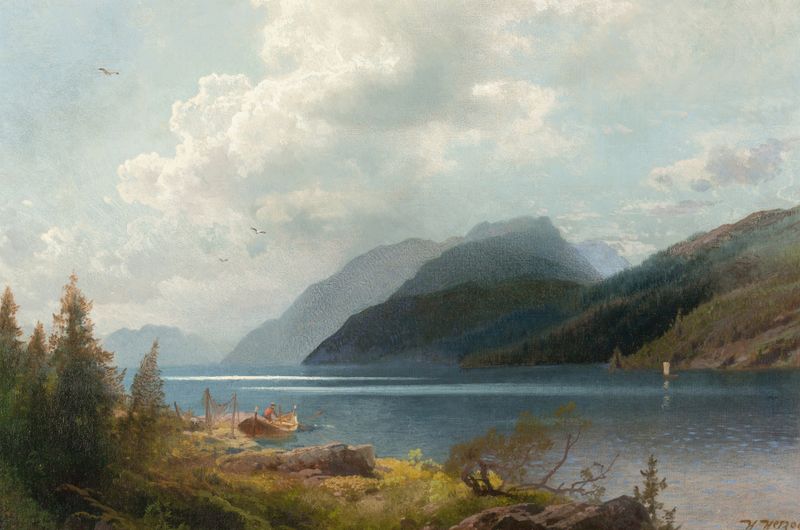
Mountain Lake, Sagne Fjord, Norway
Hermann Ottomar Herzog
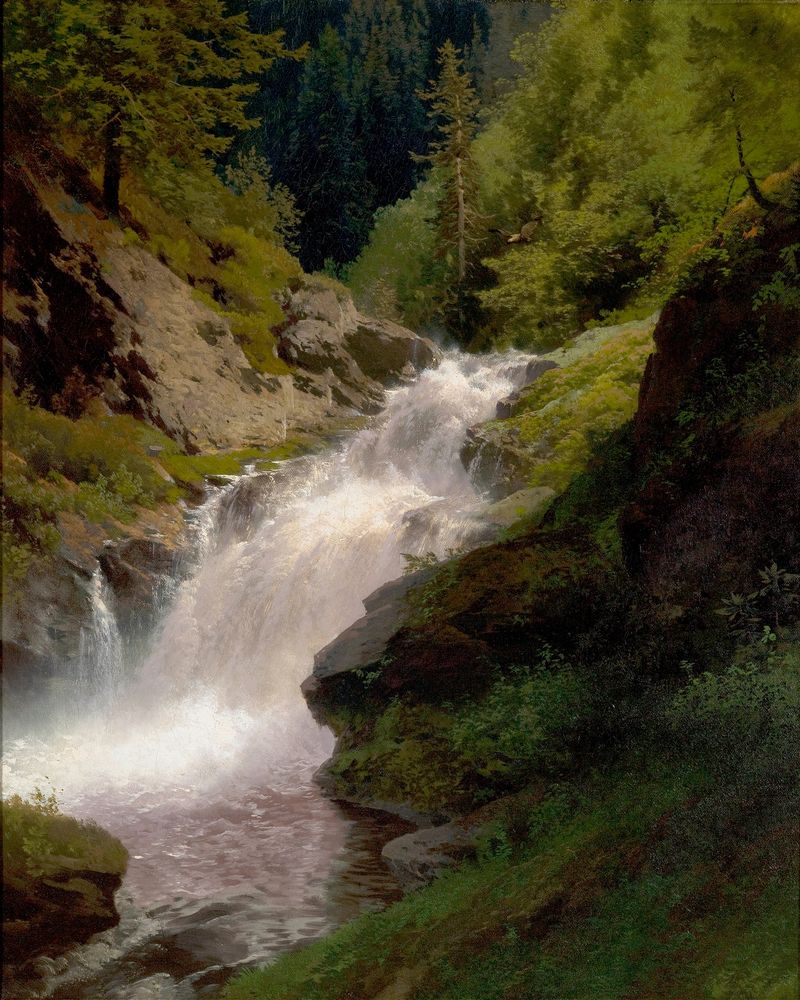
Winona Falls
Hermann Ottomar Herzog
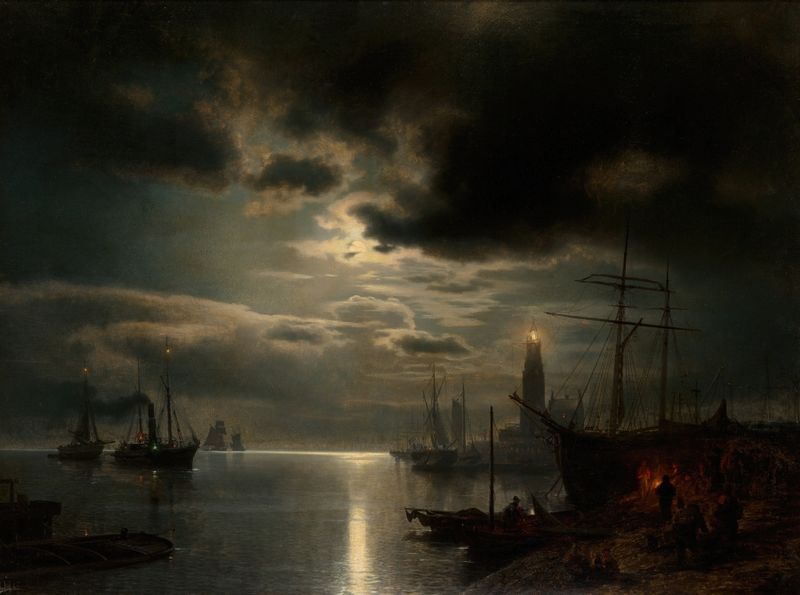
A Moonlit Harbor
Hermann Ottomar Herzog
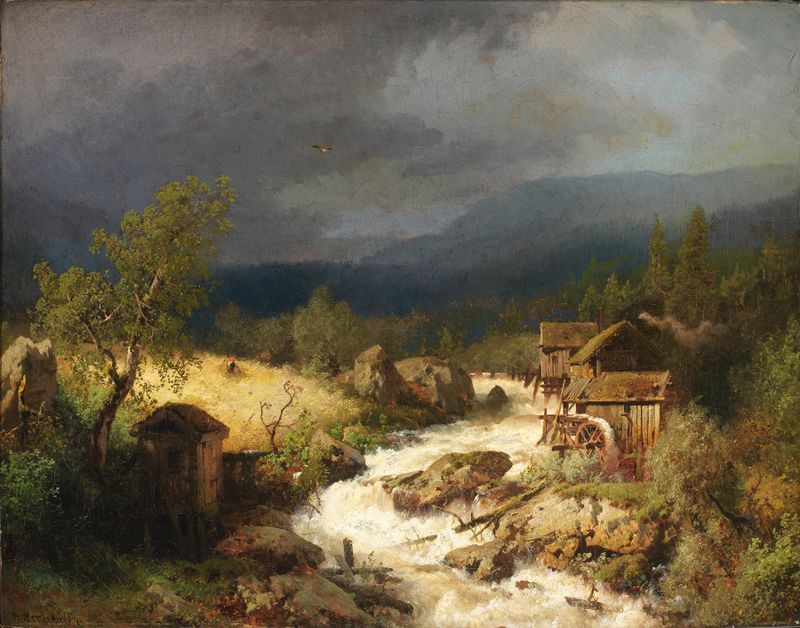
Mill on a Torrent
Hermann Ottomar Herzog

Alpine Landscape Mountain Hut
Hermann Ottomar Herzog
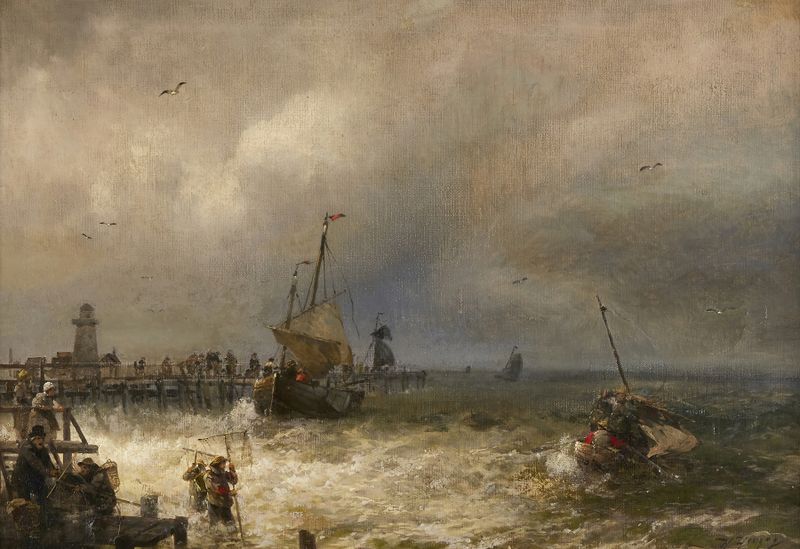
The Return from Fishing
Hermann Ottomar Herzog





