
The Ospedale Civile in the Scuola Grande di San Marco and the Basilica of SS. Giovanni e Paolo (San Zanipolo), Venice — History & Facts
In a world where creation intertwines with memory, the delicate strokes of a brush can echo the very essence of life itself. Look to the horizon, where the classical architecture of the Basilica stands proud against the backdrop of the Venetian sky. Notice the soft hues of lavender and peach, as they blend seamlessly into the gentle blues, evoking the ethereal quality of twilight. The meticulous details of the buildings rise up in stark contrast to the fluidity of the surrounding water, each element carefully placed to guide the viewer’s gaze across the canvas.
The reflections dance lightly on the surface, whispering secrets of the city’s heritage and the stories of its inhabitants. As you delve deeper, observe the juxtaposition of stillness and movement; the serene façade of the structures invokes a sense of permanence, while the rippling water suggests the passage of time. The light filtering through the clouds hints at fleeting moments of clarity, capturing both the beauty and transience of existence. Each architectural detail represents not only the splendor of Venice but also the intricate layers of history that shape its identity. In 1898, Federico del Campo was deeply immersed in the artistic culture of Venice, a city steeped in rich narratives and vibrant colors.
This period marked a time of transition, as artists began to embrace Impressionism, blending traditional representation with a more subjective exploration of light and atmosphere. Amidst this evolution, del Campo, with a keen eye for detail, sought to immortalize the elegance of Venice, creating a work that resonates with both nostalgia and reverence for the city's architectural grandeur.
More Artworks by Federico del Campo
Browse all →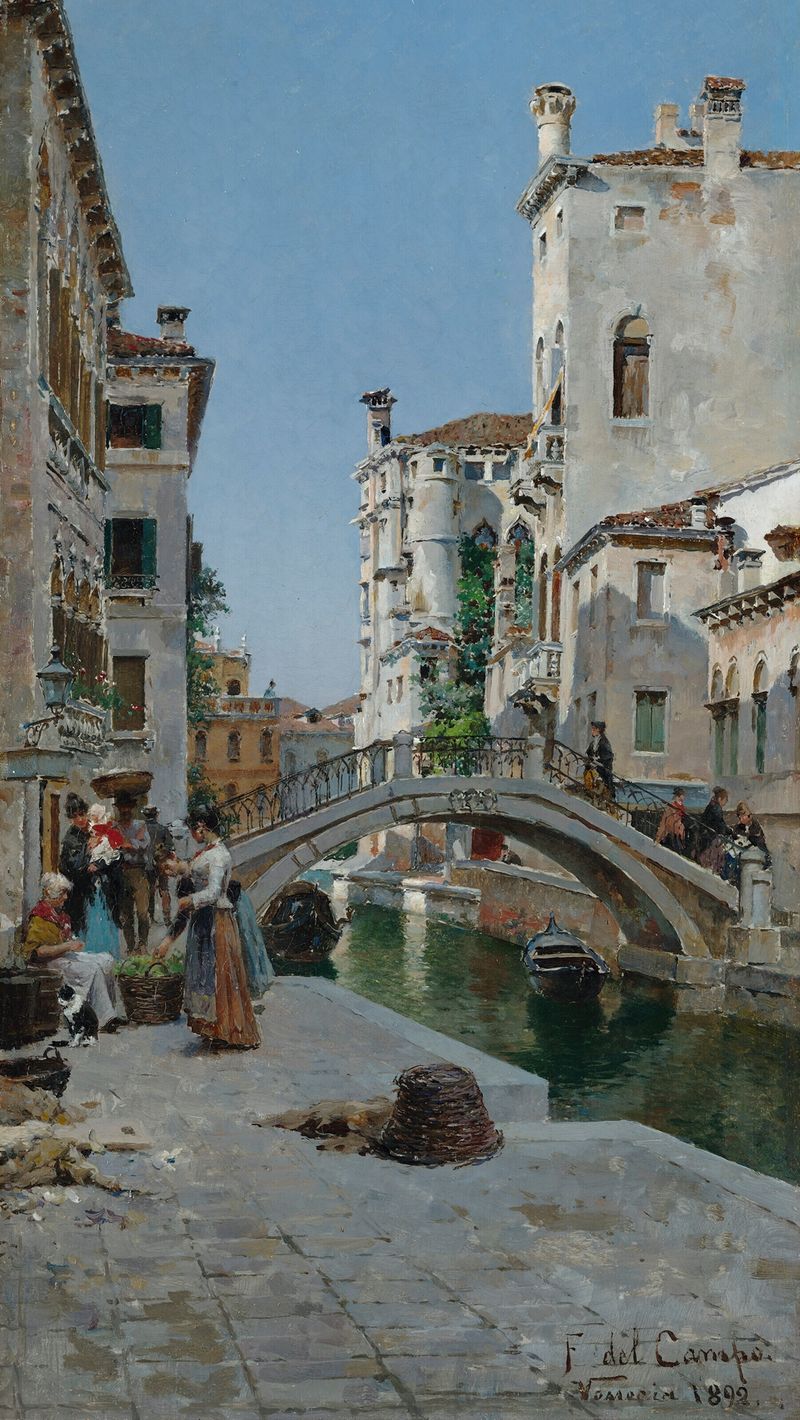
View of Venice
Federico del Campo
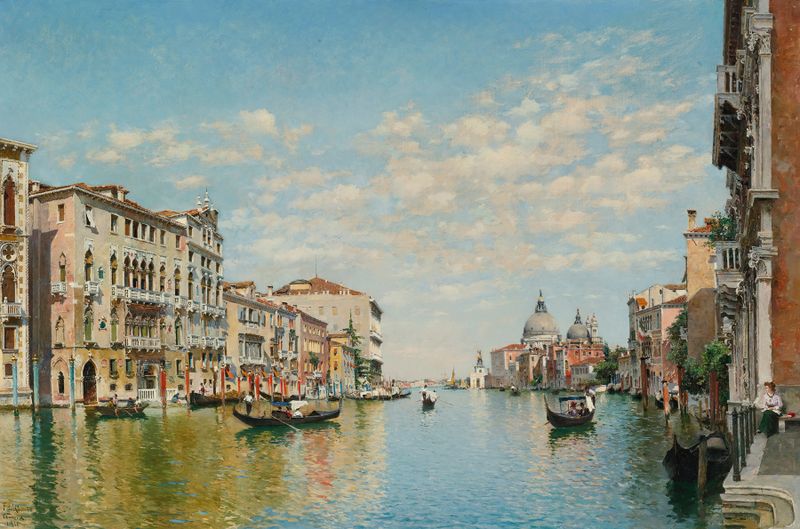
Gondoliers On The Grand Canal, Venice
Federico del Campo
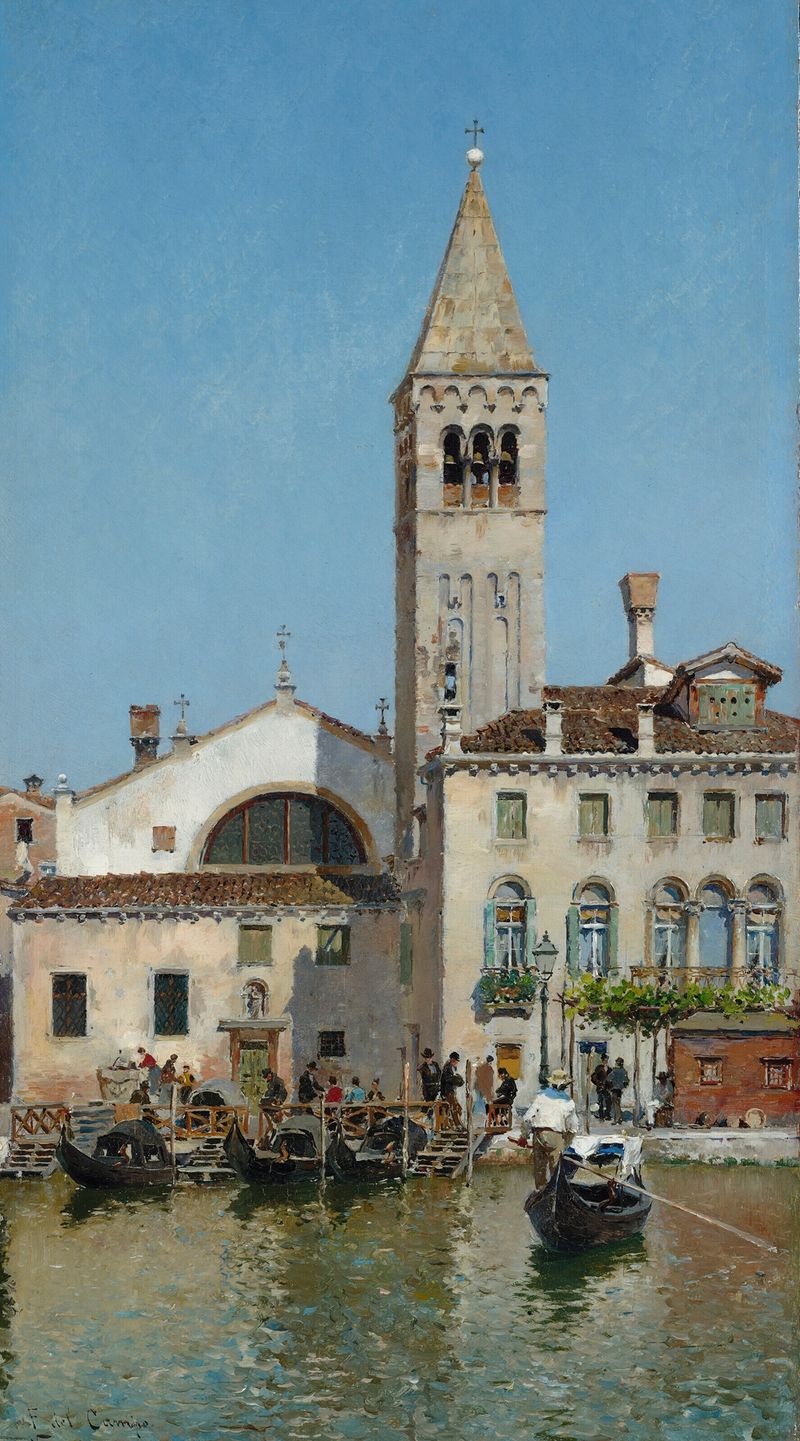
View of Venice
Federico del Campo
View of Venice
Federico del Campo
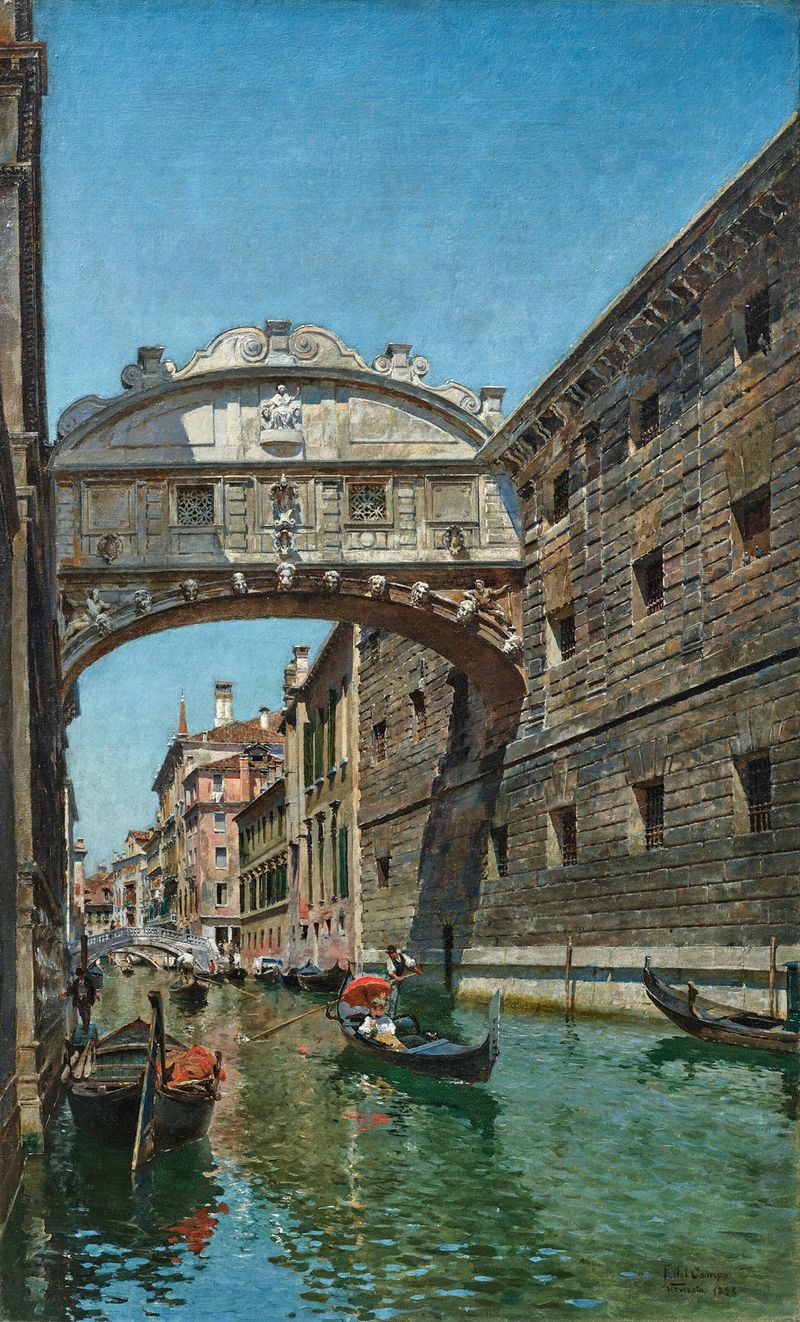
Il Ponte dei Sospiri
Federico del Campo
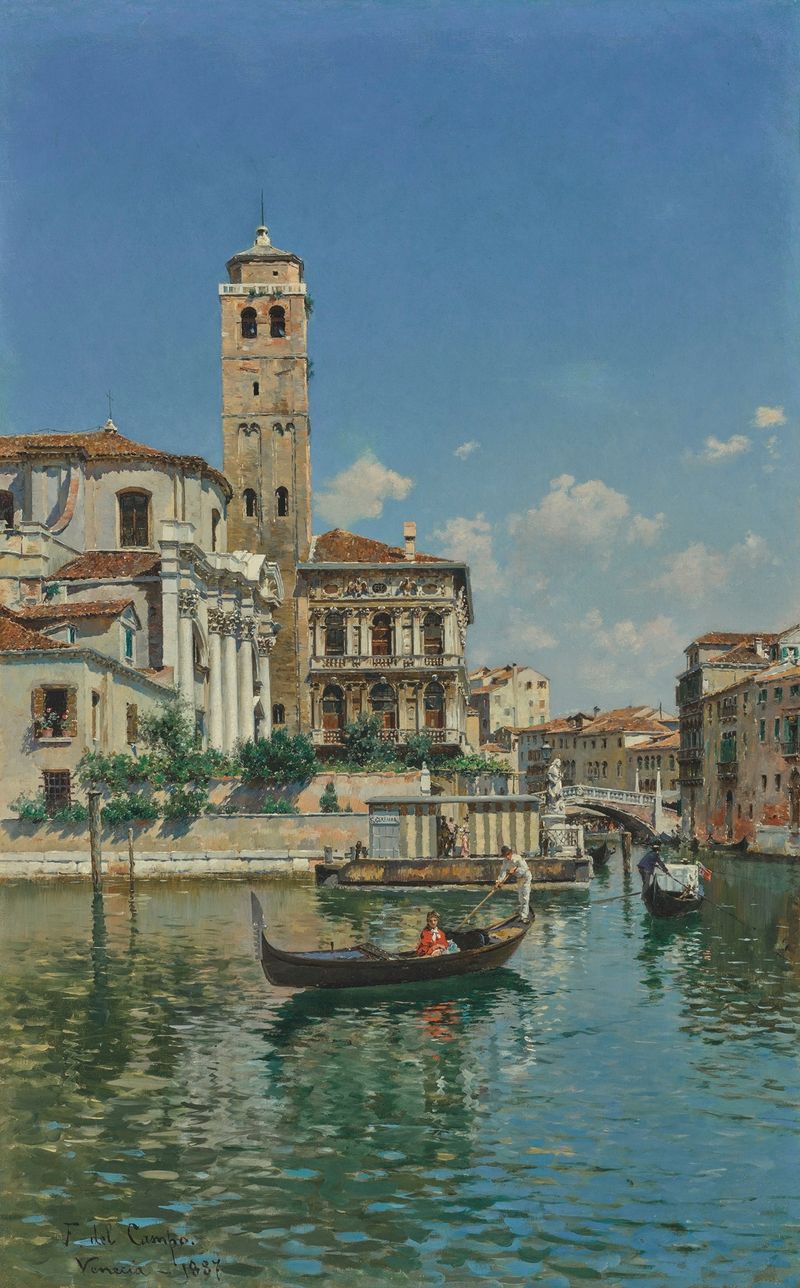
The Palazzo Labia, Venice
Federico del Campo
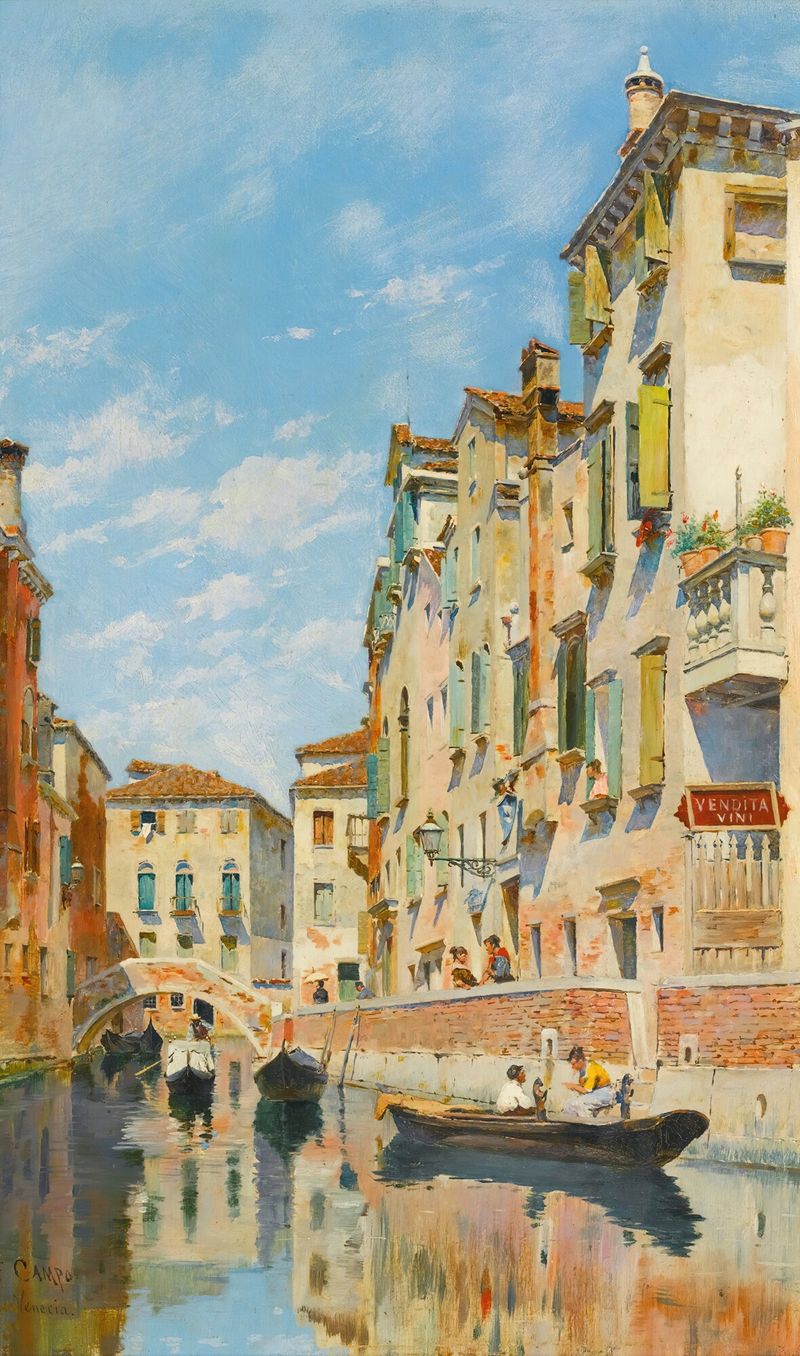
Gondolas On A Venetian Canal
Federico del Campo
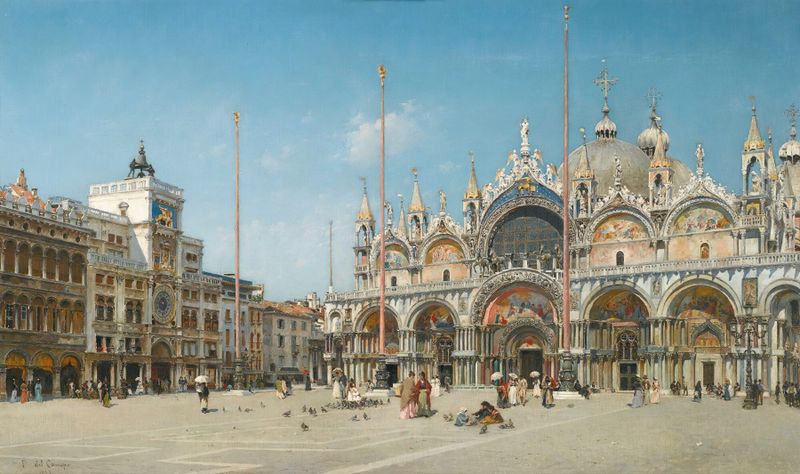
Saint Mark’s Square, Venice
Federico del Campo
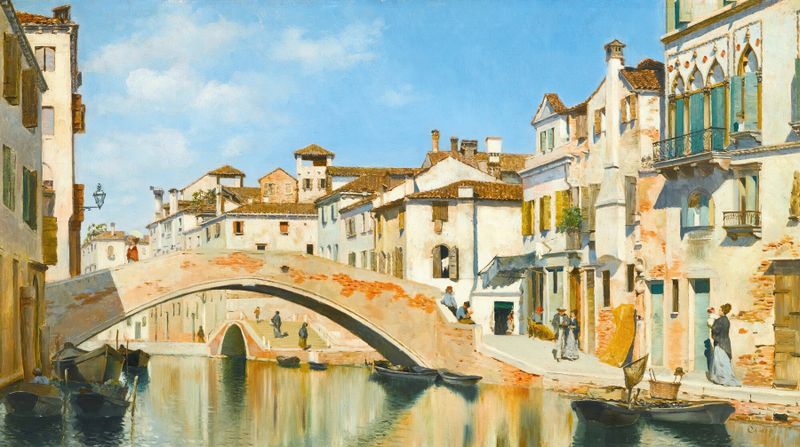
Tintoretto’s House, Venice
Federico del Campo
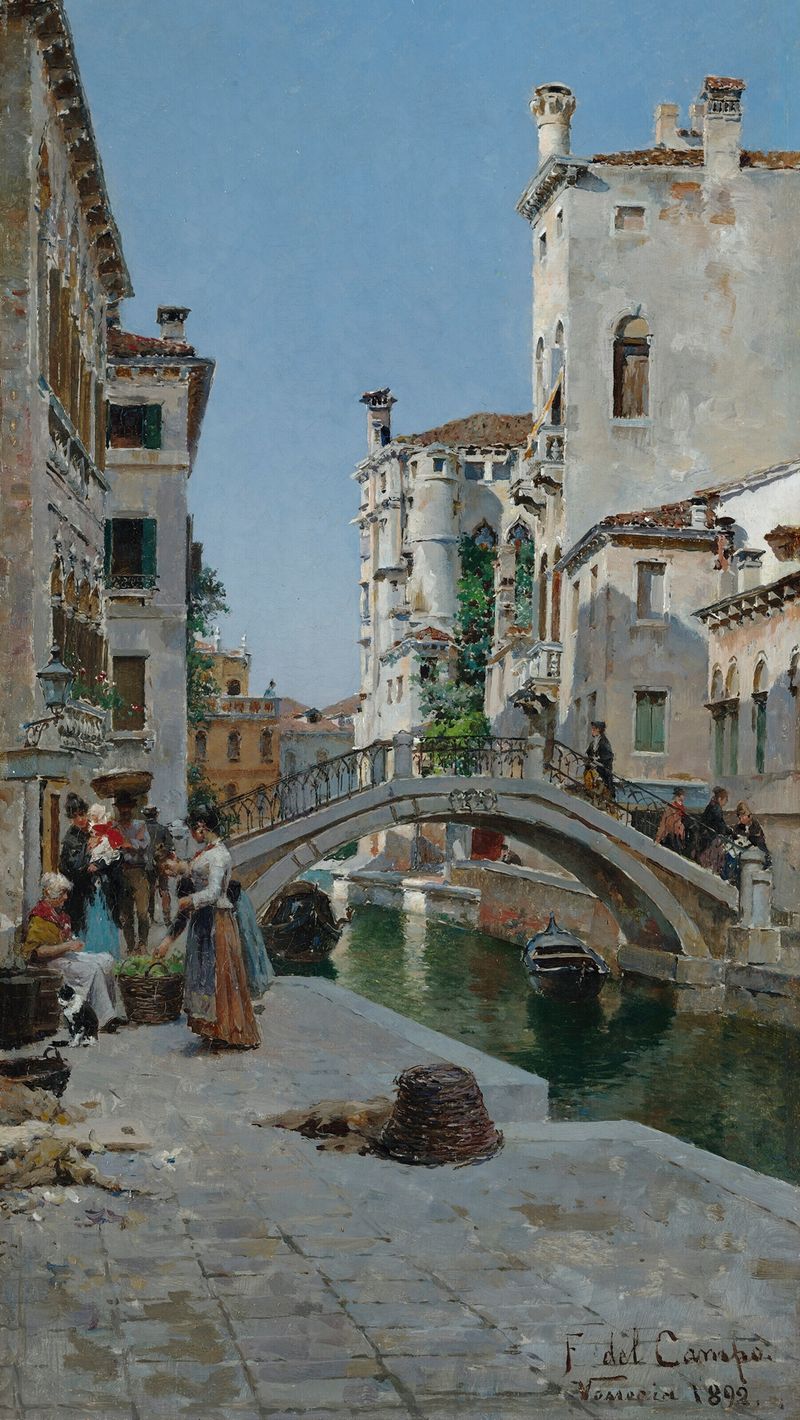
View of Venice
Federico del Campo
More Architecture Art
Browse all →
The statue of Liberty
Frédéric Auguste Bartholdi

View of Houses in Delft, Known as ‘The Little Street’
Johannes Vermeer

View of Houses in Delft, Known as ‘The Little Street’
Johannes Vermeer

The Cathedral in Rouen. The portal, Grey Weather
Claude Monet

The yellow house
Vincent van Gogh

The Church in Auvers-sur-Oise, View from the Chevet
Vincent van Gogh