Discover insights about this artwork
The Plain of La Crau — History & Facts
In The Plain of La Crau, vibrant colors dominate the canvas, showcasing a landscape filled with swirling fields and a dynamic sky. The hues of yellow, green, and blue create a lively atmosphere, reflecting Van Gogh's unique style. The painting features rolling hills and a distant horizon, inviting the viewer into the scene.
The brushwork is expressive, emphasizing the movement of the landscape. This artwork is an oil on canvas, measuring 73.7 x 92.1 cm. Van Gogh's characteristic brushstrokes are evident, with thick applications of paint that add texture and depth. The composition is balanced, with a clear focus on the natural elements of the landscape.
The use of color and light creates a sense of vibrancy and life. Vincent van Gogh painted The Plain of La Crau in 1888 during his time in Arles, France. This period was crucial for Van Gogh, as he experimented with color and brushwork. An interesting fact about this painting is that it reflects his fascination with the Provençal landscape, which he often depicted in his works.
The painting captures not just the scenery but also Van Gogh's emotional response to nature.
More Artworks by Vincent van Gogh
Starry Night
Vincent van Gogh
Fishing Boats at Saintes-Maries-de-la-Mer
Vincent van Gogh
Portrait of Dr. Gachet (Auvers-sur-Oise)
Vincent van Gogh
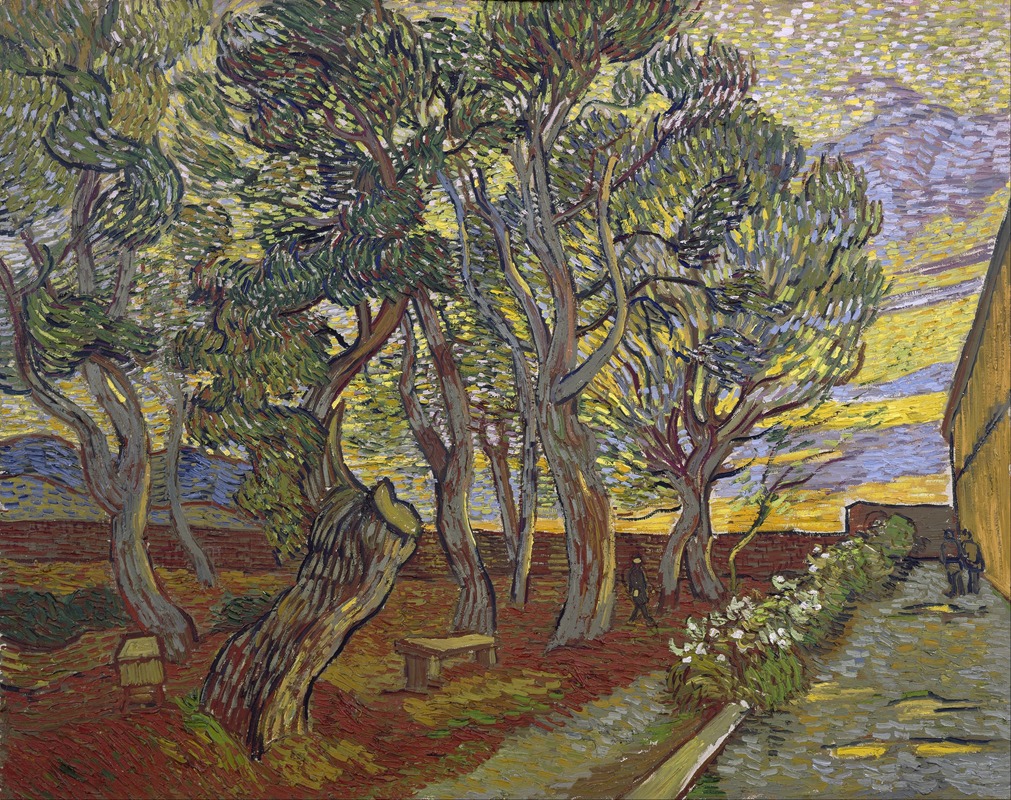
The garden of Saint Paul’s Hospital
Vincent van Gogh
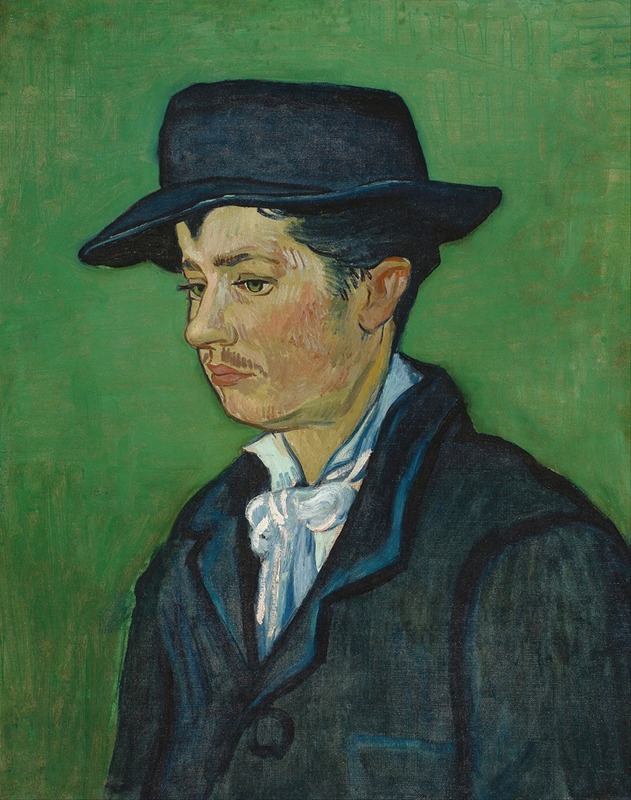
Portrait Of Armand Roulin
Vincent van Gogh
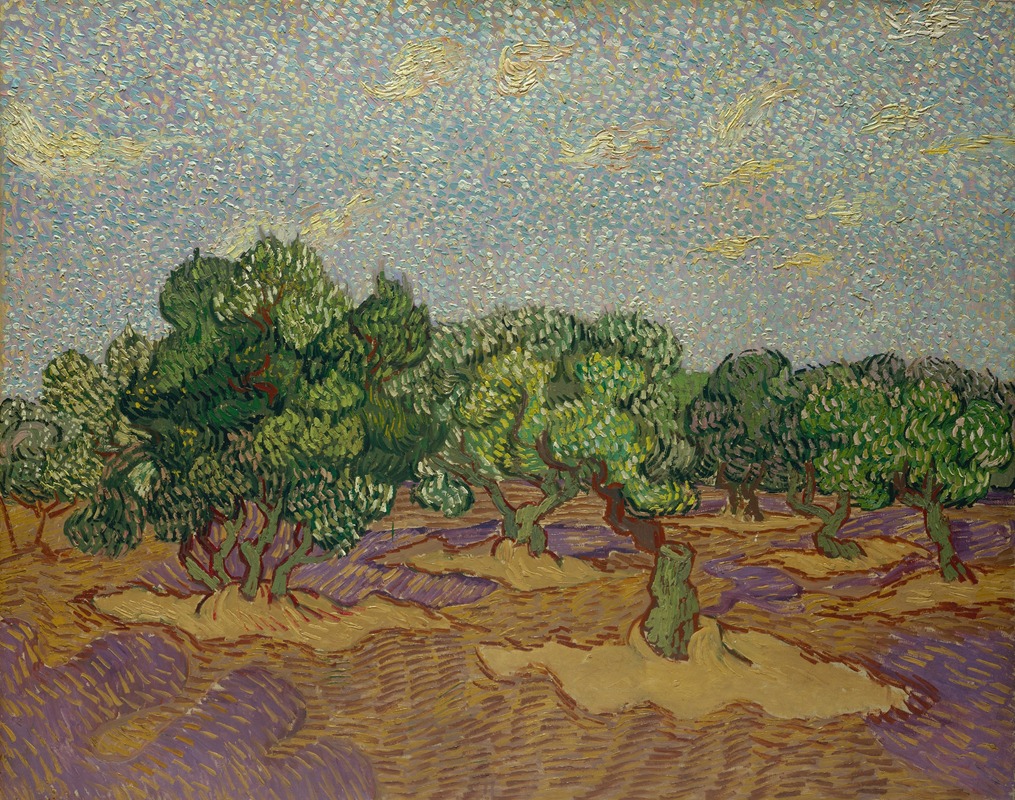
Olive Trees
Vincent van Gogh
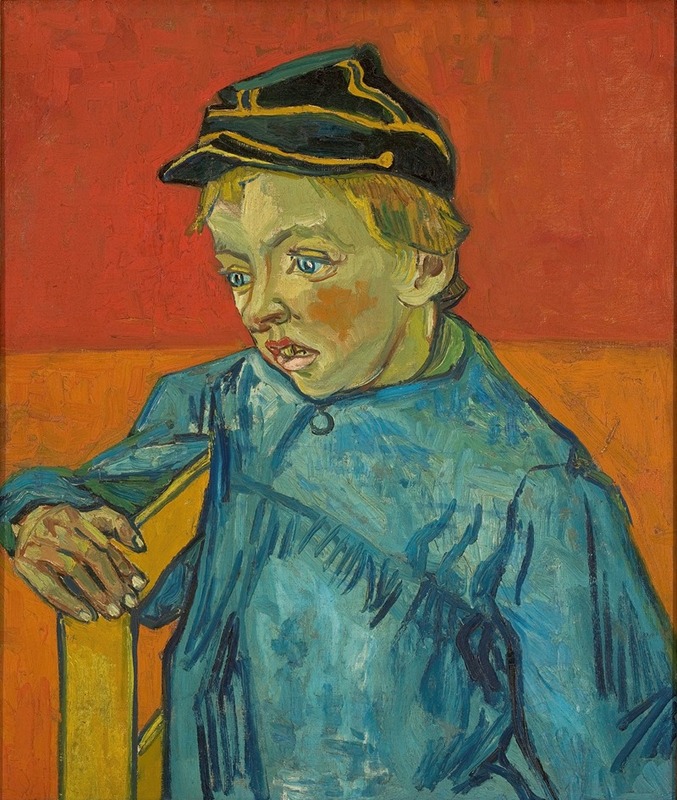
The Schoolboy (Camille Roulin)
Vincent van Gogh
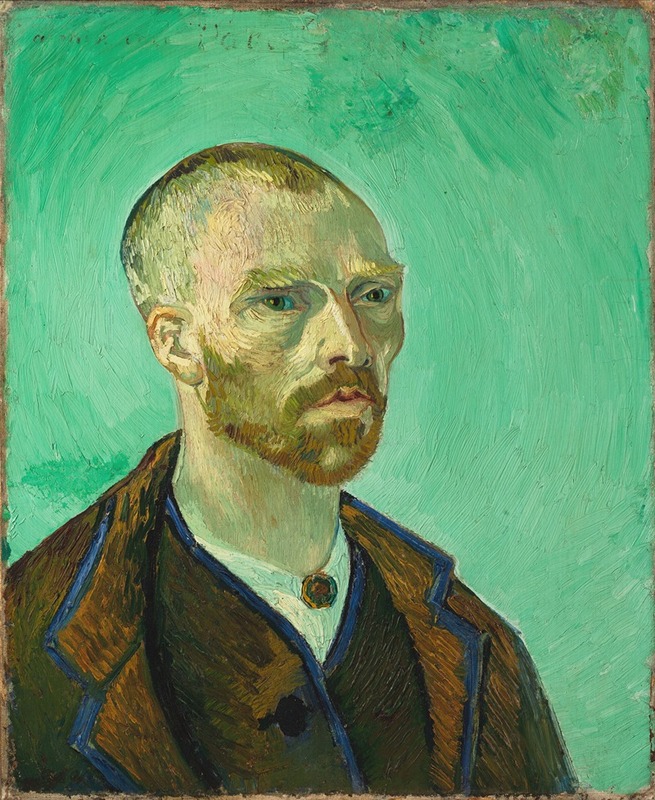
Self Portrait (dedicated to Paul Gauguin)
Vincent van Gogh
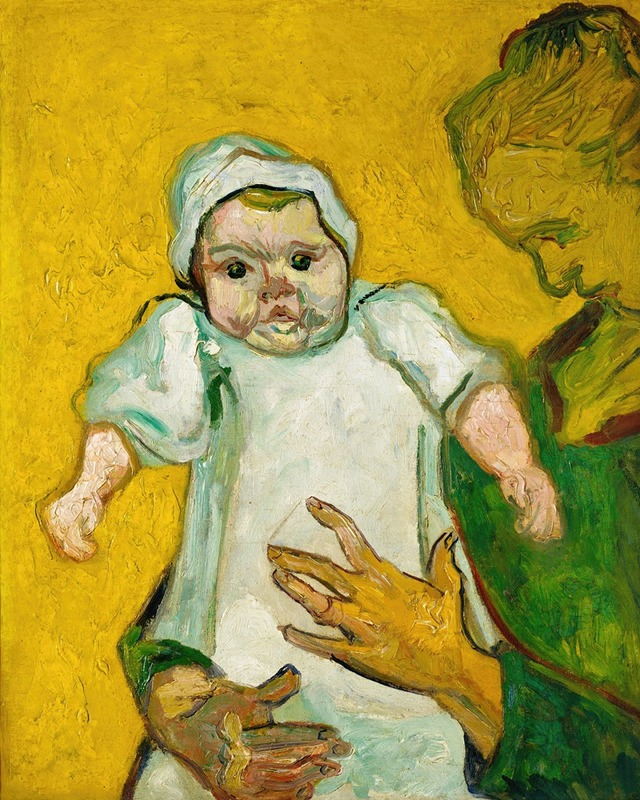
Madame Roulin and Her Baby
Vincent van Gogh
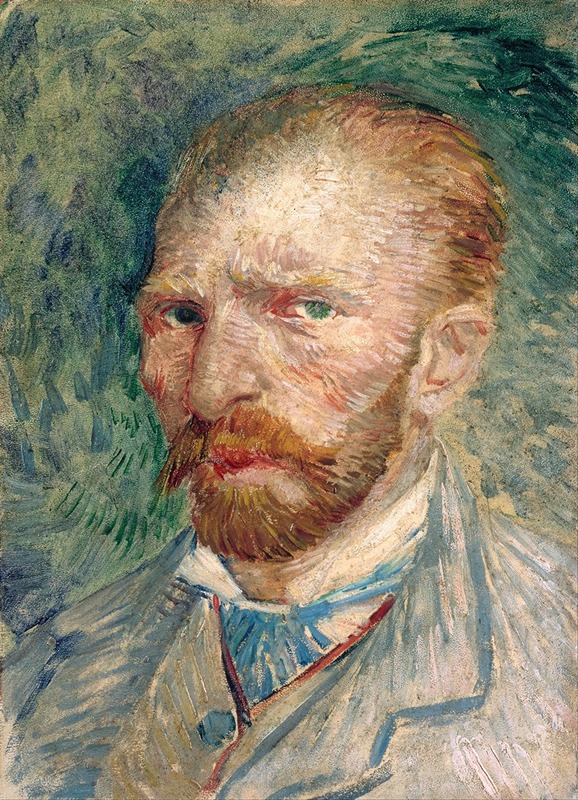
Self-Portrait
Vincent van Gogh