
The Pont Neuf Bridge, 1902 — History & Facts
In the realm of memory, art becomes a portal, a vessel for the past. Through this lens, the viewer may discover the essence of a moment captured forever on canvas. Look to the left, where the Pont Neuf stands resilient and proud, its arches echoing the past with every gentle curve. Notice the interplay of light and shadow dancing across the surface of the water, a silver reflection whispering secrets of fleeting time.
The muted palette of greens and grays envelops the scene, crafting an atmosphere of nostalgia that invites contemplation of what once was and what has been lost. The contrast between the dynamic movement of figures on the bridge and the stillness of the water evokes the tension between life and memory. The figures, perhaps lost in their thoughts, seem disconnected from one another, hinting at the isolation that can accompany recollection. Each brushstroke not only depicts the physical structure but also encapsulates the emotional weight of memories associated with this iconic landmark—a place where countless lives have intersected yet remain profoundly solitary in their experiences. Created in the early 1900s, this piece reflects a transformative period for Félix Vallotton, set against a backdrop of modernity and change in Paris.
Amidst the rise of Post-Impressionism, Vallotton sought to capture the essence of urban life through his unique blend of color and form, positioning himself as a key figure within the art movements of his time. This work stands as a testament to that evolving narrative, immortalizing the Pont Neuf as a symbol of memory and continuity in a world rapidly shifting around it.
More Artworks by Félix Vallotton
Browse all →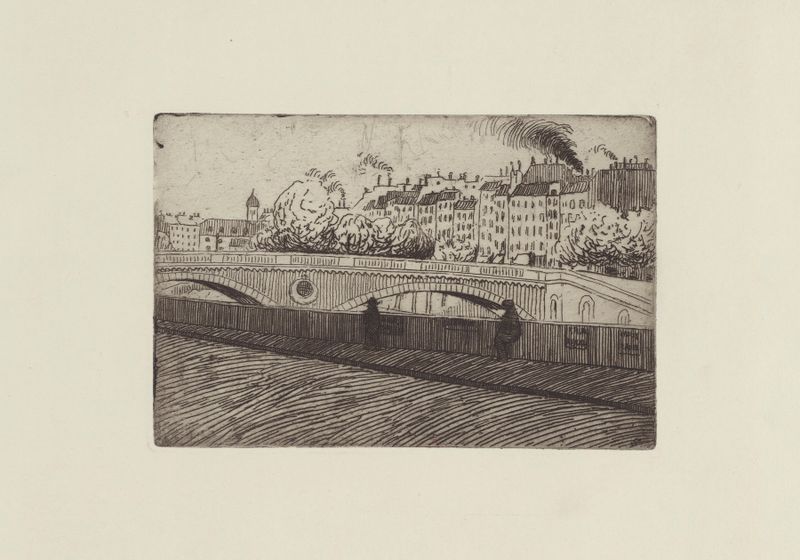
Le pont St Michel
Félix Vallotton
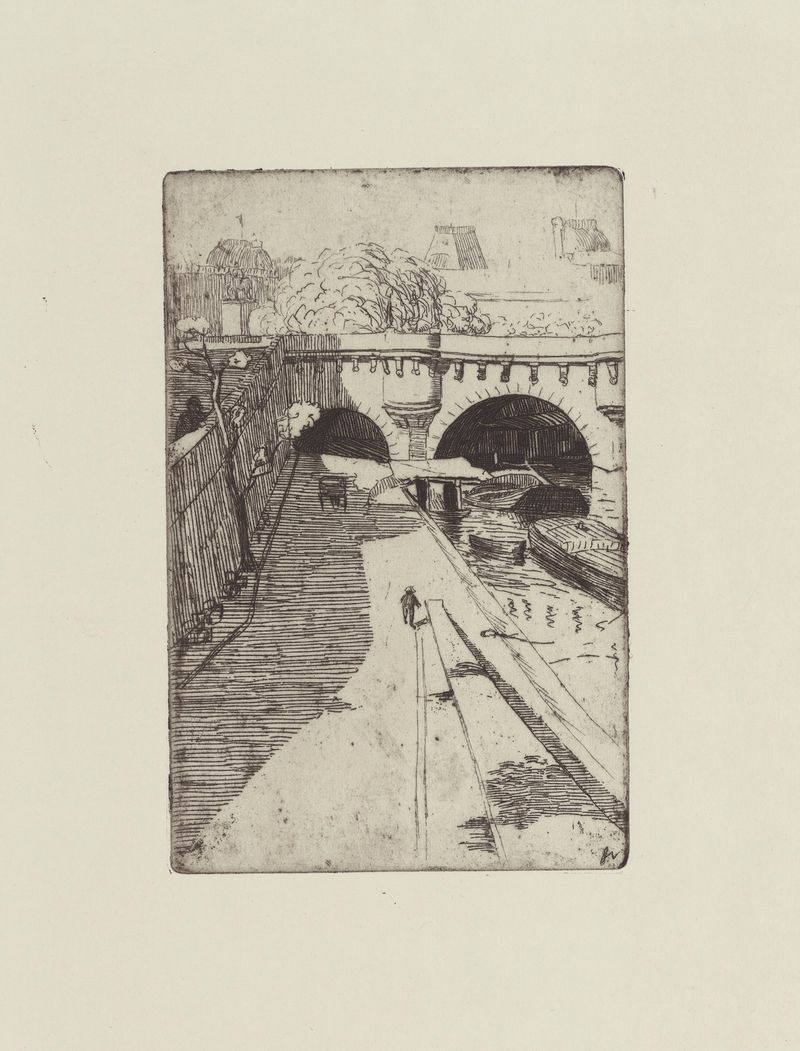
Le Vert-Galant
Félix Vallotton
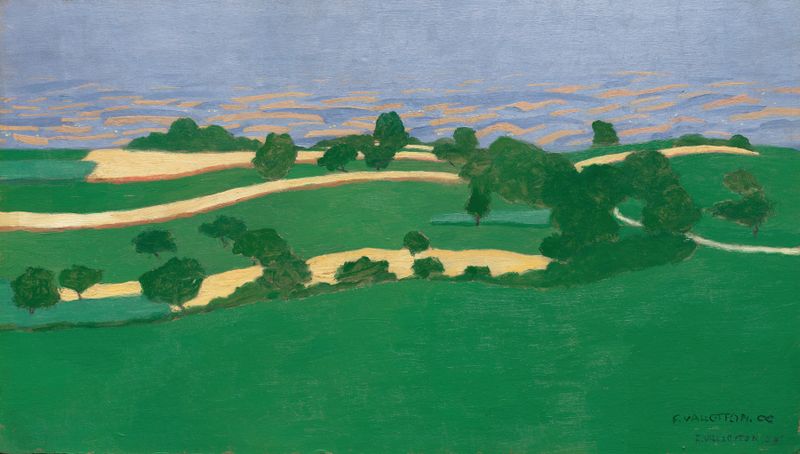
Corn Fields
Félix Vallotton
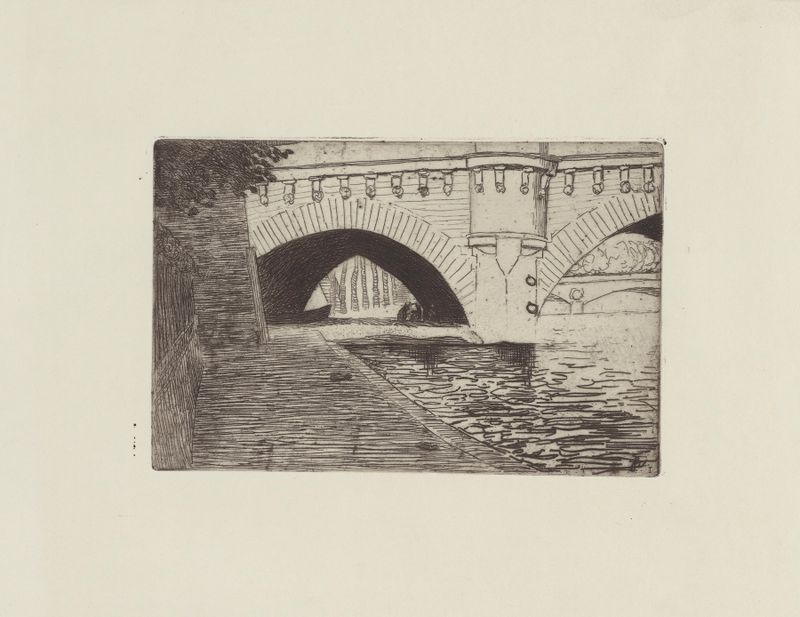
Le Pont-Neuf et le pont St Michel
Félix Vallotton
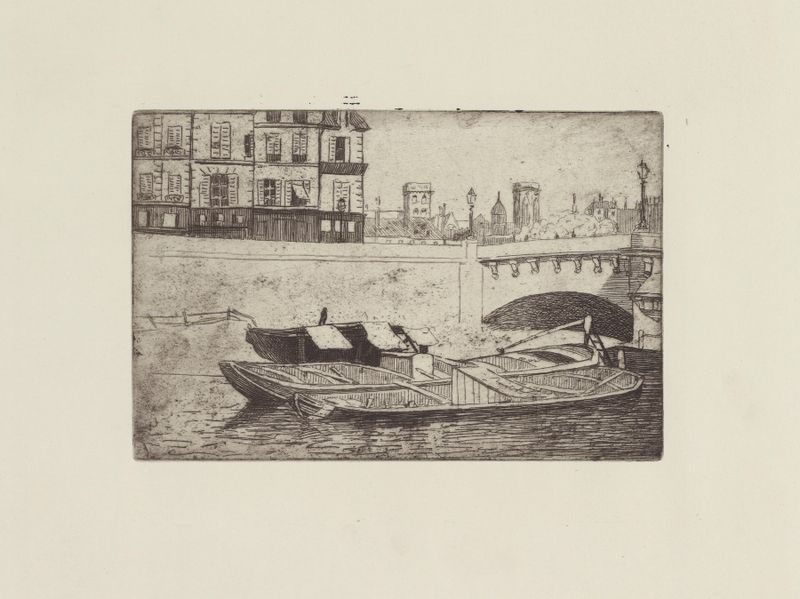
Péniches au Pont-Neuf
Félix Vallotton
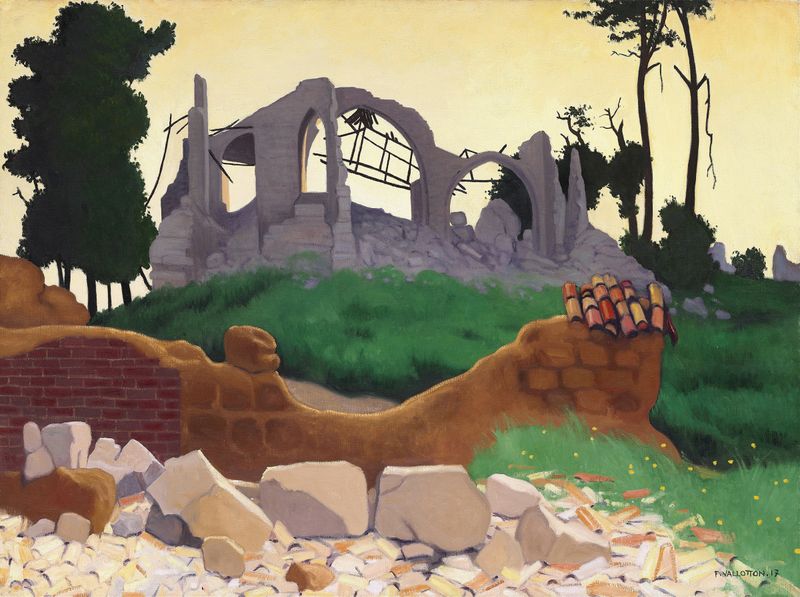
The Church of Souain
Félix Vallotton
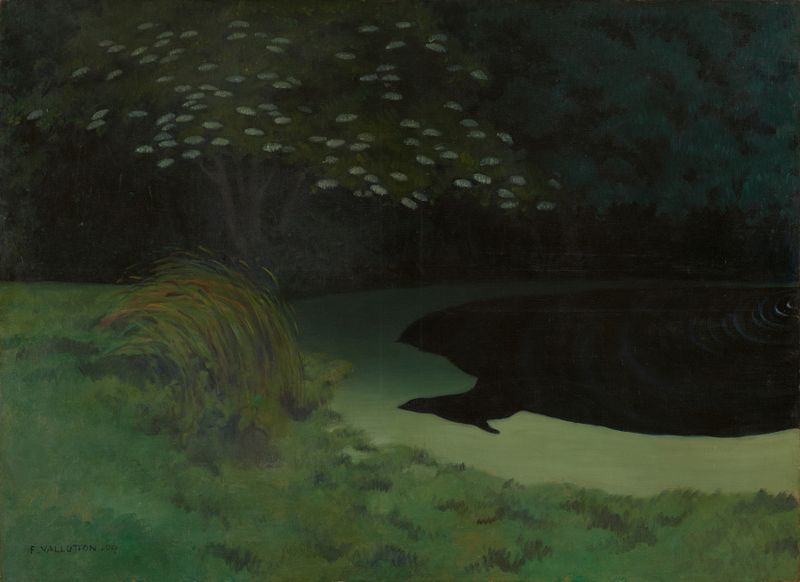
The Pond (Honfleur)
Félix Vallotton
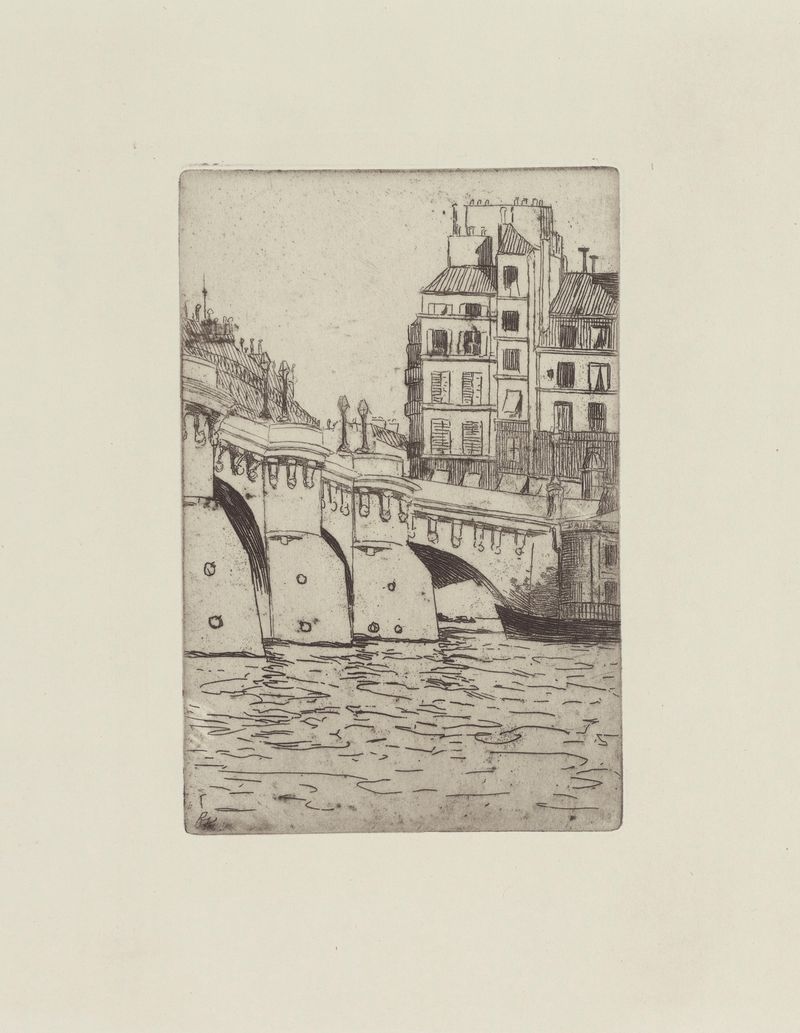
Les bains du Pont-Neuf
Félix Vallotton
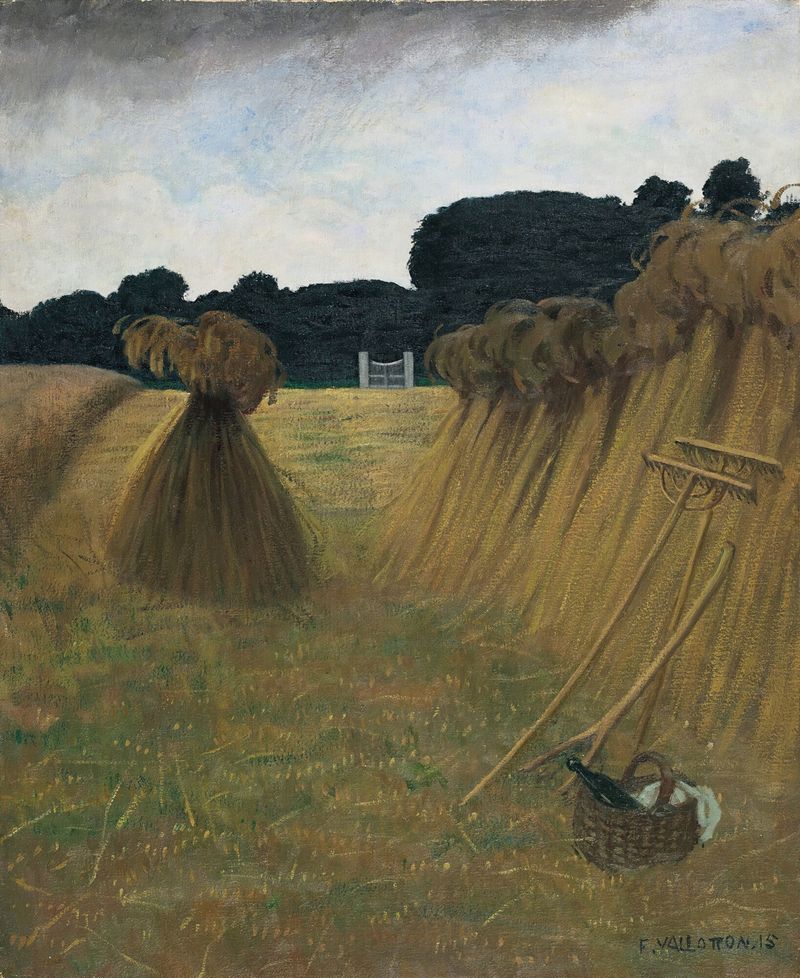
The Sheaves
Félix Vallotton
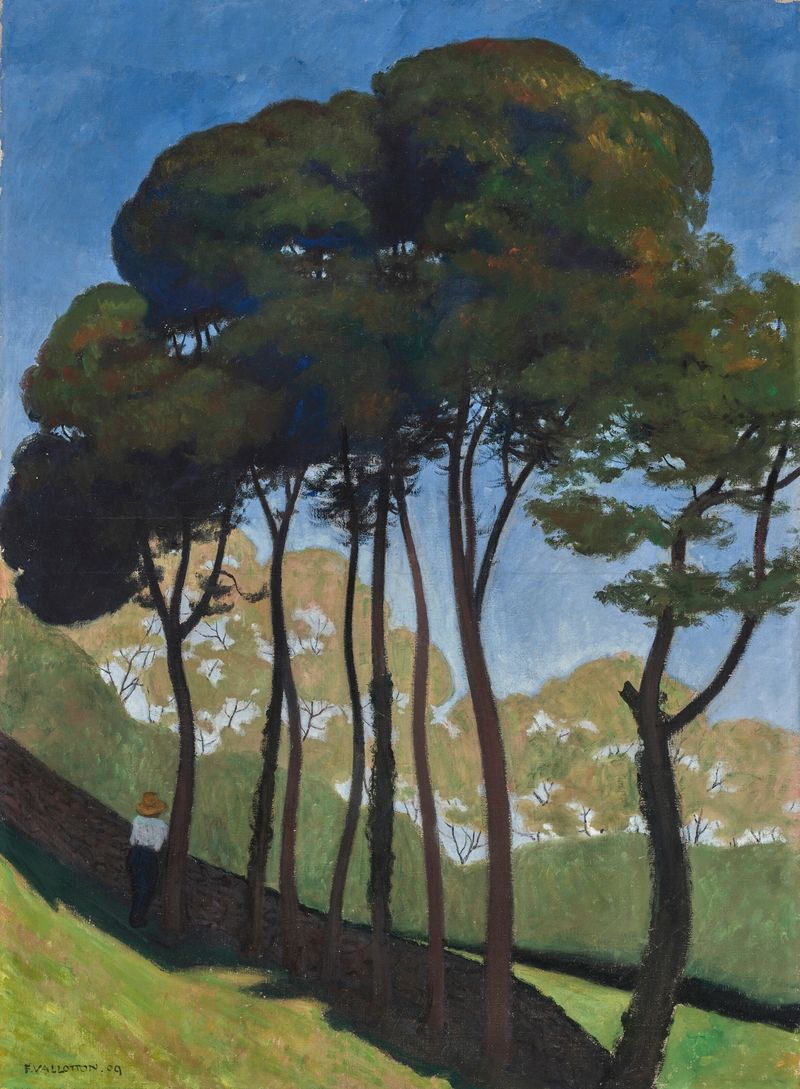
Les Grands Arbres, environs d’Honfleur
Félix Vallotton
More Architecture Art
Browse all →
The statue of Liberty
Frédéric Auguste Bartholdi

View of Houses in Delft, Known as ‘The Little Street’
Johannes Vermeer

View of Houses in Delft, Known as ‘The Little Street’
Johannes Vermeer

The Cathedral in Rouen. The portal, Grey Weather
Claude Monet

The yellow house
Vincent van Gogh

The Church in Auvers-sur-Oise, View from the Chevet
Vincent van Gogh