Discover insights about this artwork
The Pony — History & Facts
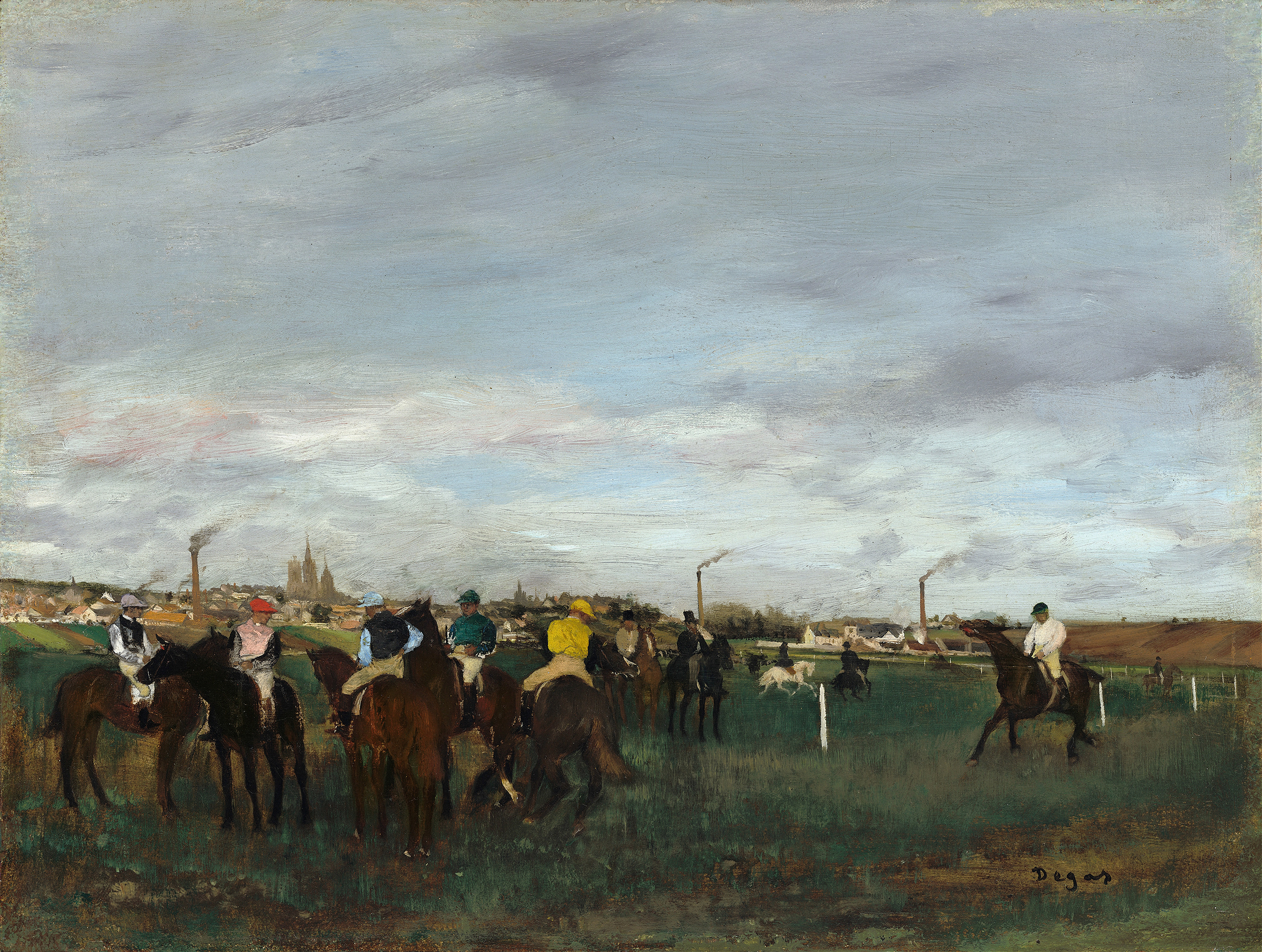
In The Pony, Paul Gauguin uses bold colors to depict a pony in a lush, green setting. The pony is rendered in a vibrant palette, with rich browns and whites contrasting against the verdant background. The brushstrokes are expressive, giving the painting a lively feel.
The overall composition draws the viewer's attention to the pony's gentle demeanor and the natural surroundings. This painting is created using oil on canvas, a common medium for Gauguin. The dimensions are approximately 60 x 80 cm, making it a medium-sized work. The use of color and form reflects Gauguin's Post-Impressionist style, characterized by bold colors and simplified forms.
The painting's texture is enhanced by the thick application of paint, typical of Gauguin's technique. The Pony was painted during Gauguin's time in Brittany, where he sought to capture the essence of rural life. This work is notable for its vibrant colors and the way it reflects the artist's interest in the natural world. An interesting fact about this painting is that it showcases Gauguin's departure from traditional representation, moving towards a more expressive and symbolic approach.
This piece exemplifies his unique vision and his desire to convey emotion through color and form.
More Artworks by Paul Gauguin
Self Portrait
Paul Gauguin
Breton Girls Dancing,Pont-Aven
Paul Gauguin
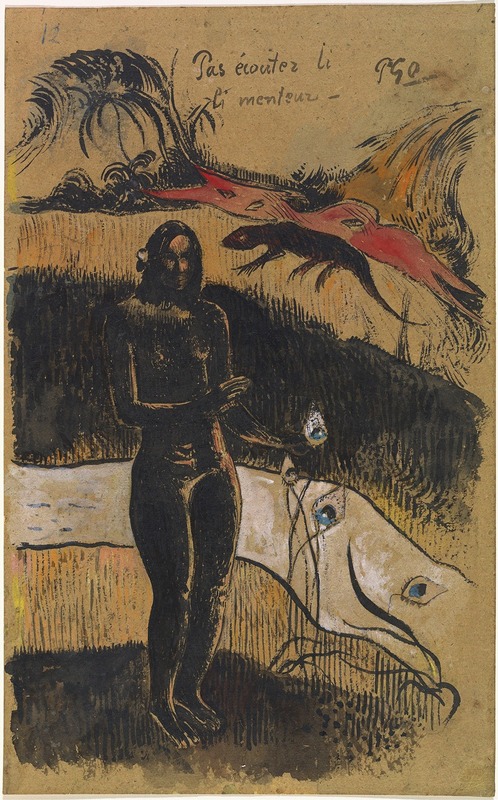
Nave Nave Fenua
Paul Gauguin
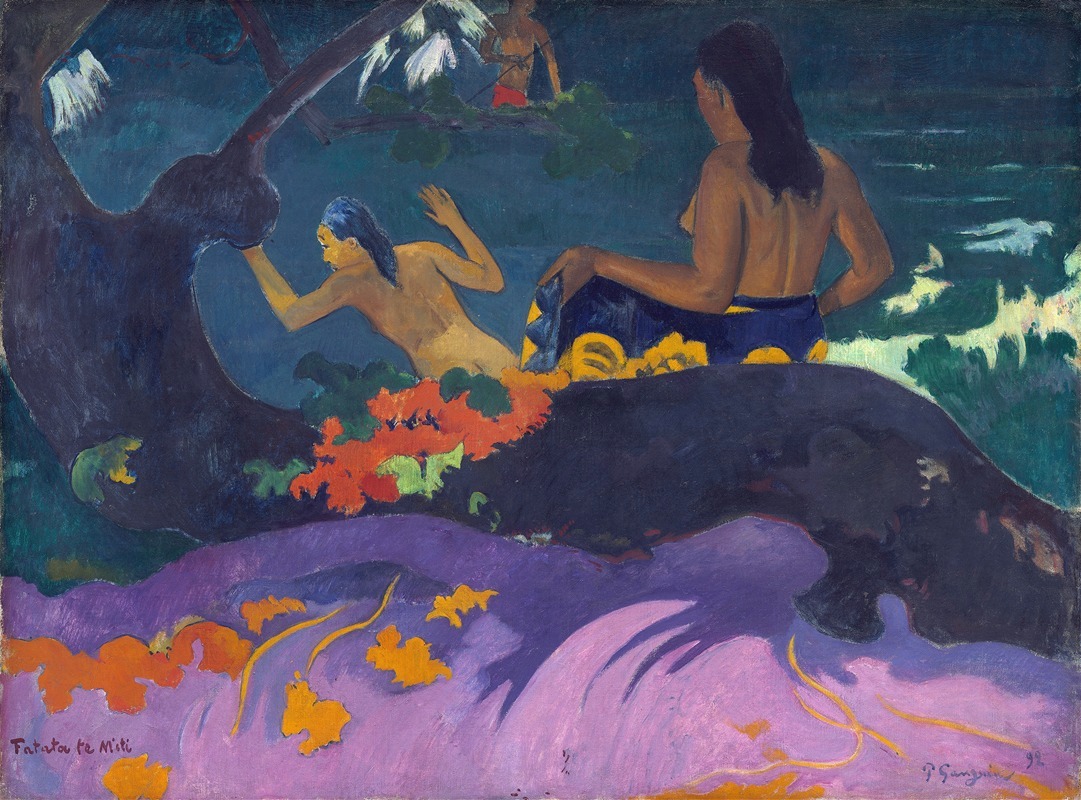
Fatata te Miti (By the Sea)
Paul Gauguin
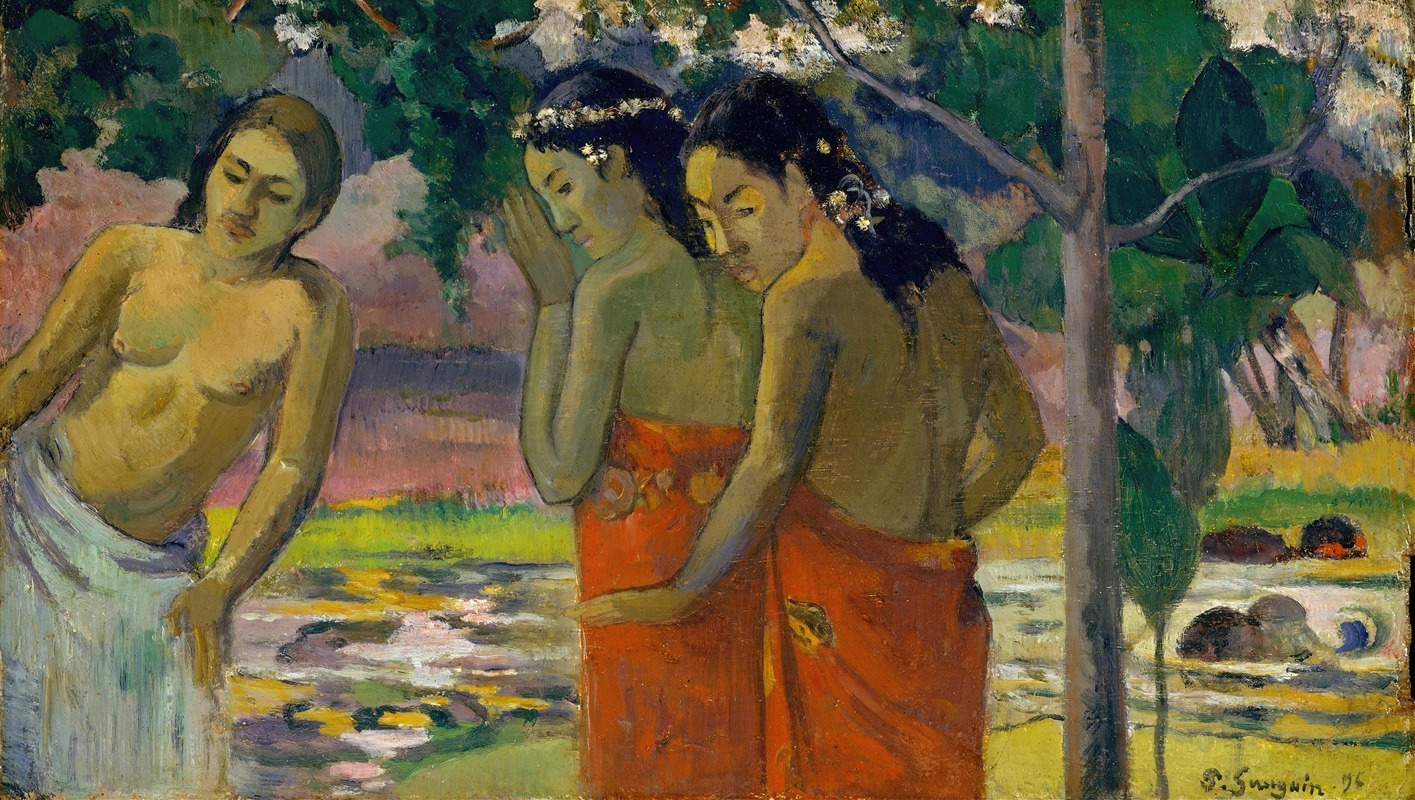
Three Tahitian Women
Paul Gauguin
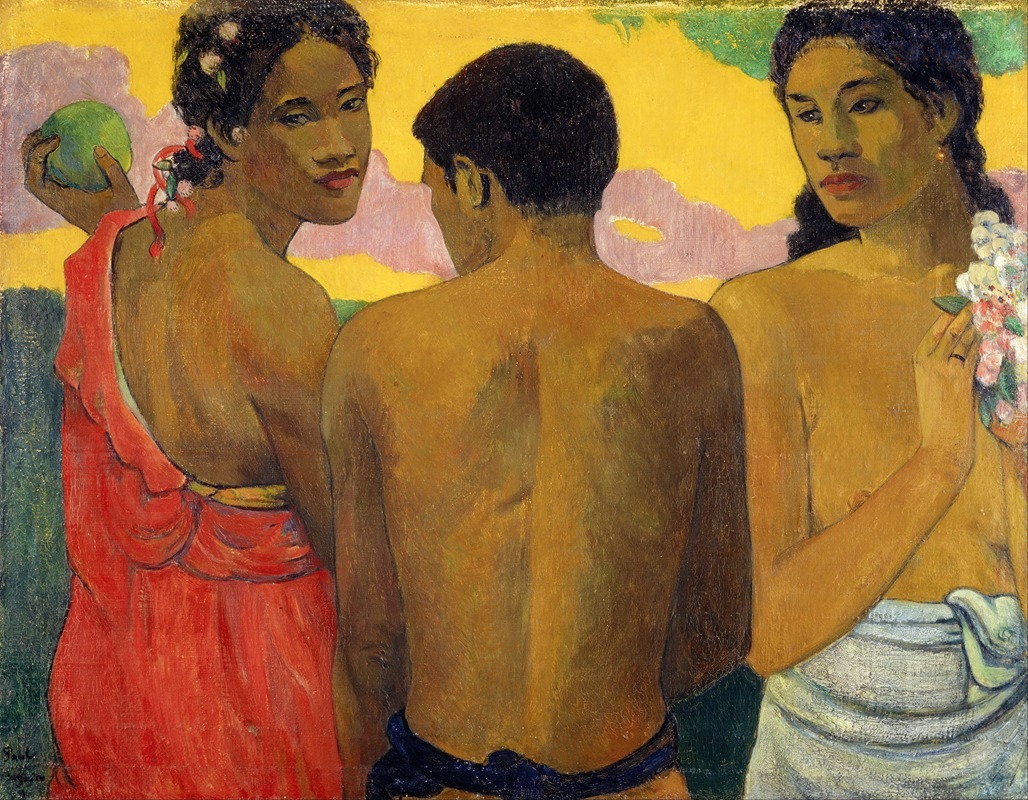
Three Tahitians
Paul Gauguin
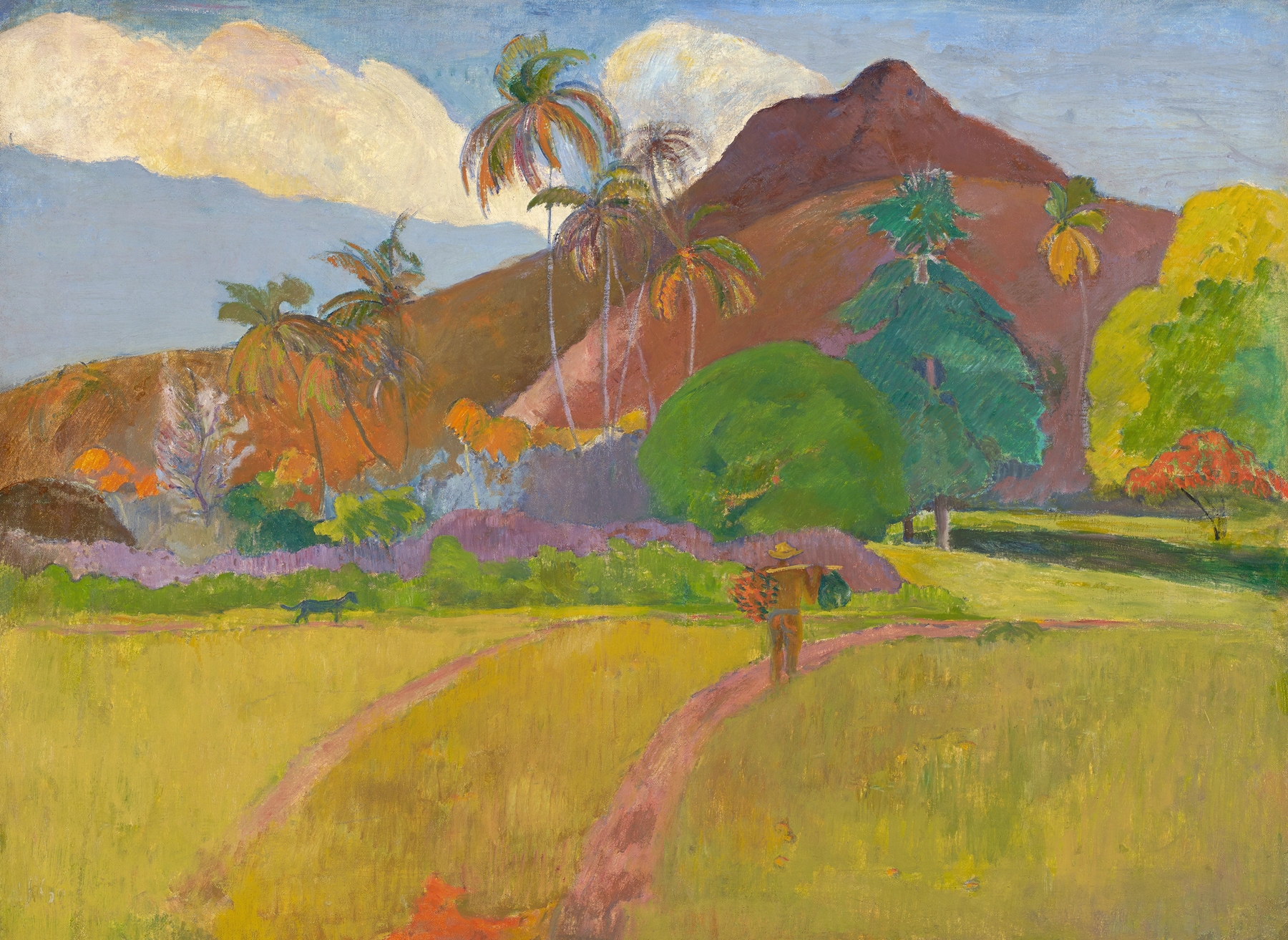
Tahitian Landscape
Paul Gauguin
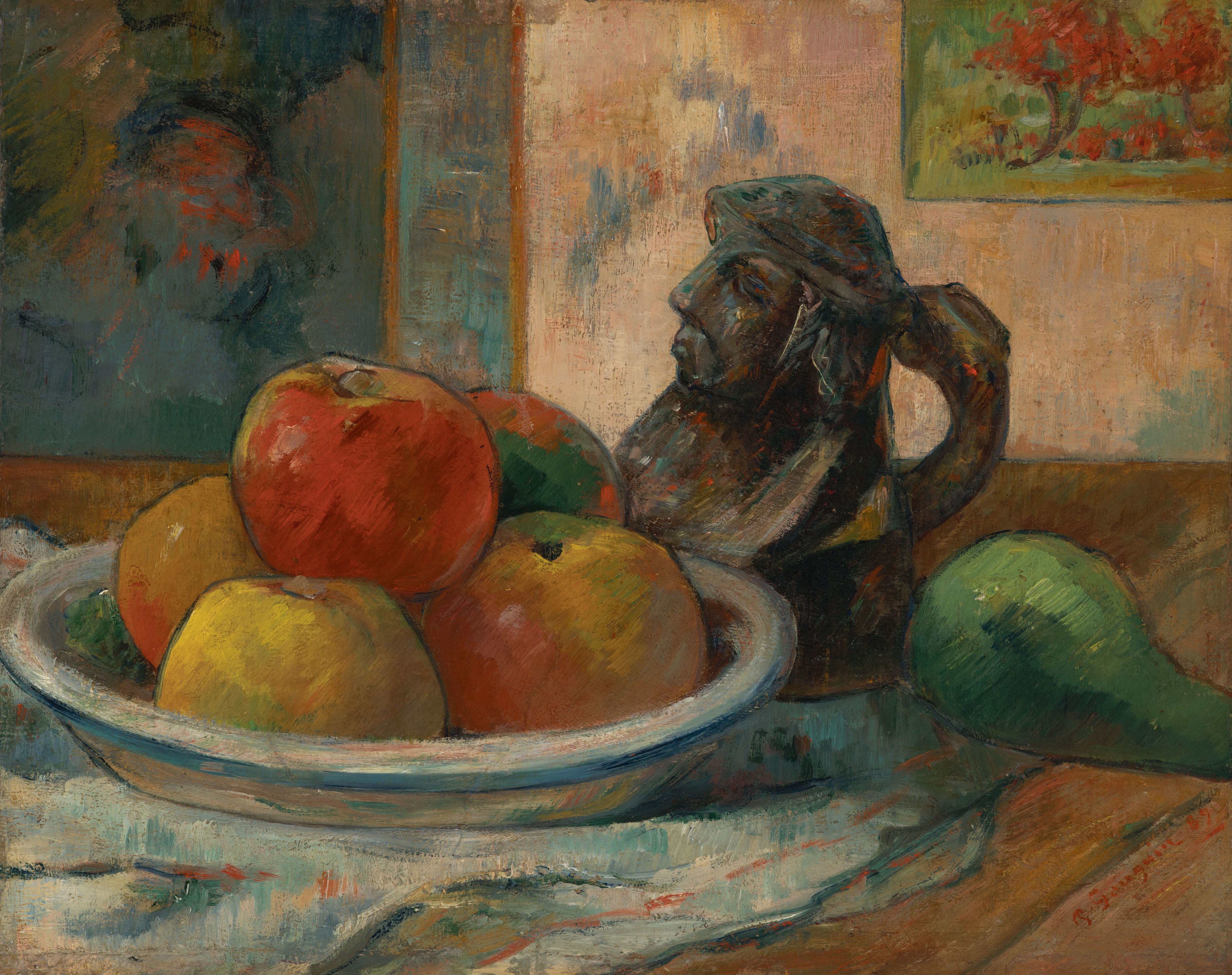
Still Life with Apples, a Pear, and a Ceramic Portrait Jug
Paul Gauguin
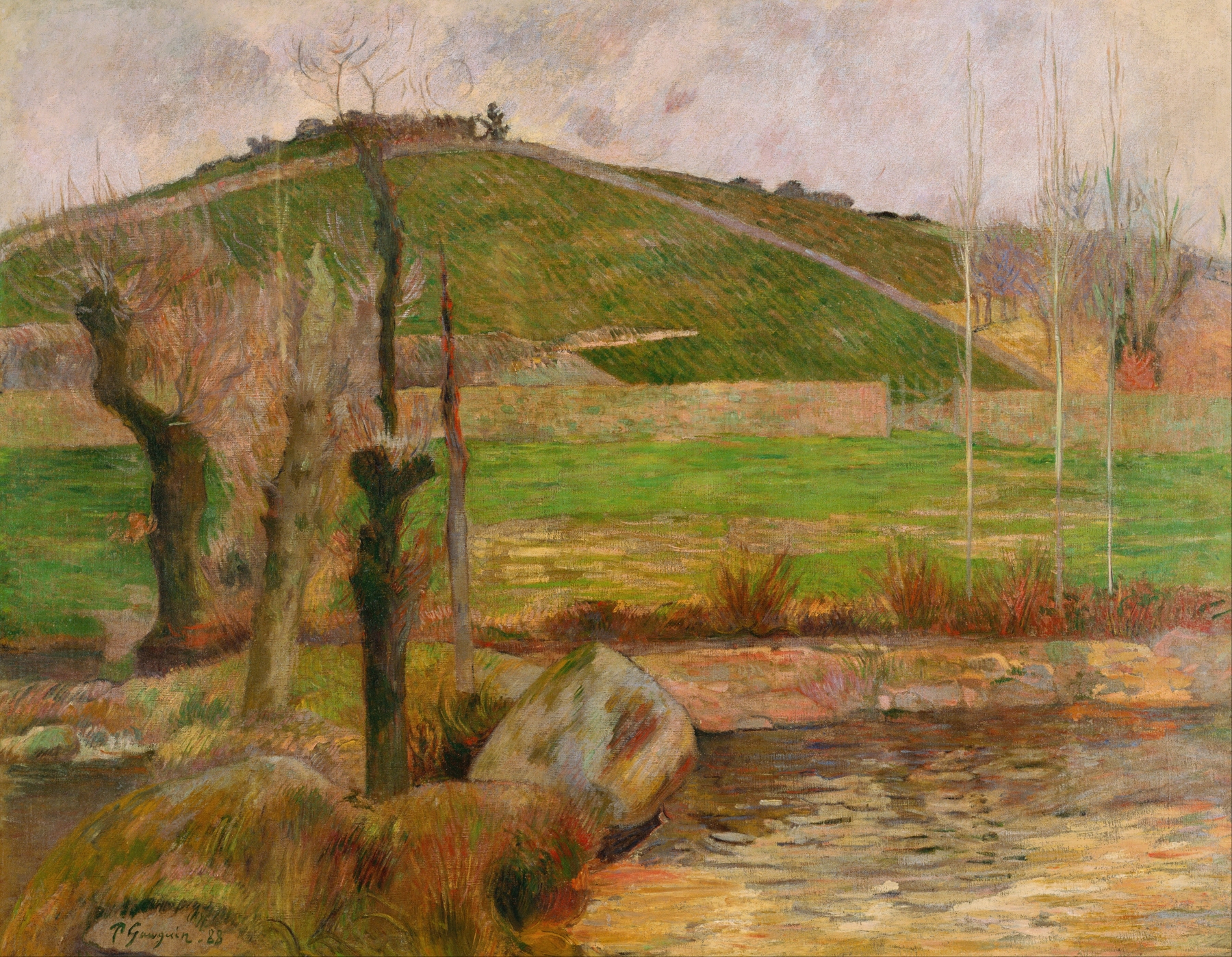
Landscape near Pont-Aven
Paul Gauguin

No te aha oe riri (Why Are You Angry?)
Paul Gauguin