
The presentation in the temple: oblong print — History & Facts
In a dimly lit temple, the air thick with anticipation, a young couple stands nervously before an assembly of solemn figures. Wisps of golden light filter through the grand arches, illuminating the child cradled in the mother’s arms, his innocence a stark contrast to the weight of the moment. The figures surrounding them — priests, worshippers, and onlookers — lean in, their faces etched with a mixture of reverence and curiosity, each gesture steeped in solemnity and tradition. Look closely at the child nestled in his mother’s embrace; the soft, pale hues of his swaddling blanket catch the light in a way that draws the eye instantly.
The rich, deep reds of the priests' robes create a striking backdrop that heightens the sacredness of the scene, while their outstretched hands add a sense of movement, as if they are reaching for divine acknowledgment. The masterful use of chiaroscuro envelops the figures in shadows, enhancing the emotional weight of this momentous occasion. Within this sacred gathering lies a tapestry of contrasts: the innocence of the child juxtaposed with the stoic expressions of the elders, the vibrancy of color against the muted tones of the temple's stone. The composition speaks to the themes of spirituality, sacrifice, and the passage of time, as the transient moment captures a legacy that will echo through generations.
Each face tells a story, reflecting the myriad responses to faith and devotion that fill the temple's sacred space. In the early 1640s, Rembrandt was immersed in the complexities of life in Amsterdam, balancing his successes with personal challenges. The presentation in the temple emerged during a period where the artist sought to deepen his exploration of human emotion and spirituality, reflecting the Baroque era's emphasis on dramatic storytelling through art. This work not only signifies a moment in religious tradition but also showcases the evolution of his style, where the interplay of light and color began to take on a profound significance.
More Artworks by Rembrandt van Rijn
Browse all →
The Night Watch Militia Company of District II under the Command of Captain Frans Banninck Cocq
Rembrandt van Rijn

The Return of the Prodigal Son
Rembrandt van Rijn

The Hundred Guilder Print: the figures leaning on the wall in the centre left
Rembrandt van Rijn

The Hundred Guilder Print: the central piece with Christ preaching, the plate arched
Rembrandt van Rijn

Isaac and Rebecca, Known as ‘The Jewish Bride’
Rembrandt van Rijn
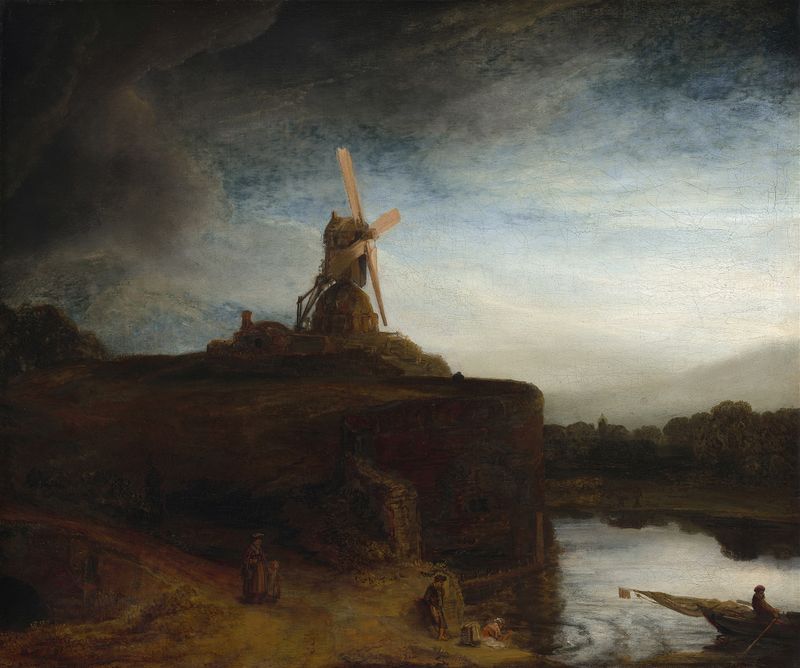
The Mill
Rembrandt van Rijn

The Sampling Officials of the Amsterdam Drapers’ Guild, Known as ‘The Syndics’
Rembrandt van Rijn

The return of the prodigal son
Rembrandt van Rijn
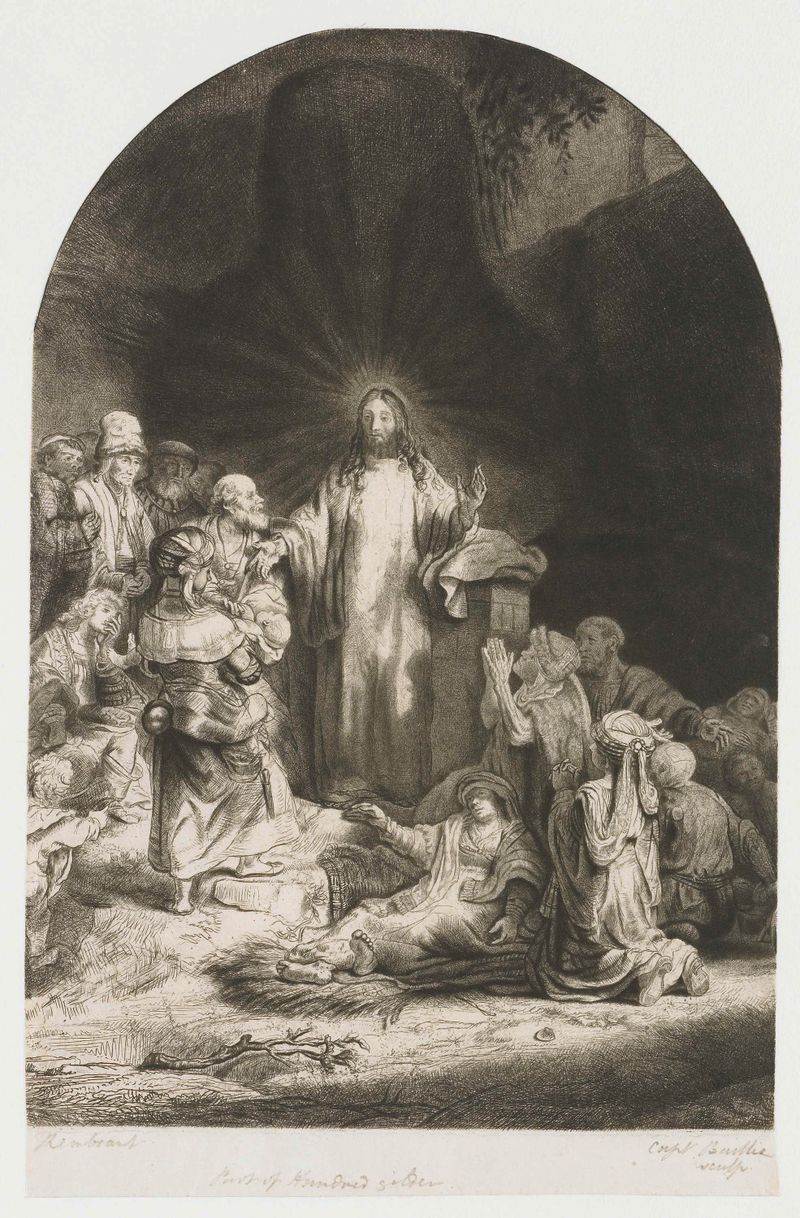
The Hundred Guilder Print: the central piece with Christ preaching, the plate arched
Rembrandt van Rijn

The Hundred Guilder Print: the man seen on the back in the lower left corner
Rembrandt van Rijn
More Religious Art
Browse all →The Return of the Prodigal Son
Rembrandt van Rijn

The Garden of Earthly Delights
El Bosco

Count Orgaz’ funeral
El Greco
The Hundred Guilder Print: the central piece with Christ preaching, the plate arched
Rembrandt van Rijn

The Descent from the Cross
Rogier van der Weyden
The return of the prodigal son
Rembrandt van Rijn