
The presentation in the temple: oblong print — History & Facts
In the hushed sanctuary of the temple, a small child is held aloft, his innocence illuminated by soft, golden light. Surrounding him, figures dressed in flowing robes bend closer, their expressions a mix of reverence and awe. The air is thick with anticipation, as the sacred moment of presentation unfolds — a collision of the divine and the mortal. Look to the center of the canvas, where the child is cradled almost ceremoniously, the light cascading over his cherubic face.
Notice how the artist uses deep, rich colors to accentuate the textures of the robes, the deep reds and earthy browns contrasting with the delicate pale skin of the child. The composition draws your eye inward, the surrounding figures creating a protective circle that elevates the scene’s importance. Each gesture conveys a story, with hands reaching out or folded in prayer, echoing the depths of faith and vulnerability. Beneath the surface of this tranquil moment lies a poignant exploration of mortality.
The juxtaposition of the child’s youthful innocence against the solemnity of the figures, who seem to carry the weight of tradition and expectation, speaks to the fragility of life and the fleeting nature of joy. In the quiet exchange, we sense an underlying tension: the sacred duty of presenting a child juxtaposed with the ever-present shadow of what lies ahead. In the early 1640s, Rembrandt was navigating both personal and professional challenges in Amsterdam, where he was establishing his reputation amidst the evolving Baroque movement. This period was marked by his search for deeper emotional truths, and The Presentation in the Temple reflects that ambition.
It illustrates not only a key biblical moment but also his burgeoning ability to capture complex human emotions within simple narratives.
More Artworks by Rembrandt van Rijn
Browse all →
The Night Watch Militia Company of District II under the Command of Captain Frans Banninck Cocq
Rembrandt van Rijn

The Return of the Prodigal Son
Rembrandt van Rijn

The Hundred Guilder Print: the figures leaning on the wall in the centre left
Rembrandt van Rijn

The Hundred Guilder Print: the central piece with Christ preaching, the plate arched
Rembrandt van Rijn

Isaac and Rebecca, Known as ‘The Jewish Bride’
Rembrandt van Rijn
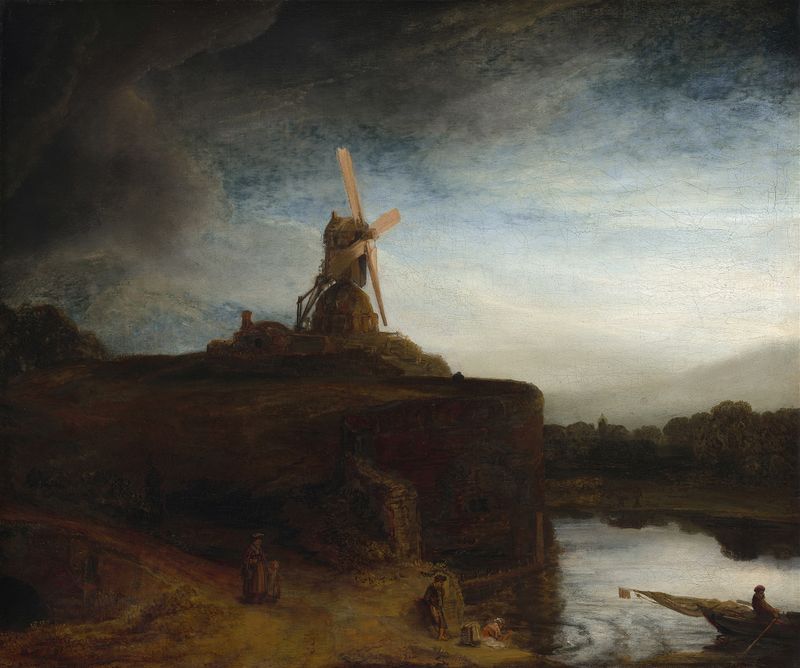
The Mill
Rembrandt van Rijn

The Sampling Officials of the Amsterdam Drapers’ Guild, Known as ‘The Syndics’
Rembrandt van Rijn

The return of the prodigal son
Rembrandt van Rijn
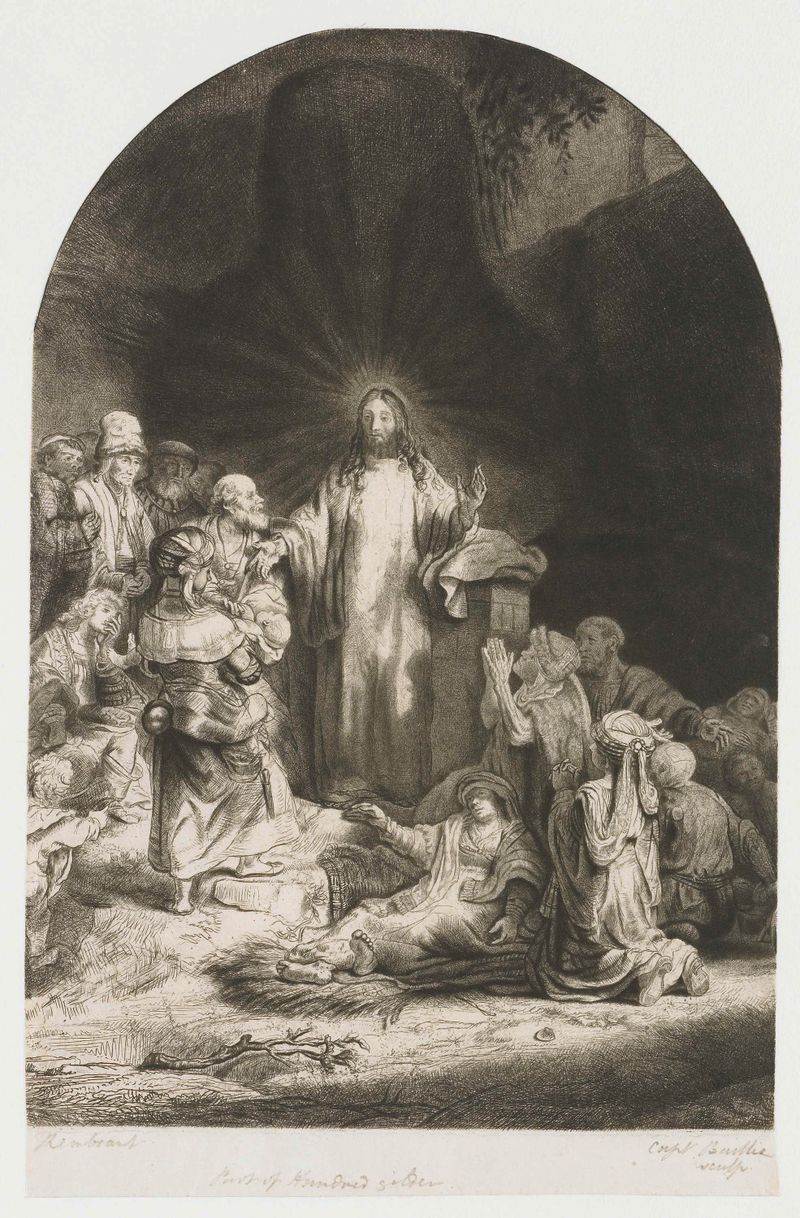
The Hundred Guilder Print: the central piece with Christ preaching, the plate arched
Rembrandt van Rijn

The Hundred Guilder Print: the man seen on the back in the lower left corner
Rembrandt van Rijn
More Religious Art
Browse all →The Return of the Prodigal Son
Rembrandt van Rijn

The Garden of Earthly Delights
El Bosco

Count Orgaz’ funeral
El Greco
The Hundred Guilder Print: the central piece with Christ preaching, the plate arched
Rembrandt van Rijn

The Descent from the Cross
Rogier van der Weyden
The return of the prodigal son
Rembrandt van Rijn