
The presentation in the temple: oblong print — History & Facts
In the hushed stillness of the temple, a couple stands in awe. The air is thick with reverence as they present their child, a flickering candlelight illuminating their solemn expressions. Around them, figures blend into the shadows, their gazes fixed on the sacred act, capturing a moment that echoes through time. Look to the left at the warm glow wrapping around the figures, particularly the parents, whose tender gestures convey both pride and humility.
Notice how the delicate interplay of light and shadow, characteristic of the artist's mastery, highlights the infant cradled in their arms. The contrast of the soft skin tones against the starkness of the temple environment evokes an intimate sanctuary amidst the public setting, while the intricate details of the architectural elements draw the eye upward, emphasizing the divine. Beneath the surface, themes of sacrifice and fulfillment dance quietly. The positioning of the figures creates a triangular composition, symbolizing the Holy Trinity and reflecting the deep spiritual significance of the occasion.
The distance between the couple and the observing crowd mirrors a gap between the earthly and the sacred, inviting contemplation on the nature of devotion and community in moments of personal significance. Created around 1640, this work emerged during a transformative period for the artist, who was grappling with personal trials yet achieving acclaim for his innovative techniques in printmaking. The Baroque art world was evolving, with a growing interest in the human condition, allowing him to explore profound themes through the lens of everyday life. In this print, the stillness captured invites viewers into a moment of deep reflection, emblematic of both the artist's genius and the spiritual heritage of his time.
More Artworks by Rembrandt van Rijn
Browse all →
The Night Watch Militia Company of District II under the Command of Captain Frans Banninck Cocq
Rembrandt van Rijn

The Return of the Prodigal Son
Rembrandt van Rijn

The Hundred Guilder Print: the figures leaning on the wall in the centre left
Rembrandt van Rijn

The Hundred Guilder Print: the central piece with Christ preaching, the plate arched
Rembrandt van Rijn

Isaac and Rebecca, Known as ‘The Jewish Bride’
Rembrandt van Rijn
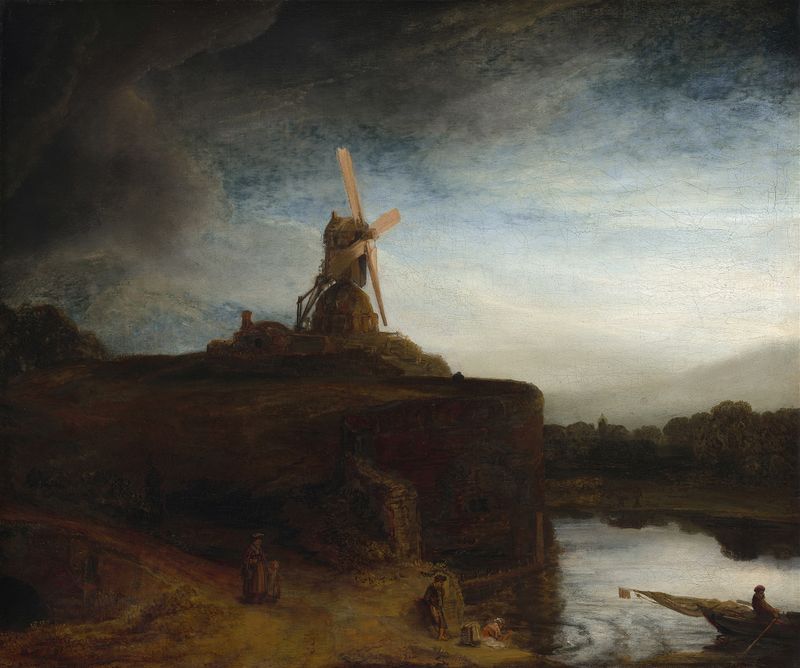
The Mill
Rembrandt van Rijn

The Sampling Officials of the Amsterdam Drapers’ Guild, Known as ‘The Syndics’
Rembrandt van Rijn

The return of the prodigal son
Rembrandt van Rijn
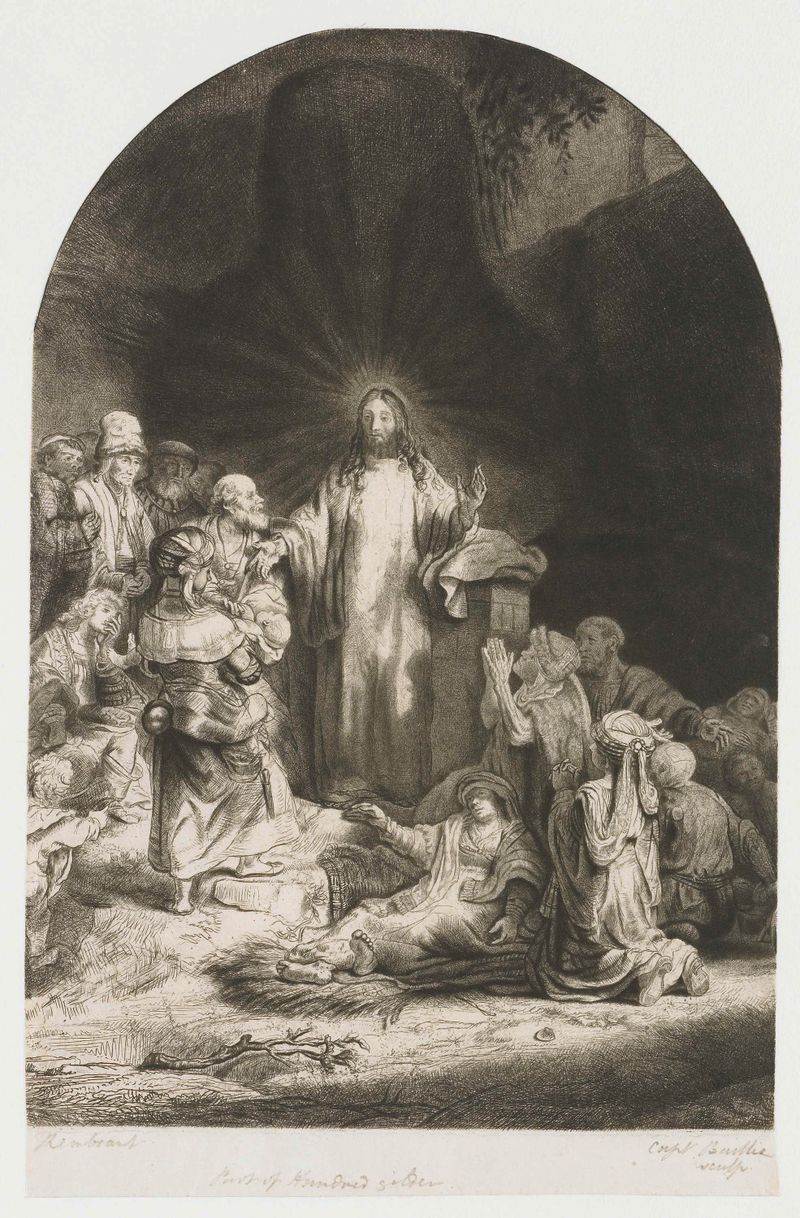
The Hundred Guilder Print: the central piece with Christ preaching, the plate arched
Rembrandt van Rijn

The Hundred Guilder Print: the man seen on the back in the lower left corner
Rembrandt van Rijn
More Religious Art
Browse all →The Return of the Prodigal Son
Rembrandt van Rijn

The Garden of Earthly Delights
El Bosco

Count Orgaz’ funeral
El Greco
The Hundred Guilder Print: the central piece with Christ preaching, the plate arched
Rembrandt van Rijn

The Descent from the Cross
Rogier van der Weyden
The return of the prodigal son
Rembrandt van Rijn