
The presentation in the temple: oblong print — History & Facts
In a dimly lit temple, a young couple presents their child, cradled against a backdrop of solemn faces. The air is thick with reverence, as a wise elder reaches out with tender authority, his hand poised to bless the innocent infant. The flickering light dances across the figures, illuminating their faces with a warm glow that heightens the emotional gravity of this moment. Look to the left where the expressions of the crowd unfold in a tapestry of awe and devotion.
The gentle curves and folds of their garments seem almost alive, while the intricate details of the temple’s architecture pull your gaze skyward, suggesting a divine presence above. Notice how the warm earth tones contrast with the cooler shadows, creating a dialogue between light and darkness that mirrors the tension between the sacred and the ordinary. At the center of this sacred encounter, the child symbolizes innocence and hope amid the weight of tradition. The elder’s gesture encapsulates a moment of connection, bridging generations and foreshadowing the child’s future journey.
Yet, there is a poignant contrast between the stillness of the figures and the dynamic array of movement suggested in the drapery, revealing an undercurrent of life and potential that resonates through the ages. In the early 1640s, Rembrandt was deeply immersed in his exploration of human emotion and biblical themes, living in Amsterdam amid a flourishing art scene. This period marked a turning point as he began to experiment with light and shadow, techniques that would define his legacy. The presentation in the temple reflects not only his mastery of chiaroscuro but also a personal exploration of faith and familial bonds during a time of personal and professional challenge.
More Artworks by Rembrandt van Rijn
Browse all →
The Night Watch Militia Company of District II under the Command of Captain Frans Banninck Cocq
Rembrandt van Rijn

The Return of the Prodigal Son
Rembrandt van Rijn

The Hundred Guilder Print: the figures leaning on the wall in the centre left
Rembrandt van Rijn

The Hundred Guilder Print: the central piece with Christ preaching, the plate arched
Rembrandt van Rijn

Isaac and Rebecca, Known as ‘The Jewish Bride’
Rembrandt van Rijn
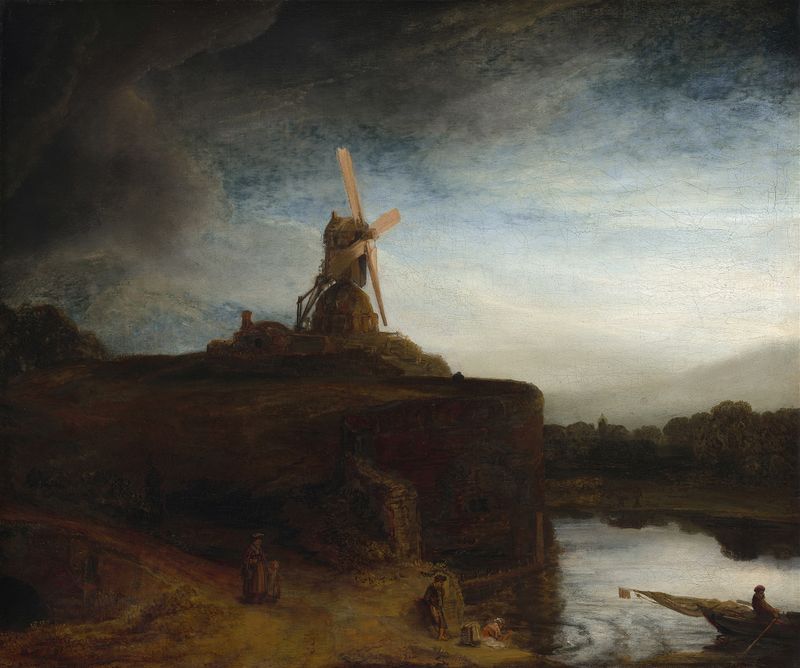
The Mill
Rembrandt van Rijn

The Sampling Officials of the Amsterdam Drapers’ Guild, Known as ‘The Syndics’
Rembrandt van Rijn

The return of the prodigal son
Rembrandt van Rijn
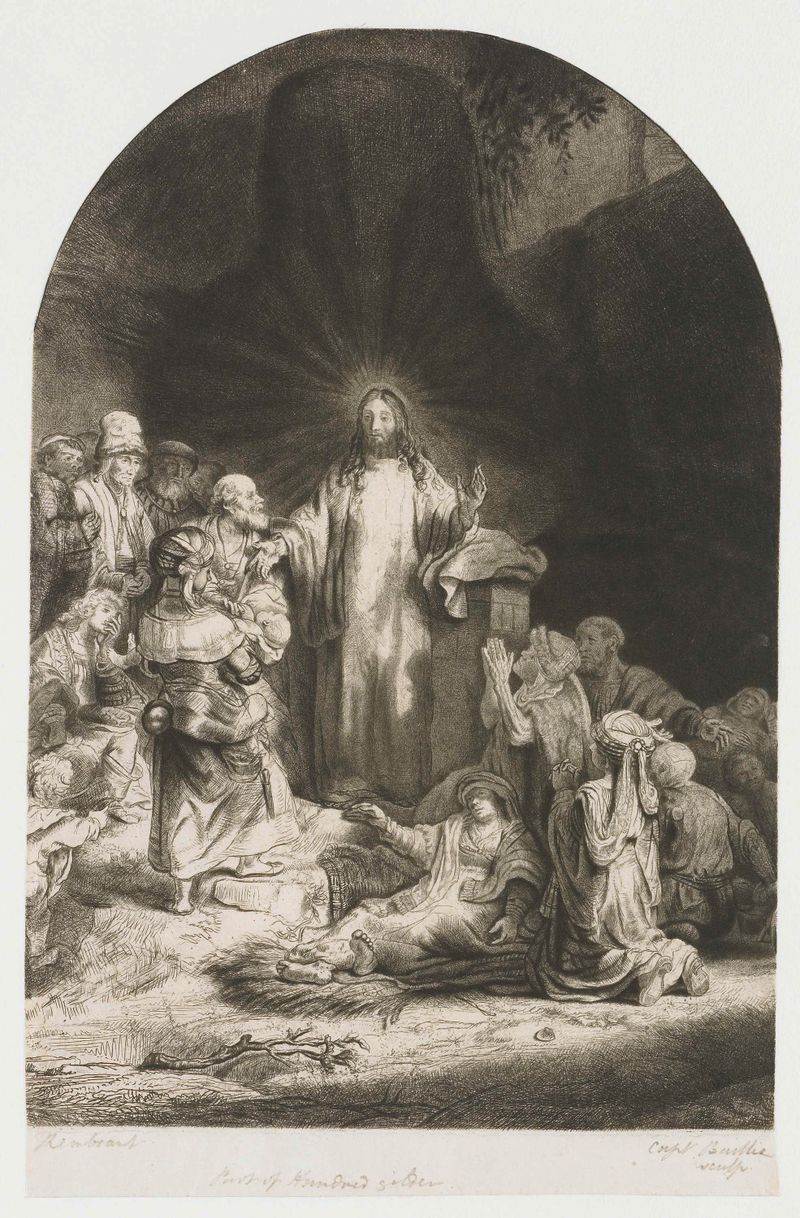
The Hundred Guilder Print: the central piece with Christ preaching, the plate arched
Rembrandt van Rijn

The Hundred Guilder Print: the man seen on the back in the lower left corner
Rembrandt van Rijn
More Religious Art
Browse all →The Return of the Prodigal Son
Rembrandt van Rijn

The Garden of Earthly Delights
El Bosco

Count Orgaz’ funeral
El Greco
The Hundred Guilder Print: the central piece with Christ preaching, the plate arched
Rembrandt van Rijn

The Descent from the Cross
Rogier van der Weyden
The return of the prodigal son
Rembrandt van Rijn