The Prison of Dardanus — History & Facts
When did color learn to lie? The whispers of hues in The Prison of Dardanus beckon us to question the very essence of our perceptions, revealing a fragile truth buried beneath layers of paint. Look to the center of the canvas, where somber figures huddle together, their forms partially obscured by shadows that seem to stretch and recoil. The artist employs a muted palette dominated by grays and blues, evoking a sense of despair while accentuating the luminous glimmers that escape the darkness. Notice how the light falls upon the figures’ faces, illuminating the weariness etched in their expressions, each brushstroke rendering their plight both palpable and haunting. Yet, beneath the surface, there lies a deeper narrative of incarceration and hopelessness.
The physical boundaries of the structure around them serve as both a literal and metaphorical prison, symbolizing the constraints of society and the fragility of human spirit. The contrasting light suggests a fleeting hope, as if the figures yearn for liberation—an emotion interwoven with the oppressive atmosphere, creating a complex dance of despair and yearning within the composition. Created in 1750, this work emerges from an era rife with political upheaval and philosophical inquiry. The unknown artist reflects the Enlightenment's push against authoritarianism while tapping into the timeless theme of human suffering.
During this period, art began to embrace emotional depth and complexity, setting the stage for a larger exploration of individual experience in a tumultuous world.
More Artworks by Unknown Artist
Browse all →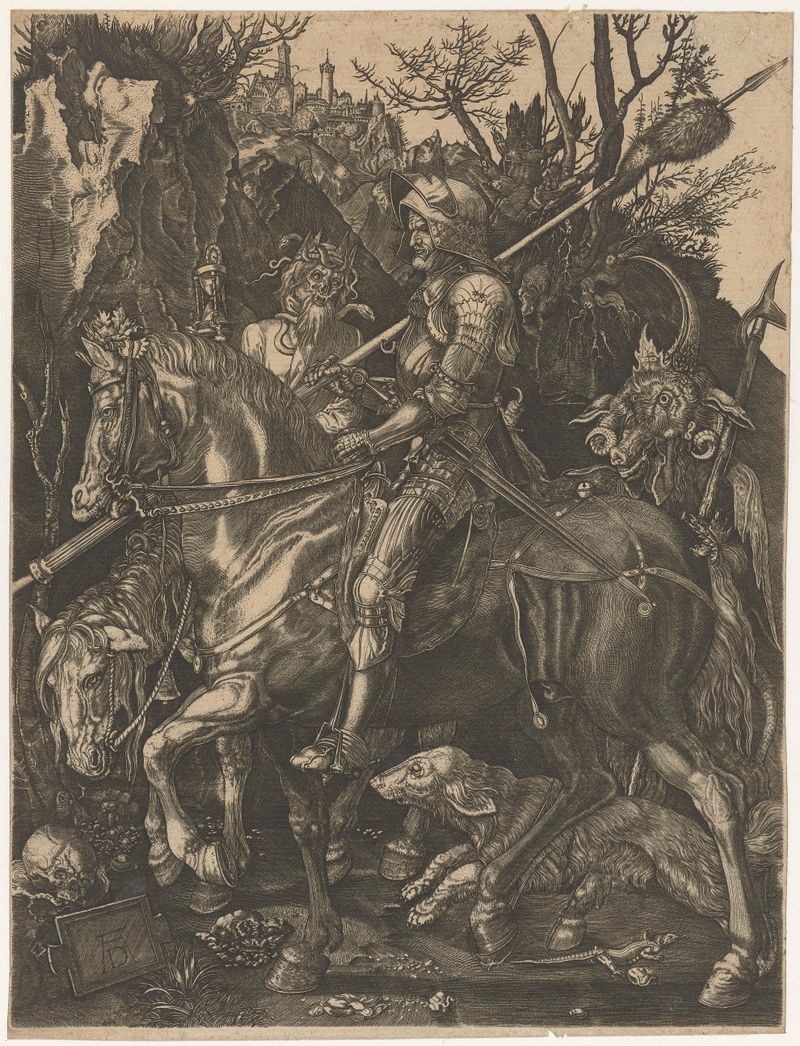
Ridder, Dood en Duivel
Unknown Artist
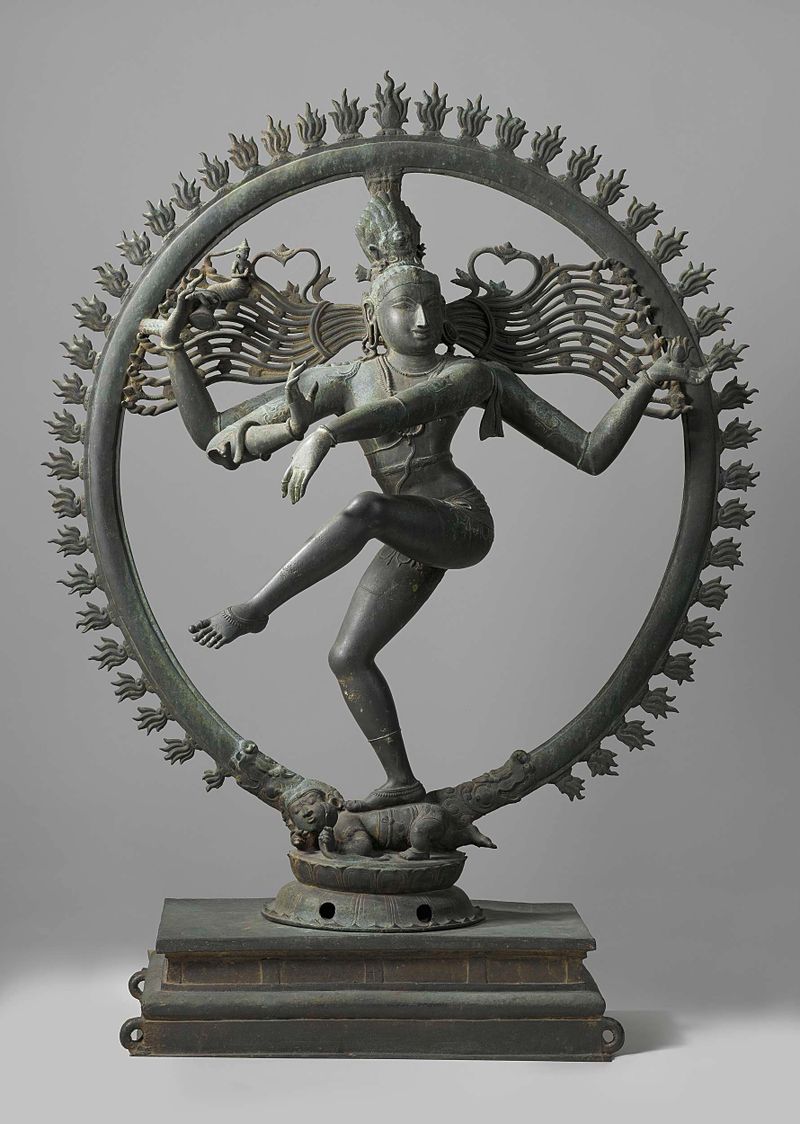
Shiva Nataraja
Unknown Artist
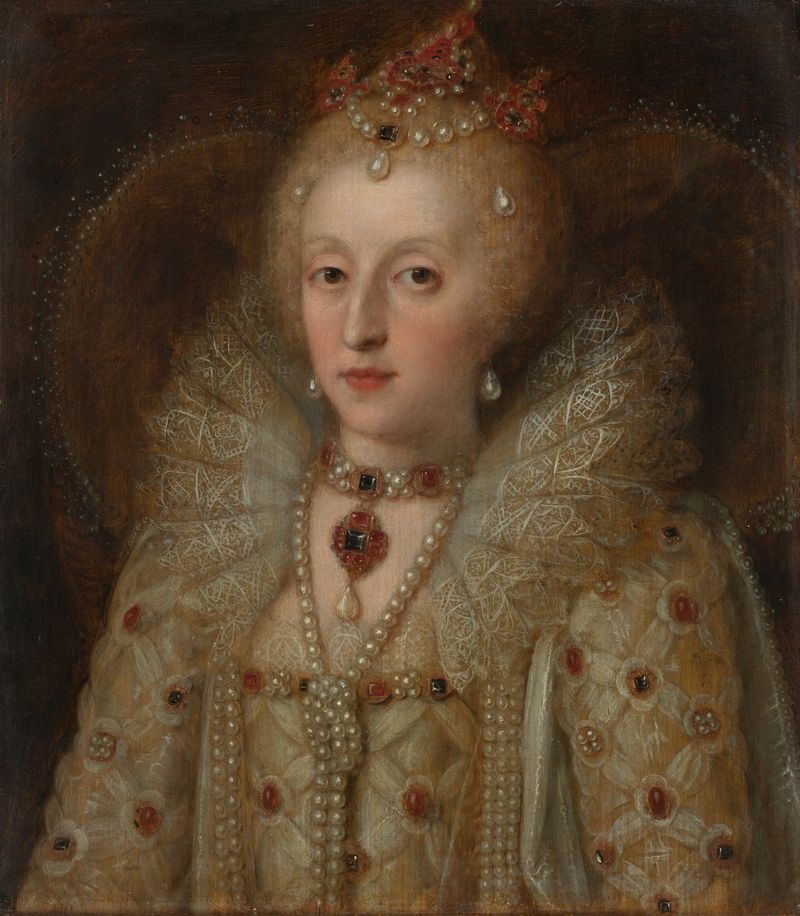
Portrait of Elizabeth I, Queen of England
Unknown Artist
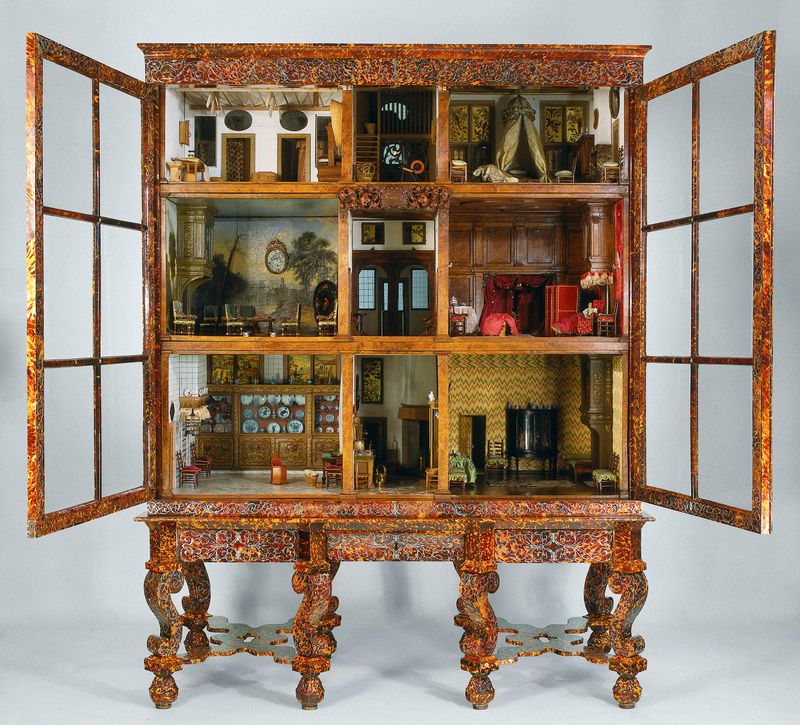
Dolls’ house of Petronella Oortman
Unknown Artist
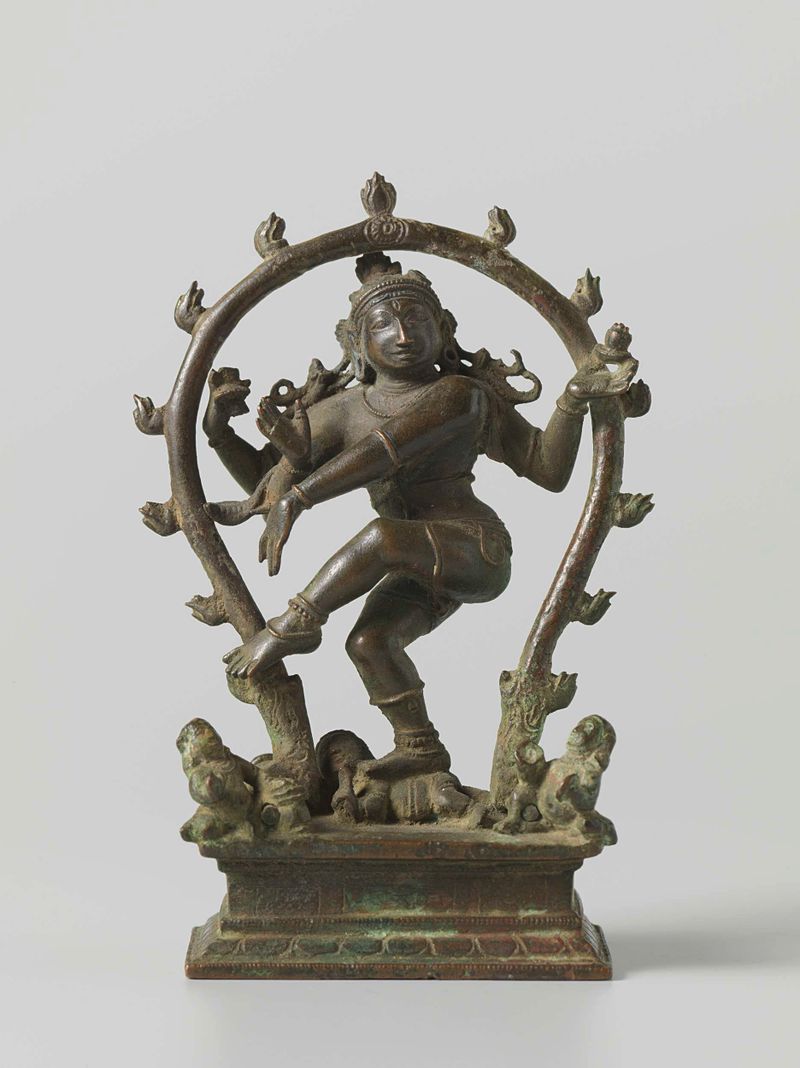
Shiva Nataraja
Unknown Artist

The Tale of Genji
Unknown Artist

The Tale of Genji
Unknown Artist
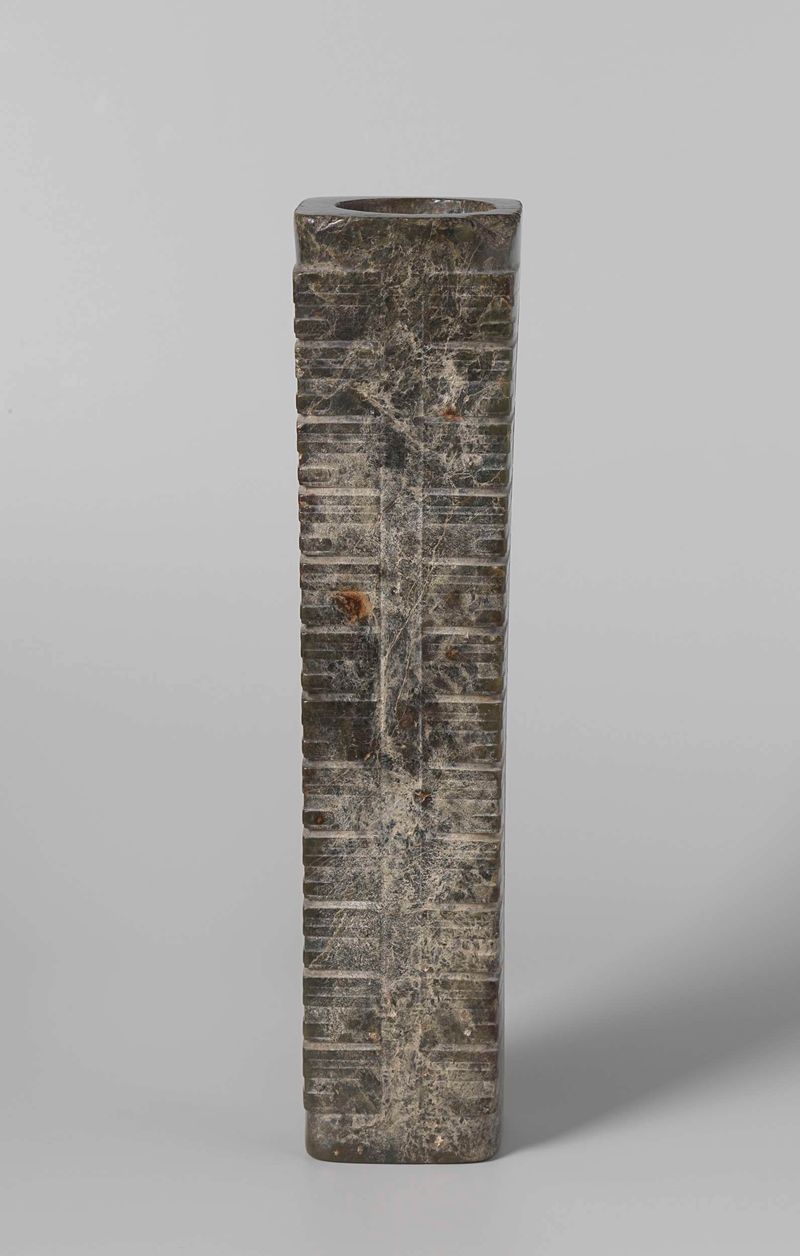
Cong
Unknown Artist
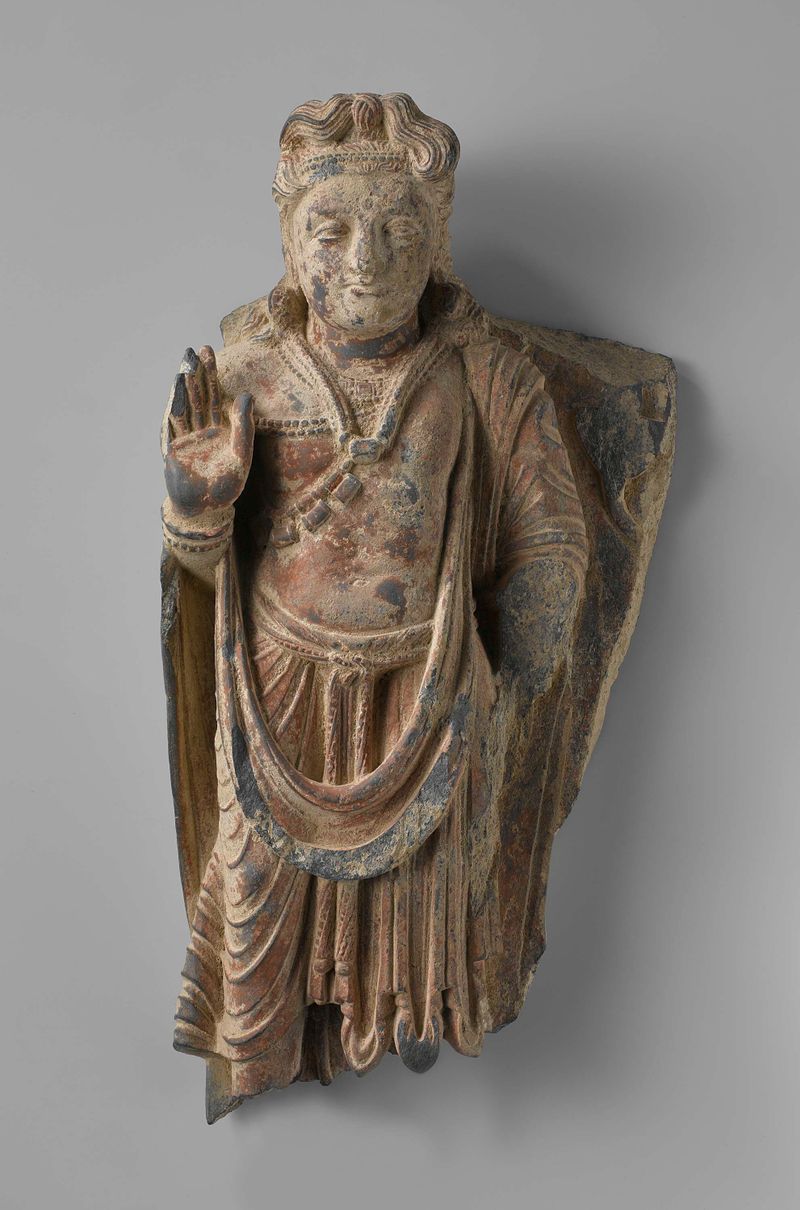
The bodhisattva Maitreya
Unknown Artist
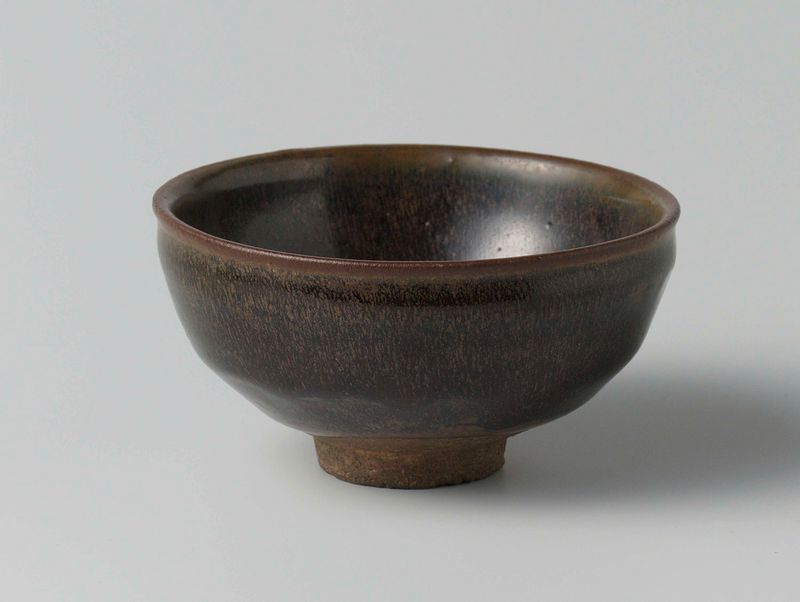
Teabowl with a 'hare's fur' glaze
Unknown Artist