
The Prodigal Son; page 23 — History & Facts
In The Prodigal Son; page 23, Henri Rivière uses a rich palette of earthy tones and deep blues. The figures are depicted with a sense of movement, capturing the emotional turmoil of the biblical narrative. The setting appears to be a rustic landscape, enhancing the story's themes of loss and redemption.
Light plays a significant role, illuminating the central figure while casting shadows that suggest depth and complexity. The painting is executed in oil on canvas, a medium that allows for vibrant color and texture. Rivière's brushwork is expressive, with visible strokes that add to the emotional intensity of the scene. The composition is carefully balanced, guiding the viewer's eye towards the focal point of the Prodigal Son.
The dimensions are approximately 80 x 100 cm, making it a substantial work that invites close inspection. Henri Rivière was a French painter associated with the Symbolist movement, known for his ability to convey deep emotions through visual storytelling. This work, created in the 1890s, reflects the artist's interest in biblical themes and human experience. An interesting fact about this painting is that it captures a moment of reconciliation, emphasizing the themes of forgiveness and acceptance.
Rivière's unique style blends realism with symbolic elements, making this piece a notable example of his artistic vision.
More Artworks by Henri Rivière

Sur les toits
Henri Rivière
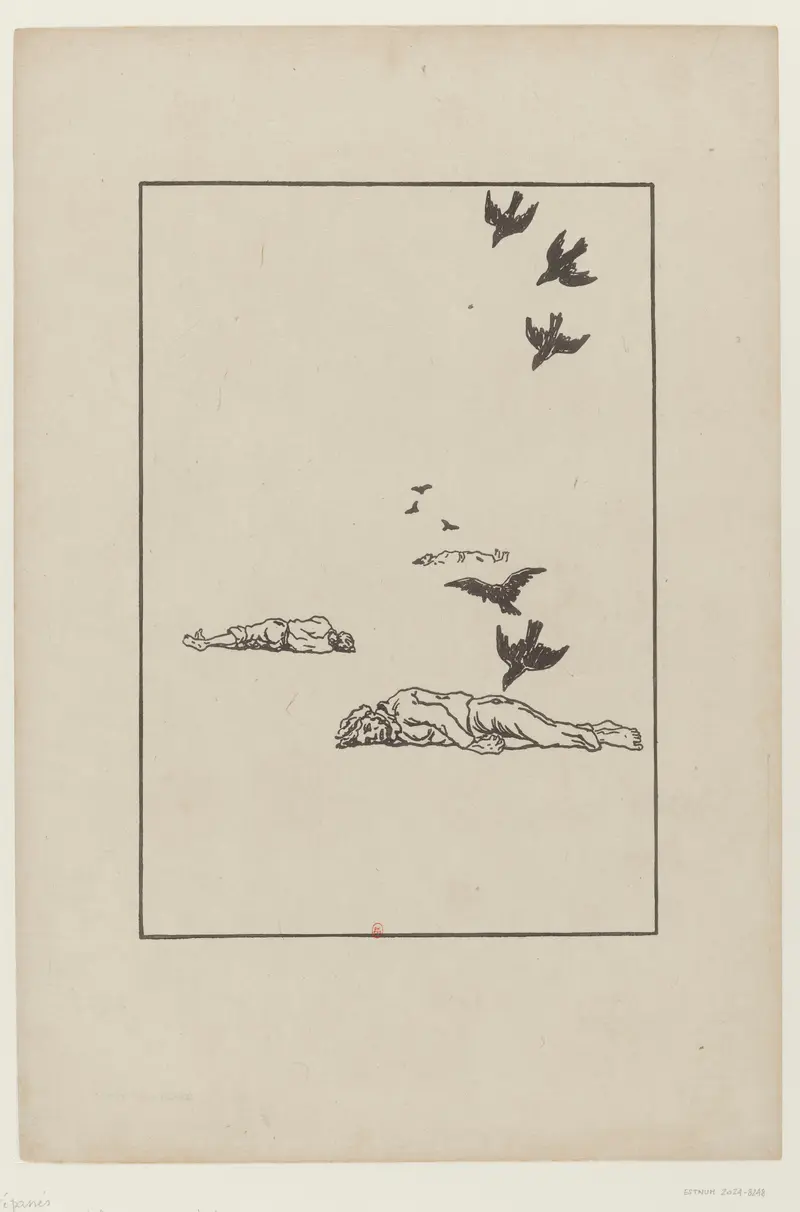
La Baie des trépassés
Henri Rivière
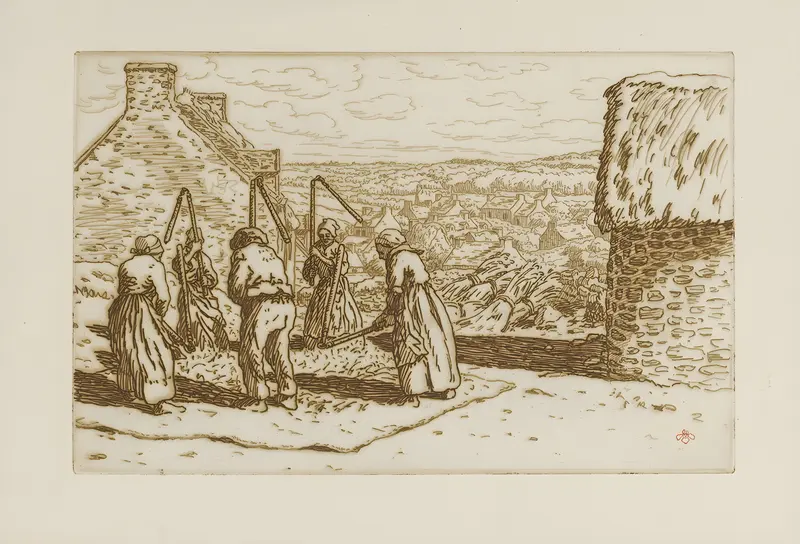
Homme et quatre femmes battant le blé
Henri Rivière

Barque à sec sur le sable au pied de la falaise
Henri Rivière
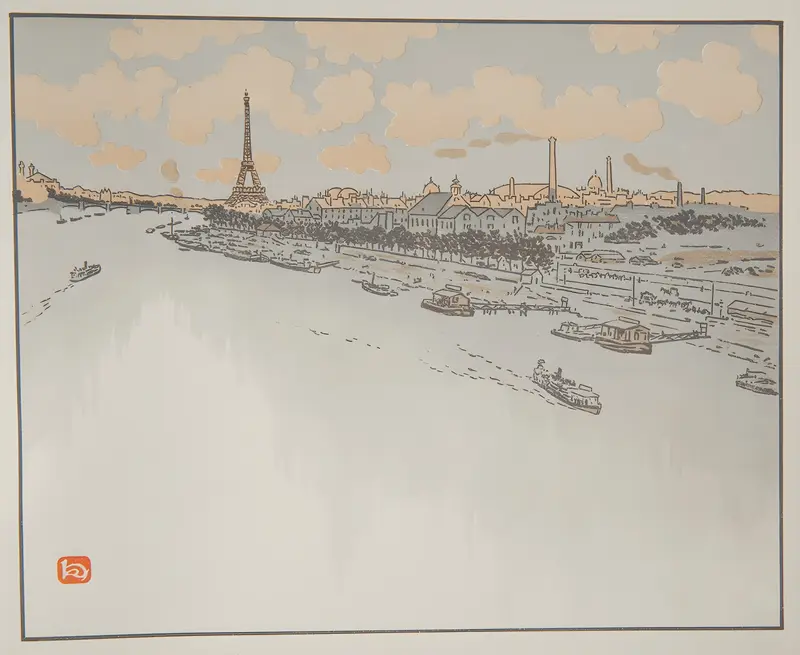
Du Point-du-Jour
Henri Rivière
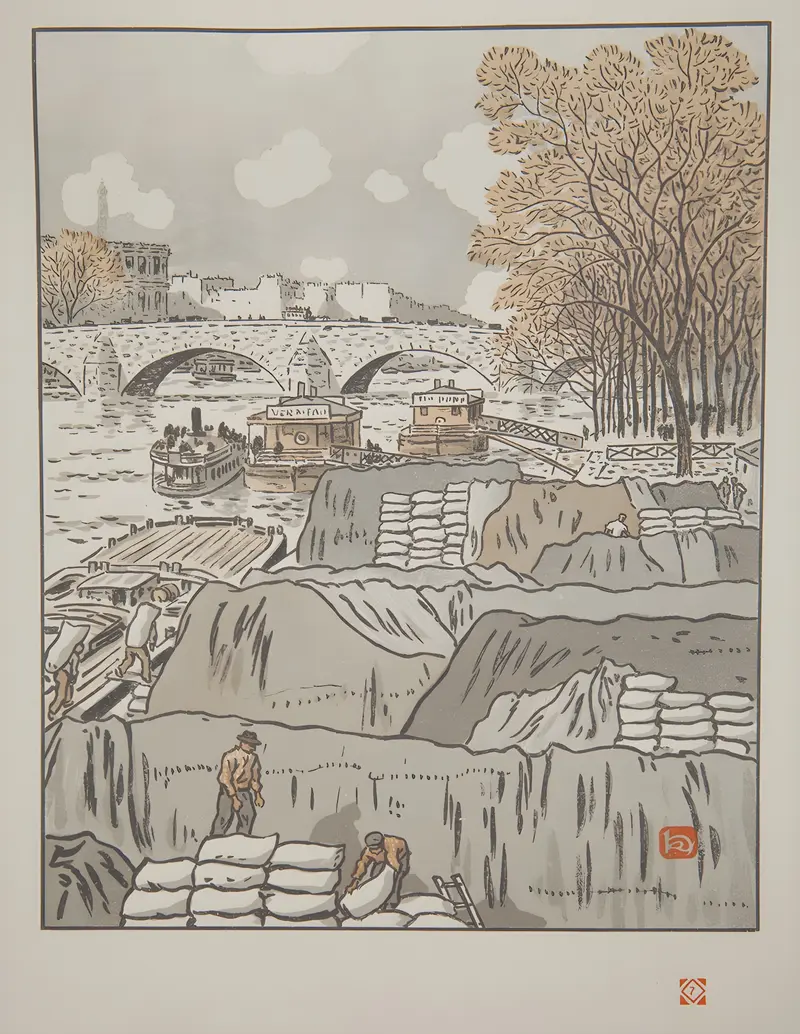
Du Pont des Saints Peres
Henri Rivière
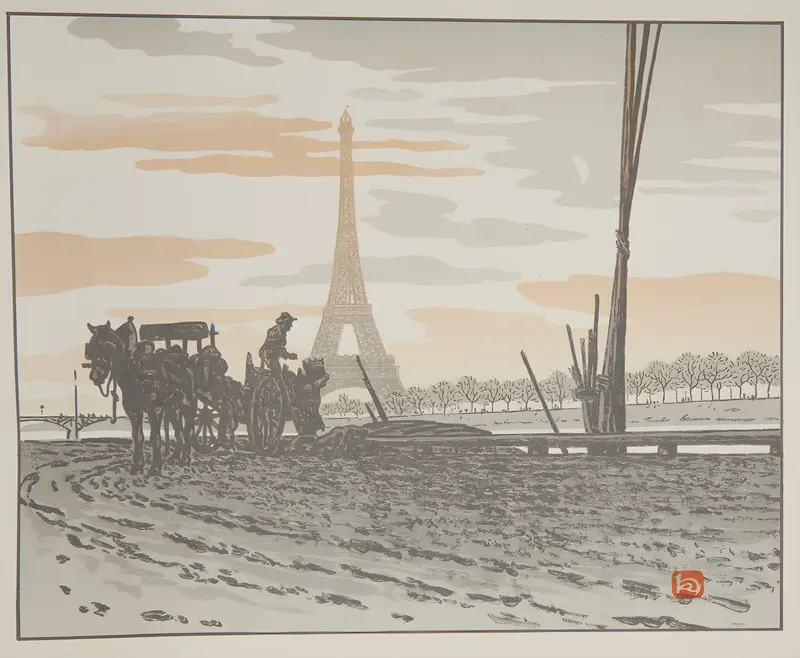
Du Quai de Pasy – Charboniers
Henri Rivière
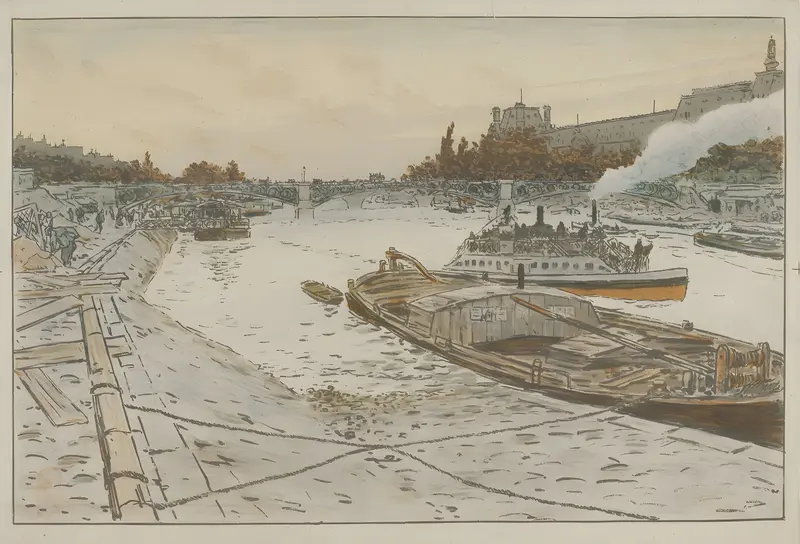
Le Pont des Saints-Pères (pont du Carrousel) et le Louvre
Henri Rivière
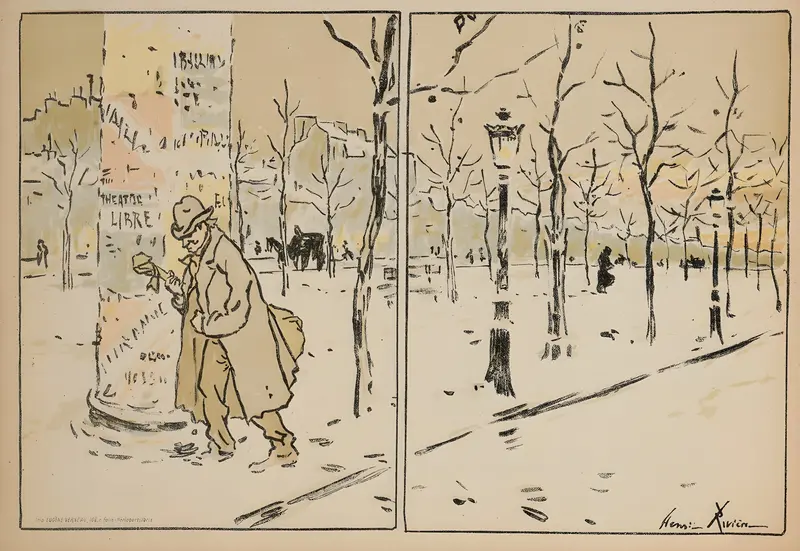
Paris en hiver, Programme pour le Théâtre Libre
Henri Rivière
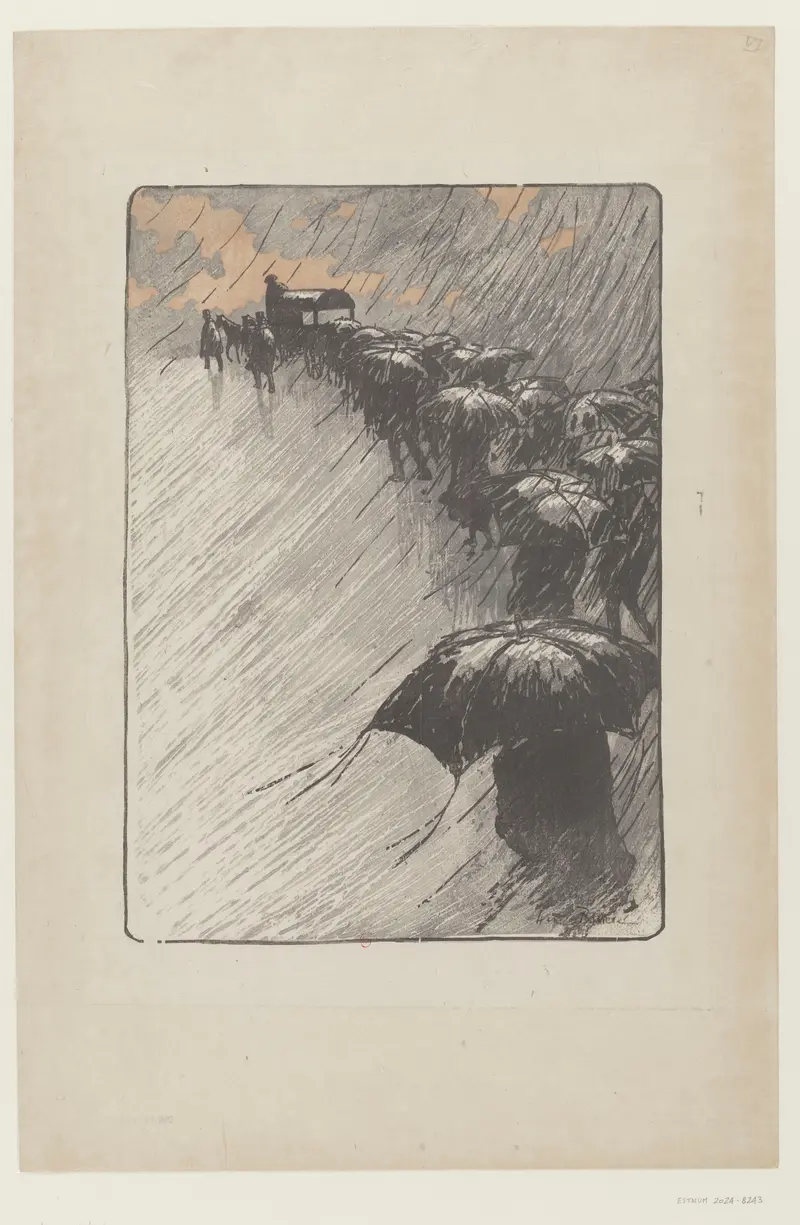
L’Enterrement aux parapluies
Henri Rivière





