
The Pyrenees — History & Facts
Memory is often painted in layers, much like the landscape before us in The Pyrenees. Here, the majestic mountains stand as silent witnesses to the passage of time, their peaks draped in soft hues that evoke nostalgia, luminous yet elusive. Look to the left at the rich tones of ochre and green, where Hone skillfully captures the verdant valleys that cradle the soaring summits. The brushwork flows with a delicate rhythm, guiding your eyes upward along the rugged terrain, where the peaks rise sharply against a sky that shifts from azure to a warm, golden glow.
It's a symphony of colors, each stroke revealing the artist’s meticulous attention to light—a fleeting moment frozen in time, where nature whispers its secrets. As you take in the grandeur, consider the contrasts at play: the solidity of the mountains juxtaposed with the ethereal quality of the sky. This tension between permanence and transience reflects a deeper emotional resonance, perhaps an exploration of how memories can shape our perception of reality. The gentle light filtering through the clouds hints at a serene yet poignant atmosphere, reminding us of the fleeting nature of beauty. In 1887, Nathaniel Hone the Younger painted this piece during a time of burgeoning interest in landscape art, characterized by a shift towards a more personal, subjective approach.
Working in England, Hone was not only influenced by his contemporaries but also by the legacy of Romanticism, capturing the quiet majesty of the Pyrenees while navigating through his own reflections on memory and experience.
More Artworks by Nathaniel Hone the Younger
Browse all →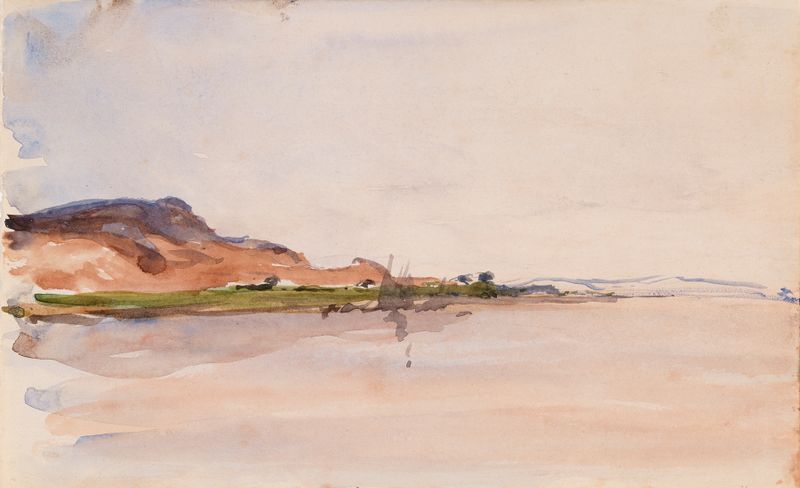
A Wooded Point on the Banks of the River Nile, Egypt
Nathaniel Hone the Younger

A View of Villefranche from the East
Nathaniel Hone the Younger
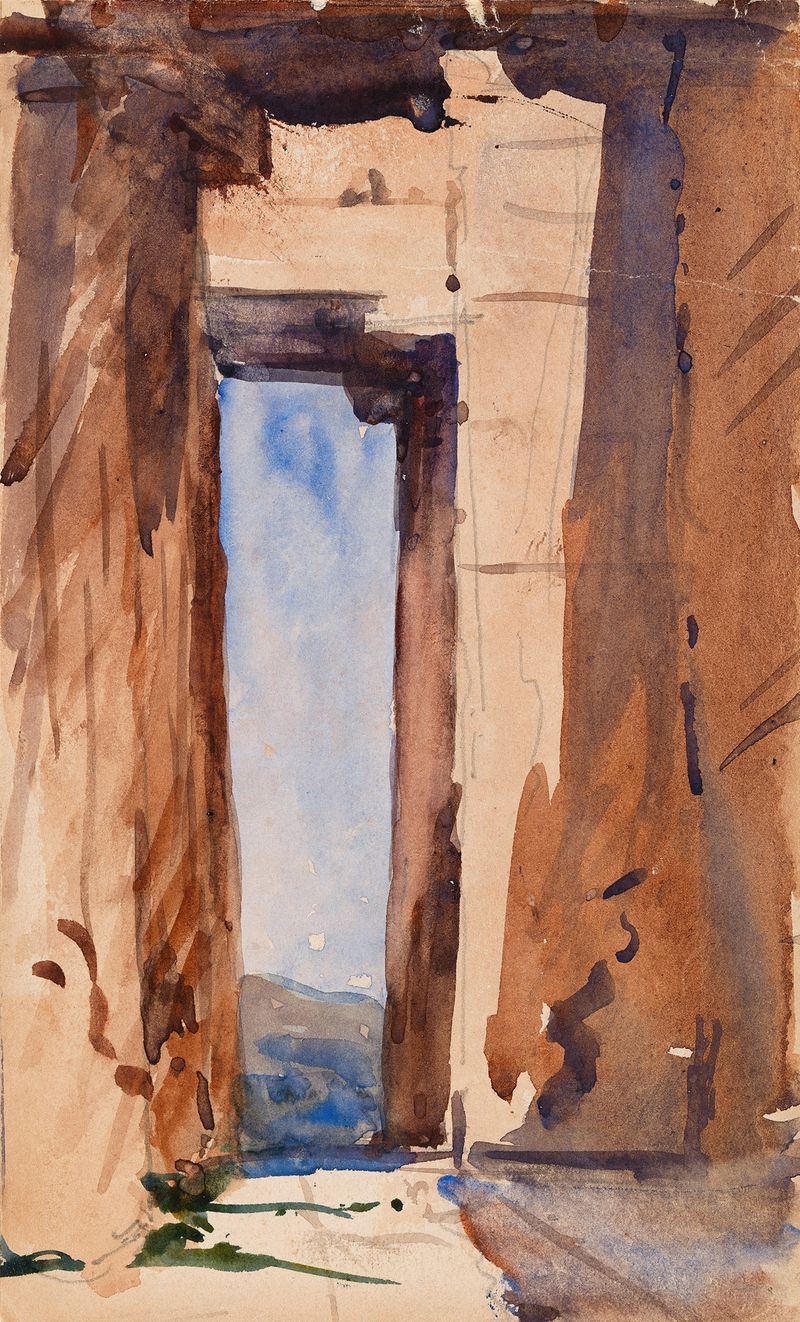
The Parthenon, Athens
Nathaniel Hone the Younger
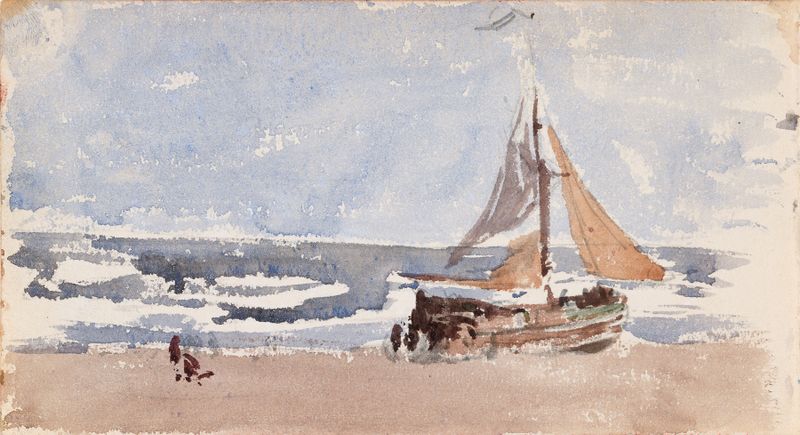
A Dutch Fishing Boat on the Shore
Nathaniel Hone the Younger

The Sphinx
Nathaniel Hone the Younger
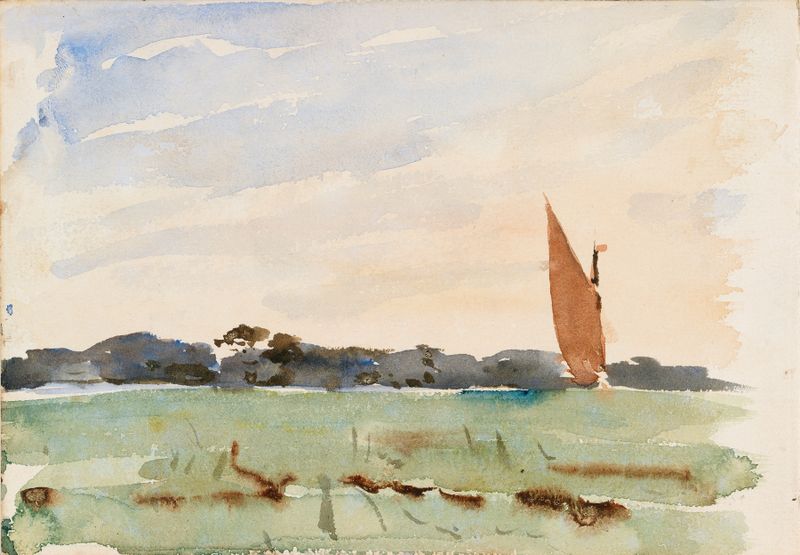
The Norfolk Broads, at Evening
Nathaniel Hone the Younger





