The Sphinx — History & Facts
Could beauty survive in a century of chaos? The tension between light and shadow prompts this question, beckoning the viewer to delve deeper into Nathaniel Hone the Younger's The Sphinx. Here, a figure shrouded in enigmatic grace stands against a backdrop that seems to whisper secrets of a turbulent era. Look to the left at the elegantly sculpted features of the sphinx, whose eyes reflect a haunting wisdom. The interplay of rich earth tones and muted pastels creates a sense of depth and mystery, inviting viewers to explore the contours of its face and the intricate textures of its body.
Notice how the light caresses the surface, highlighting the sphinx's solemn expression while casting deeper shadows that suggest layers of hidden narratives. Within this artwork lies a profound dialogue between the known and the unknown. The sphinx embodies an age-old enigma, a guardian of knowledge amidst chaos, while the contrasting shadows hint at the darker forces lurking just beyond sight. This duality speaks to the fragility of beauty and wisdom in a world rife with uncertainty.
Each gesture, each play of light, is a reminder of the transient nature of existence. In 1892, Hone created this work during a period marked by rapid change and artistic experimentation. Living in London, he was influenced by the aesthetic movement and the search for beauty amid industrialization. This backdrop of transformation and turmoil finds its reflection in the sphinx, an enduring symbol that captivates viewers even as the world shifts around it.
More Artworks by Nathaniel Hone the Younger
Browse all →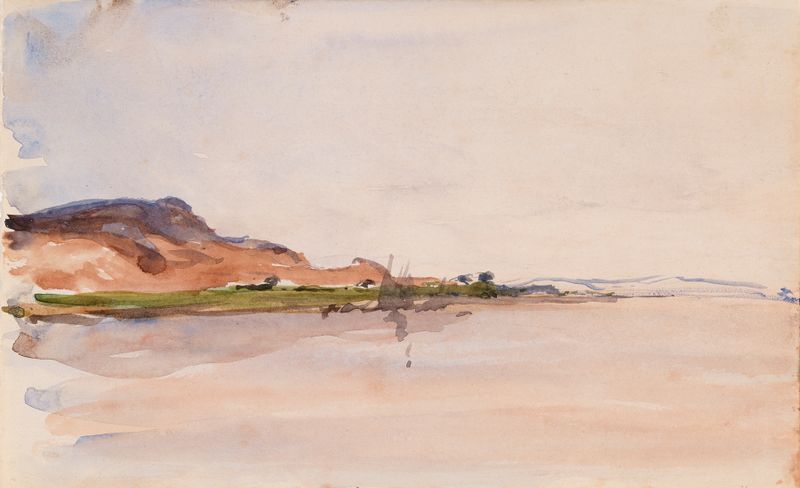
A Wooded Point on the Banks of the River Nile, Egypt
Nathaniel Hone the Younger
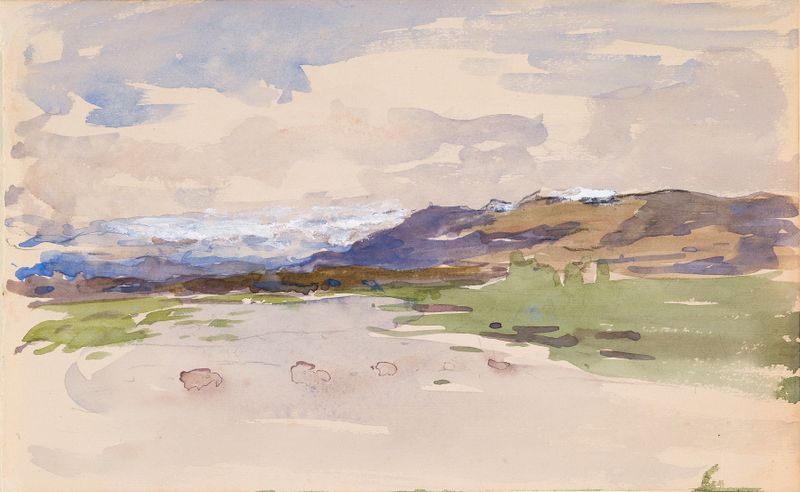
The Pyrenees
Nathaniel Hone the Younger

A View of Villefranche from the East
Nathaniel Hone the Younger
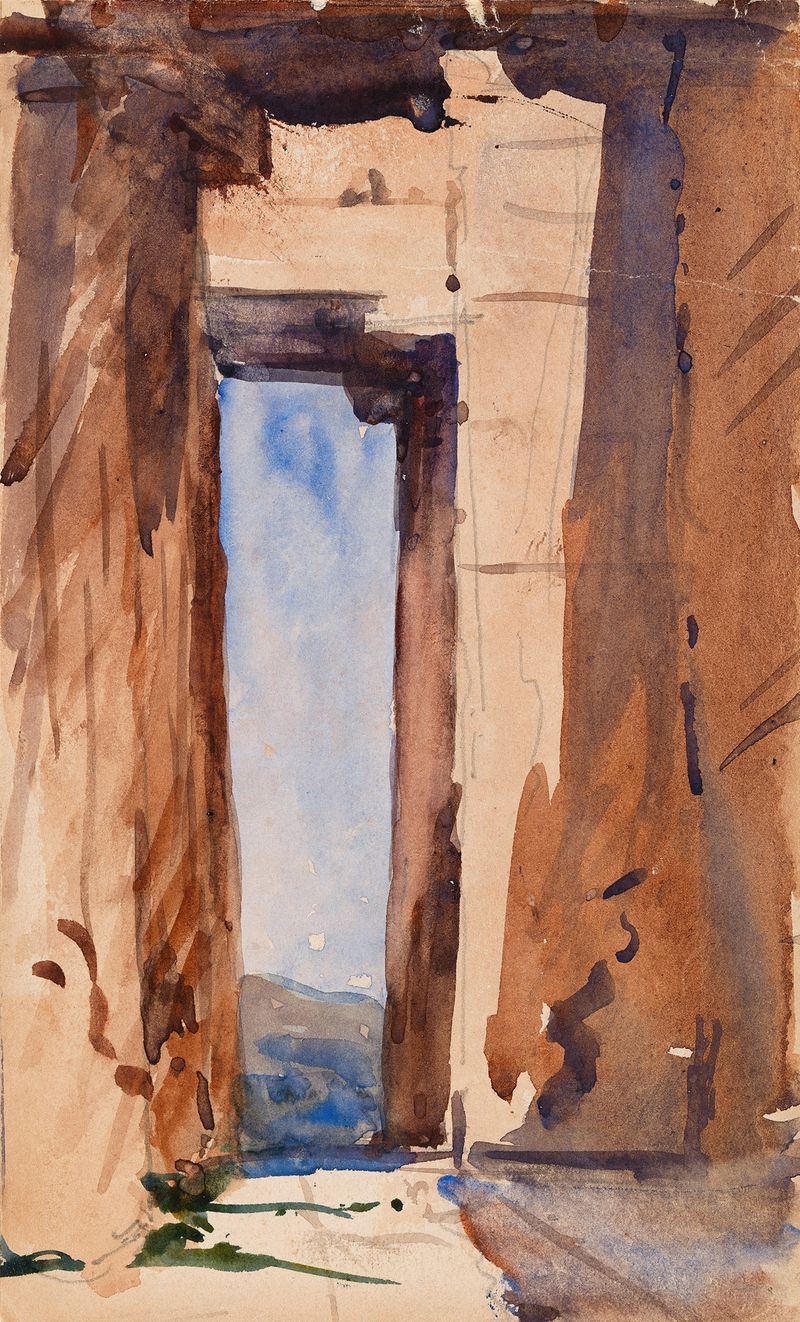
The Parthenon, Athens
Nathaniel Hone the Younger
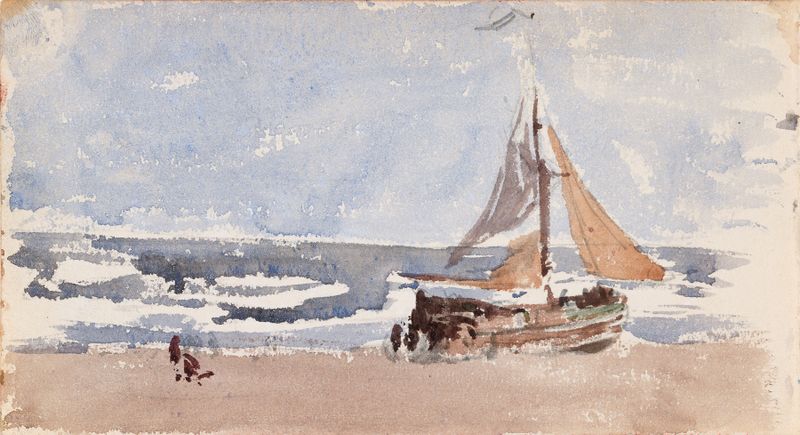
A Dutch Fishing Boat on the Shore
Nathaniel Hone the Younger
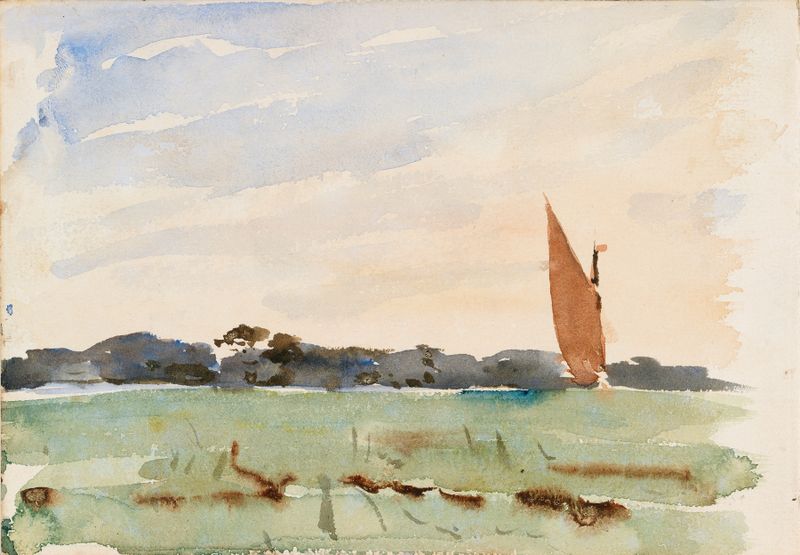
The Norfolk Broads, at Evening
Nathaniel Hone the Younger