
The raising of Lazarus: small plate — History & Facts
Can paint confess what words never could? In The Raising of Lazarus, silence hangs heavy in the air, a lingering moment where divine intervention meets profound vulnerability. Look to the center of the composition, where the figure of Lazarus emerges from darkness, shrouded in deep shadows that contrast sharply with the luminous, almost ethereal light cascading from above. Notice the intricate interplay of light and shadow not only sculpting Lazarus's form but also illuminating the astonished expressions of those surrounding him. Each face tells a story, caught between disbelief and awe, with the delicate brushwork highlighting the textures of their garments, enhancing the emotional weight of the scene. Within this moment lies a profound tension between life and death.
The rapt attention of the figures around Lazarus mirrors humanity's eternal struggle with mortality, while the act of resurrection invokes themes of hope and redemption. The subtle gestures—the outstretched hands of those present and the serene expression on Lazarus’s face—create an atmosphere where divine grace meets human fragility, encapsulating a transformative moment that transcends time. In 1642, Rembrandt painted this small plate while living in Amsterdam, amidst a thriving art scene steeped in religious themes and humanist thought. At this juncture in his career, he was grappling with personal grief yet was celebrated for his mastery of chiaroscuro and rich narrative depth.
This work reflects his exploration of faith, the human condition, and the powerful stories drawn from sacred texts, solidifying his status as a pivotal figure in the Baroque period.
More Artworks by Rembrandt van Rijn
Browse all →
The Night Watch Militia Company of District II under the Command of Captain Frans Banninck Cocq
Rembrandt van Rijn

The Return of the Prodigal Son
Rembrandt van Rijn

The Hundred Guilder Print: the figures leaning on the wall in the centre left
Rembrandt van Rijn

The Hundred Guilder Print: the central piece with Christ preaching, the plate arched
Rembrandt van Rijn

Isaac and Rebecca, Known as ‘The Jewish Bride’
Rembrandt van Rijn
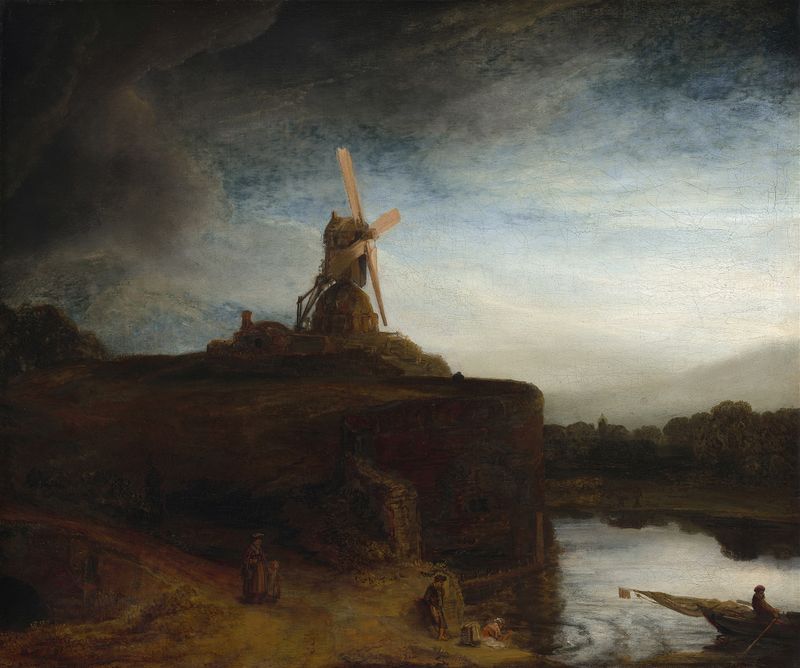
The Mill
Rembrandt van Rijn

The Sampling Officials of the Amsterdam Drapers’ Guild, Known as ‘The Syndics’
Rembrandt van Rijn

The return of the prodigal son
Rembrandt van Rijn
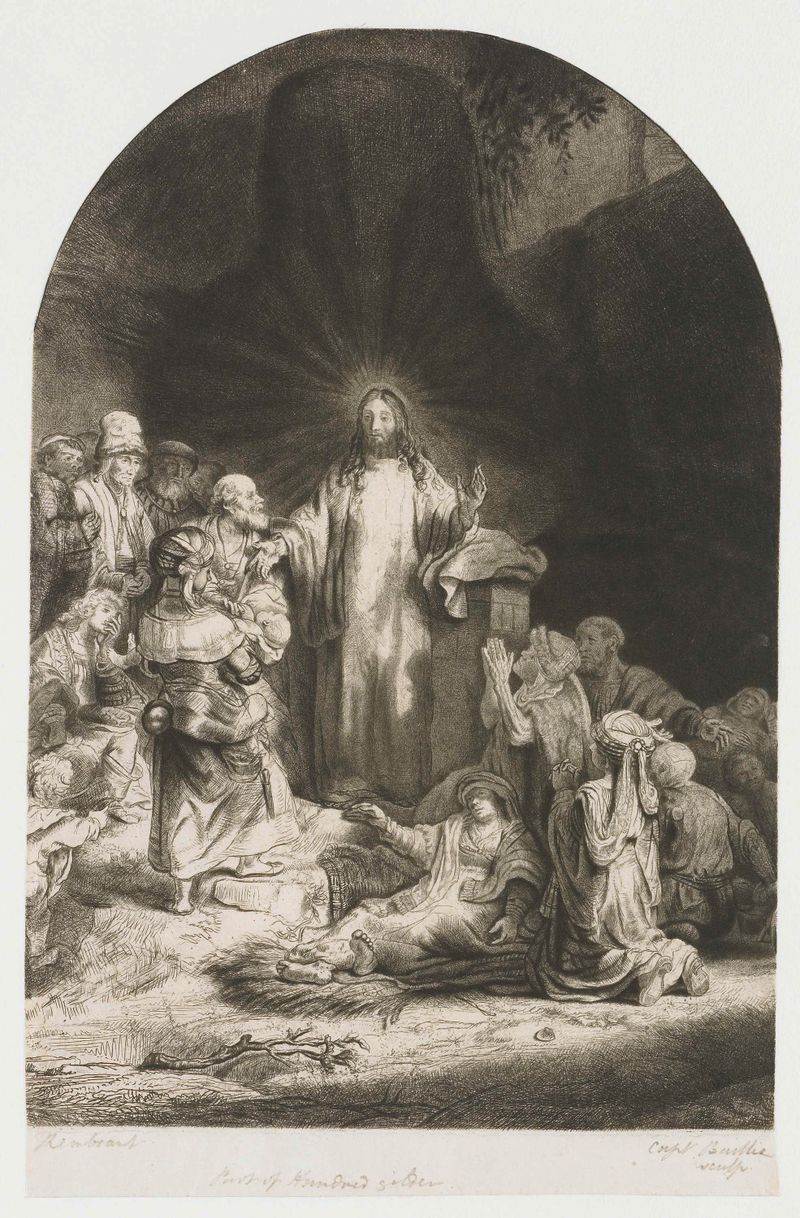
The Hundred Guilder Print: the central piece with Christ preaching, the plate arched
Rembrandt van Rijn

The Hundred Guilder Print: the man seen on the back in the lower left corner
Rembrandt van Rijn
More Religious Art
Browse all →The Return of the Prodigal Son
Rembrandt van Rijn

The Garden of Earthly Delights
El Bosco

Count Orgaz’ funeral
El Greco
The Hundred Guilder Print: the central piece with Christ preaching, the plate arched
Rembrandt van Rijn

The Descent from the Cross
Rogier van der Weyden
The return of the prodigal son
Rembrandt van Rijn