
The removal of the Sculptures from the Pediments of the Parthenon by Elgin — History & Facts
Our memories, like shadows, stretch and shift beneath the weight of history, whispering tales of beauty lost to the passage of time. Look closely at the intricate details of this work, where the fragmented sculptures of the Parthenon hold a melancholic allure. Notice how the soft curves of the marble contrast with the jagged edges of their removal, evoking a sense of reverence for what once was. The muted palette of warm earth tones and cool grays draws the eye to the figures, their poses caught in a moment of both grace and desolation, suggesting a dialogue between art and its erasure. Within this scene lies tension between reverence and loss, as the viewer grapples with the weight of cultural heritage and its preservation.
Each chipped surface tells a story of labor, of hands that once sculpted and crafted, now rendered silent. The juxtaposition of the majestic Parthenon against the stark reality of its disassembly serves as a poignant reminder of the fragility of beauty and the relentless march of time. Created amidst the backdrop of the early 19th century, this work reflects Sir William Gell’s engagement with classical antiquity during a period of fervent exploration and colonialism. While living in Greece, he witnessed the removal of these iconic sculptures by Lord Elgin, a moment that sparked debates around ownership and preservation that resonate to this day.
Gell’s artwork emerges as both a documentation of that historical significance and a tribute to the enduring power of memory.
More Historical Art
Browse all →
The Night Watch Militia Company of District II under the Command of Captain Frans Banninck Cocq
Rembrandt van Rijn
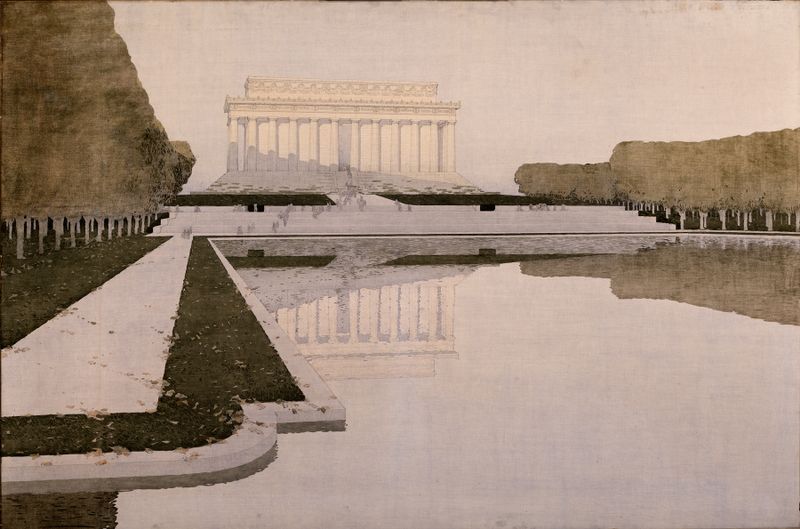
Lincoln Memorial
Henry Bacon
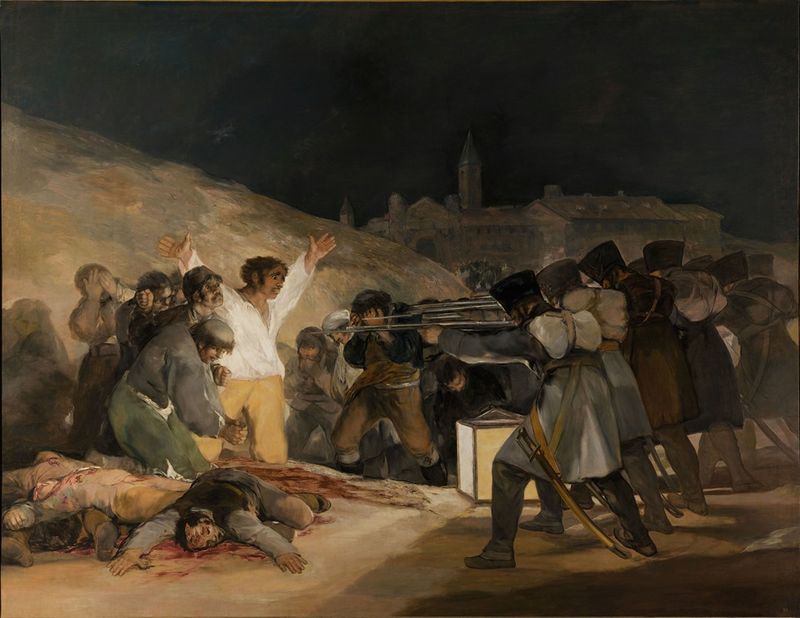
The Third of May 1808
Francisco de Goya

Isaac and Rebecca, Known as ‘The Jewish Bride’
Rembrandt van Rijn
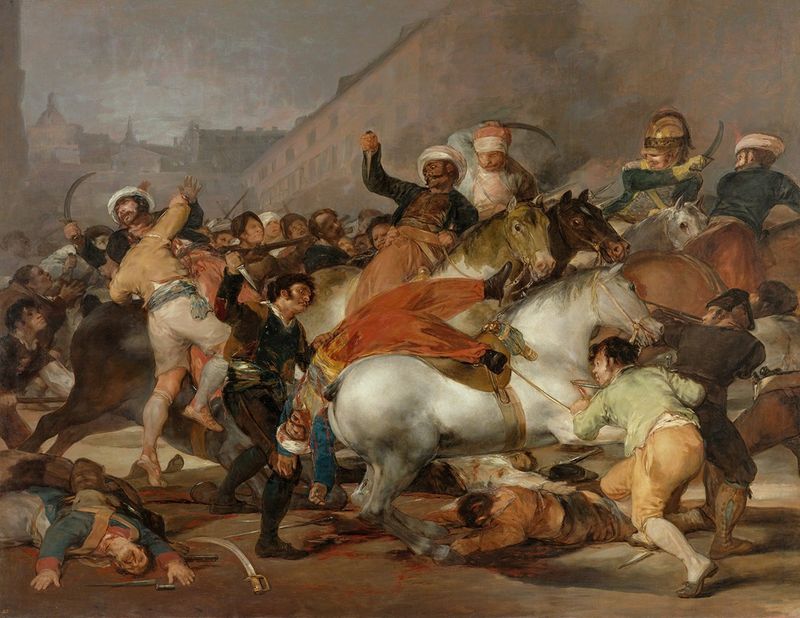
The Charge of the Mamelukes (1814)
Francisco de Goya

De vier ruiters van de apocalyps
Albrecht Dürer