
The rest on the flight into Egypt: a night piece — History & Facts
Can paint confess what words never could? In The rest on the flight into Egypt: a night piece, we find ourselves enveloped in a world of profound beauty that transcends mere description, revealing the quiet depths of human experience. Focus on the gentle light that bathes the figures, casting a warm glow across the scene. Look closely at the tender embrace of Mary as she cradles the infant Jesus, her face illuminated with a soft, maternal radiance. The darkness surrounding them amplifies this warmth, creating a sanctuary from the world outside.
Notice the careful brushstrokes that define the textures of their garments, draping fluidly, while the shadows seem to breathe life into the composition. Within this serene moment lies a profound contrast between vulnerability and divine protection. The painting captures an ephemeral fragility—both the fragile innocence of the child and the weight of their journey. The presence of the donkey, patiently resting, symbolizes the burdens borne in faith and sacrifice.
Each element in the composition speaks to the harmony between earthly struggles and the transcendent light of hope, inviting viewers to contemplate the interplay of beauty in hardship. Created around 1644, this piece emerged during a period when Rembrandt was deeply engaged with themes of spirituality and human emotion. Living in Amsterdam, he was navigating personal challenges, including financial difficulties and the losses of loved ones. This tumultuous backdrop informed his artistic vision, allowing him to distill complex narratives into moments of stillness and grace, forever captured on canvas.
More Artworks by Rembrandt van Rijn
Browse all →
The Night Watch Militia Company of District II under the Command of Captain Frans Banninck Cocq
Rembrandt van Rijn

The Return of the Prodigal Son
Rembrandt van Rijn

The Hundred Guilder Print: the figures leaning on the wall in the centre left
Rembrandt van Rijn

The Hundred Guilder Print: the central piece with Christ preaching, the plate arched
Rembrandt van Rijn

Isaac and Rebecca, Known as ‘The Jewish Bride’
Rembrandt van Rijn
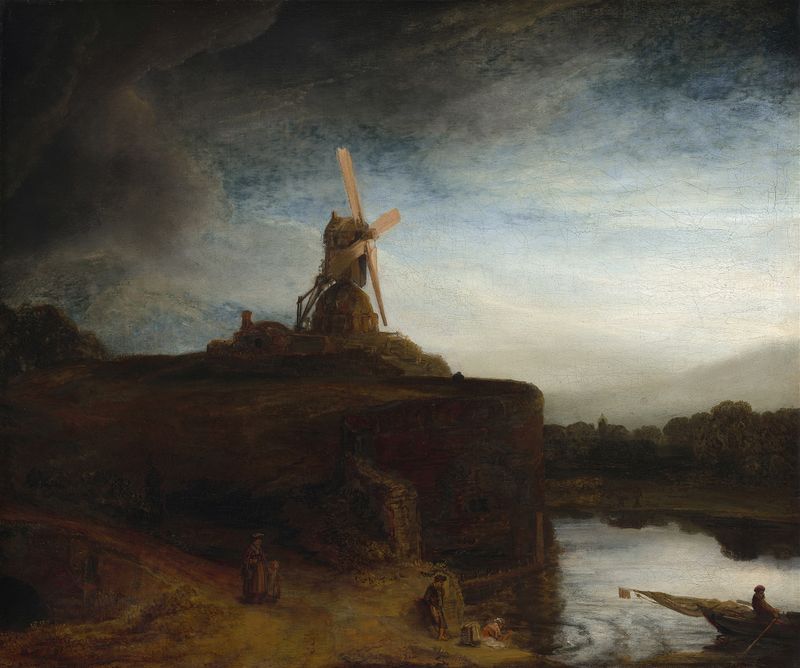
The Mill
Rembrandt van Rijn

The Sampling Officials of the Amsterdam Drapers’ Guild, Known as ‘The Syndics’
Rembrandt van Rijn

The return of the prodigal son
Rembrandt van Rijn
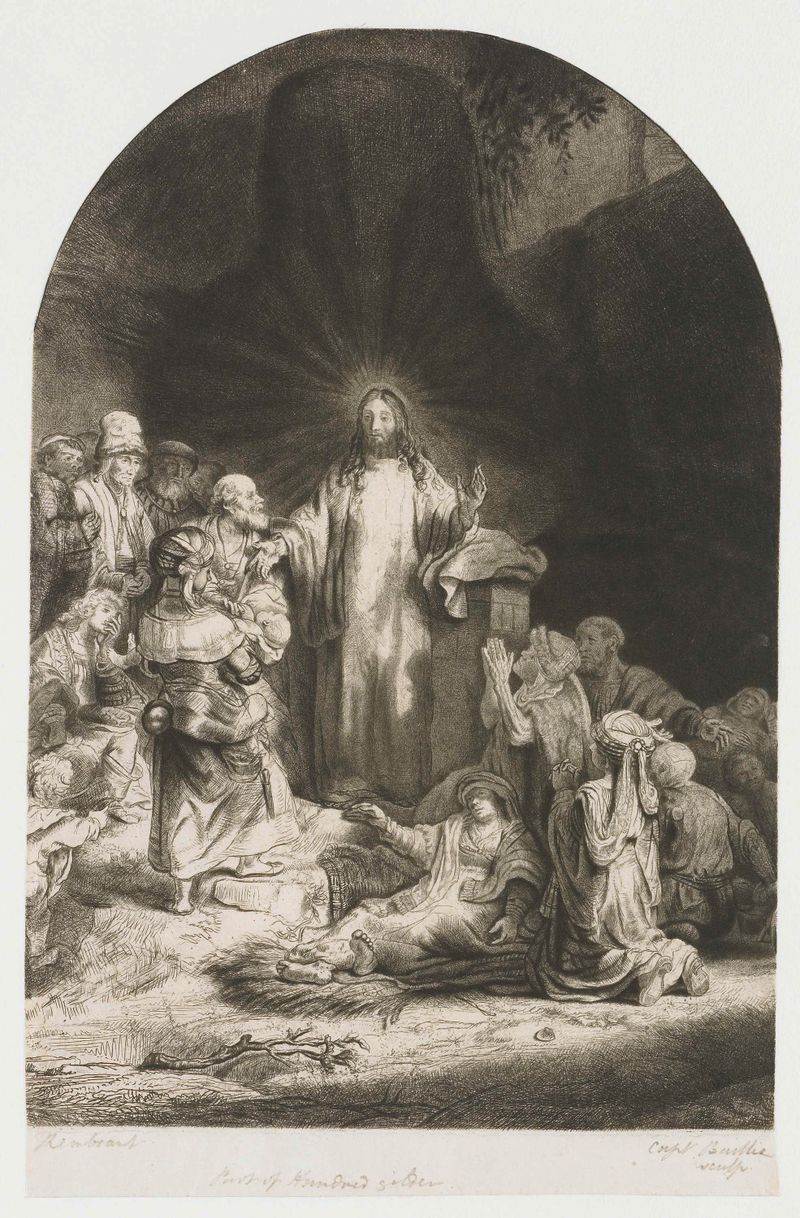
The Hundred Guilder Print: the central piece with Christ preaching, the plate arched
Rembrandt van Rijn

The Hundred Guilder Print: the man seen on the back in the lower left corner
Rembrandt van Rijn
More Religious Art
Browse all →The Return of the Prodigal Son
Rembrandt van Rijn

The Garden of Earthly Delights
El Bosco

Count Orgaz’ funeral
El Greco
The Hundred Guilder Print: the central piece with Christ preaching, the plate arched
Rembrandt van Rijn

The Descent from the Cross
Rogier van der Weyden
The return of the prodigal son
Rembrandt van Rijn