The Return of the Fishing Boat — History & Facts
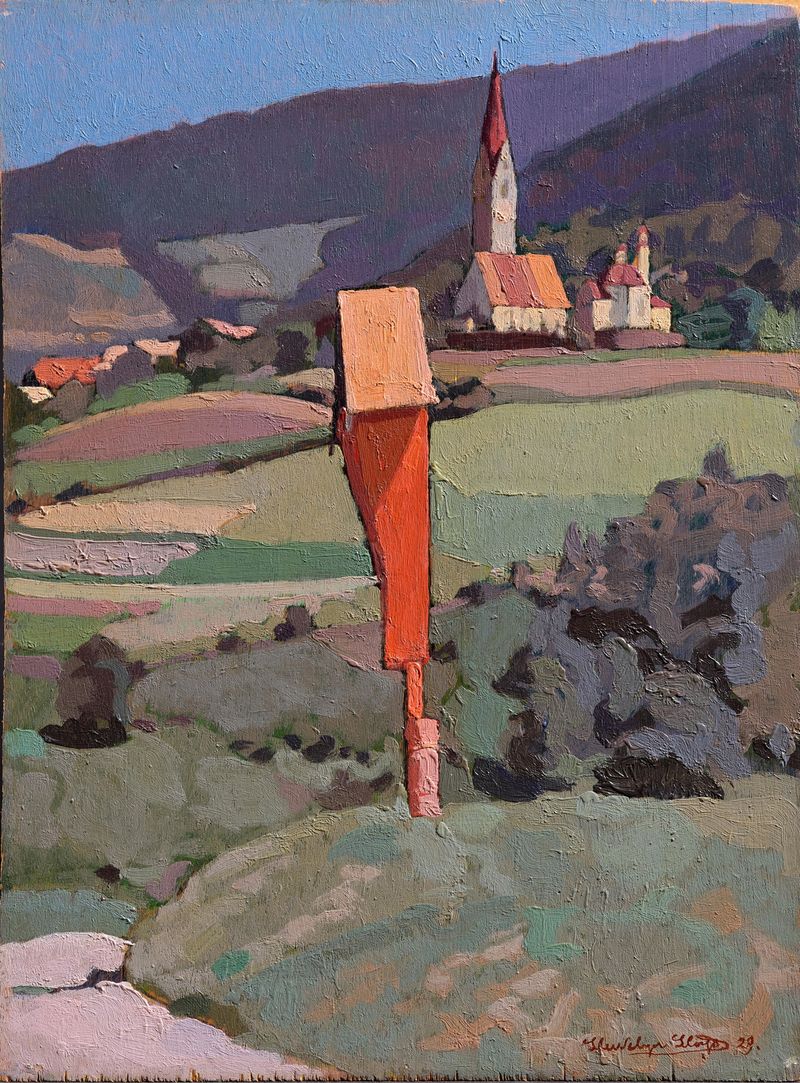
In the soft glow of twilight, an unquenchable yearning washes over the canvas, inviting the viewer into a world suspended between anticipation and nostalgia. Look to the left at the small fishing boat, its weathered hull kissed by the gentle waves. The warm hues of orange and gold blend seamlessly with the cool blues of the surrounding sea, creating a harmonious dialogue between land and water. Notice the delicate play of light as it dances across the surface, reflecting the fading sun, while the distant shoreline looms in an embrace of shadow.
Each detail, from the billowing sails to the distant gulls, speaks to a moment of tranquil reflection, drawing the eye deeper into the scene. Amidst this serene setting, an undercurrent of longing is palpable. The boat, returning from a day's toil, carries with it the echo of untold stories and unfulfilled dreams, each ripple symbolizing the passage of time. The juxtaposition of the tranquil horizon against the active movement of the water embodies a deeper quest for belonging, as the fishermen, though absent, linger in the heart of the piece.
The silhouettes along the shore remind us that every departure is followed by a return, laden with the weight of experience and hope. Painted in 1907, the artist captured this moment during a time of personal reflection, grappling with the evolving art scene characterized by Impressionism and the nascent Modernism. Working in a small studio in England, he sought to convey not just the physical beauty of the seascape, but also the emotional essence of those who navigated its waters, laying a foundation for a rich dialogue about memory, time, and the human experience.