The Return Of The Fishing Fleet — History & Facts
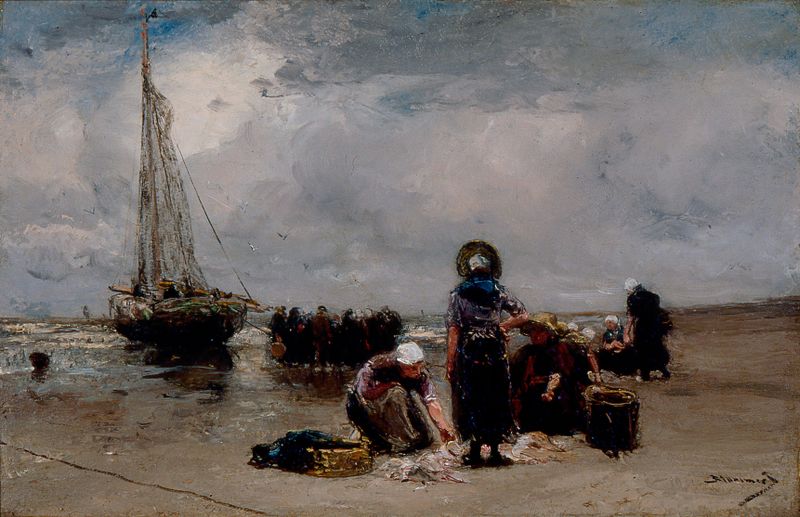
In the stillness of a coastal twilight, a yearning for connection lingers in the air. Here, desire weaves itself through the fabric of seemingly idle moments, where absence speaks louder than presence. Focus first on the sweeping expanse of the sea, where soft waves lazily embrace the shoreline. The palette of muted blues and warm golden tones captures the fading day, inviting the eye to dance between the horizon and the silhouettes of distant boats.
Notice how the light gently caresses the edges of the vessels, hinting at the lives and stories they carry home. Each brushstroke seems to echo the unspoken hopes of those waiting ashore, blending together the tangible and the emotional. As you delve deeper, consider the contrasts woven into the scene—the calmness of the water against the restless hearts of those longing for the fishing fleet's return. The play of light emphasizes the tension between the known and the unknown; those who wait are enveloped in a quiet anticipation, mingling sorrow with hope.
Each figure stands in solitude, yet together they form a powerful collective spirit, encapsulating the universal ache of desire for connection and belonging. Bernardus Johannes Blommers painted this evocative piece during a pivotal time in his career, likely in the late 19th century. Living in the Netherlands, he experienced a period where Dutch realism flourished, celebrating the intimate aspects of everyday life. This painting reflects not only his artistic evolution but also the cultural shifts of a society finding solace in its maritime heritage, as fishing fleets became symbols of sustenance and community resilience.