Discover insights about this artwork
The rhinoceros — History & Facts
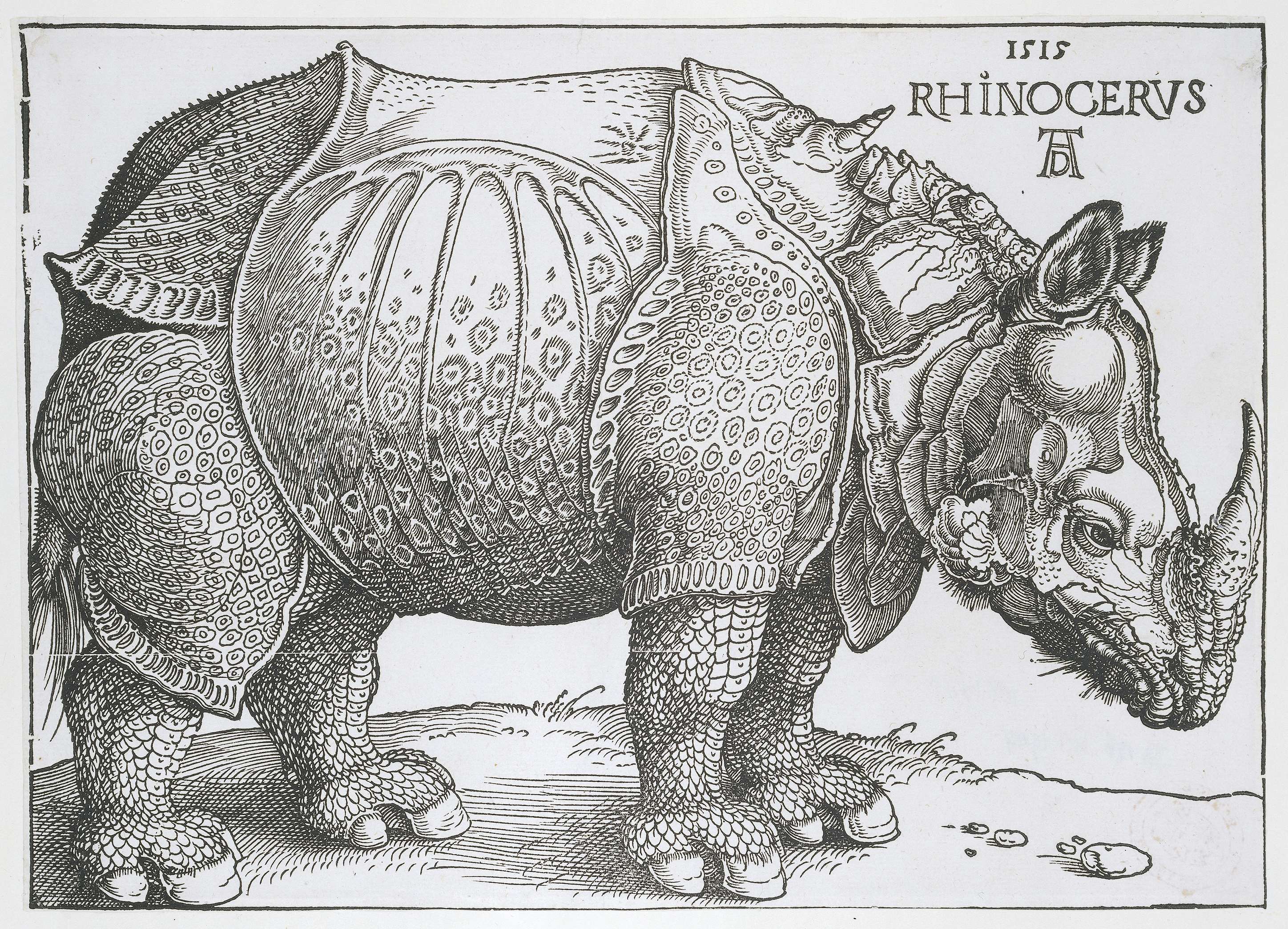
In The Rhinoceros, Albrecht Dürer presents a striking representation of the animal. The print features a textured skin, showcasing the unique armor-like plates of the rhinoceros. Dürer uses a monochromatic palette, primarily in shades of black and white, which emphasizes the intricate details.
The background is minimal, focusing the viewer's attention on the rhinoceros itself. This artwork is a woodblock print, a technique that allows for fine detail and texture. Dürer’s skillful use of line work creates a sense of depth and realism in the depiction of the rhinoceros. The print measures approximately 30 x 40 cm, making it a modest yet impactful piece.
The precision in the details reflects Dürer's meticulous approach to his craft. Albrecht Dürer created The Rhinoceros in 1515, inspired by a written description and a sketch from a Portuguese explorer. This work is significant as it was one of the first European representations of the rhinoceros, which was largely unknown to the continent at the time. Dürer’s print became widely circulated and contributed to the fascination with exotic animals in Europe.
Interestingly, the rhinoceros depicted is not anatomically accurate, highlighting the limitations of knowledge during the Renaissance.
More Artworks by Albrecht Dürer
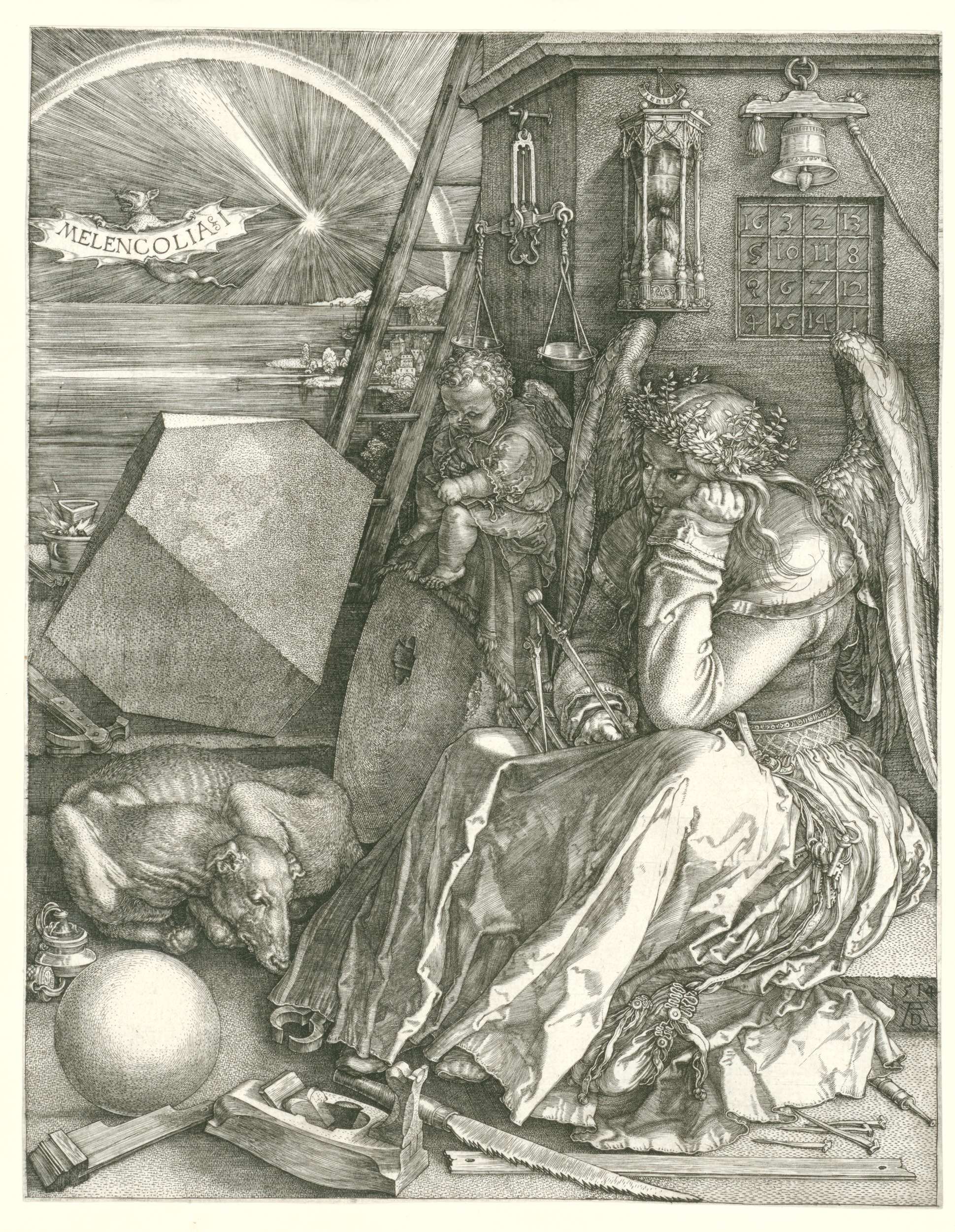
Melancholia
Albrecht Dürer

St. George and the dragon.
Albrecht Dürer

Adam and Eve (The Fall of Man)
Albrecht Dürer
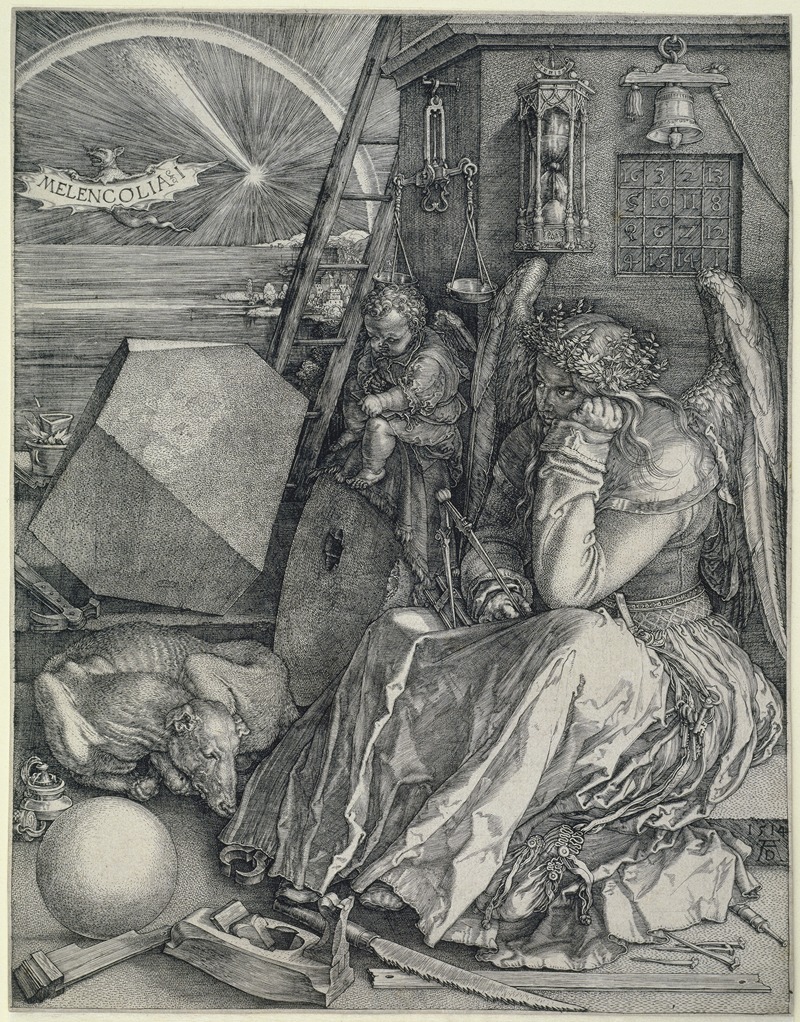
Melencolia I (The Melancholy)
Albrecht Dürer
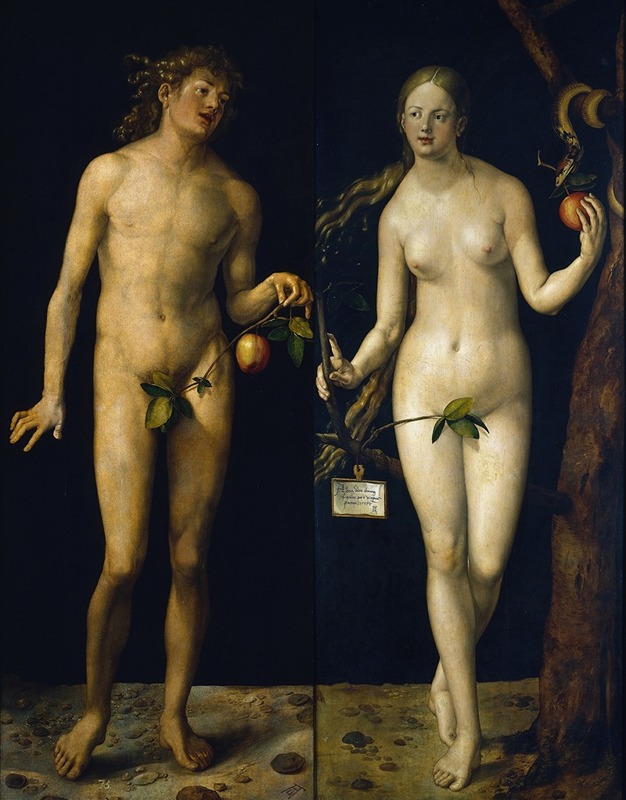
Adam And Eve
Albrecht Dürer
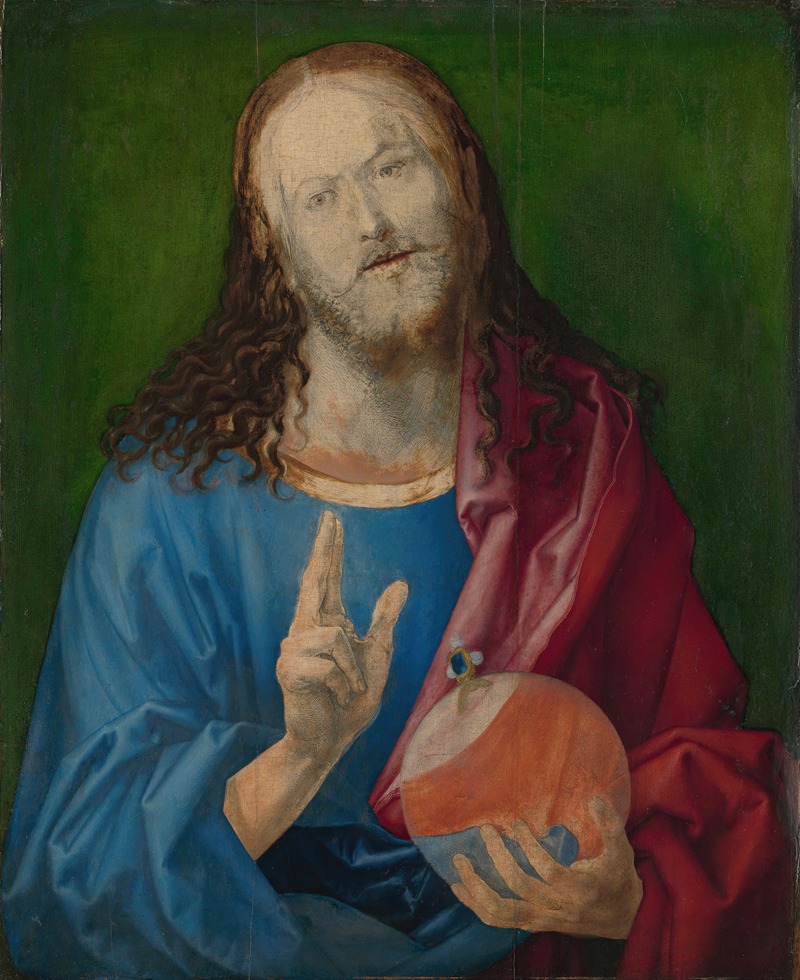
Salvator Mundi
Albrecht Dürer
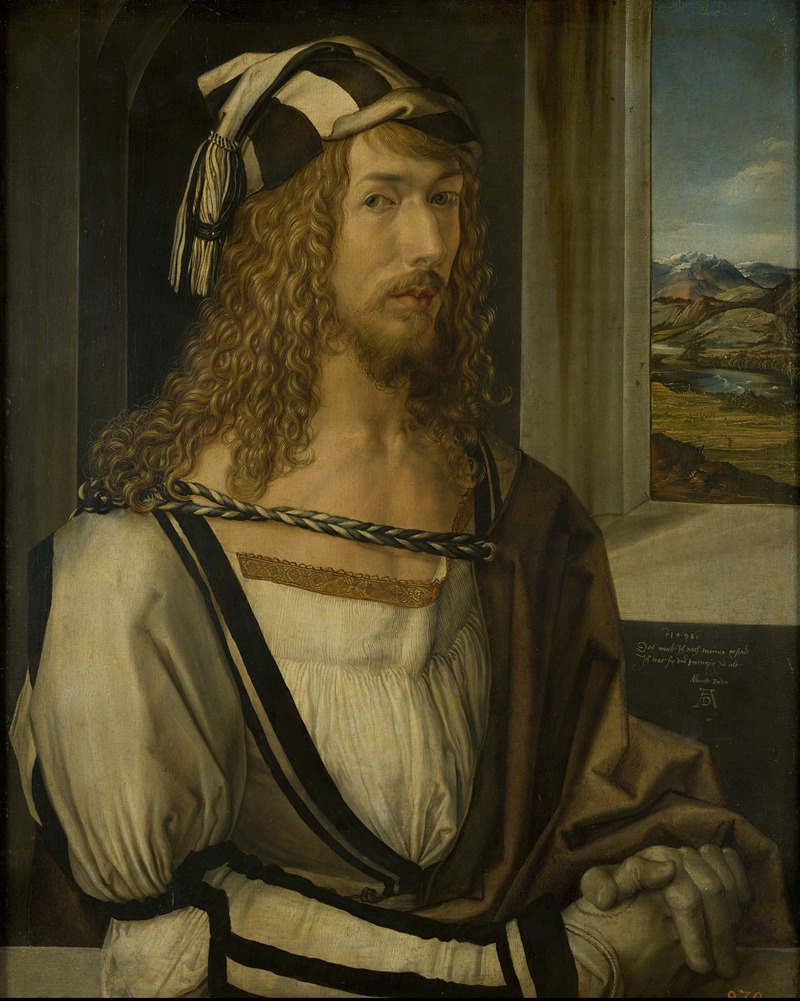
Self-portrait
Albrecht Dürer
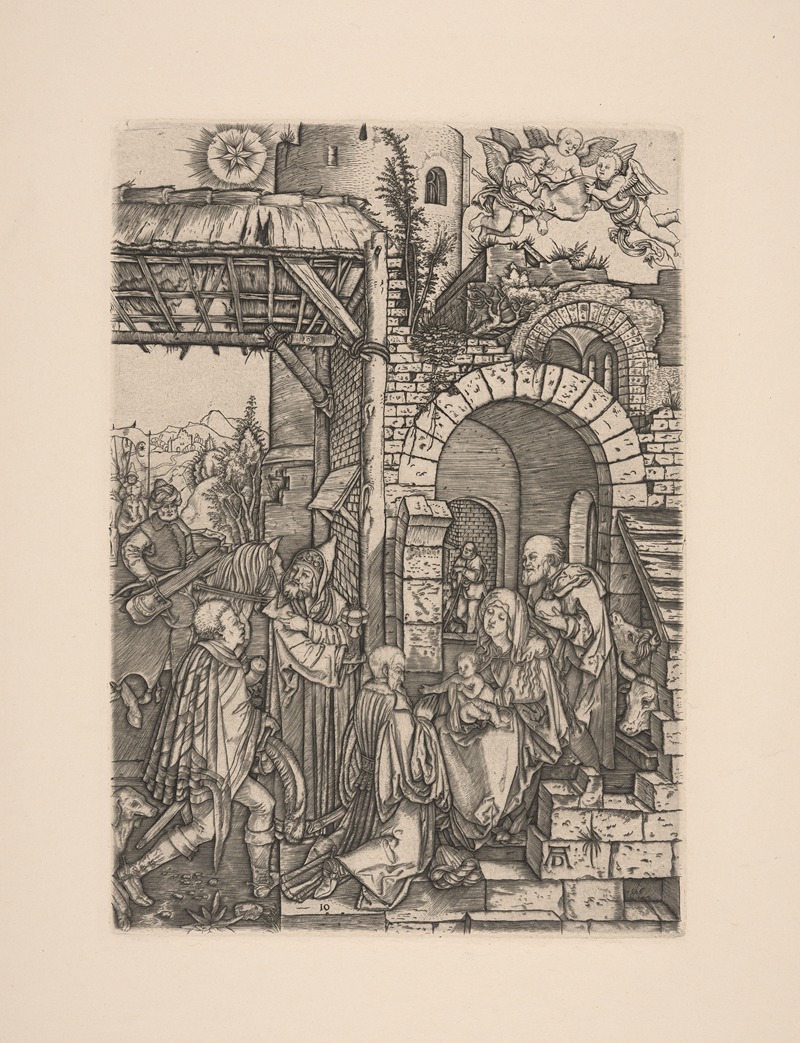
The Adoration of the Magi
Albrecht Dürer
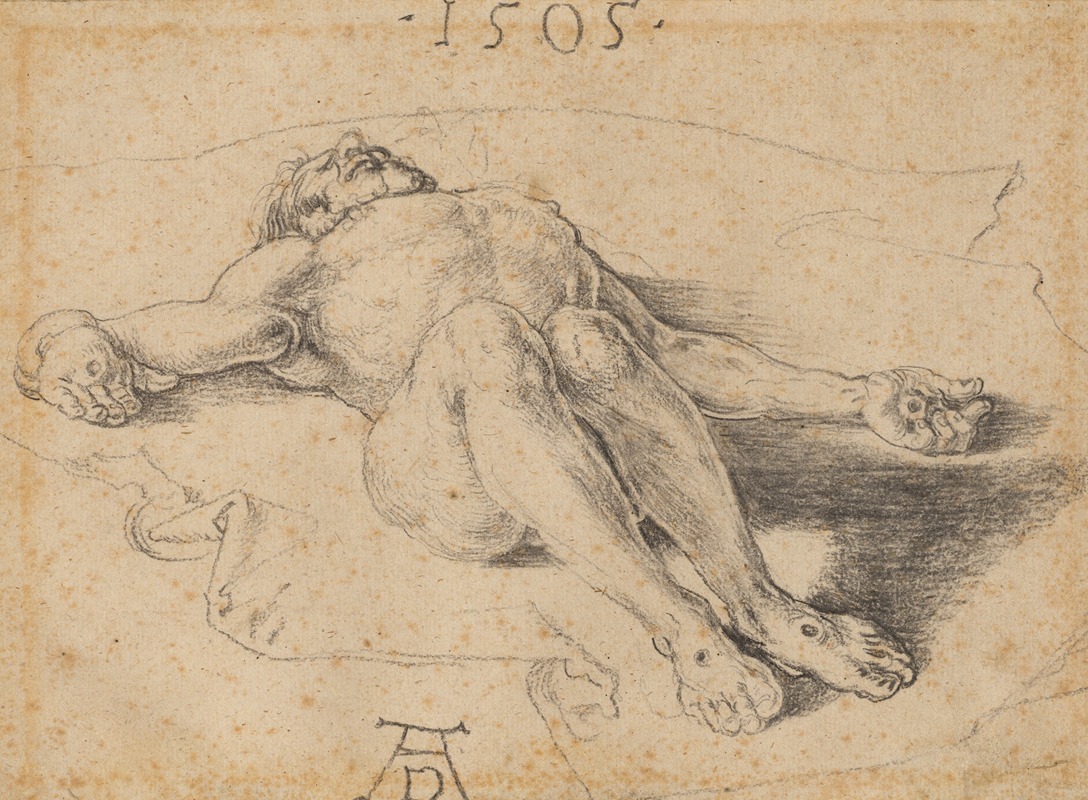
The Dead Christ
Albrecht Dürer
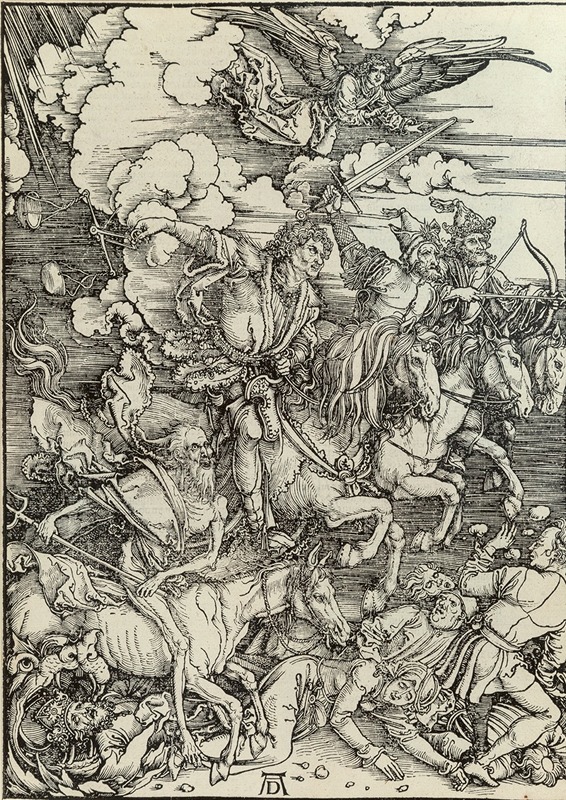
The Four Horsemen of the Apocalypse, from The Apocalypse
Albrecht Dürer