
The Roll of Fate, England — History & Facts
In The Roll of Fate, England, Walter Crane uses a vibrant palette filled with rich blues, greens, and golds. The painting features a central figure, a woman, who appears to be guiding a roll of parchment that symbolizes fate. Surrounding her are various allegorical figures, each representing different aspects of life and destiny.
The setting is lush and dreamlike, enhancing the sense of wonder and intrigue. The painting is executed in oil on canvas, showcasing Crane's skillful use of color and line. The figures are rendered with a blend of realism and stylization, typical of the Victorian era. Viewers can appreciate the intricate details in the clothing and the expressions of the figures, which convey a narrative of fate and choice.
The dimensions are approximately 100 x 150 cm, making it a substantial work that invites close examination. Walter Crane was a prominent figure in the Victorian art scene, known for his illustrations and decorative arts. The Roll of Fate reflects his interest in allegory and symbolism, common themes in his work. An interesting fact about this painting is that it was created during a time when Crane was deeply influenced by the Arts and Crafts movement, which emphasized craftsmanship and artistic integrity.
This work exemplifies his ability to blend narrative with visual beauty.
More Artworks by Walter Crane

Oranges and Lemons
Walter Crane
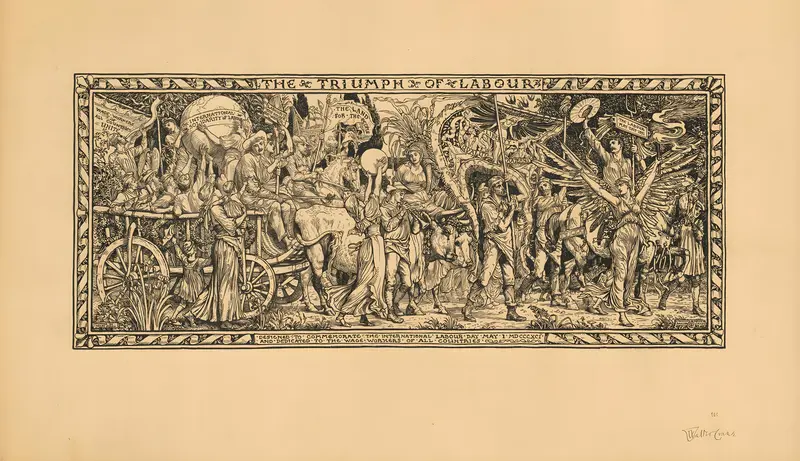
The Triumph of Labour. Designed to commemorate The International Labour Day
Walter Crane
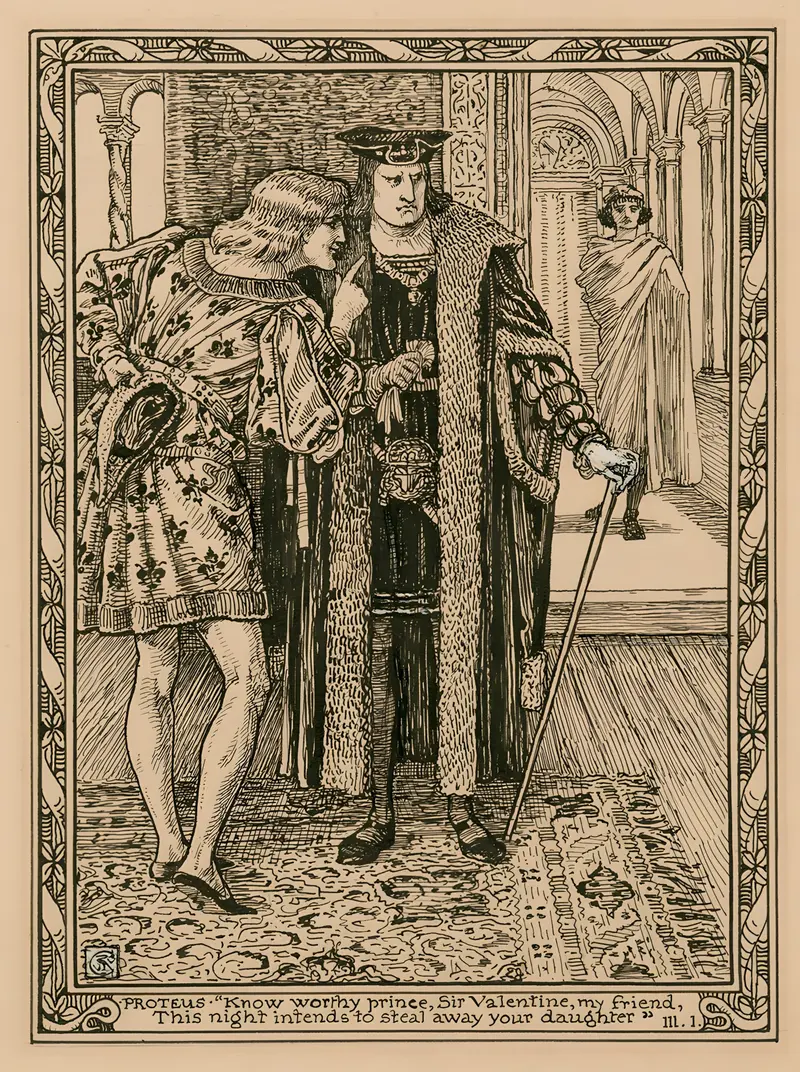
Proteus; ‘Know worthy prince, Sir Valentine, my friend, this night intends to steal away your daughter’, III, 1
Walter Crane
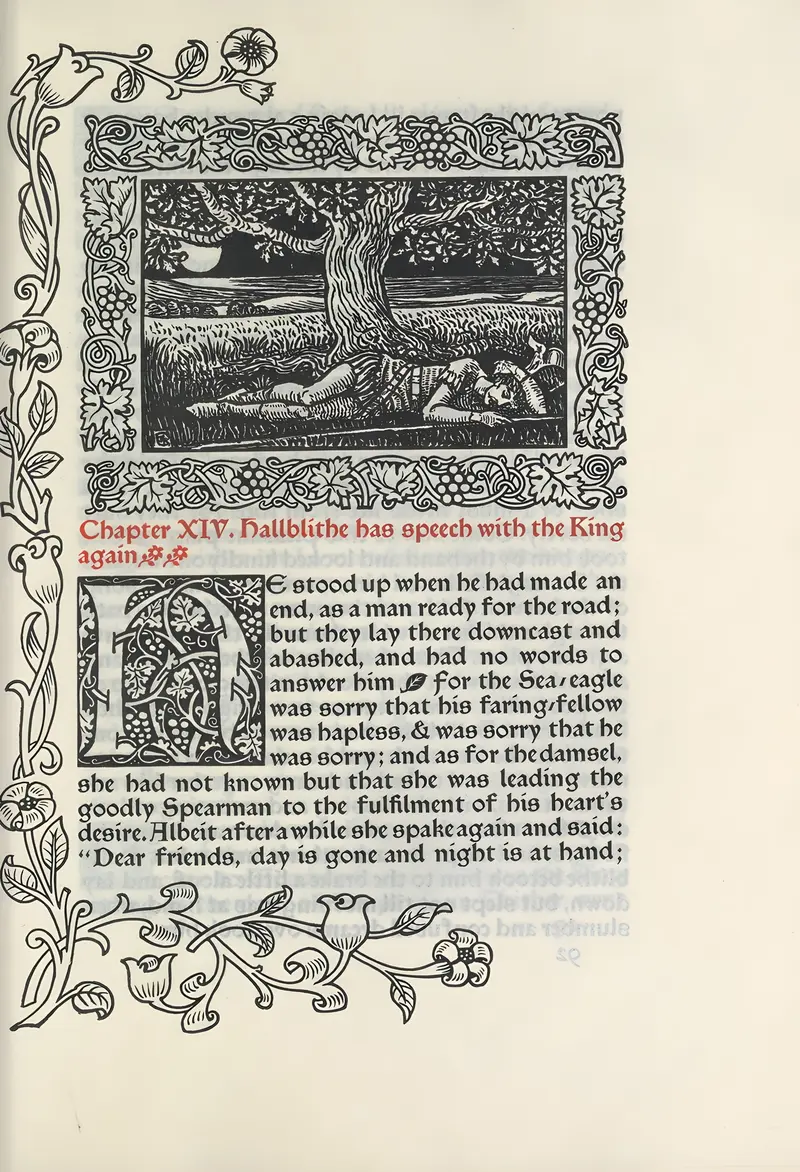
Chapter XIV. Hallblithe has speech with the King again
Walter Crane
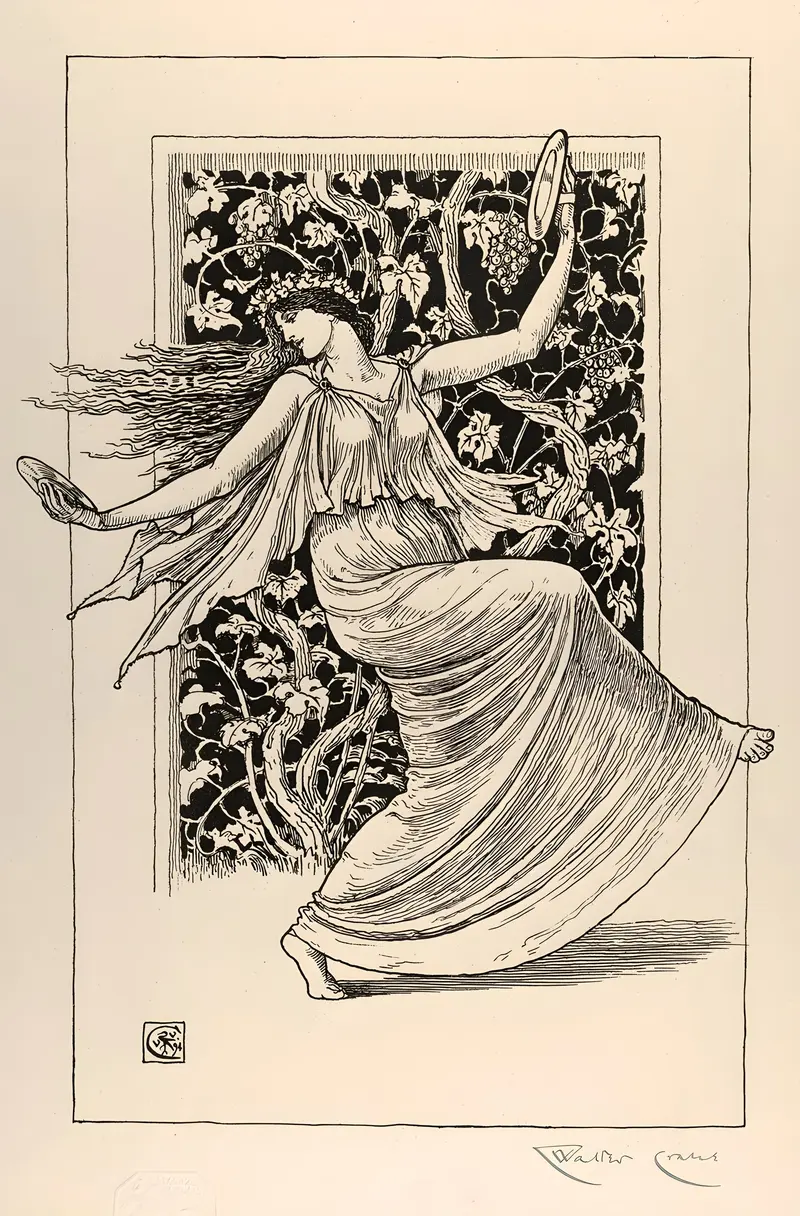
Dancing Nymph
Walter Crane
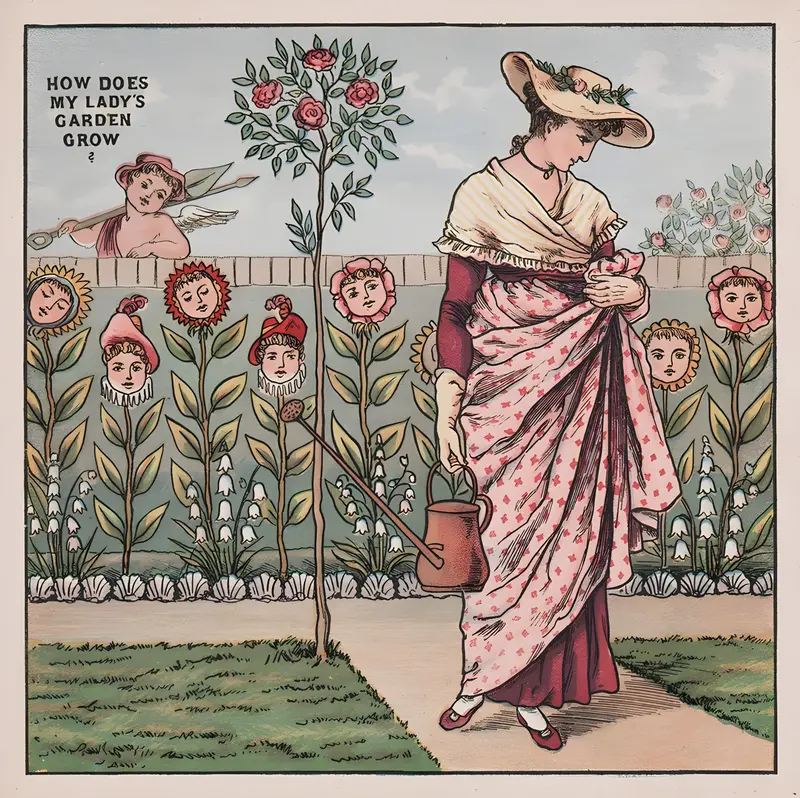
How does my lady’s garden grow
Walter Crane
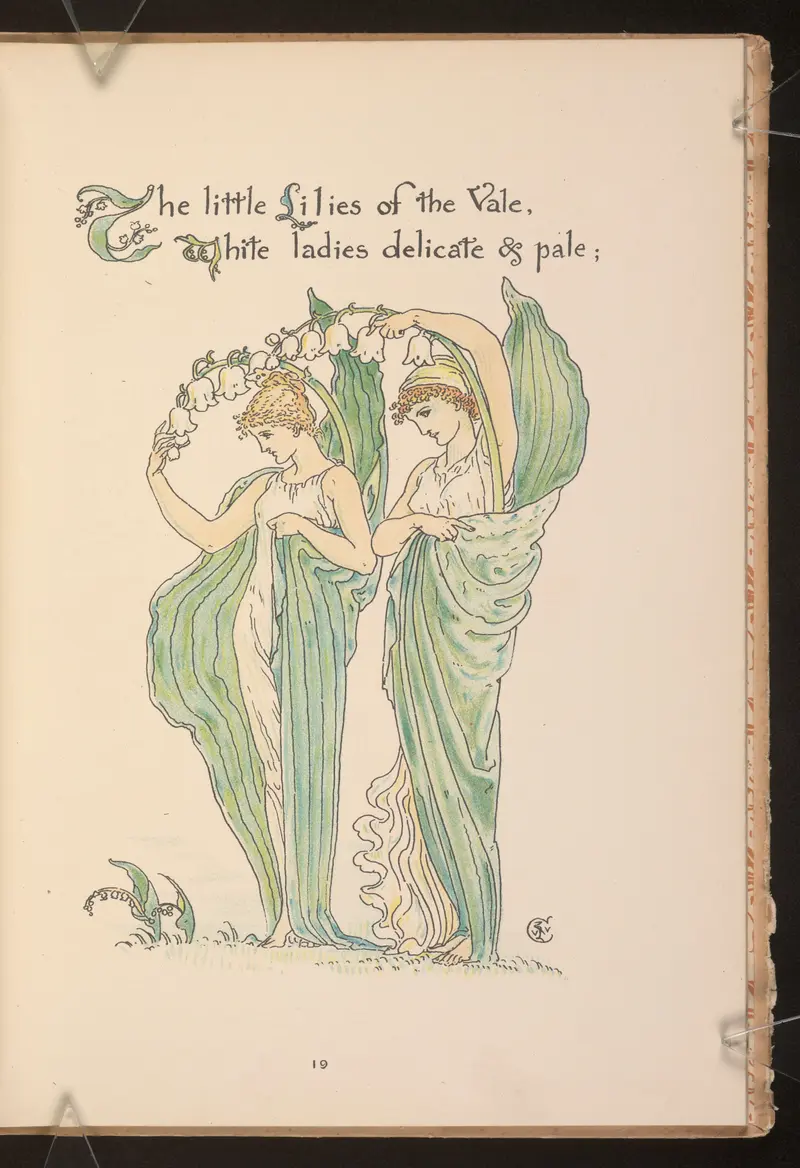
Flora’s feast; A masque of flowers Pl.19
Walter Crane
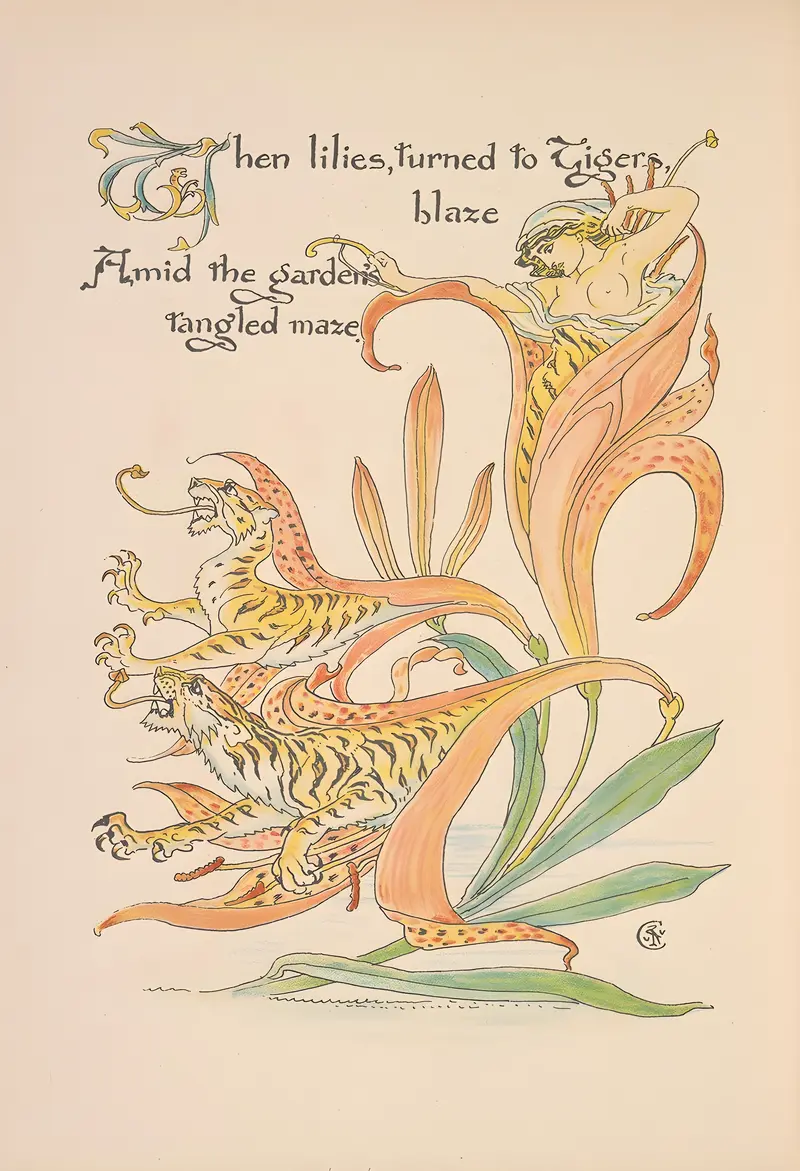
Flora’s feast; A masque of flowers Pl.34
Walter Crane
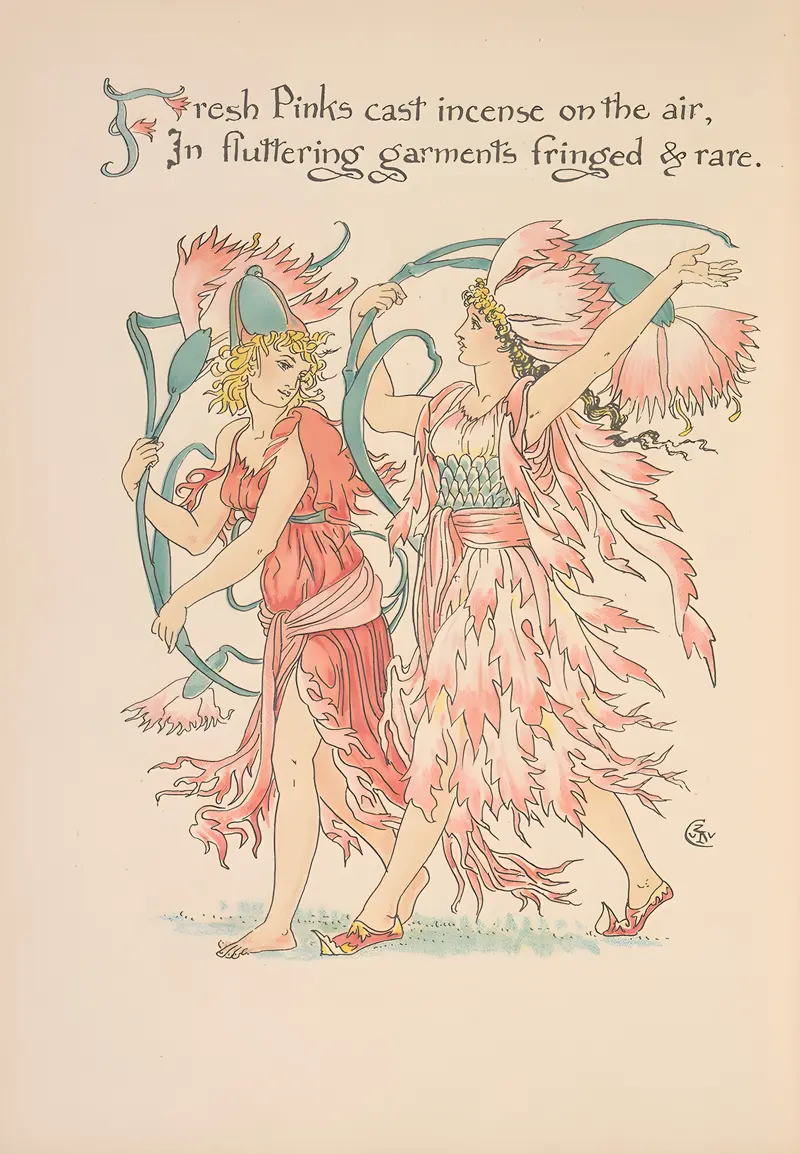
Flora’s feast; A masque of flowers Pl.29
Walter Crane

Mrs Bond
Walter Crane





