
The Seaweed Gatherers — History & Facts
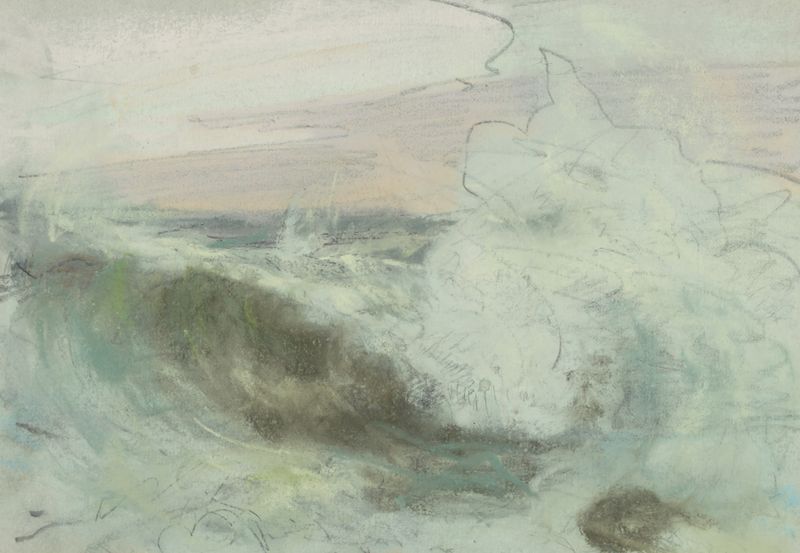
In The Seaweed Gatherers, Howard Russell Butler captures a moment where nature's raw power and human fragility intertwine. The tumultuous sea, teeming with energy, shakes beneath the weight of laborers bravely confronting its depths. Here, violence is not just in the crashing waves but also in the silent struggle of these figures against the relentless tide. Focus first on the figures to the left, their forms bending and straining as they navigate the rocky shore.
Notice how Butler’s brushwork evokes movement; each stroke breathes life into the swirling water around them. The muted palette of greens and browns contrasts sharply with the frothy whites of the sea, emphasizing the harsh environment they endure. Light dances off the waves, illuminating their toil and creating a sense of urgency within the composition that resonates with the viewer. Yet, there’s a deeper narrative woven through the scene.
The seaweed, a symbol of sustenance, underscores the tension between survival and nature's innate violence. Each gatherer, marked by toil, reflects humanity's resilience despite being at the mercy of the ocean's might. Their expressions tell stories of struggle, while the waves crashing behind them hint at the danger that looms ever closer.
This intricate interplay of vulnerability and perseverance invites contemplation on the relationship between mankind and the natural world. In 1886, Butler painted this work during a time when American art was beginning to embrace both realism and impressionism. Living in New Jersey, he sought to capture the essence of daily life, merging personal experience with broader themes of labor and nature. The painting reflects his commitment to portraying the often-overlooked beauty in the mundane and the inherent challenges faced by those who work with the land and sea.
More Artworks by Howard Russell Butler
Browse all →
Clearing after September Gale–Maine Coast
Howard Russell Butler
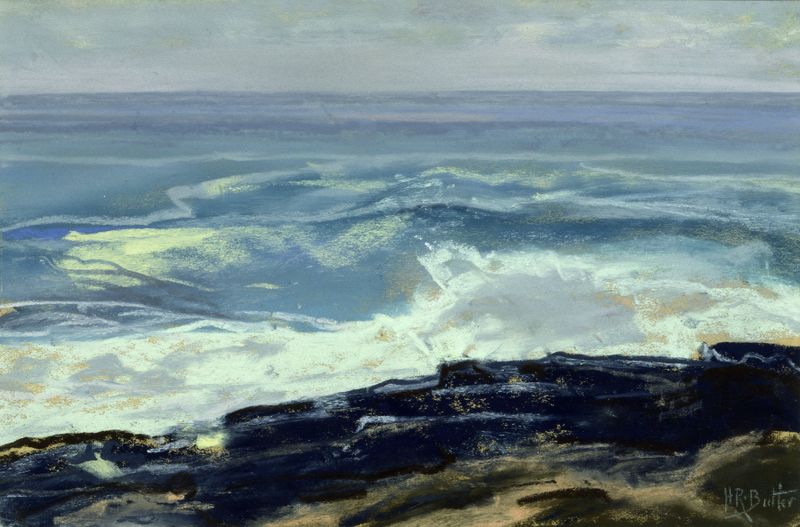
Maine Coast (#31)
Howard Russell Butler
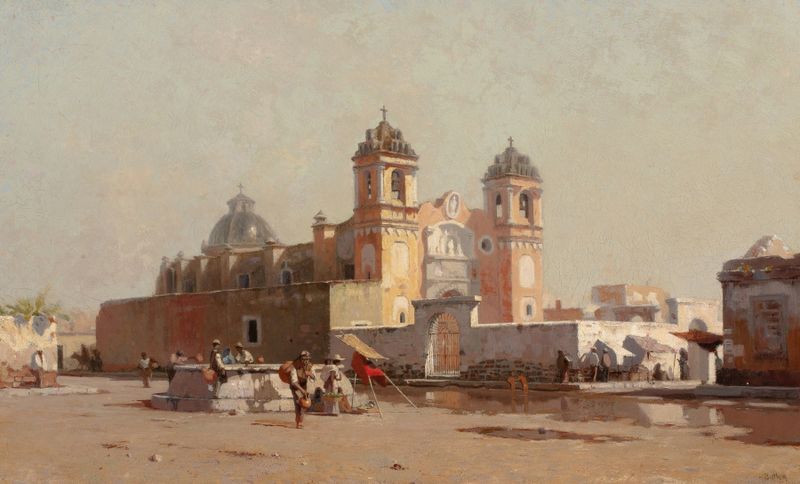
Church of Santa Anna in Mexico
Howard Russell Butler
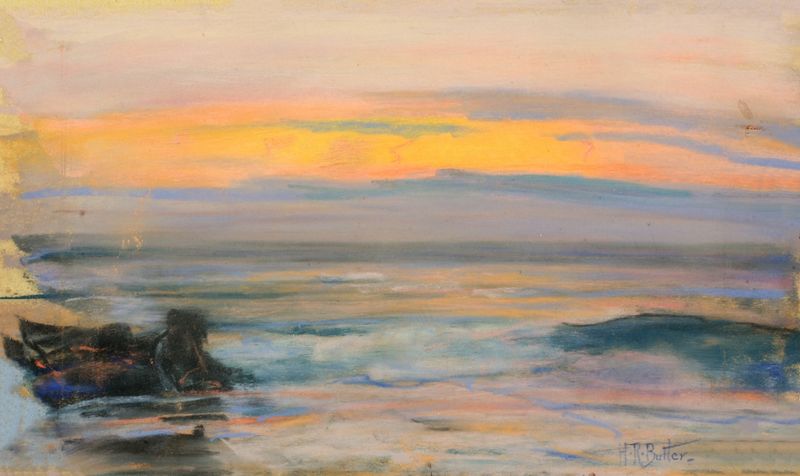
Maine Coast (#34)
Howard Russell Butler

Long Island Coast
Howard Russell Butler

Landscape
Howard Russell Butler
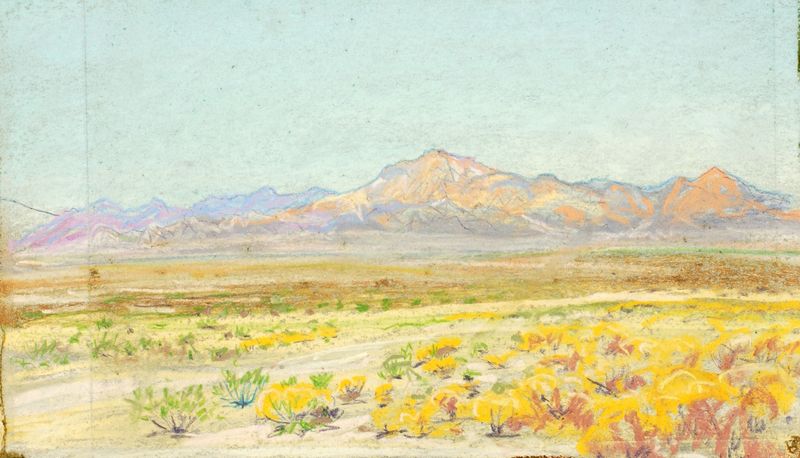
Desert Landscape
Howard Russell Butler

Untitled IV
Howard Russell Butler
Untitled
Howard Russell Butler
St. Augustine
Howard Russell Butler





