
The Seine near St-Cloud — History & Facts
Can beauty exist without sorrow? In the delicate strokes of a brush, The Seine near St-Cloud captures the interplay between tranquility and transience, suggesting a world both serene and fleeting. Focus on the shimmering water that dominates the foreground. The light dances across its surface, creating glimmers that invite you to lean closer. Notice the soft hues of blues and greens blending seamlessly together, while the gentle strokes of white convey the delicate ripples disturbed by the wind.
Just above the waterline, a group of trees stands sentinel, their leaves portrayed with a masterful touch, swaying lightly in the breeze, casting fleeting shadows that evoke a sense of impermanence. Within this idyllic landscape lies the tension of a quiet moment shared with nature. The gentle reflections hint at a deeper understanding of life’s dualities — the joy of a sunlit day juxtaposed with the inevitability of change. The vibrant greens of the foliage suggest growth and promise, yet the distant horizon whispers of the unknown future, where beauty and sorrow intertwine.
This duality, mirrored in the calm waters, speaks of the artist’s longing for transcendence amidst life’s ephemeral nature. Alfred Sisley painted this piece in 1877 while residing in France, amidst an artistic movement focused on capturing the effects of light and atmosphere. At a time when Impressionism was solidifying its foothold in the art world, he sought to convey the ephemeral beauty of the French landscape, reflective of both personal and societal shifts. The painting embodies his dedication to capturing the essence of a moment, revealing the nuances of beauty that often go unnoticed.
More Artworks by Alfred Sisley
Browse all →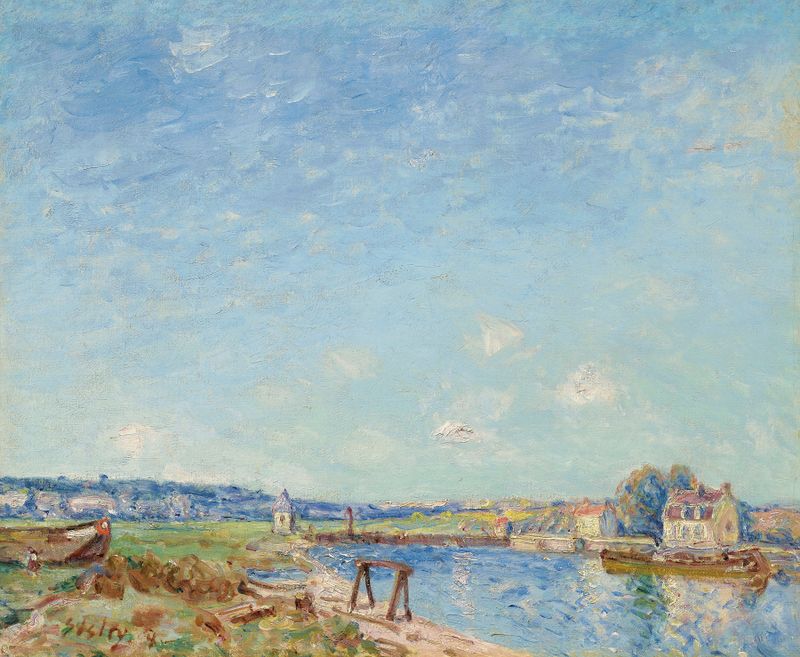
Le Loing à Saint-Mammès
Alfred Sisley
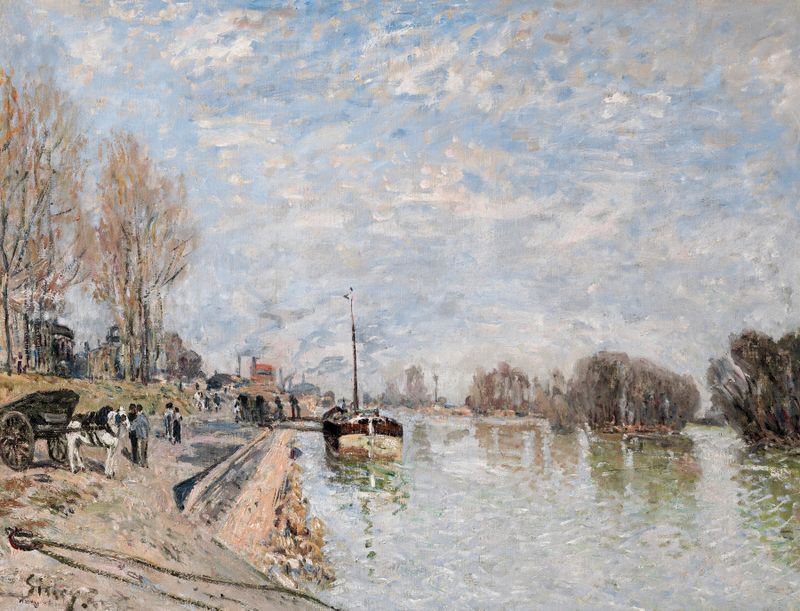
La Seine à Suresnes
Alfred Sisley
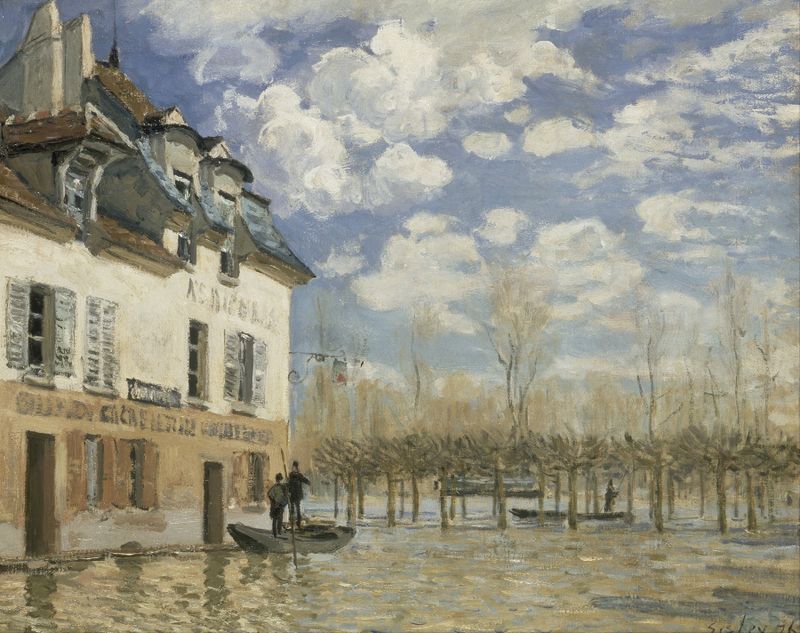
Boat in the Flood at Port Marly
Alfred Sisley
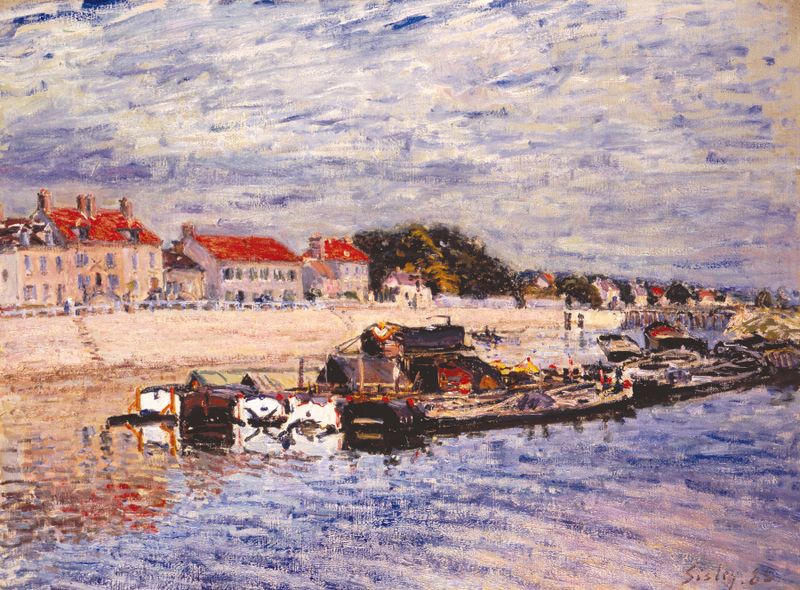
Barges on the Loing at Saint-Mammès
Alfred Sisley

L’allée des peupliers au bord du Loing
Alfred Sisley

Molesey Weir, Hampton Court
Alfred Sisley
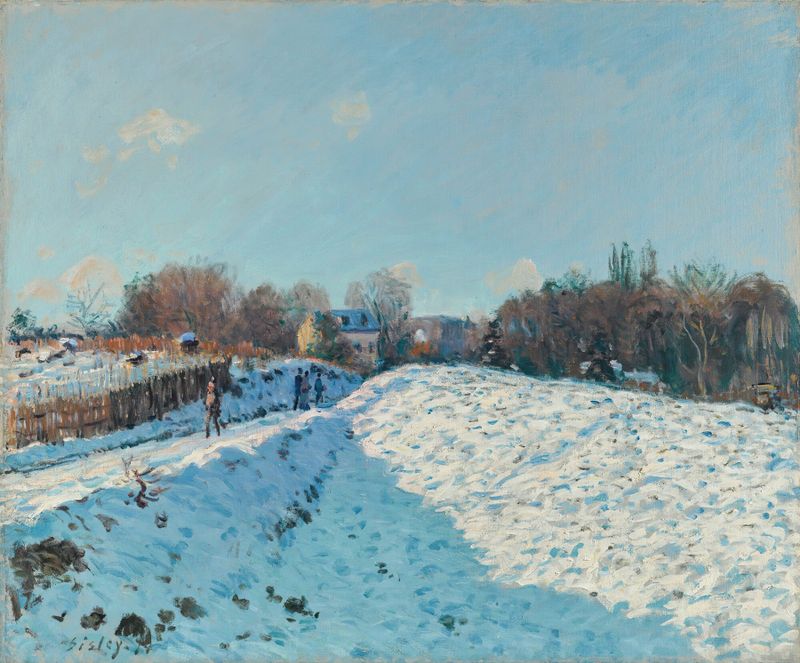
Effet De Neige À Louveciennes
Alfred Sisley
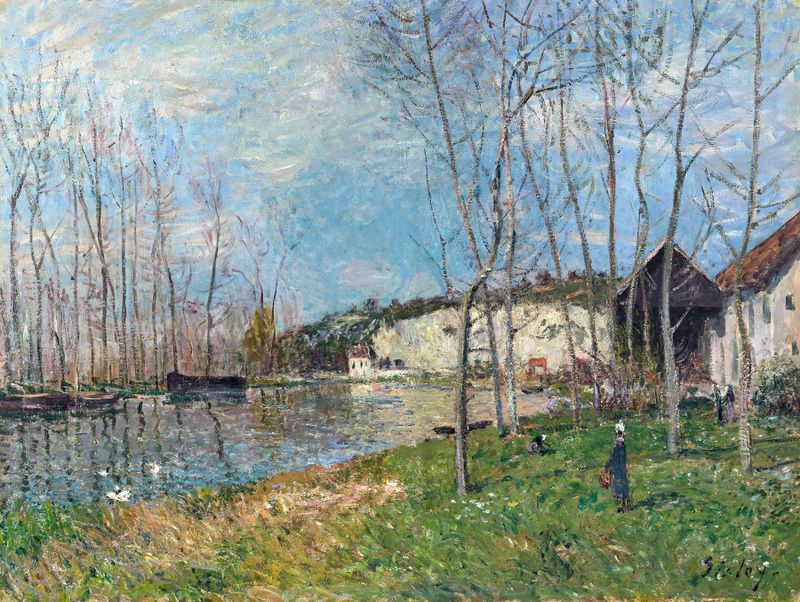
Printemps au bord du Loing
Alfred Sisley
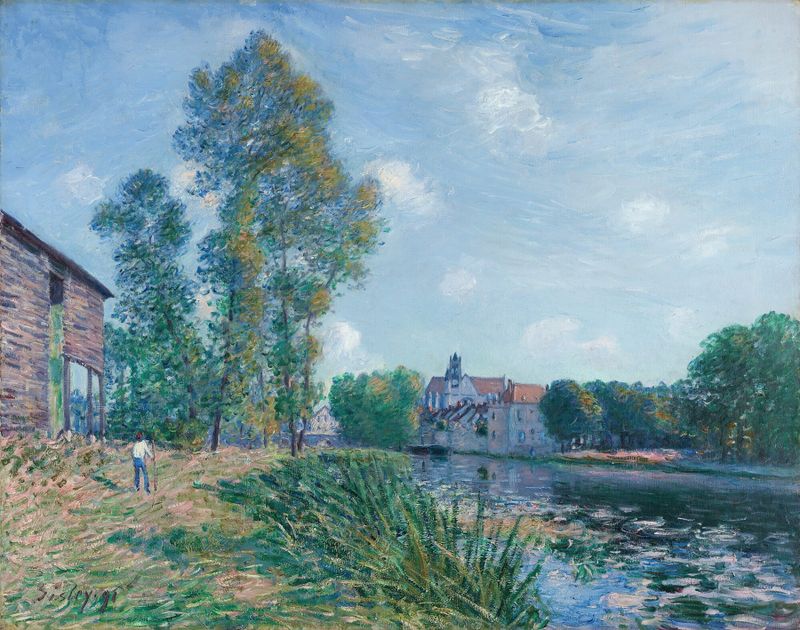
Le Loing À Moret, En Été
Alfred Sisley
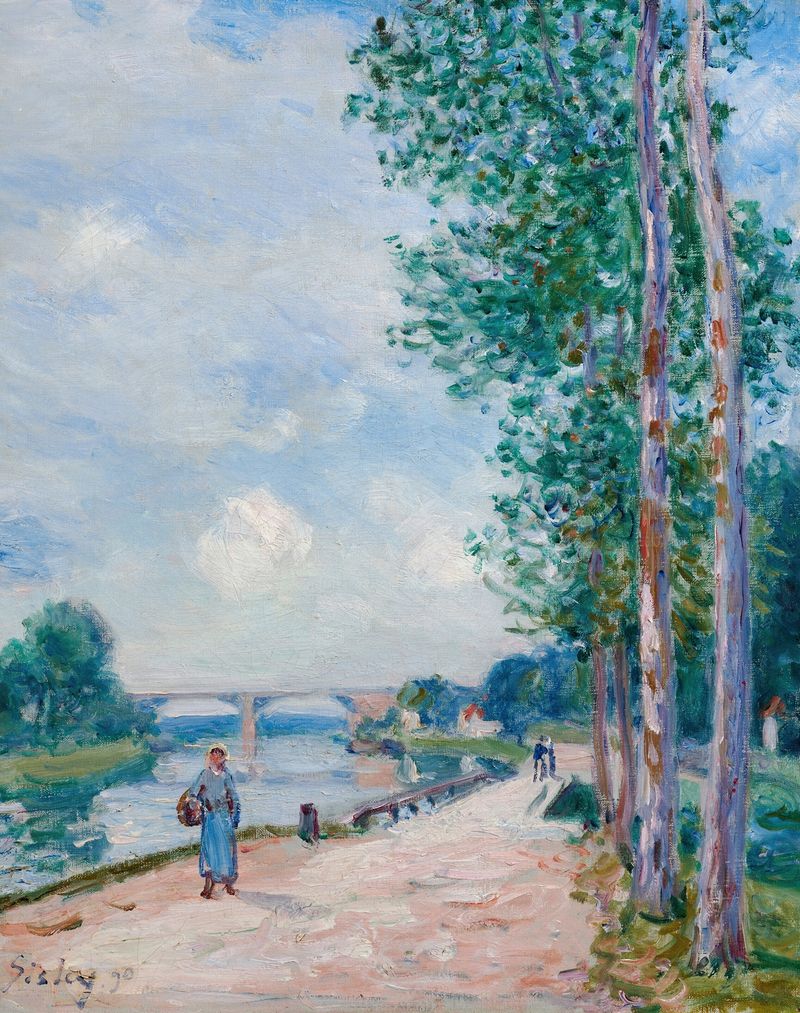
Les bords du Loing près de Moret
Alfred Sisley





