Discover insights about this artwork
The Sheep-Shearer (After Millet) — History & Facts
In The Sheep-Shearer (After Millet), Vincent van Gogh presents a vibrant rural scene filled with earthy colors. The painting features a central figure, a sheep shearer, intently focused on his task. Surrounding him are sheep, their woolly bodies contrasting with the warm tones of the landscape.
The background showcases a pastoral setting, evoking a sense of rural life and labor. This artwork is created using oil on canvas, a medium that allows for rich texture and color depth. Van Gogh employs bold brushstrokes, typical of his Post-Impressionist style, to convey movement and emotion. The composition is dynamic, drawing the viewer's eye to the shearer and the sheep.
The use of light and shadow adds dimension to the figures and the surrounding environment. Vincent van Gogh painted The Sheep-Shearer in 1889, inspired by Jean-François Millet's earlier work on the same subject. This piece reflects Van Gogh's admiration for rural labor and the dignity of working-class life. Interestingly, this painting was not widely recognized during his lifetime but has since become an important part of his oeuvre.
It exemplifies his unique approach to color and form, marking a significant moment in his artistic journey.
More Artworks by Vincent van Gogh
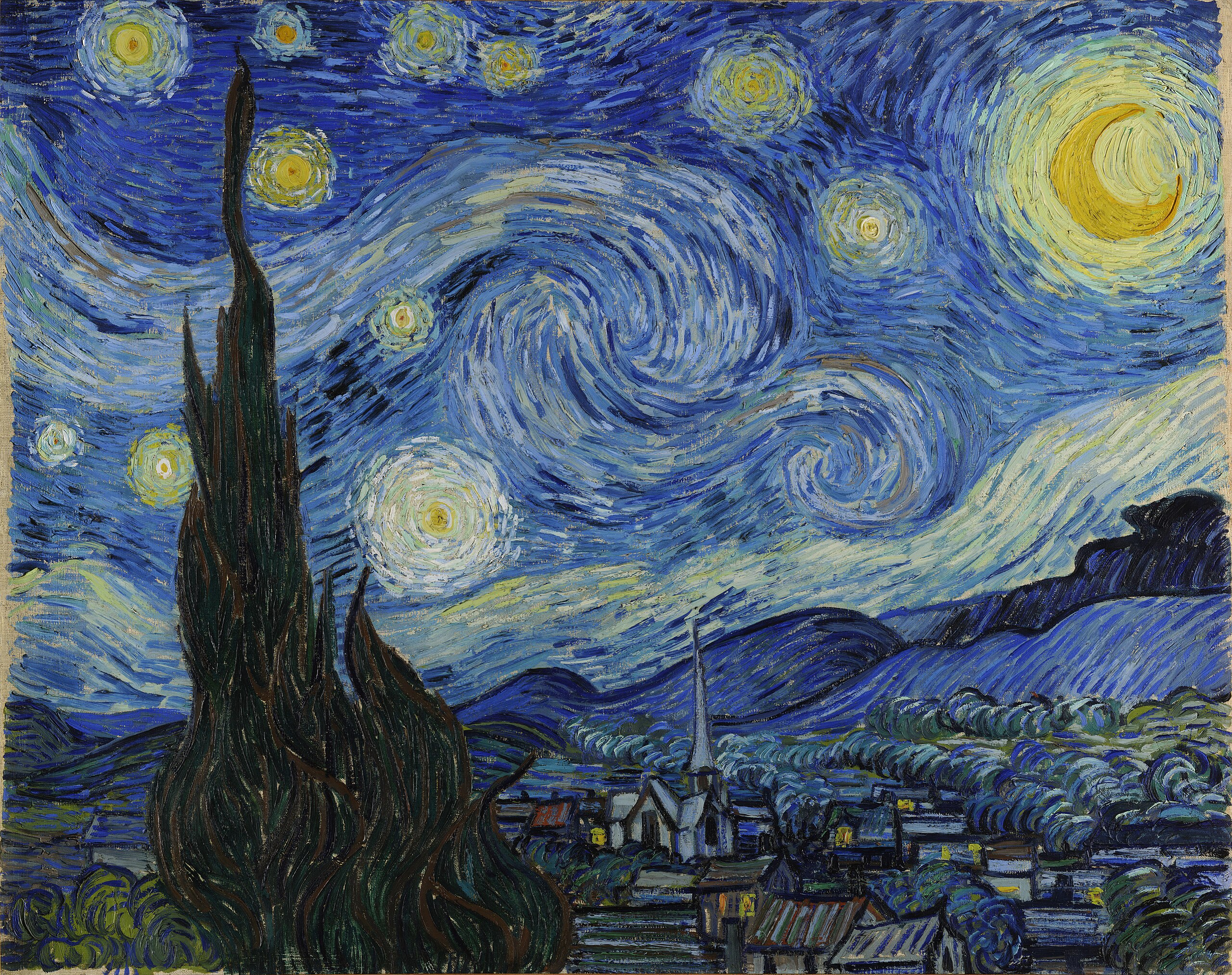
Starry Night
Vincent van Gogh
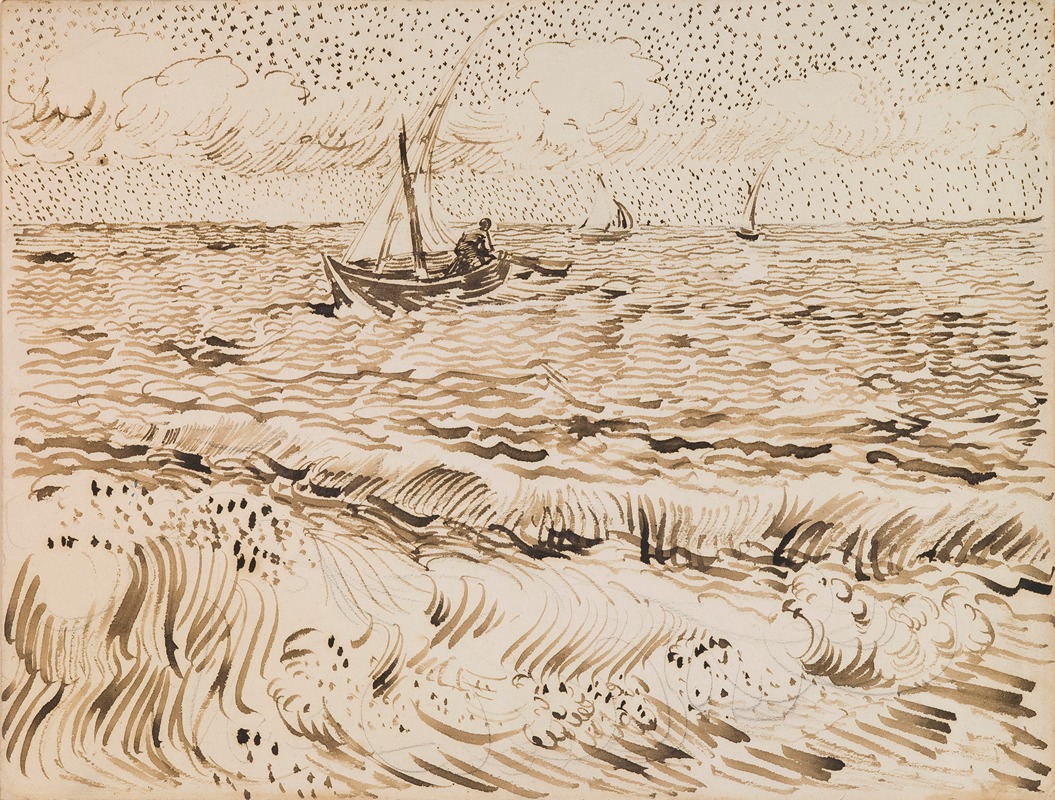
Fishing Boats at Saintes-Maries-de-la-Mer
Vincent van Gogh
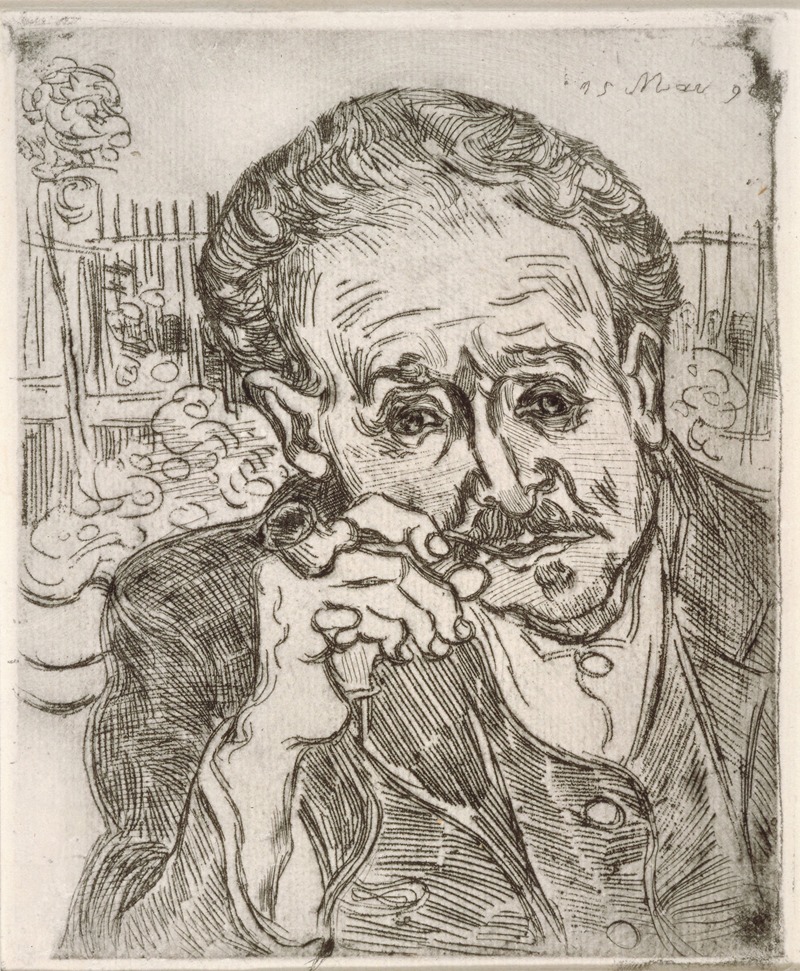
Portrait of Dr. Gachet (Auvers-sur-Oise)
Vincent van Gogh
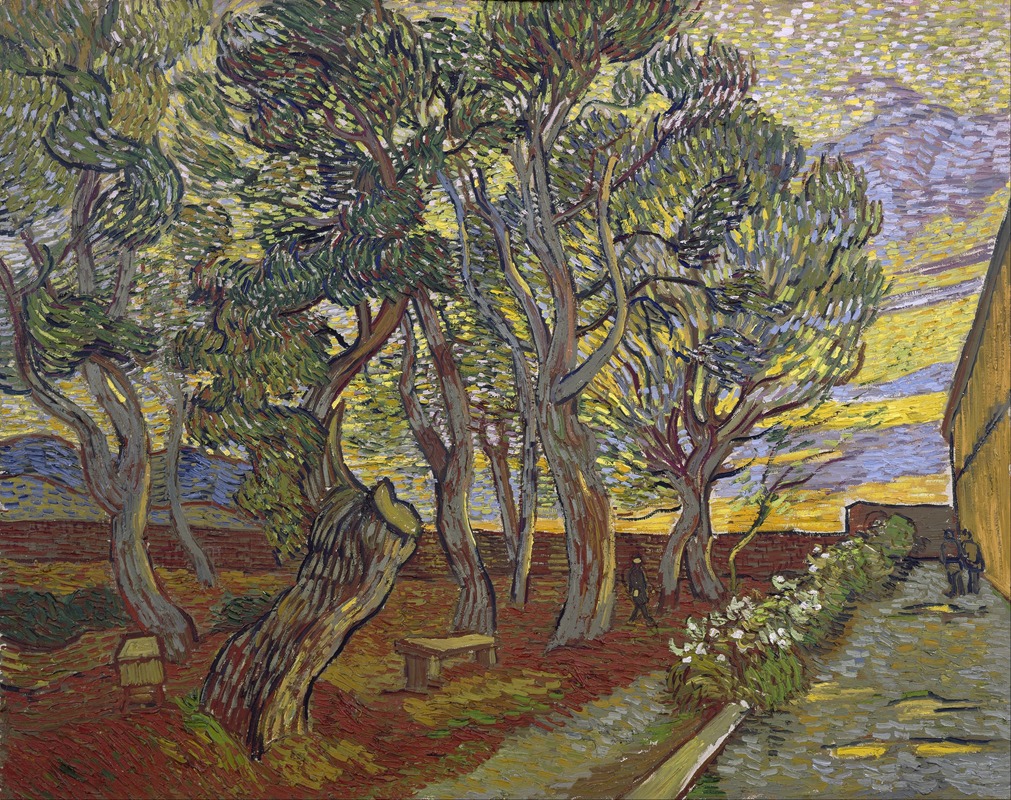
The garden of Saint Paul’s Hospital
Vincent van Gogh
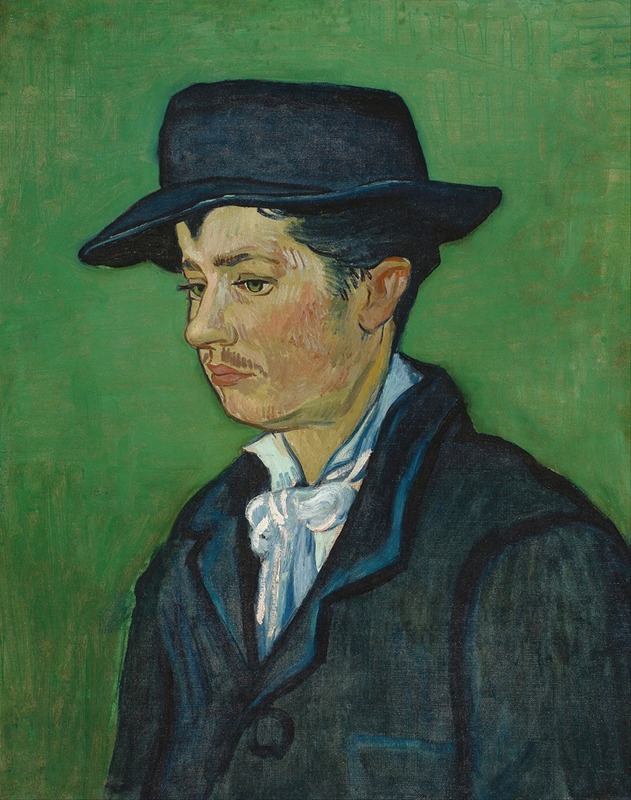
Portrait Of Armand Roulin
Vincent van Gogh
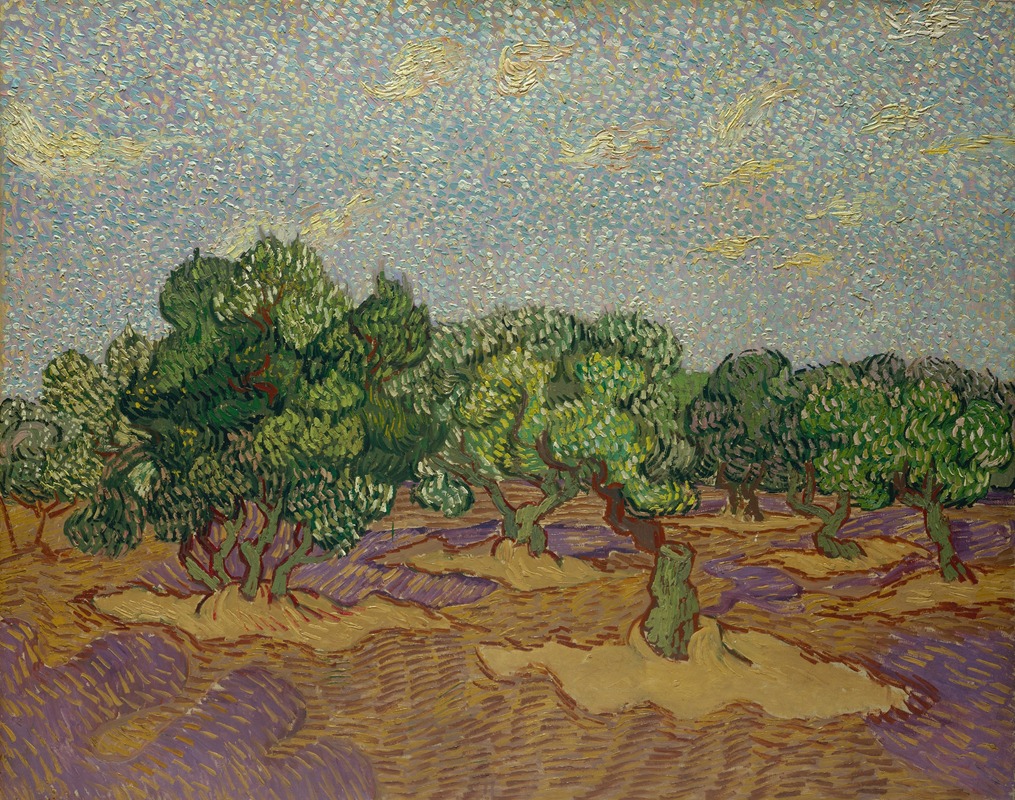
Olive Trees
Vincent van Gogh
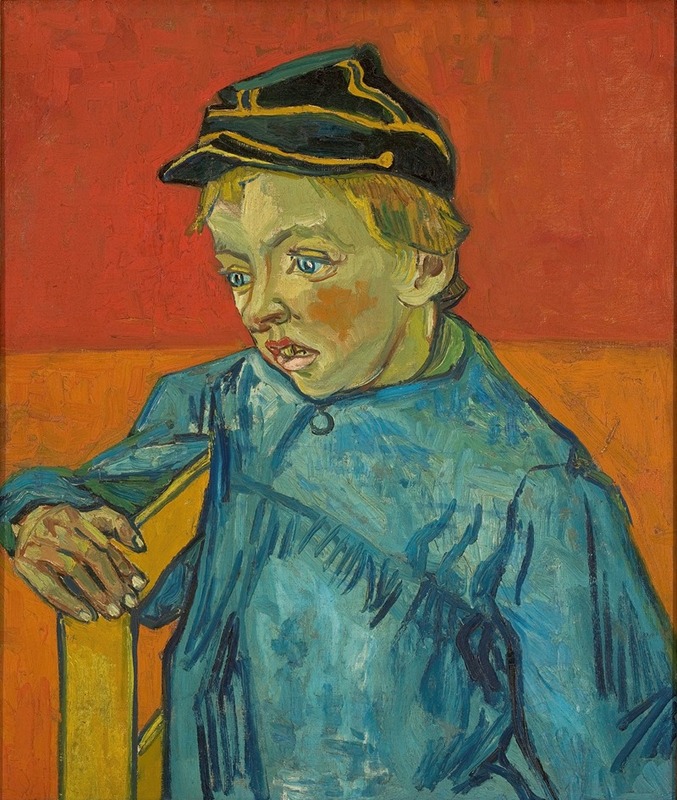
The Schoolboy (Camille Roulin)
Vincent van Gogh
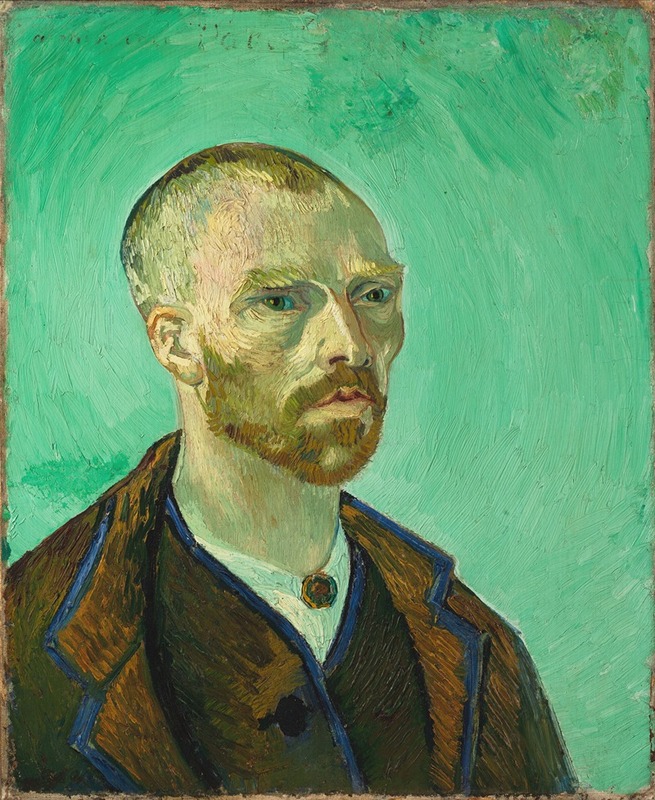
Self Portrait (dedicated to Paul Gauguin)
Vincent van Gogh
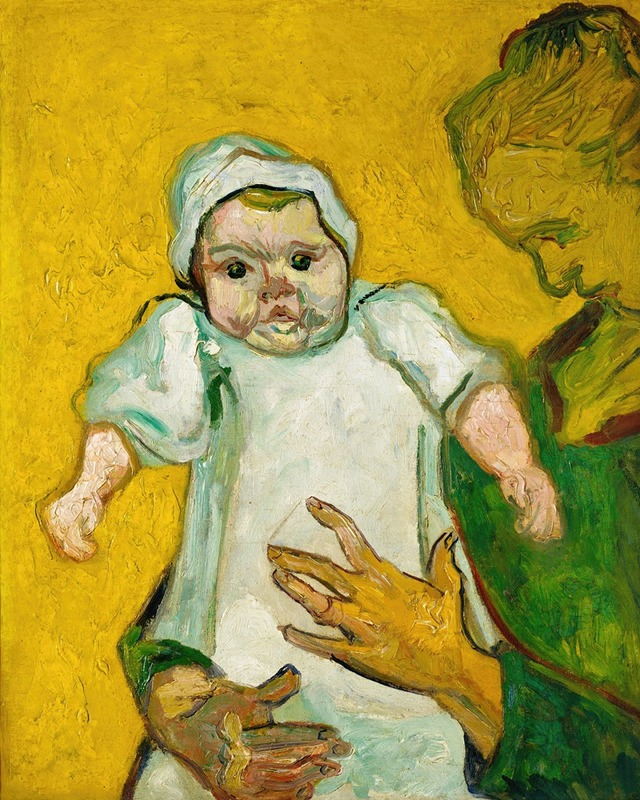
Madame Roulin and Her Baby
Vincent van Gogh
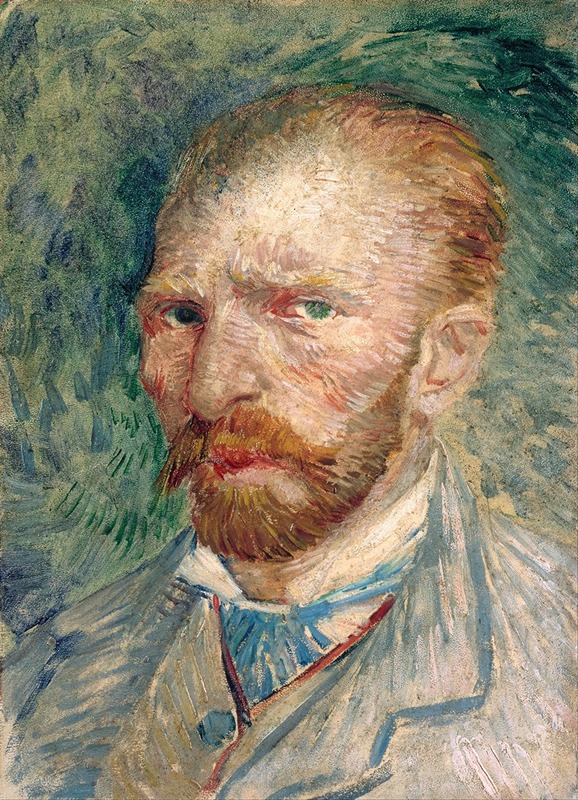
Self-Portrait
Vincent van Gogh