
Discover insights about this artwork
The Ship of Fortune — History & Facts
In The Ship of Fortune, Rembrandt van Rijn presents a dramatic scene filled with swirling clouds and tumultuous waves. The ship, central to the composition, appears to be navigating through a storm, symbolizing the unpredictability of fate. Rich, dark colors dominate the canvas, creating a sense of urgency and tension.
The figures aboard the ship are depicted with expressive gestures, enhancing the emotional weight of the moment. The painting is characterized by Rembrandt's typical use of chiaroscuro, where light and shadow play a crucial role in creating depth and drama. The brushwork is dynamic, with visible strokes that add texture to the waves and clouds. Viewers can appreciate the intricate details of the ship's rigging and the figures' clothing, showcasing Rembrandt's attention to realism.
The overall composition draws the eye towards the ship, emphasizing its struggle against the elements. Rembrandt van Rijn, a key figure of the Dutch Golden Age, often explored themes of light, shadow, and human emotion. The Ship of Fortune reflects his interest in allegory, representing the journey of life and the uncertainties that accompany it. An interesting fact about this work is that it was likely inspired by maritime literature of the time, which often depicted the sea as a metaphor for fortune and fate.
This painting exemplifies Rembrandt's ability to blend narrative with visual drama.
More Artworks by Rembrandt van Rijn
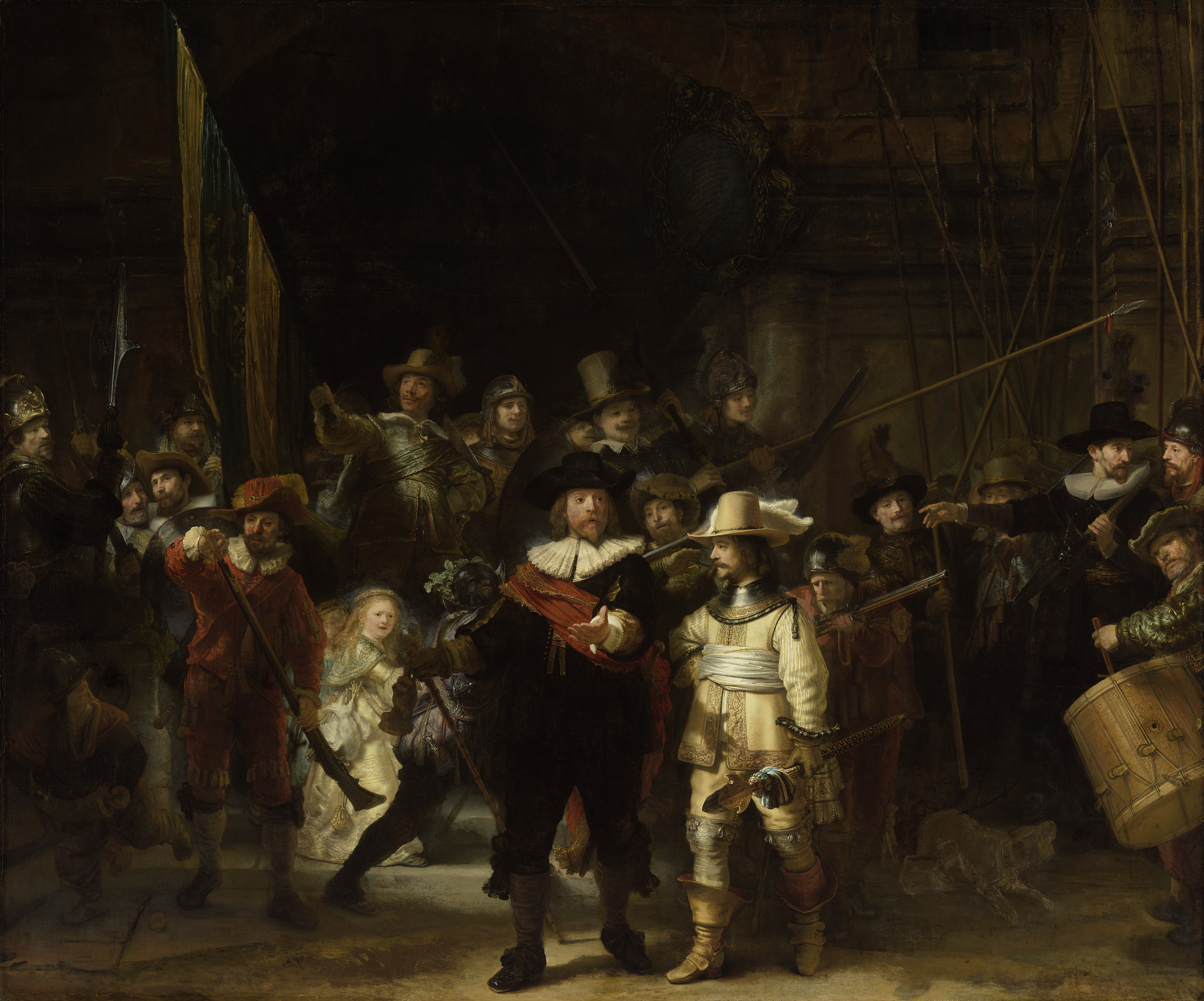
The Night Watch Militia Company of District II under the Command of Captain Frans Banninck Cocq
Rembrandt van Rijn
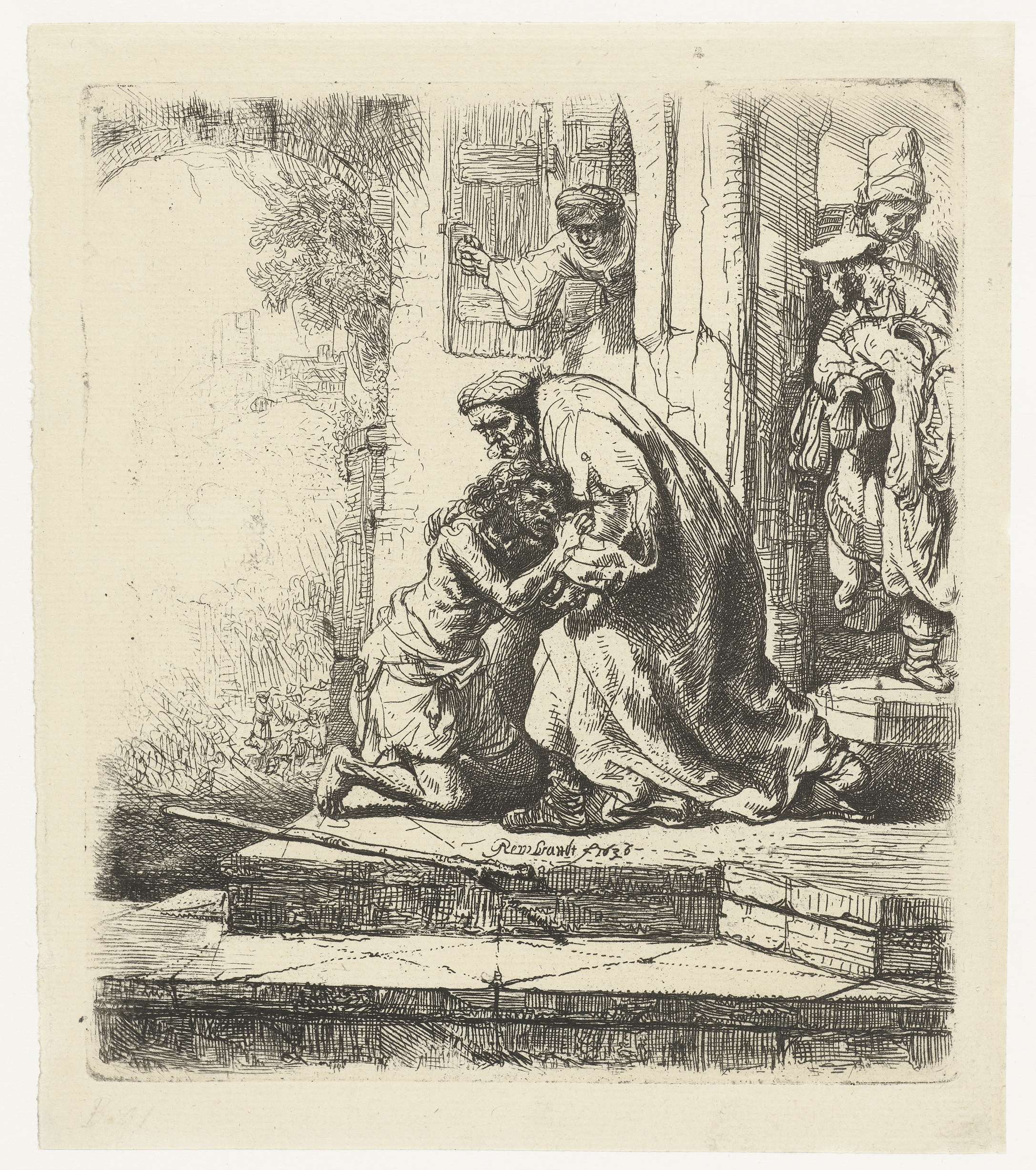
The Return of the Prodigal Son
Rembrandt van Rijn
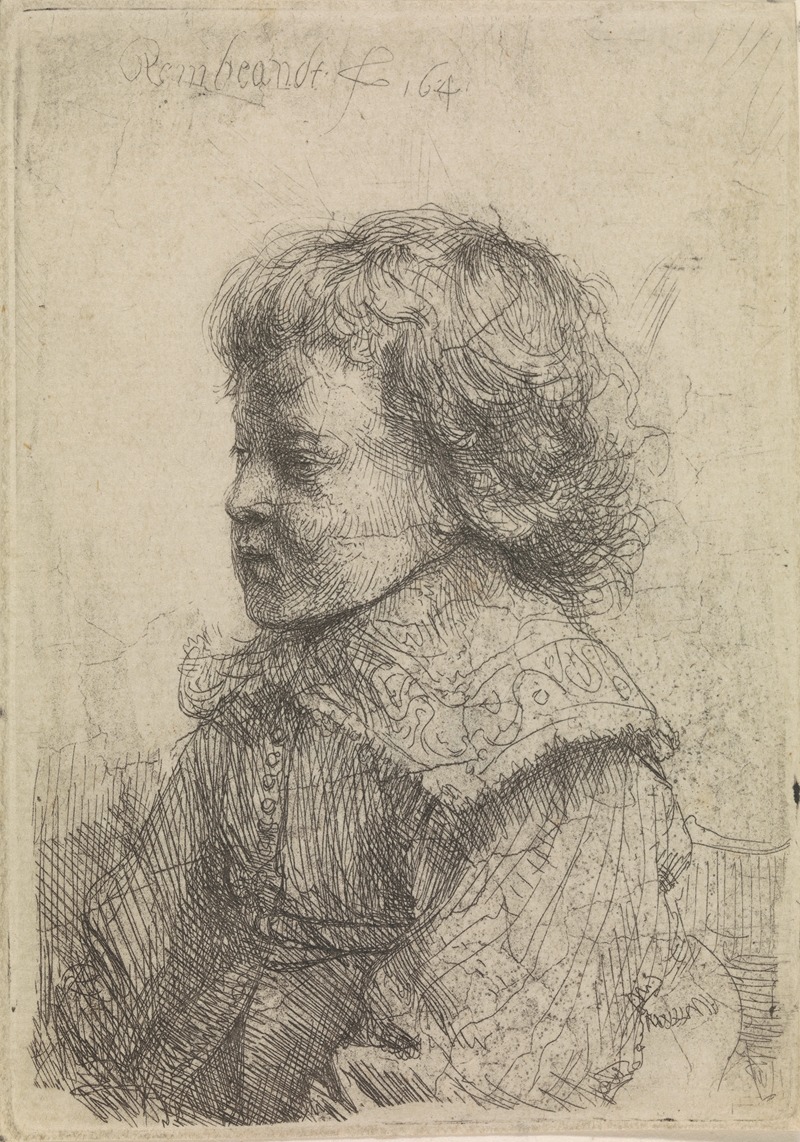
Portrait of a boy in profile
Rembrandt van Rijn
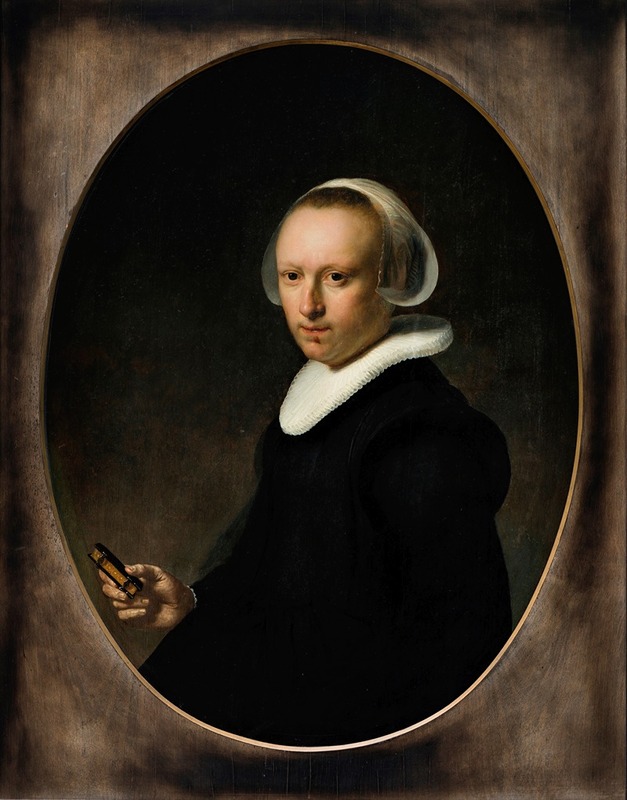
Portrait of a 39-year-old Woman
Rembrandt van Rijn
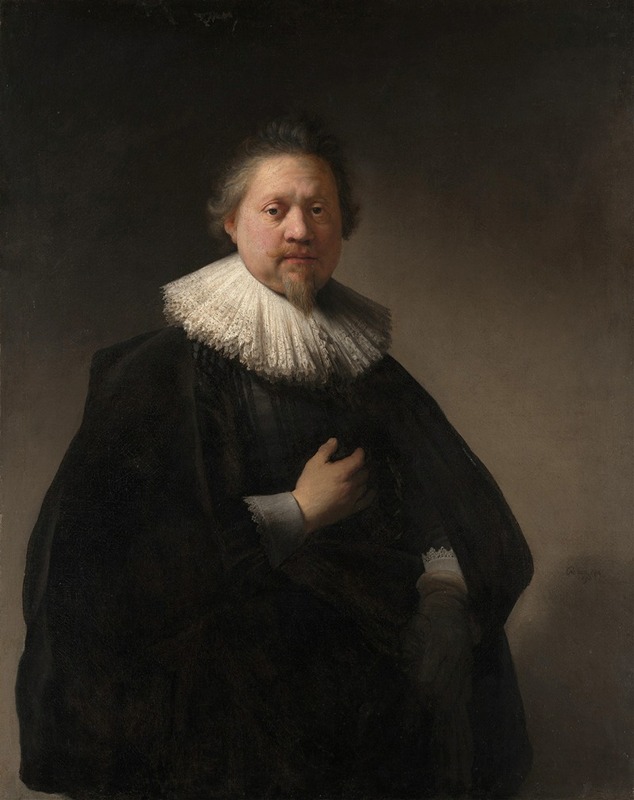
Portrait of a Man
Rembrandt van Rijn
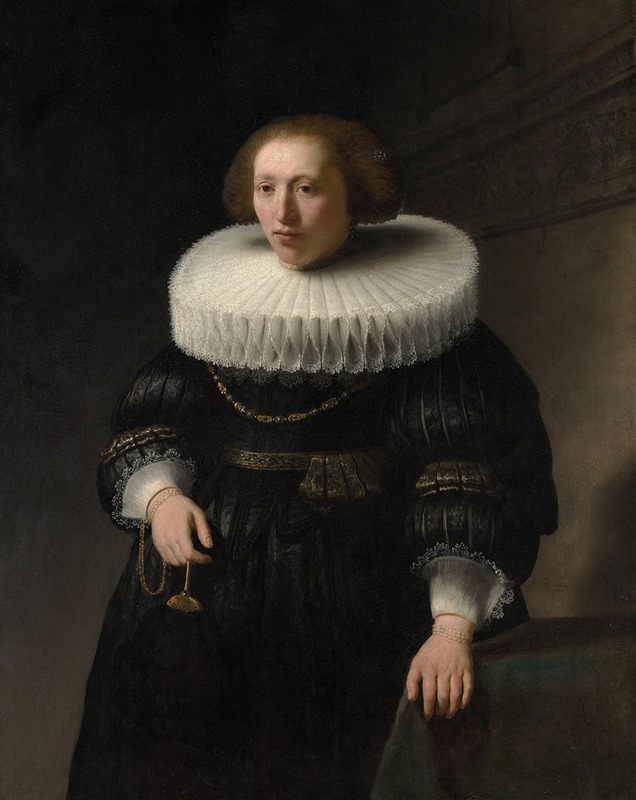
Portrait of a Woman
Rembrandt van Rijn
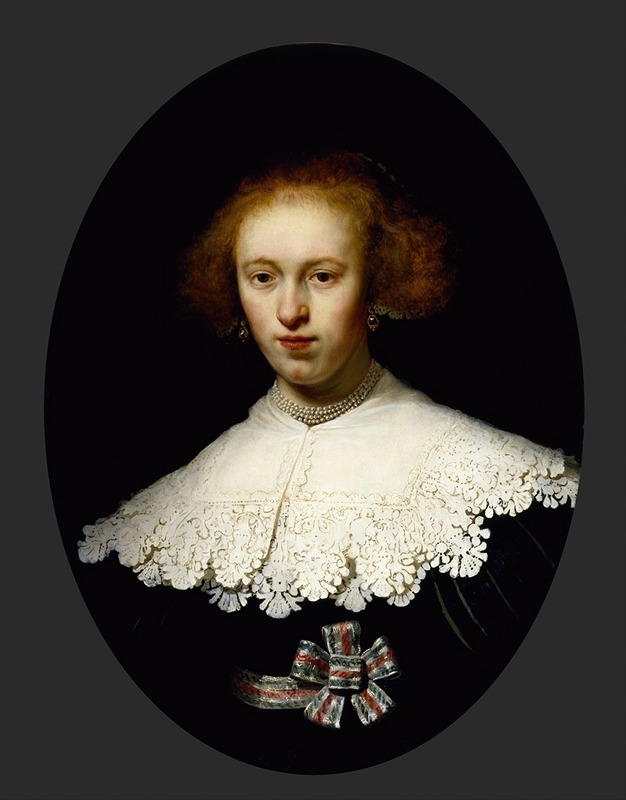
Portrait of a Young Woman
Rembrandt van Rijn
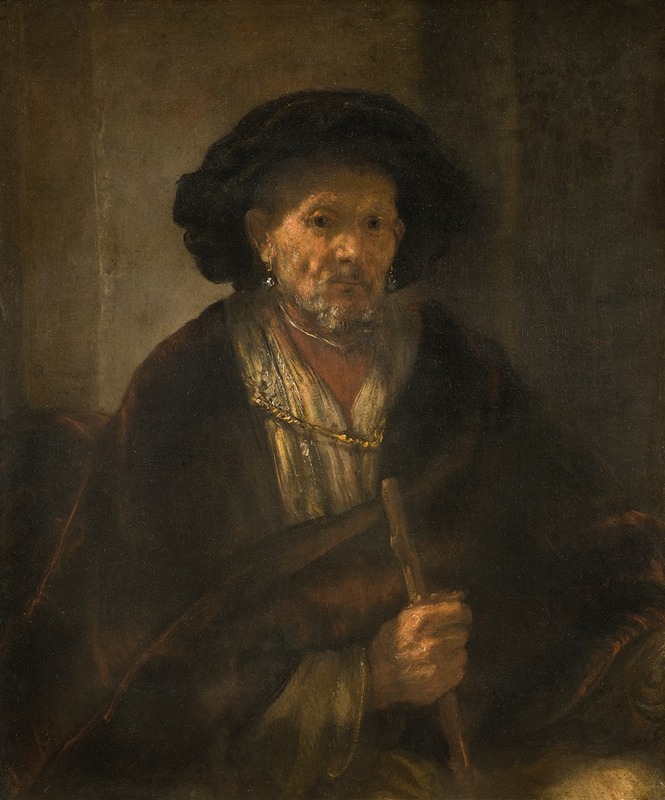
Portrait of an Old Man
Rembrandt van Rijn
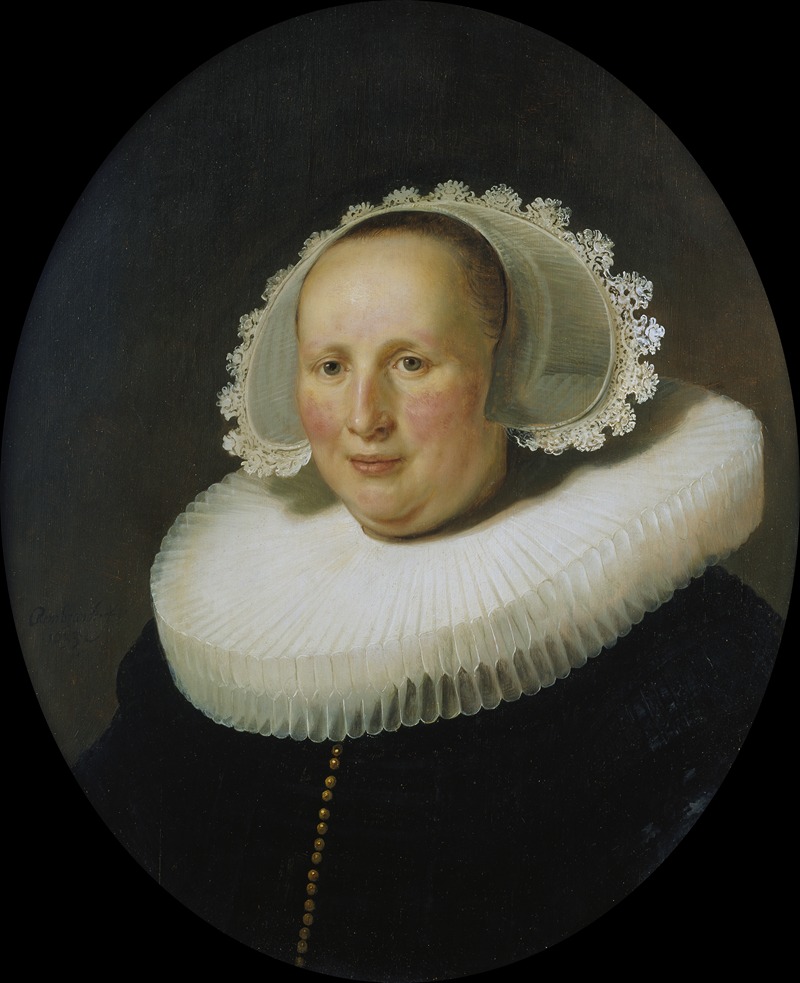
Portrait of Maertgen van Bilderbeecq
Rembrandt van Rijn
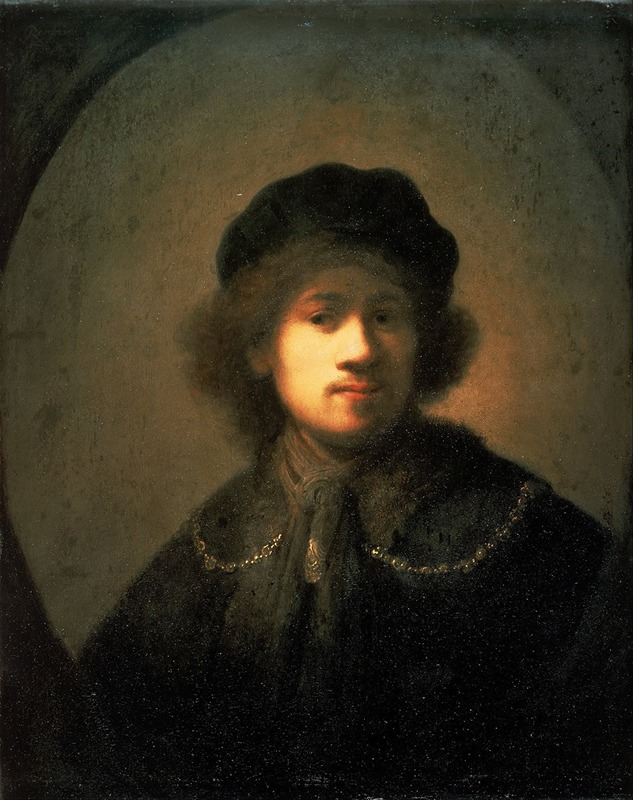
Portrait of the Artist as a Young Man
Rembrandt van Rijn
More Allegory Art
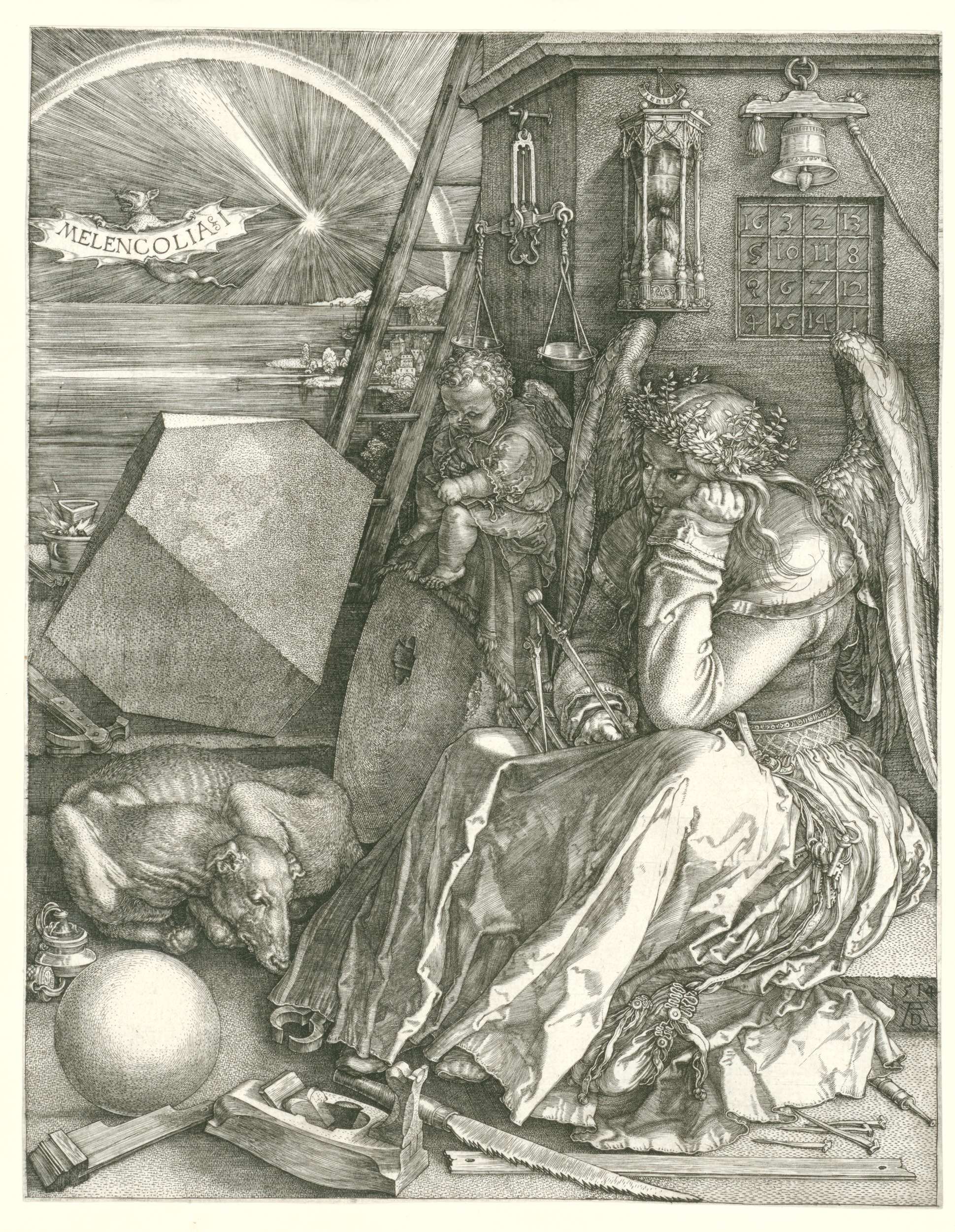
Melancholia
Albrecht Dürer
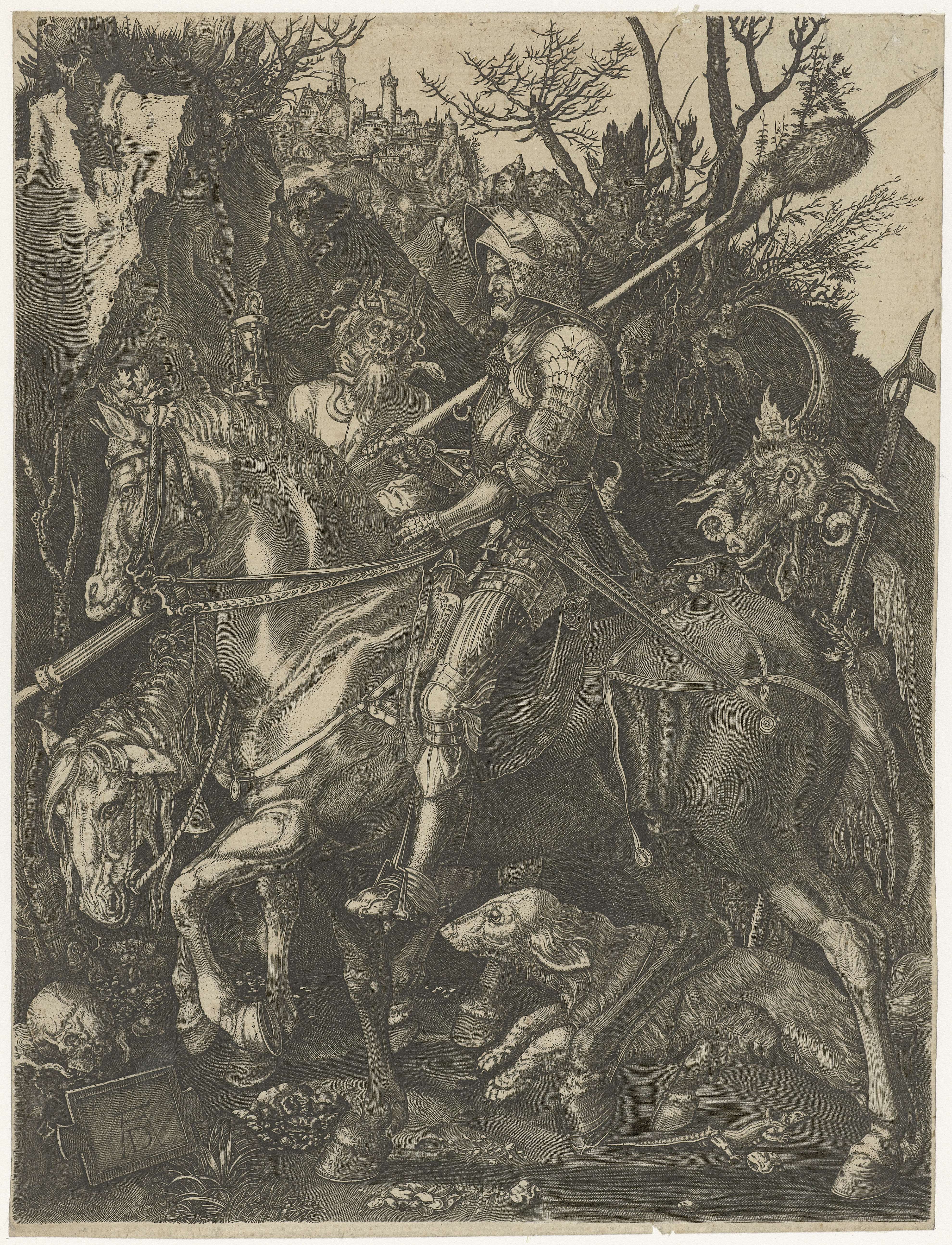
Ridder, Dood en Duivel
Unknown Artist
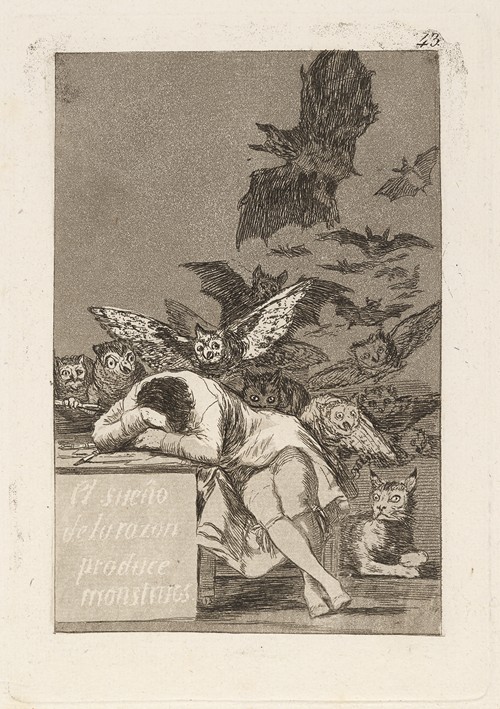
El sueño de la razon produce monstruos. (The sleep of reason produces monsters.)
Francisco de Goya
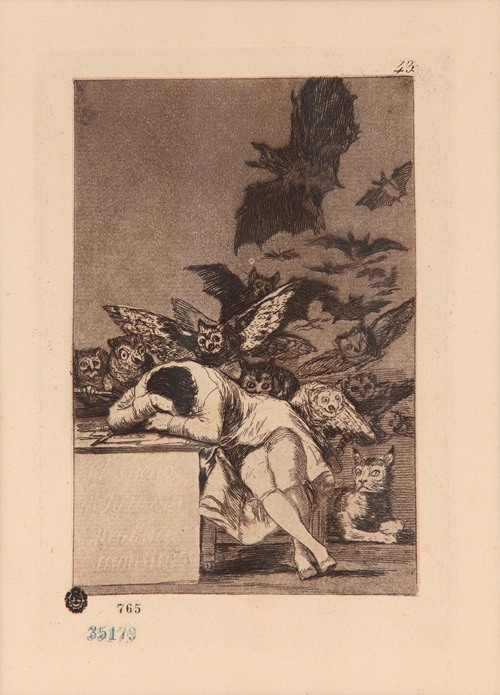
El sueño de la razon produce moustruos (Serie Caprichos)
Francisco de Goya
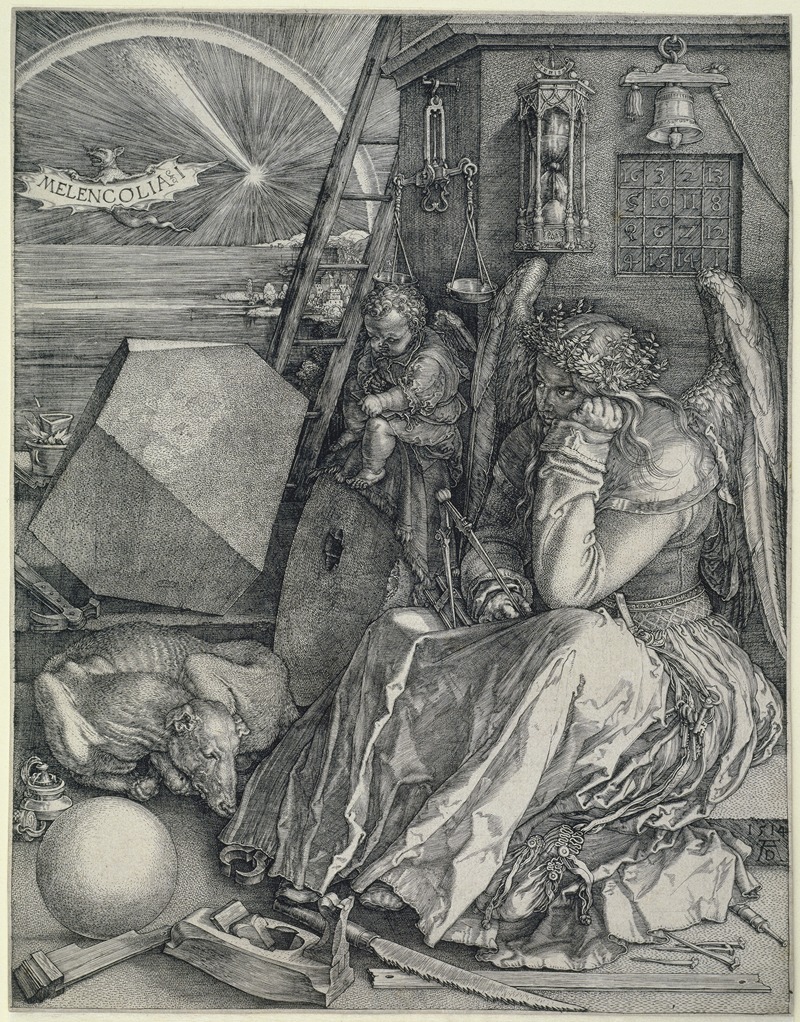
Melencolia I (The Melancholy)
Albrecht Dürer
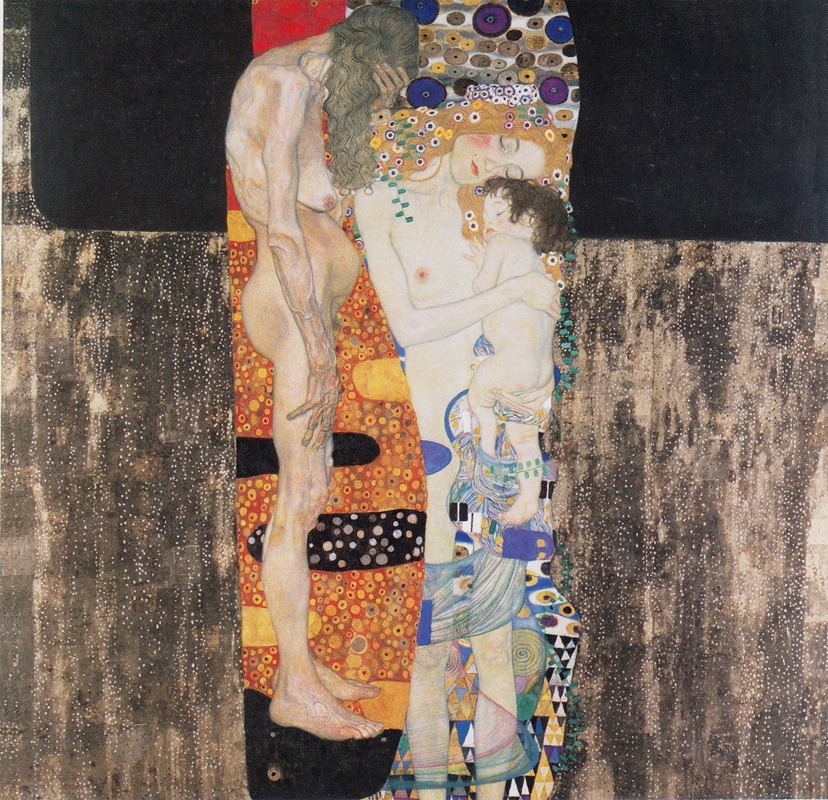
The Three Ages of the Woman
Gustav Klimt