
The Siege of Jülich — History & Facts
In the chaos of conflict, beauty can emerge, transforming the savage into the sublime. Look to the foreground where soldiers, caught in the throes of battle, come alive beneath a tumultuous sky. The vibrant hues of their uniforms contrast starkly with the dark, smoky atmosphere, drawing the viewer’s gaze to both the chaos of the siege and the intricate details of their armor and weaponry. Notice how the light dances upon their faces, highlighting the intensity of their expressions, while in the background, the crumbling walls of the fortress stand as a solemn reminder of the futility of war. As the eye wanders further, the juxtaposition of life and death becomes palpable.
The vivid colors evoke both the urgency of the moment and the stark reality of loss, with fallen soldiers lying forgotten amidst the chaotic struggle. This interplay suggests a haunting beauty, as each brushstroke captures both the valor and despair inherent in warfare. The distant fortress, besieged yet resilient, symbolizes the fragility of beauty when enveloped by destruction. Sebastian Vrancx painted this work around 1635, during a time when the Northern Netherlands was embroiled in the Eighty Years' War.
Living in Antwerp, he found himself amidst a vibrant art scene that sought to document contemporary events while also embracing the Baroque style's dramatic flair. In this context, The Siege of Jülich stands as a poignant reflection on the intersection of art and the human experience in times of turmoil.
More Artworks by Sebastian Vrancx
Browse all →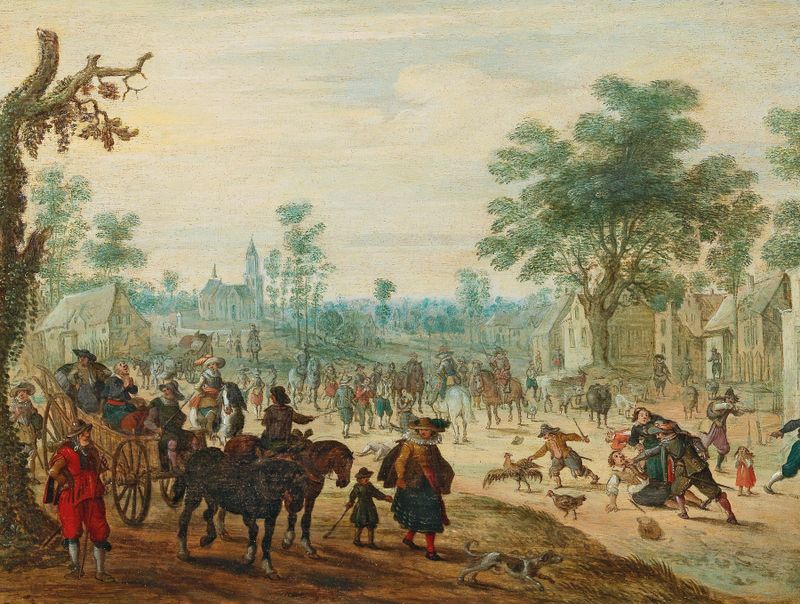
A village with numerous figures on a road
Sebastian Vrancx
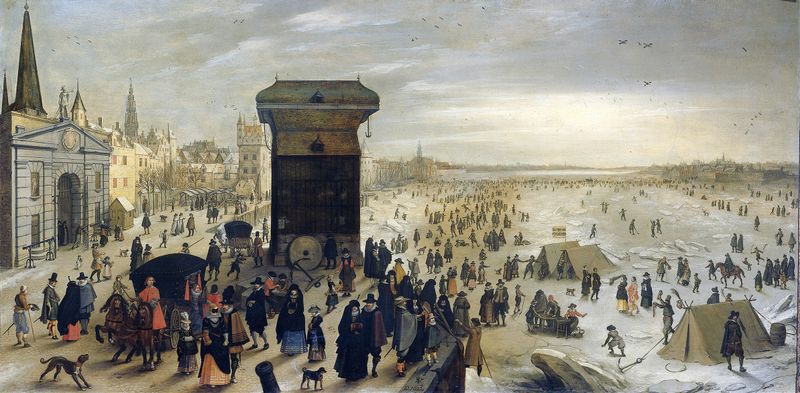
The Kranenhoofd on the Scheldt, Antwerp (Winter Pastime on the Scheldt in Antwerp)
Sebastian Vrancx
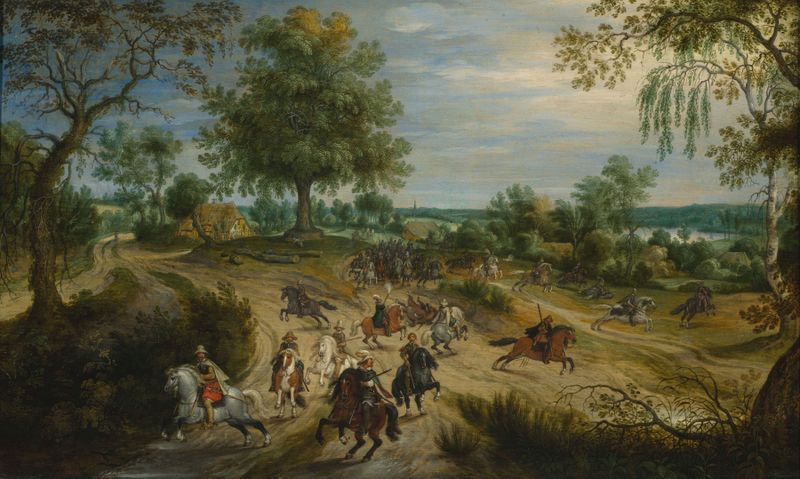
Skirmish
Sebastian Vrancx
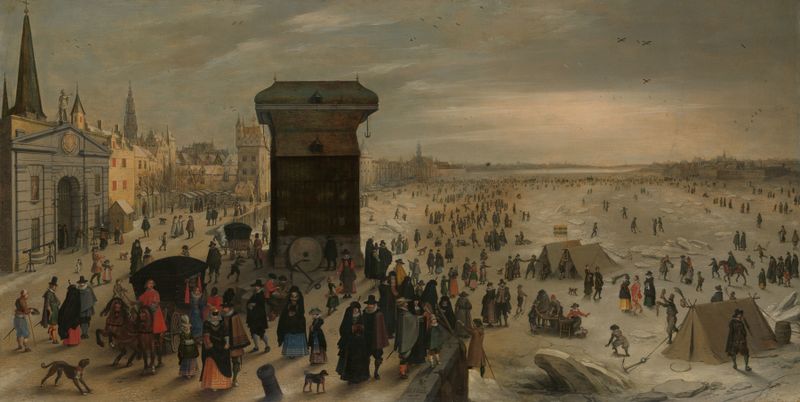
The Crane on the Antwerp Quay by the Frozen Scheldt
Sebastian Vrancx
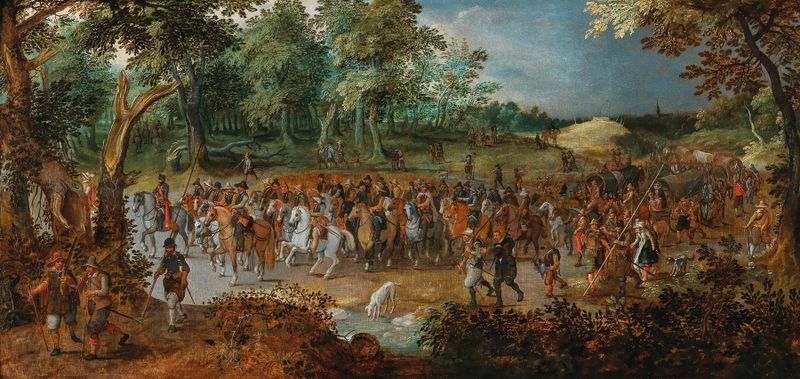
A procession of soldiers on horseback at the entrance of a forest
Sebastian Vrancx
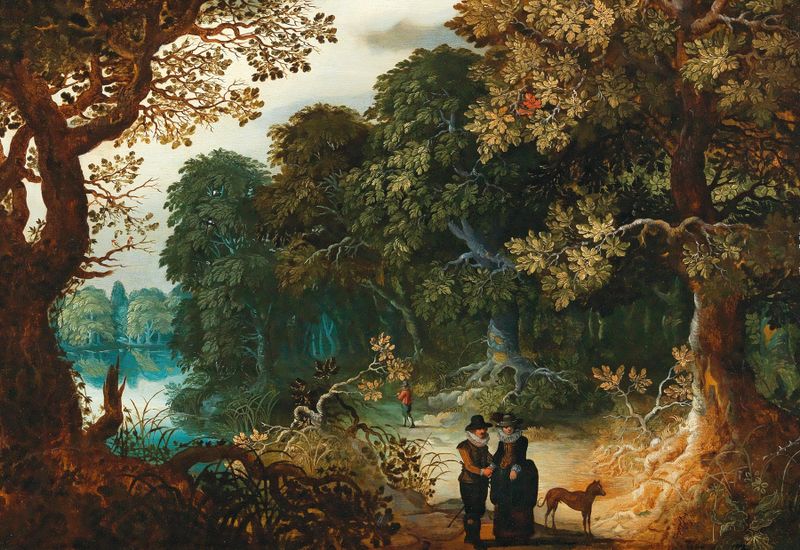
A wooded landscape with an amorous couple
Sebastian Vrancx
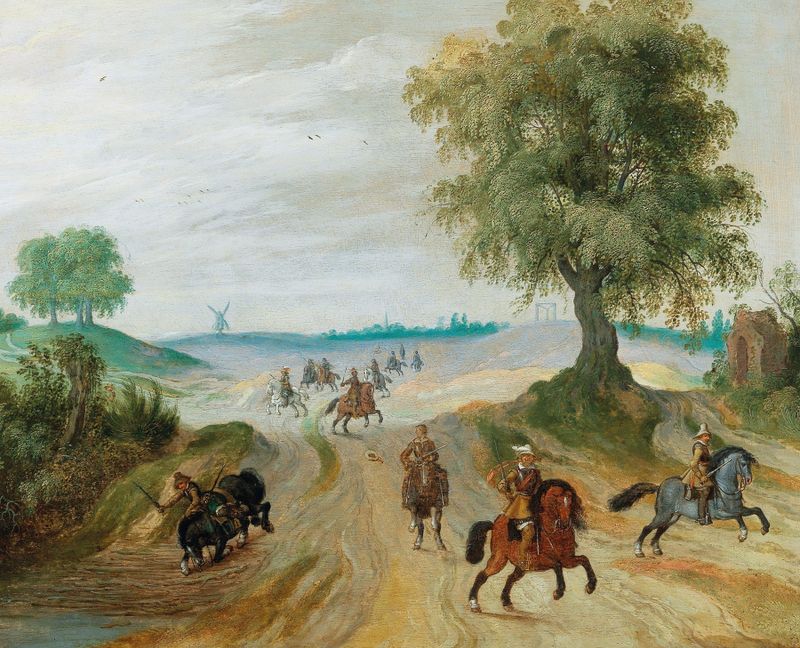
Soldiers on horseback in a landscape
Sebastian Vrancx
More Historical Art
Browse all →
The Night Watch Militia Company of District II under the Command of Captain Frans Banninck Cocq
Rembrandt van Rijn

Lincoln Memorial
Henry Bacon

The Third of May 1808
Francisco de Goya

Isaac and Rebecca, Known as ‘The Jewish Bride’
Rembrandt van Rijn

The Charge of the Mamelukes (1814)
Francisco de Goya

De vier ruiters van de apocalyps
Albrecht Dürer